


Bronze Athletic Figurine
A bronze athletic figurine captures human physical endeavour in metal, appealing to collectors seeking dynamic form and period craftsmanship.
Bronze Athletic Figurine
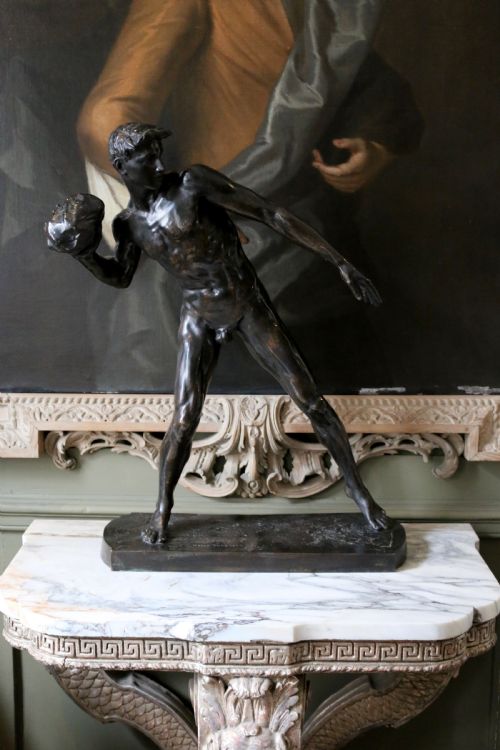
When you search for bronze athletic figurine, you encounter sculptural works depicting competitors and strongmen from classical antiquity through to the twentieth century. These pieces record sports including rugby, tennis, ice skating, fencing and weightlifting across periods such as Victorian, Neoclassical and Art Deco.
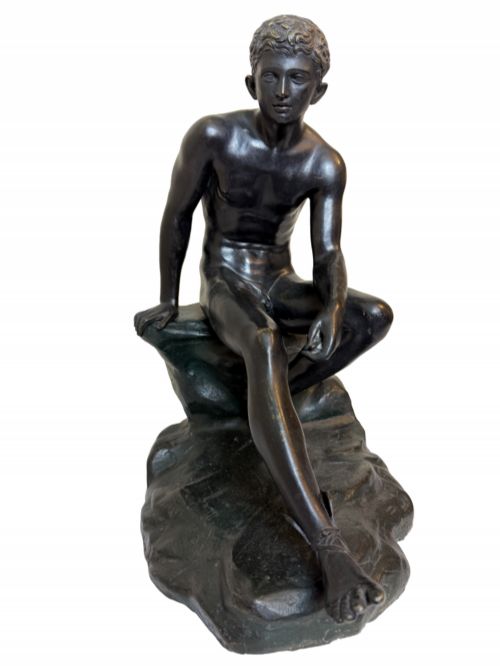
The objects take the form of male nudes, gladiators and athletes mounted on bases of marble or wood. You meet nineteenth-century Grand Tour reductions alongside vigorous modernist depictions of movement from the nineteen-thirties.
Materials and construction
The makers of these figures employed traditional metalworking methods, casting patinated bronze, silvered bronze and gilt bronze to achieve varied surface finishes. Many examples incorporate contrasting materials, standing upon integral or fitted bases carved from solid marble or wood.
Foundries captured musculature and athletic gear through detailed modelling, often applying patination to accentuate the contours of the human body. Signatures and foundry marks occasionally appear cast directly into the metal or incised upon the base.
Even ancient gladiators needed a moment to catch their breath between bouts.
Distinctions in quality
Quality reveals itself in the anatomical precision of the casting and the sensitivity of the finishing work. Superior examples display crisp definition in the musculature and facial expressions, whereas lesser pieces lose detail in repetitive casting processes.
The depth and application of the patination significantly affect the visual impact of the metal. Stronger works integrate the figure harmoniously with its marble or stone plinth, maintaining correct proportions and balance.
Hamo Thornycroft·L. Gerfaux·H Risch·Desire Grisard·Rudolf Küchler·Claire Colinet·Bruno Zach·Eden Antony Paul Noel
The Bronze Athletic Figurine Glossary
- Patinated bronze
- Bronze treated with chemical solutions to produce a specific surface colour or tone. This process protects the metal and enhances the sculptural detail.
- Grand Tour
- A cultural journey undertaken by nineteenth-century travellers who acquired small-scale bronze antiquities. These souvenirs typically depicted classical figures and mythological subjects.
- Lost-wax casting
- A metalworking method where a molten alloy is poured into a mould created from a wax model. This technique allows for intricate detail and complex undercut forms.
- Spelter
- An alloy of zinc and lead cast as a cheaper alternative to bronze. It was frequently painted or bronze-plated to simulate heavier metal.
Bronze Athletic Figurine: Frequently Asked Questions
How do I identify a cast?
Examine the surface under a strong light to check for sharpness in the musculature and finishing marks left by the chaser. Closer inspection often reveals foundry stamps or artist signatures near the base.
Compare the weight and coldness of the metal against known alloys, remembering that spelter feels lighter and softer than true bronze.
What periods are represented?
The selection spans the nineteenth century through the early twentieth century, encompassing Victorian revivalism and Art Deco modernism. Grand Tour pieces look back to classical antiquity, while nineteen-thirties works embrace dynamic sporting subjects.
Stylistic shifts reflect changing attitudes towards the human form, moving from academic classicism to the stylised geometry of the interwar years.
How were these displayed?
Original owners placed these figures upon library desks, mantelpieces and dedicated pedestal tables within domestic interiors. Their compact scale allowed them to be admired closely from various angles.
The inclusion of heavy marble bases provided both stability for active poses and a formal framing device for the metalwork.
How do I care for bronze?
Dust the surface gently with a soft, dry brush to prevent particulate buildup within the crevices of the casting. Avoid liquid cleaners or polishes that can strip the historic patination from the metal.
Maintain stable humidity and temperature levels away from direct sunlight to preserve both the bronze and its accompanying marble or wooden base.