
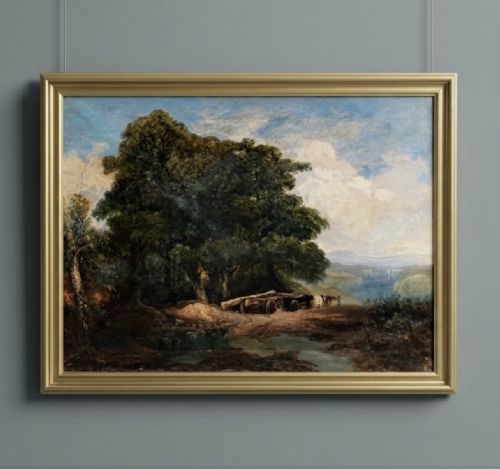
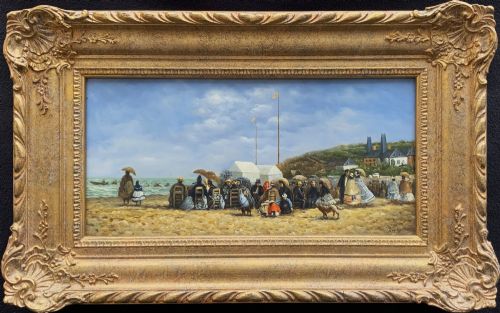

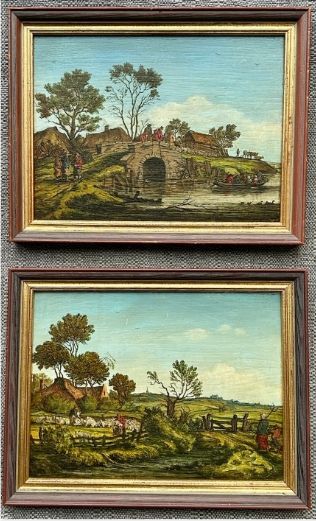
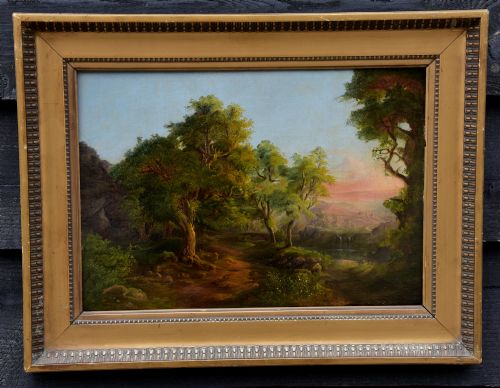
Gilded Framed Landscape Painting
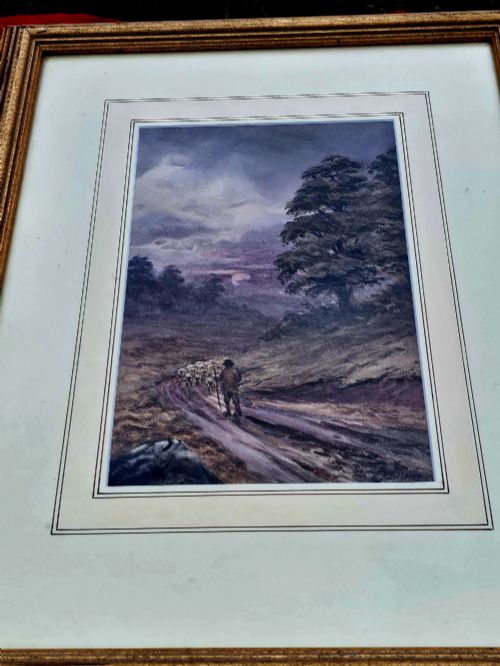
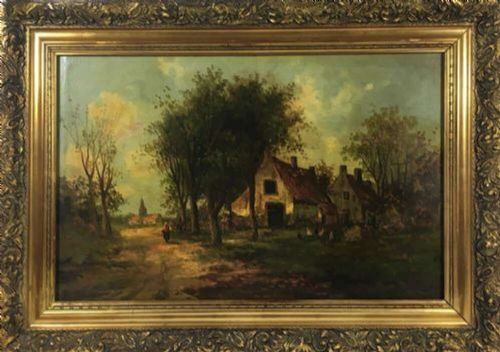
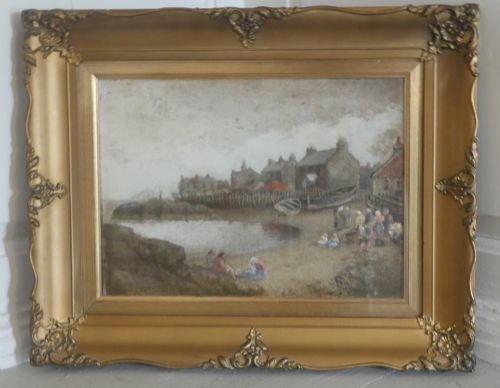
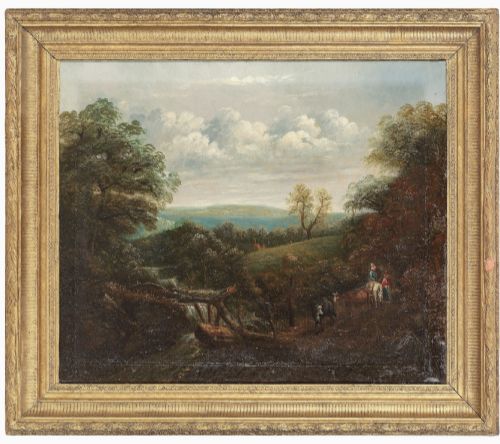
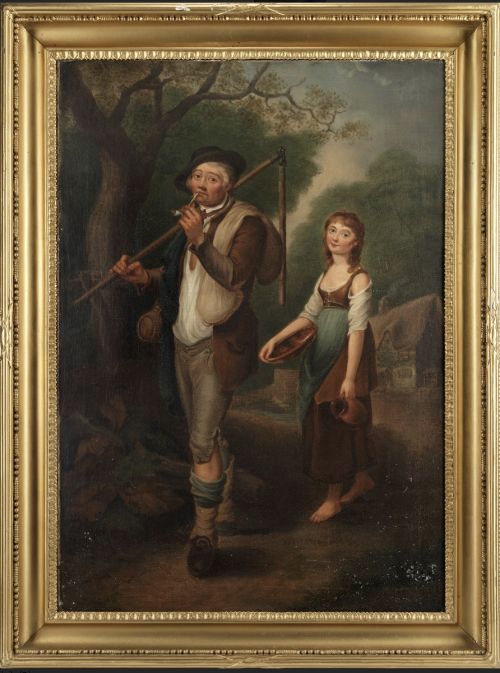
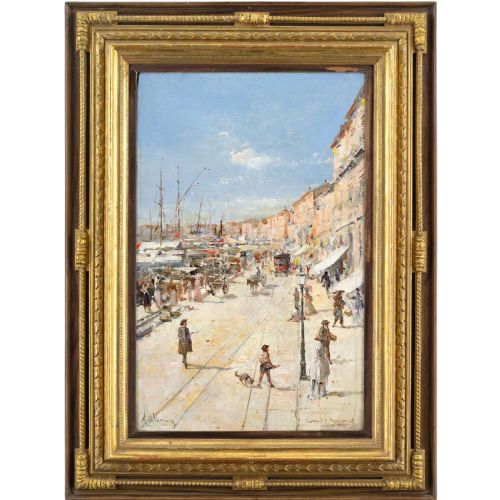
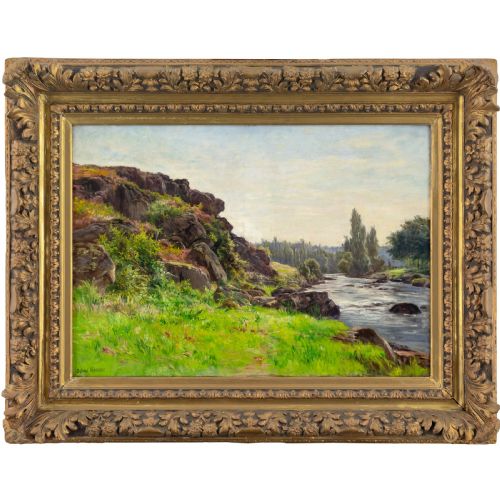
A gilded framed landscape painting brings the depth and light of the countryside directly onto a wall.
What a gilded framed landscape painting is
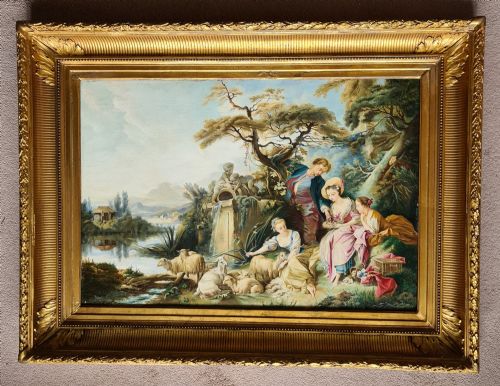
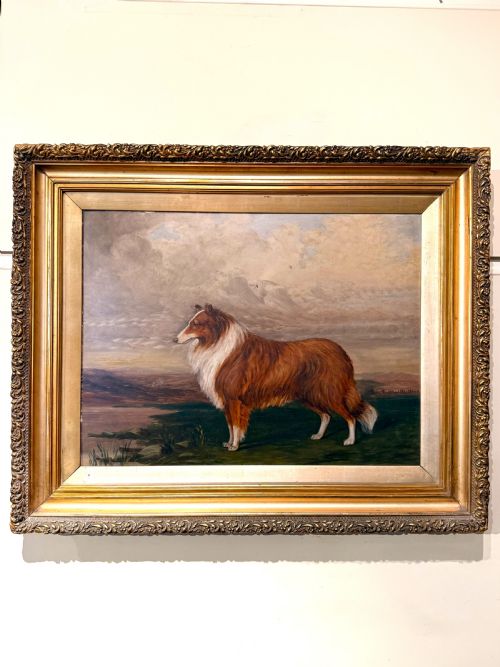
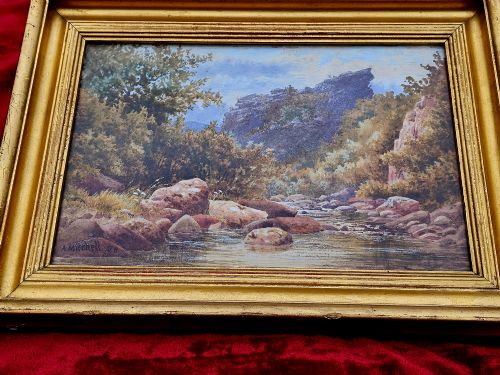
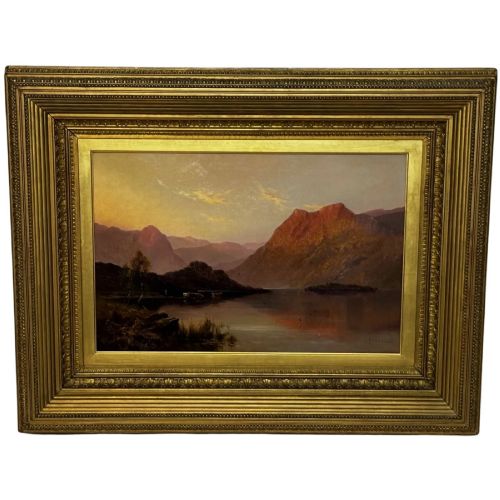
When a buyer searches for a gilded framed landscape painting, they find works depicting rural scenes, cattle in fields, woodlands and Mediterranean views held within ornate metallic borders. These works span from the eighteenth century through the nineteenth century and into the mid twentieth century.
The pieces on this page include oil on canvas, oil on board, and gouache watercolour on paper. Styles range from Victorian and Neoclassical to French Impressionism, British Impressionism, and Fauvism.
Buyers most frequently encounter nineteenth-century works and mid-twentieth-century British impressionist examples set in traditional wooden frames. These objects combine painted scenery with metallic framing to create a finished decorative piece.
How they were made
Makers applied oil paint or gouache onto canvas, board or paper supports to build the landscape scenes. Artists utilised traditional pigments and brushwork characteristic of periods such as nineteenth-century romanticism and twentieth-century British impressionism.
The surrounding frames consist of wood treated with gilt, gilded wood, or giltwood finishes. These frames were carved or moulded to enclose the paintings securely behind glass where specified.
Retail Price Guide 2026
Typical UK retail prices for gilded framed landscape painting, calculated from the Sellingantiques database of over a million retail prices indexed since 2003. This retail price guide relies exclusively on Sellingantiques data; no external sources or auction records are used, so the figures do not describe the wider market.
Cattle wander patiently through nineteenth-century Scottish lochs and Lake District fells, watching over the canvas from inside their golden wooden boundaries.
What varies in quality
The standard of a gilded framed landscape painting depends upon the handling of the medium, whether oil paint on canvas or gouache on paper. Stronger examples demonstrate confident brushwork and balanced composition within the landscape.
The quality of the frame also defines the piece, with carved giltwood and gilded wood showing more intricate detail than simpler wooden surrounds.
Jacob Philipp Hackert·Henry Robinson Hall·Denys Garle·Sidney Richard Percy·Lois Wilton
The Gilded Framed Landscape Painting Glossary
- Giltwood
- Wood that has been coated with gold leaf or a gold-coloured finish. This material forms the decorative border around the artwork.
- Oil on Canvas
- Pigment mixed with drying oil applied to a stretched woven fabric surface. This combination provides durability and texture for landscape scenes.
- Gouache
- An opaque water-based paint method used on paper supports. It yields solid areas of colour within landscape compositions.
- Impressionism
- An artistic approach focusing on light and its changing qualities rather than strict detail. This style appears in both French and British works on this page.
Frequently Asked Questions
What periods do these landscape paintings cover?
The selection includes works from the eighteenth, nineteenth, and twentieth centuries. Dates range across the 18th Century, 19th Century, 1880, 1890, 1930, and 1960.
These dates reflect the period when the artist created the original painting on canvas, board or paper.
What materials are used in the frames?
The frames utilise wood finished with gilt, giltwood, or gilded wood. Some examples incorporate glass to protect the surface of the painting.
These metallic and wooden finishes work to complement the tones found within the oil or gouache landscape inside.
How do I hang a framed oil painting safely?
Ensure the wall fixings match the weight of the wooden frame and the canvas or board inside. Use appropriate picture wire secured firmly to the back of the frame.
Keep the painting away from direct heat sources and strong sunlight to preserve the oil paint and gilded wood.
What styles are represented in the collection?
The artworks cover several movements including Victorian, Neoclassical, 19th Century Romanticism, French Impressionism, British Impressionism, and Fauvism. Each style offers a distinct interpretation of natural scenery.
Subjects range from Scottish highland cattle and Lake District views to Mediterranean fauve landscapes.