

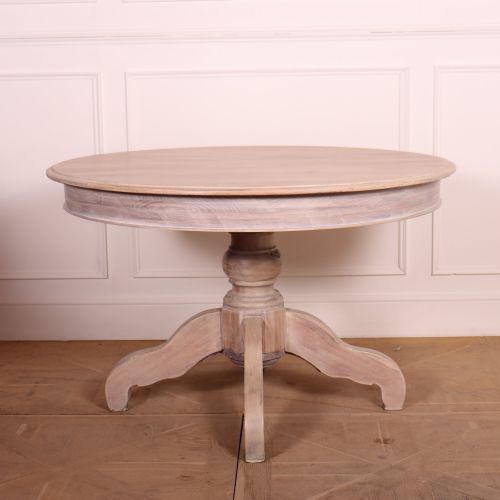
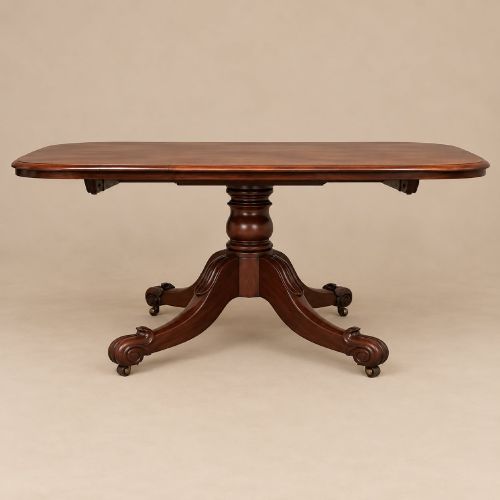
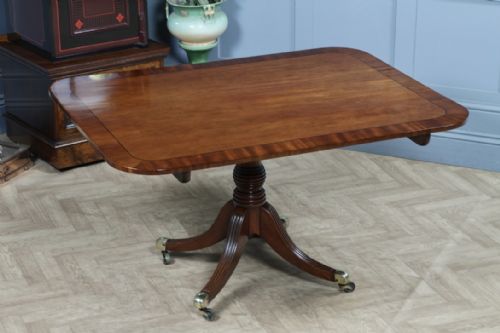
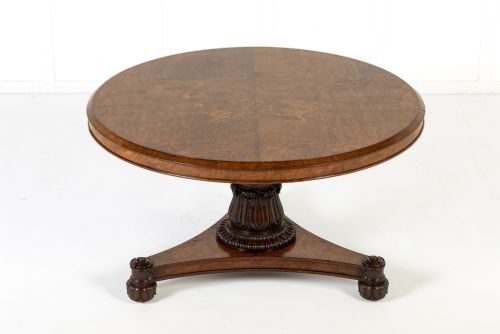
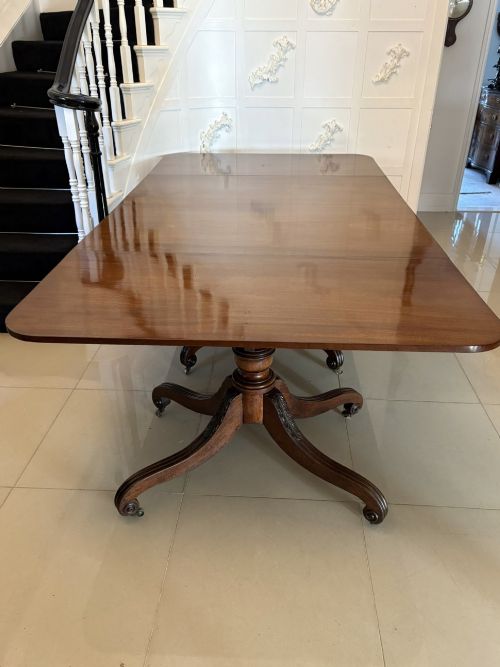
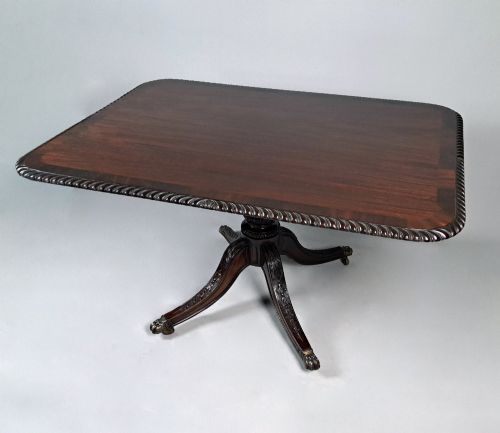
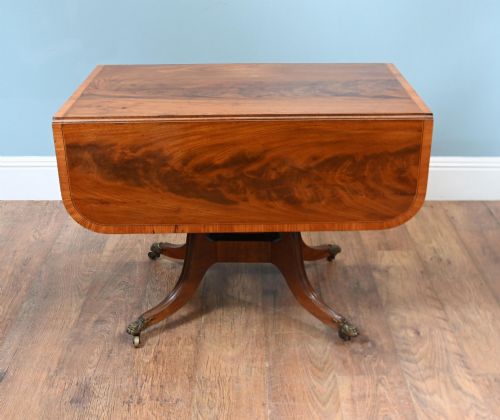
Georgian Pedestal Dining Table
A georgian pedestal dining table brings versatility and proportion to a room, offering modular extension for larger gatherings without losing classic lines.
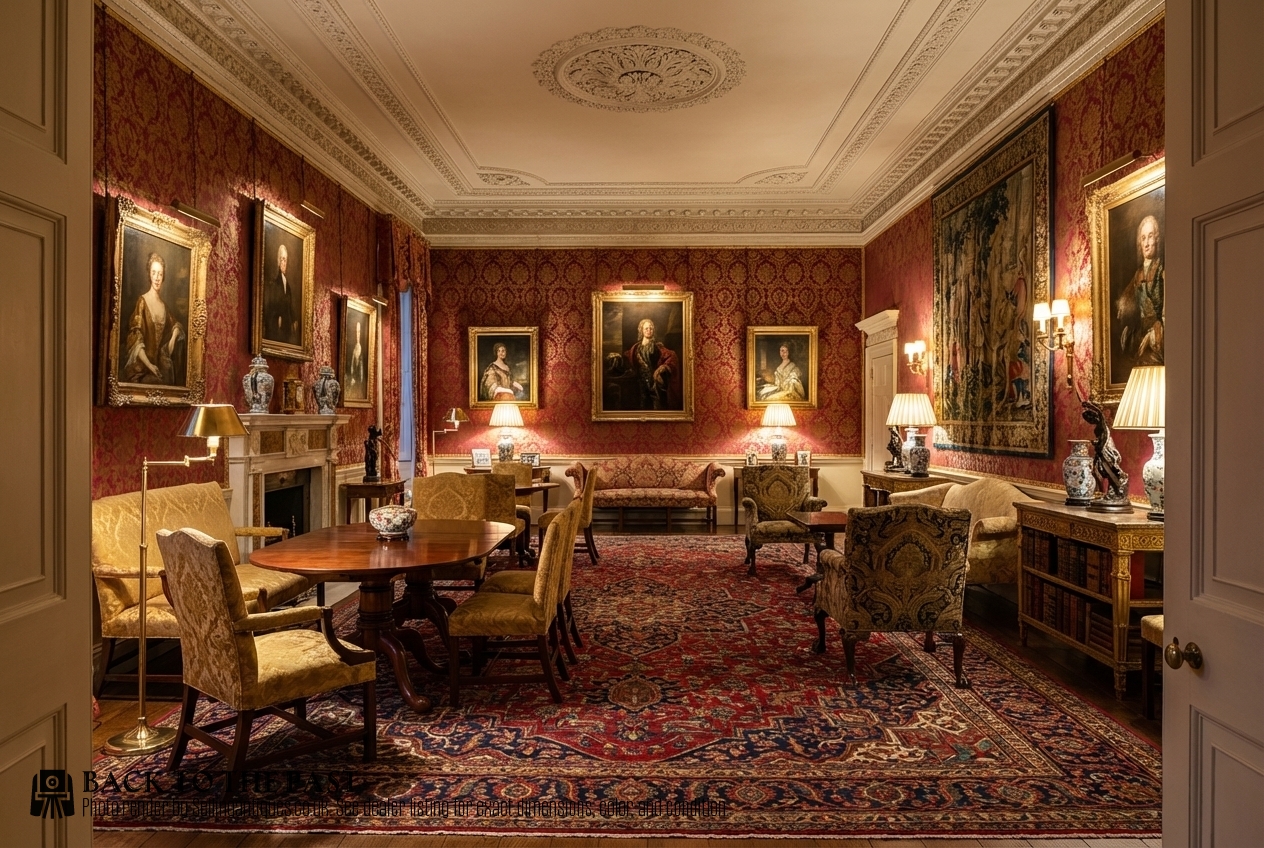
Georgian Pedestal Dining Table
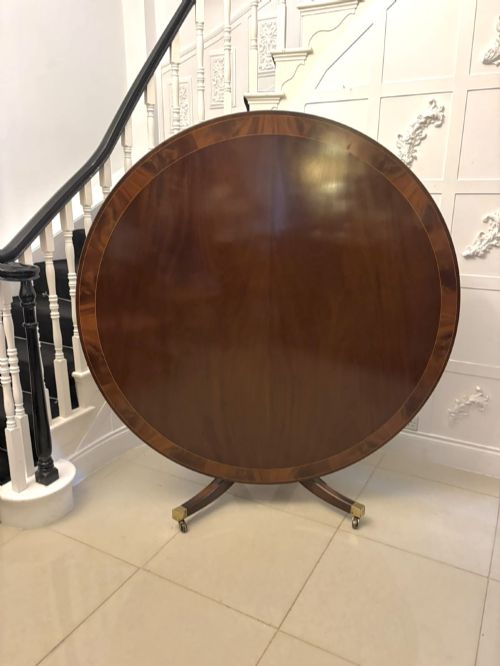
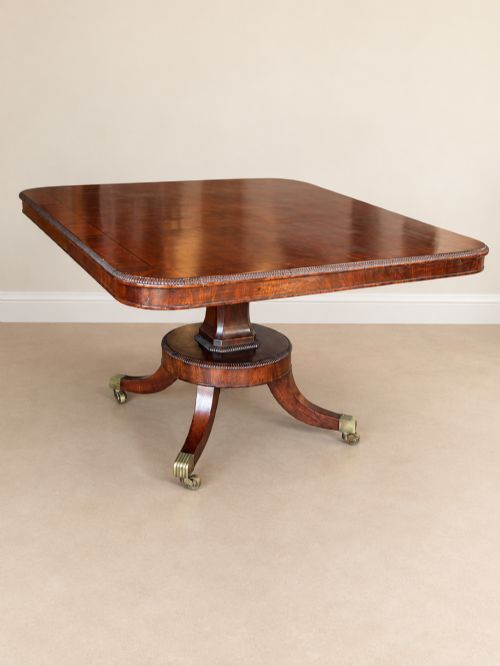
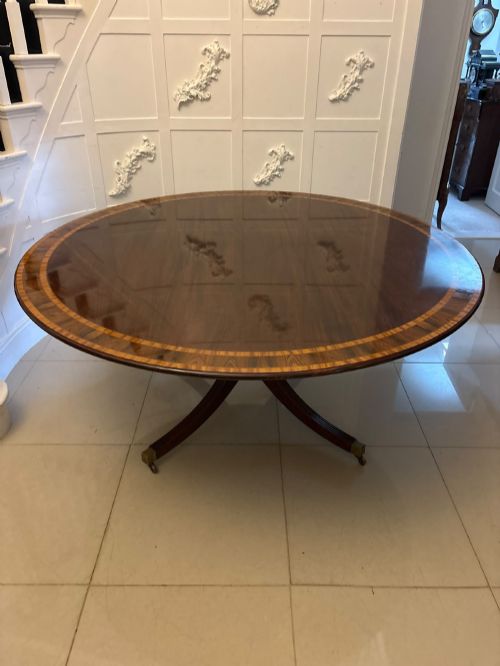
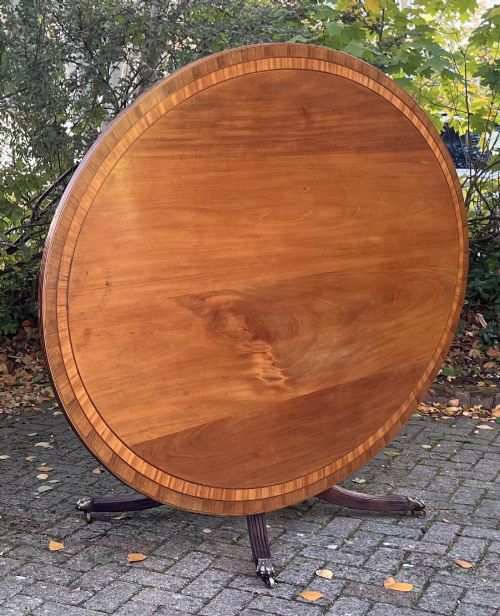
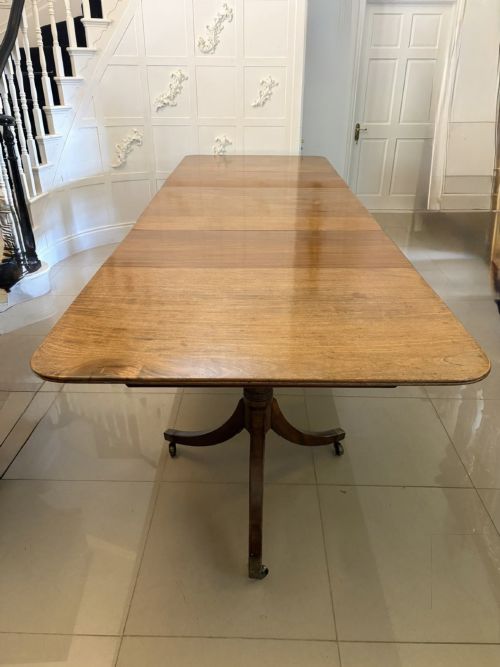
A georgian pedestal dining table is a dining piece featuring one, two, or three central pillars supporting a wooden top, designed for flexibility and ease of seating.
The selections on this page span the 18th century, the Regency period, and later revivals, bringing together twin-pillar and triple-pillar formats alongside smaller circular breakfast tables.
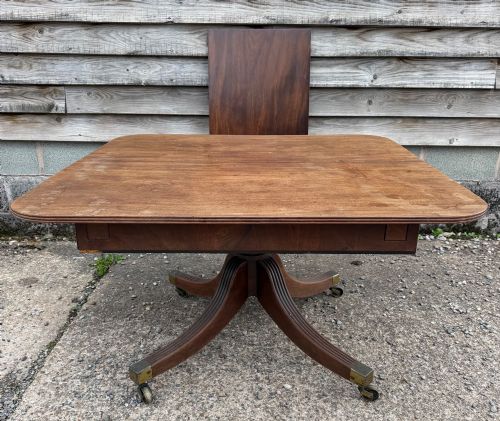
Buyers will most frequently encounter mahogany extending tables from the late 18th and early 19th centuries, often built with D-ends or extra leaves to adapt room layouts.
How They Were Made
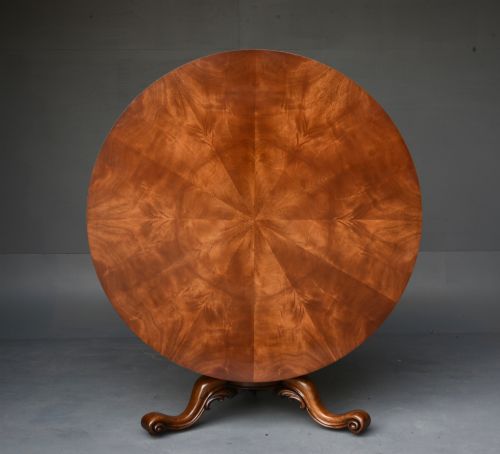
Cabinet makers relied primarily on solid mahogany and figured mahogany veneers, sometimes incorporating rosewood, burr elm, or walnut for circular breakfast tops.
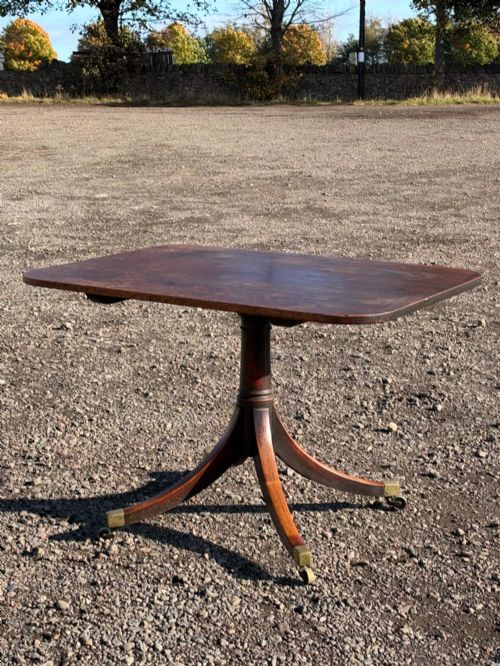
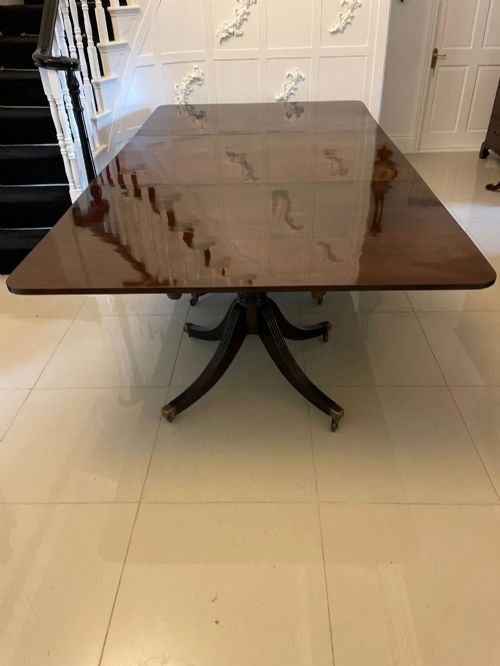
Pillars frequently terminate in brass castors or distinct feet, while extension mechanisms utilise drop leaves, pull-out rails, or removable middle sections supported by sturdy pedestals.
Georgian Pedestal Dining Table Retail Price Guide 2026
Typical asking prices for georgian pedestal dining table among the pieces listed under this phrase on Sellingantiques today, from the lower quarter to the upper quarter. They describe what is for sale here now, not the wider market.
Listings feature mahogany, rosewood, burr elm, and brass materials across Georgian, Regency, Victorian, and Edwardian periods.
What Varies in Quality
The grain configuration of the timber sets the baseline, with heavily figured mahogany or flame veneer commanding attention over plain boards.
Structural harmony dictates lasting value, seen in how cleanly the pedestals, brass fittings, and extension leaves lock together to preserve stability across varied seating capacities.
Thomas Butler·Gillows
The Georgian Pedestal Dining Table Glossary
- Pedestal
- A central vertical support, often column-shaped or pillar-like, carrying the weight of the table top. It allows diners more legroom than traditional four-legged tables.
- Twin-pillar
- A table construction utilising two separate pedestals to support a longer extending top. This configuration provides balanced stability when extra leaves are added.
- Tilt-top
- A mechanism allowing the table surface to pivot upright when not in use. This clever design saved space in period dining rooms.
- D-end
- A semi-circular table section resembling the letter D, often used at the ends of extending dining tables. Placed together, they form a rounded termination to the main body.
- Flame mahogany
- A veneer cut from timber fork joints that creates a distinctive flickering flame pattern. Cabinet makers used this on prominent surfaces to catch the light.
Georgian Pedestal Dining Table: Frequently Asked Questions
How many people can sit at a twin-pillar table?
Twin-pillar tables typically accommodate eight to twelve diners comfortably, depending on the inclusion of extra extension leaves. The central pedestals are positioned to avoid obstructing chair placement along the sides.
Shorter gatherings utilise the unextended form, while fully drawn configurations allow the table to stretch for larger dinner parties.
What is the difference between a breakfast table and a dining table?
Breakfast tables are traditionally smaller, often featuring a single tilt-top pillar designed for casual morning meals or secondary placement in reception rooms. Dining tables are built longer and heavier, engineered to handle multiple leaves and frequent family gatherings.
While both use pedestal supports, the dining variant prioritises extended length and robust stability.
How do extension leaves work on these tables?
Extending models generally use pull-out rails or drop-in leaves that rest between the divided ends of the top. The pillars glide apart on concealed mechanisms to keep the weight balanced evenly across the base.
Extra leaves can be added or removed individually to match the exact seating requirement of the day.
How do I identify a Regency period piece?
Regency pieces often display darker mahogany timbers, prominent brass castors, reeded pillar columns, and bold brass detailing. The influence of classical revival design shapes the clean lines and solid proportions.
Proportions lean towards architectural balance, reflecting the aesthetic preferences of the early nineteenth century.