


George III Breakfast Table
A george iii breakfast table is a versatile pedestal dining piece designed to tilt or stand ready for morning dining and social use.
George III Breakfast Table
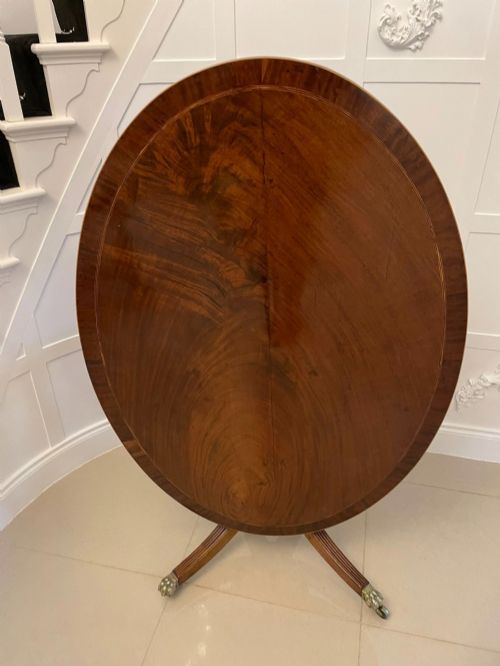
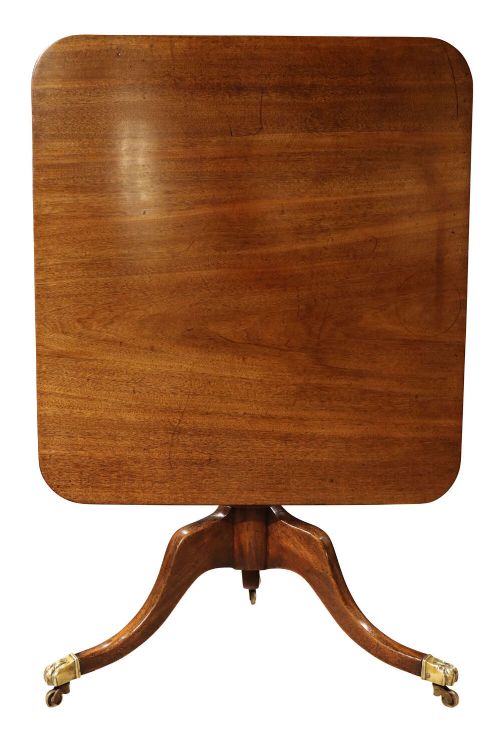
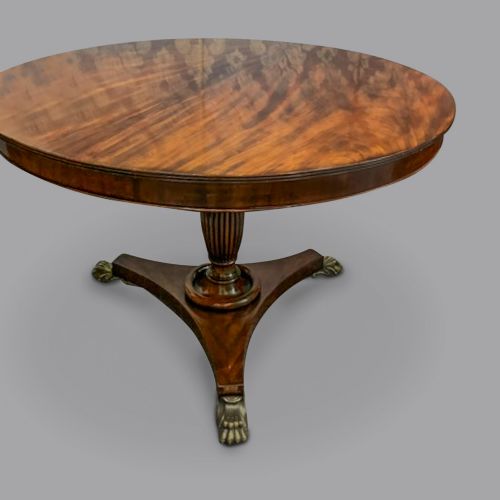
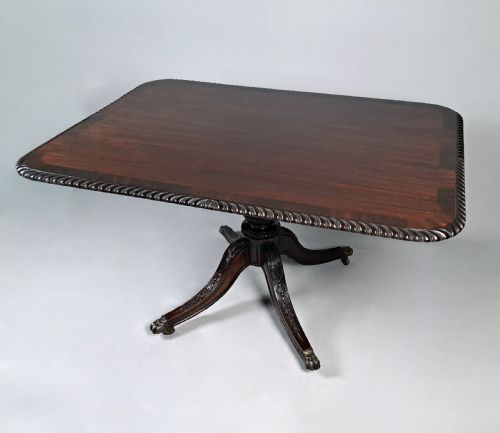
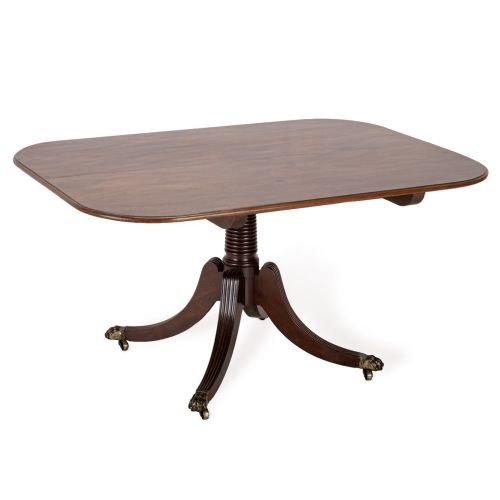
A george iii breakfast table provides a central pedestal support beneath a circular, oval, or rectangular top, often built with a tilt mechanism for storage against a wall when not in use. These tables belong to the Georgian era, spanning the late eighteenth and early nineteenth centuries.
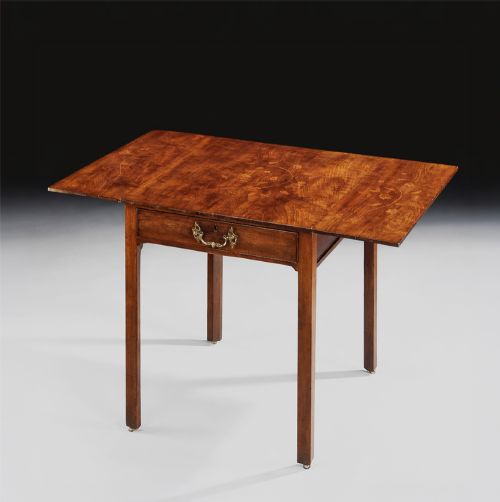
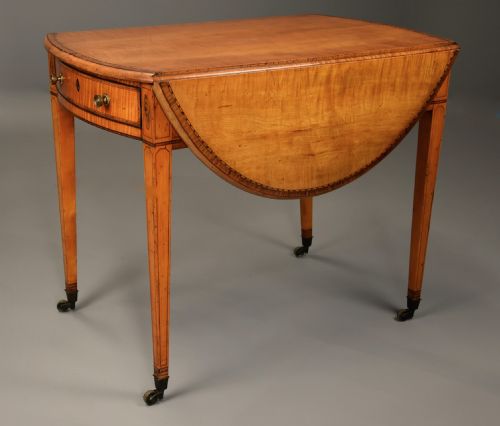
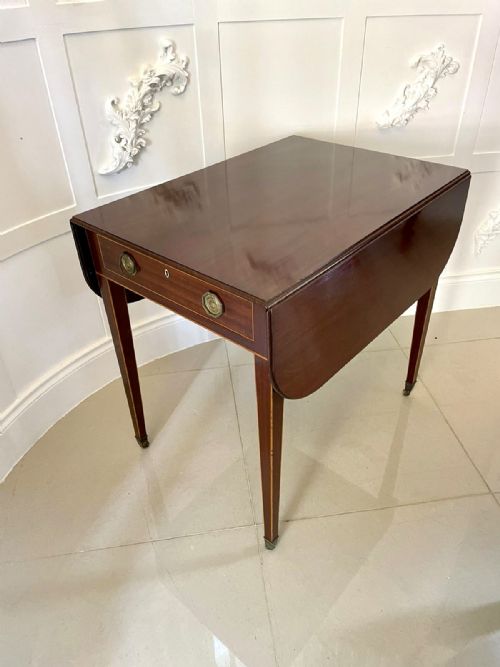
The versions most commonly met on this page are constructed from mahogany, sometimes utilising Cuban mahogany or figured grains, and occasionally incorporating satinwood or rosewood banding. Alongside dedicated breakfast tables, related forms such as Pembroke tables and centre tables appear frequently within the listings.
The scale ranges from intimate occasional pieces to large dining formats capable of seating six or more guests. The design reflects the domestic habits of the period, when multifunctional furniture allowed rooms to shift purpose between day and night.
Materials and construction
Cabinet makers relied primarily on solid and veneered mahogany, frequently selecting figured timber for the top to create visual depth. Crossbanding in contrasting timbers such as satinwood or rosewood frames the primary surface.
Pedestal supports typically branch into three or four splayed legs, often fitted with brass castors to permit movement across a room. Tilt-top mechanisms utilise brass or iron catches to secure the surface firmly to the pillar when lowered.
Several tables include tilt mechanisms that let you fold the top completely flat, proving that Georgian interior designers understood the modern studio apartment long before it existed.
Distinctions in quality
The selection of timber grain largely defines the distinction between standard examples and superior pieces, with highly figured mahogany, fiddleback sycamore, or intricate wood inlay commanding greater attention. The crispness of the carving on the pedestal base and legs further separates workshop output.
Structural integrity rests on the original movement of the tilt mechanism and the stability of the central pillar joint. Tables retaining their original castors and unwarped single-piece timber tops represent the higher tier of surviving examples.
Gillows·George Bullock·W. Trotter·James Mein
The George III Breakfast Table Glossary
- Tilt-top
- A hinged table top that pivots vertically to allow the piece to be stored against a wall when unoccupied. This mechanism was standard for saving space in Georgian dining rooms.
- Crossbanding
- A strip of veneer applied to the border of a table top with the grain running perpendicular to the main panel. It creates a defined visual frame around the central timber.
- Pembroke table
- A small occasional table with hinged drop leaves on two opposing sides. These pieces often include a single drawer and were easily moved about a parlour.
- Pedestal base
- A central column support rising from a set of branching feet rather than four distinct corner legs. This configuration allowed diners more legroom.
- Fiddleback
- A figure in timber grain displaying fine, undulating ripples resembling the back of a violin. It is most commonly found in maple or sycamore.
George III Breakfast Table: Frequently Asked Questions
What is a george iii breakfast table?
A george iii breakfast table is a pedestal dining table from the Georgian period, typically featuring a circular or oval top supported by a central pillar and splayed legs.
These pieces were designed for flexible dining and social use, often incorporating a tilt-top mechanism to save space when cleared.
How do I date a george iii breakfast table?
Dating relies on observing the timber choice, leg profile, and construction methods characteristic of the late eighteenth and early nineteenth centuries. Earlier examples often feature simpler mahogany pillars, while later variations introduce brass inlay or rosewood details.
Hardware such as original brass castors and fastening catches also provides reliable chronological clues.
Can I use a breakfast table for daily dining?
These tables function well for daily meals, provided the tilt mechanism remains stable and the surface is protected from heat and moisture. Their pedestal design offers the practical advantage of accommodating chairs without corner legs obstructing the seating.
Larger formats easily seat six or more guests for dinner.
What timber was used most often?
Mahogany serves as the dominant material across these pieces, frequently enhanced by figured grain patterns or Cuban mahogany selections. Cabinet makers also incorporated satinwood, rosewood, and sycamore for contrasting inlay work and borders.
Secondary woods like oak or pine often appear in the interior framing and drawer construction.