

Antique Georgian Dining Table
An antique georgian dining table brings solid timber grain and extendable multi-pillar engineering to family meals.
Antique Georgian Dining Table
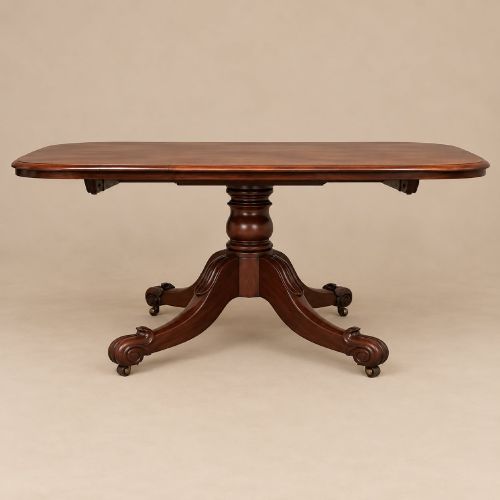
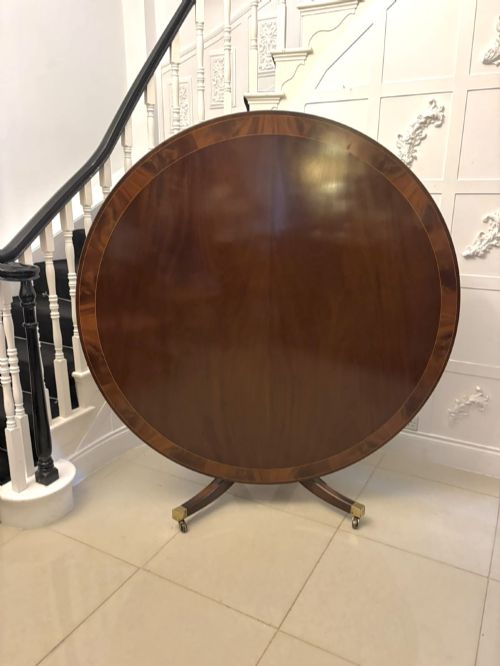
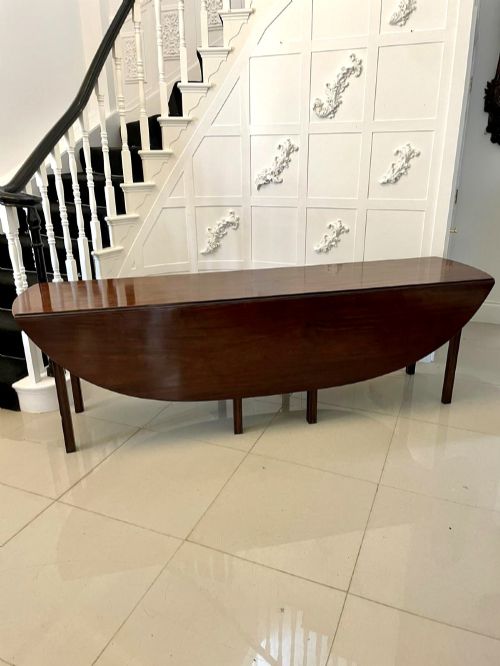
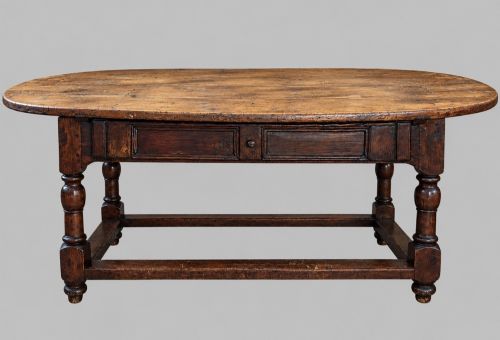
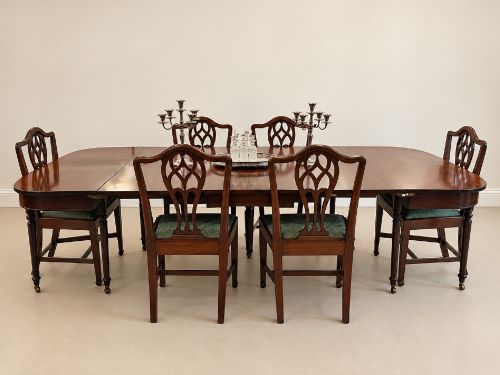
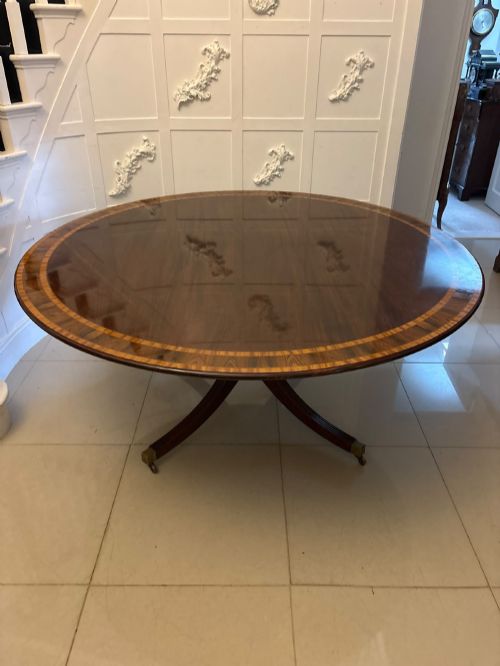
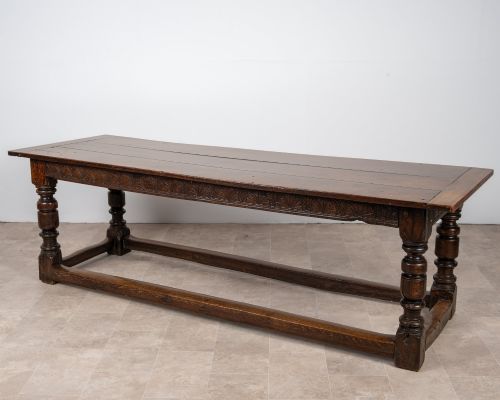
An antique georgian dining table stands as the focal point of formal and country dining rooms alike, spanning sturdy oak refectory boards to expansive mahogany multi-pillar designs. You will most frequently encounter mahogany examples featuring D-ends or pedestals intended to seat large gatherings.
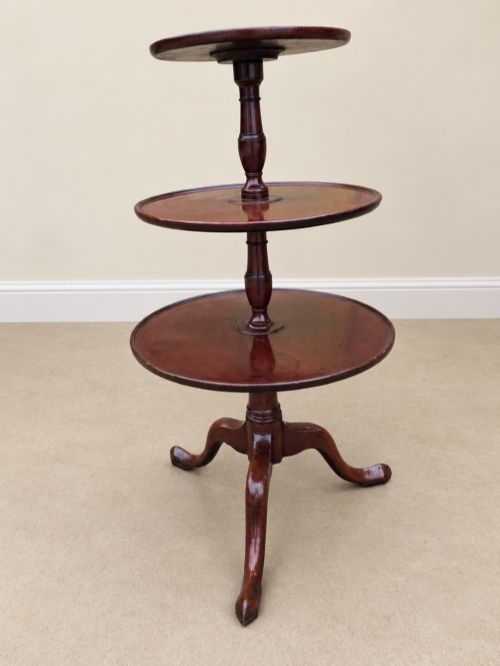
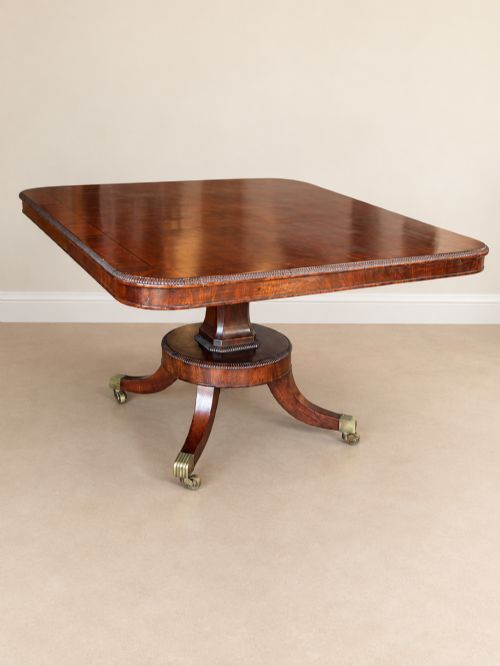
The category encompasses clever extending mechanisms, tilt-top breakfast tables, and drop-leaf variations designed to adapt room layouts. Craftsmanship from this era prioritises practical hospitality alongside formal elegance.
Origins stretch from English workshops to Irish houses and Swedish provincial farms, employing local hardwoods suited to daily domestic service. These surfaces carry centuries of social history within their polished timbers.
Materials and construction
Cabinet makers relied heavily upon dense tropical mahogany and native English oak, often incorporating elm, pine, and walnut for secondary framing or provincial farmhouse pieces. Timber selection balanced structural load-bearing strength with rich surface figuring.
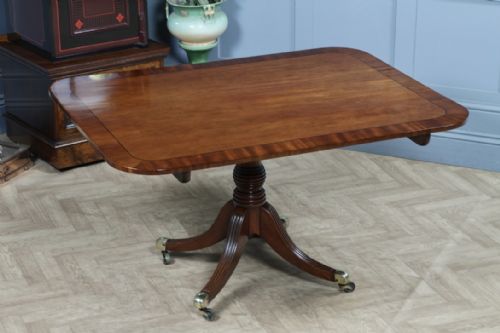
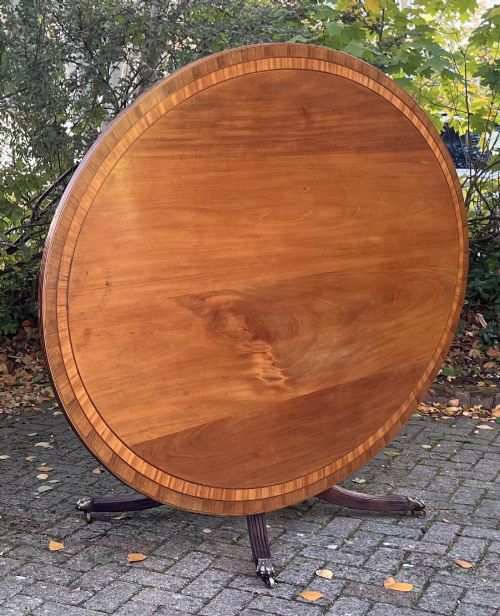
Veneers of flame mahogany, satinwood, and rosewood added decorative crossbanding to table margins, contrasting sharply against primary grains. Brass hardware, including castors, hinges, and gallery rails, secured functional joints while providing subtle metallic detail.
Joinery techniques utilised pegged mortise and tenon frames for refectory styles, alongside sophisticated rule joints for drop leaves and screw-threaded pillar mechanisms for later extending formats.
Antique Georgian Dining Table Retail Price Guide 2026
Typical asking prices for georgian dining table among the pieces listed under this phrase on Sellingantiques today, from the lower quarter to the upper quarter. They describe what is for sale here now, not the wider market.
Listings feature periods spanning the eighteenth century through to the Edwardian era, incorporating mahogany, oak, pine, and elm.
Markers of quality
The distinction between standard domestic furniture and masterwork pieces rests upon timber selection and the integration of secondary woods. Superior tables display continuous grain matching across leaf extensions and deeply figured flame mahogany veneers.
Structural integrity reveals itself in the weight and stability of pedestal bases or the hand-cut precision of underframe joints. Heavy brass claw castors and original rule joints indicate high workshop standards rather than later modifications.
Gillows
The Antique Georgian Dining Table Glossary
- D-End
- A table formation featuring semi-circular ends that detach or fold, allowing middle leaves to be inserted for extension. This configuration defined formal dining arrangements during the period.
- Crossbanding
- A decorative border of veneer laid perpendicular to the primary grain of the tabletop. It frames the central panel using contrasting timber colours.
- Refectory Table
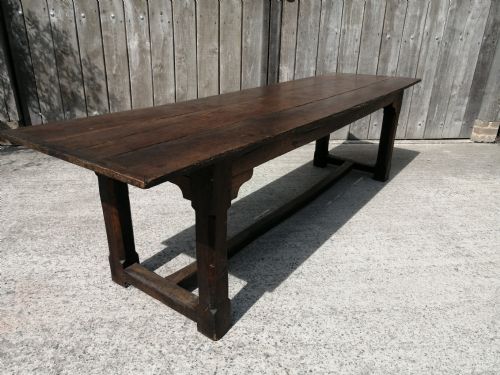
- A long, narrow communal dining board historically used in monastic or large domestic halls. They rely on heavy stretcher-supported timber legs for stability.
- Tilt-Top Table
- A pedestal table featuring a hinged mechanism that allows the top to fold vertically when not in use. This saved precious floor space in smaller chambers.
- Flame Mahogany
- A cut of timber displaying a distinctive flickering, flame-like grain pattern. Cabinet makers reserved this highly decorative veneer for prominent surfaces.
Antique Georgian Dining Table: Frequently Asked Questions
How do I seat more guests?
Many examples utilise drop-leaf designs or removable middle leaves supported by additional pillars to expand the surface area.
Pulling apart the D-ends reveals internal runner tracks where extra timber panels drop securely into place.
Are these tables suitable for daily use?
Hardwoods like mahogany and oak withstand regular family meals provided surfaces are protected from extreme moisture and heat.
Applying natural beeswax maintains the polished finish against everyday wear.
How do I tell an oak refectory table from a mahogany pedestal?
Oak refectory pieces originate from earlier centuries, displaying thick stretcher beams and pegged joints suited to rustic farmhouse interiors.
Mahogany pedestal versions emerged later, favouring polished central columns and brass-capped castors for formal dining rooms.