

Georgian Pedestal Breakfast Table
A georgian pedestal breakfast table is a dining piece that balances scale and agility, designed to tilt or stand ready for morning meals.
Georgian Pedestal Breakfast Table
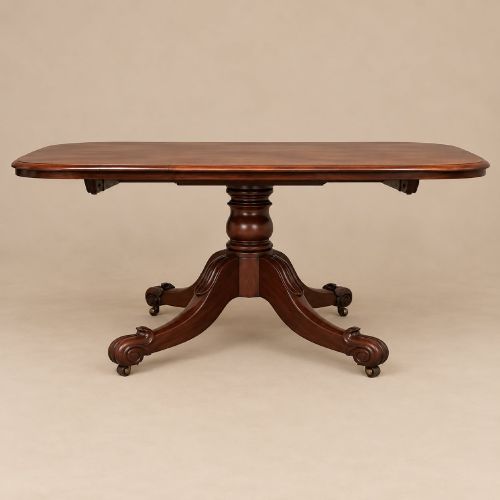
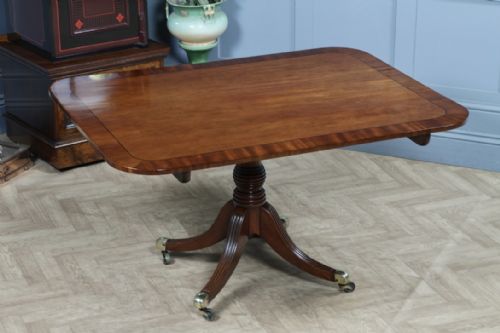
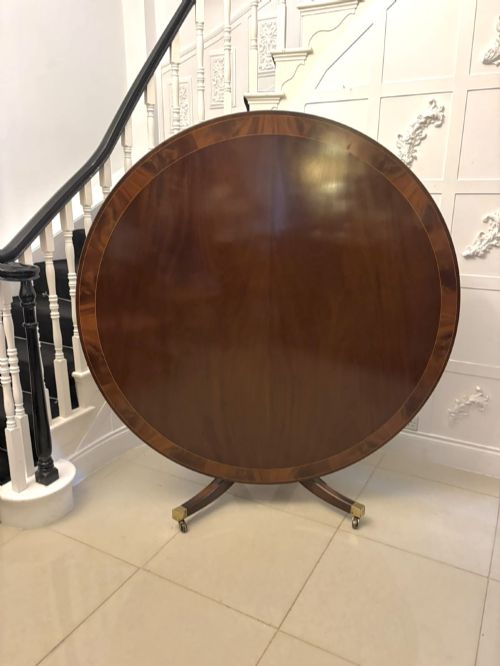
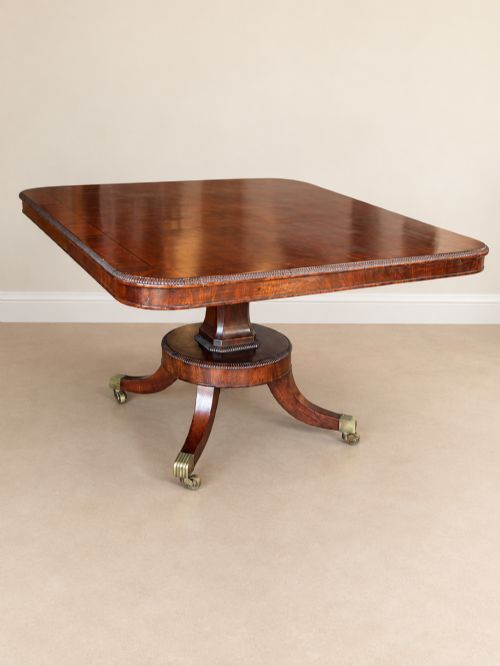
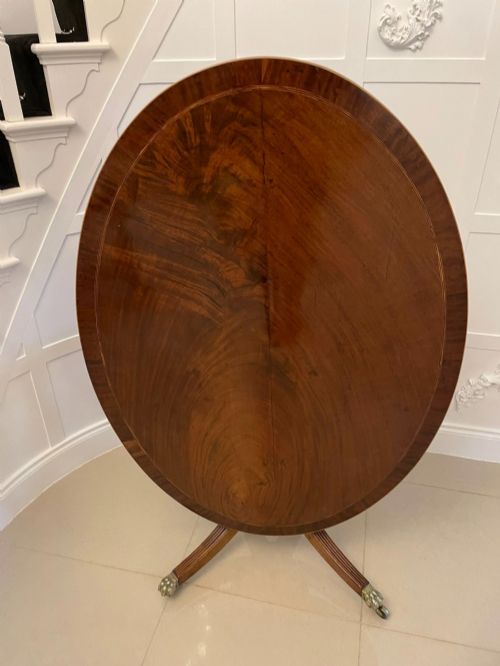
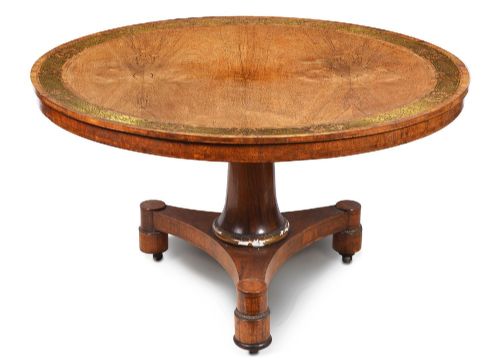
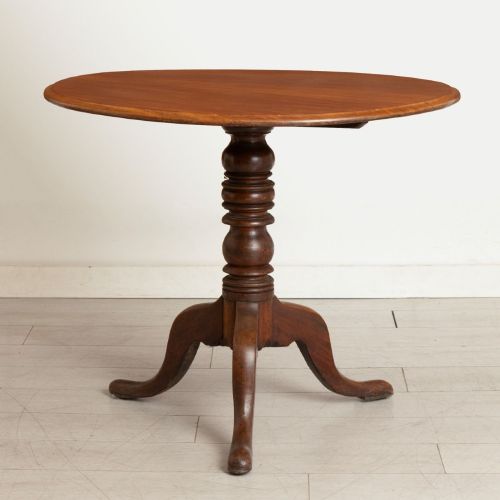
A georgian pedestal breakfast table sits on a central pillar, often with a tilt-top mechanism that allows the surface to fold away vertically when not in use. These pieces emerge from the late eighteenth and early nineteenth centuries, spanning the Georgian, Regency, and William IV eras.
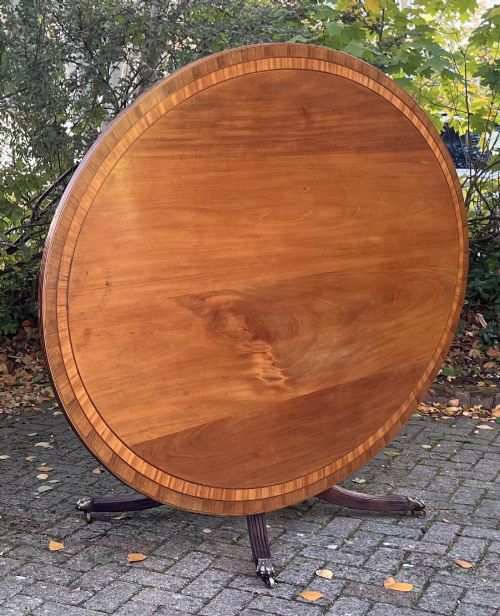
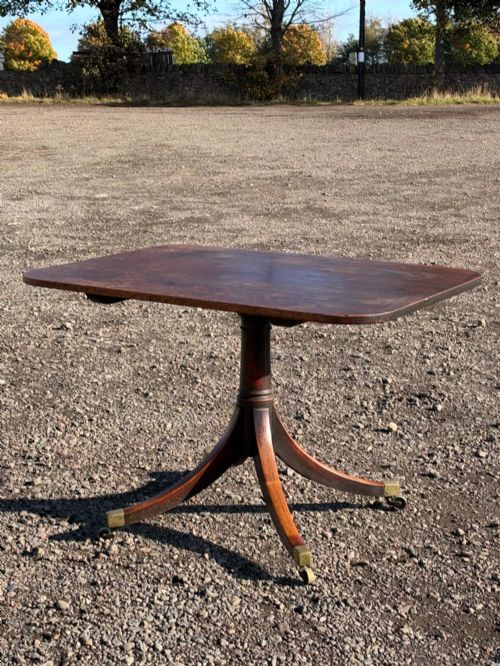
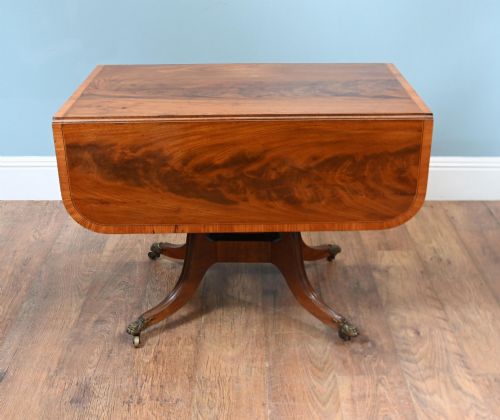
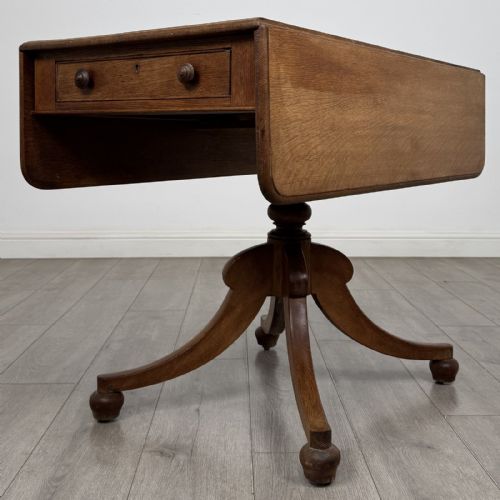
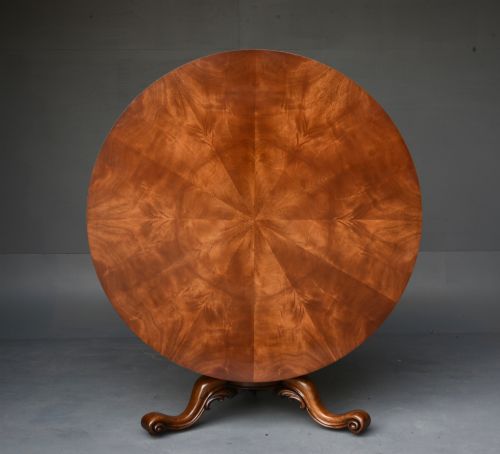
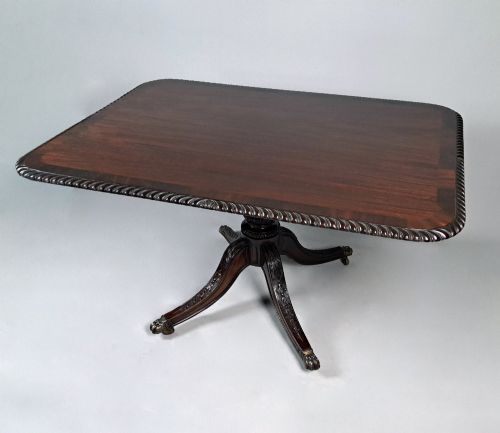
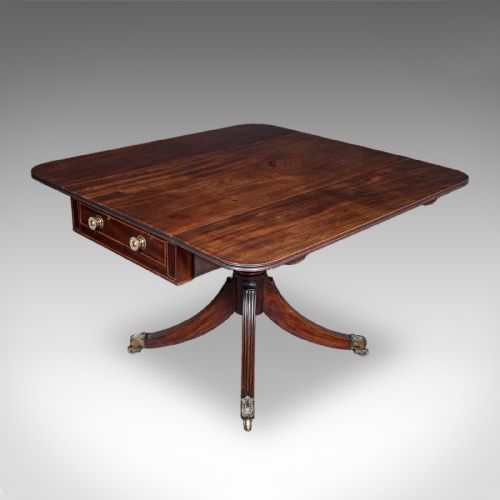
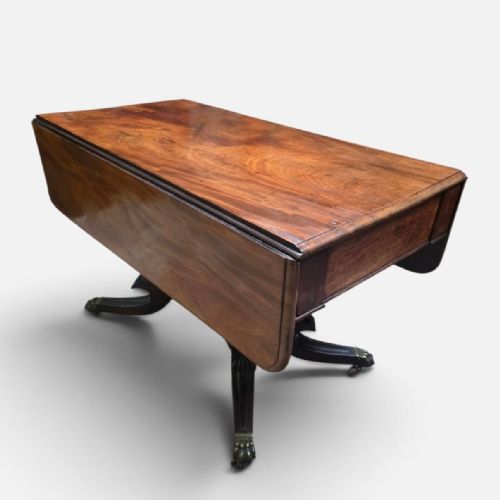
The prevalent forms on this page include round, oval, and rectangular tops supported by tripod or triform bases, sometimes featuring brass castors. Makers designed these tables to serve multiple functions in domestic interiors, operating as breakfast tables, centre tables, or occasional dining surfaces.
While many examples date to the golden age of cabinet making around eighteen hundred, later revival periods also appear. Buyers encounter both compact four-seater versions and larger six-seater variants designed for substantial rooms.
Materials and Technique
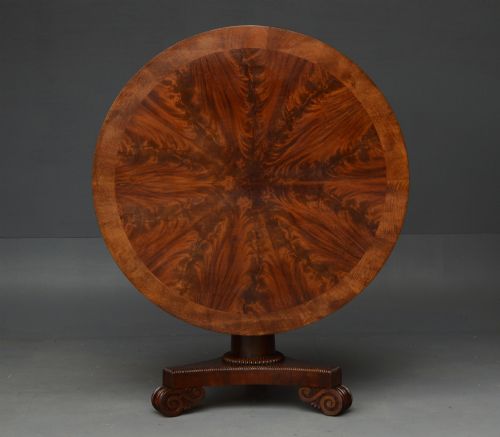
Cabinet makers relied primarily on mahogany, incorporating flame mahogany veneer, figured crossbanded borders, and occasionally rosewood, amboyna, or oak. Timber selection defined the visual weight, with rich grain patterns enhanced through careful polishing.
Structural integrity relied on the central pedestal column meeting sturdy sabre or tripod legs, often reinforced with brass inlays, ebony details, or brass castors. Tilt-top actions utilised robust wooden blocks and metal catches to secure the heavy top in position.
Georgian Pedestal Breakfast Table Retail Price Guide 2026
Typical asking prices for georgian pedestal breakfast table among the pieces listed under this phrase on Sellingantiques today, from the lower quarter to the upper quarter. They describe what is for sale here now, not the wider market.
Some tables double as impromptu dance floor boundaries when tilted upright.
Quality Indicators
The distinction between standard examples and superior pieces rests on the choice of timber figure, such as plum pudding mahogany or highly figured flame veneers. Master workshops invested extra care in book-matching grain patterns across the top and ensuring seamless crossbanding.
Proportion and stability dictate overall merit, where a well-balanced pedestal and smoothly operating tilt mechanism indicate high-grade construction. Finer pieces retain crisp carving on the pillar base and original brass work without structural sagging.
Gillows·Walker-Lancaster·James Mein
The Georgian Pedestal Breakfast Table Glossary
- Tilt-top
- A hinged tabletop mechanism that pivots ninety degrees for convenient storage against a wall.
- Crossbanding
- A border of veneer laid perpendicular to the main grain of the table surface to create a framed effect.
- Triform base
- A three-sided pedestal support system typically resting on three curved legs.
- Patina
- The surface sheen and colour depth developed by aged wood through decades of use and polishing.
- Sabre leg
- A concave sweeping leg shape resembling a cavalry sword, common on Regency pedestal tables.
Georgian Pedestal Breakfast Table: Frequently Asked Questions
How do I use a tilt top table?
Release the wooden catch or brass mechanism beneath the top to pivot the surface into a vertical position. This allows the table to stand compactly against a perimeter wall when the dining room requires open floor space.
Return the top to the horizontal position and secure the latch before placing any items on the surface. Ensure the mechanism locks firmly to prevent accidental movement during everyday use.
How many people can sit at these tables?
Standard round or oval versions comfortably accommodate four diners, while larger rectangular or extended circular formats seat six. The central pedestal design allows chairs to tuck neatly underneath without striking corner legs.
Consider the diameter of the top and the spread of the pedestal base when planning seating arrangements. Triform and tripod legs occasionally restrict where chairs can slide inward.
How do I tell Regency from Georgian pieces?
Georgian examples often display restrained classical proportions, rectilinear forms, and simpler mahogany grains. They originate from the eighteenth century under George III before the stylistic shift toward heavier classical revival.
Regency pieces tend to incorporate bolder brass inlay, rosewood, amboyna, and sabre legs reflecting a shift toward archaeological antiquity after eighteen hundred. Look to the leg profiles and secondary woods for clues to the exact decade.
How do I care for antique mahogany surfaces?
Maintain the timber by dusting regularly with a soft, dry cloth and applying natural beeswax sparingly to preserve the polished finish. Avoid placing tables near direct heat sources or strong sunlight to prevent timber shrinkage and fading.
Use protective mats under hot dishes and liquids to safeguard the antique polish and delicate veneer borders. Periodic gentle buffing keeps the natural grain and aged patina luminous.