


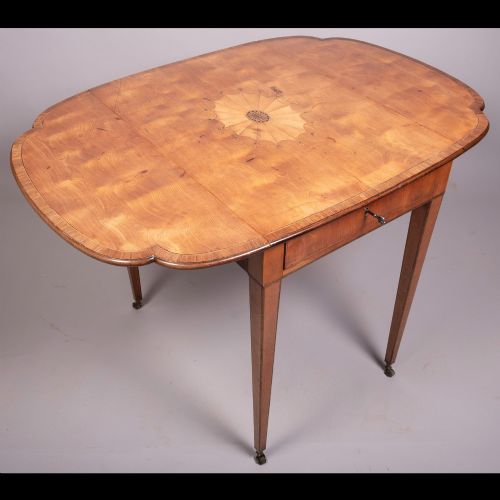
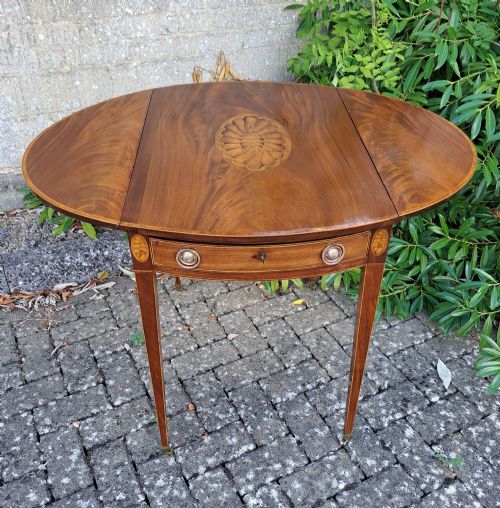
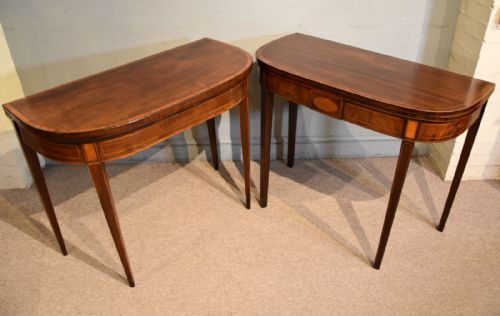
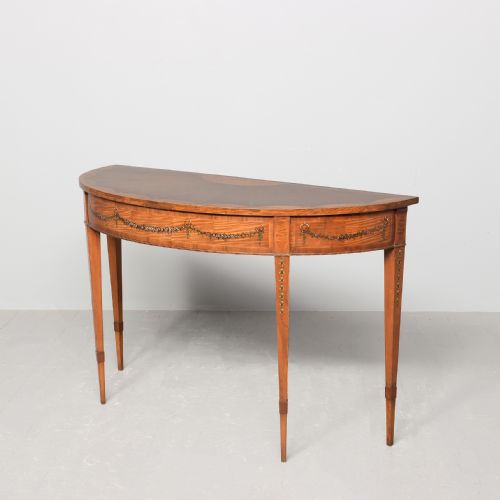
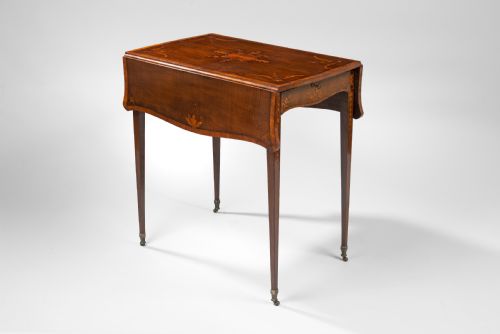
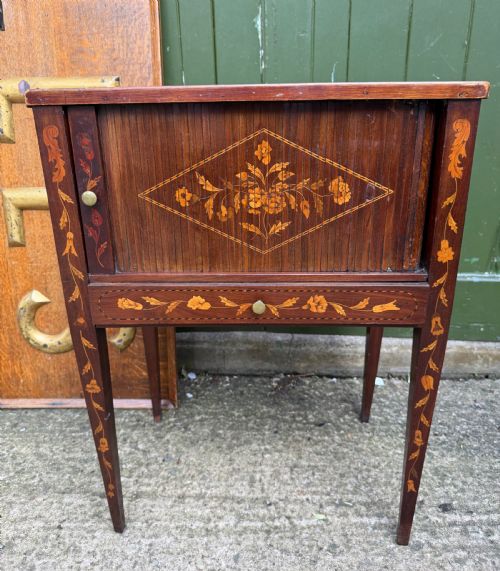
Georgian Marquetry Side Table
A georgian marquetry side table brings floral inlay, patterned wood and practical form together.
What a georgian marquetry side table is
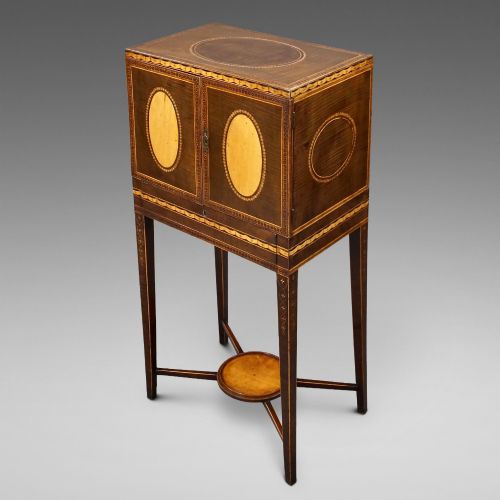
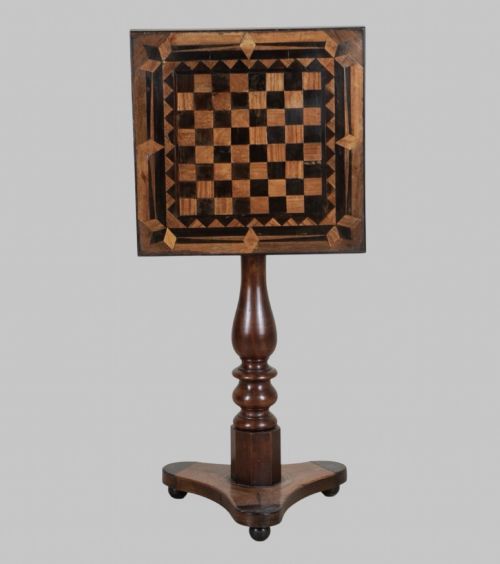
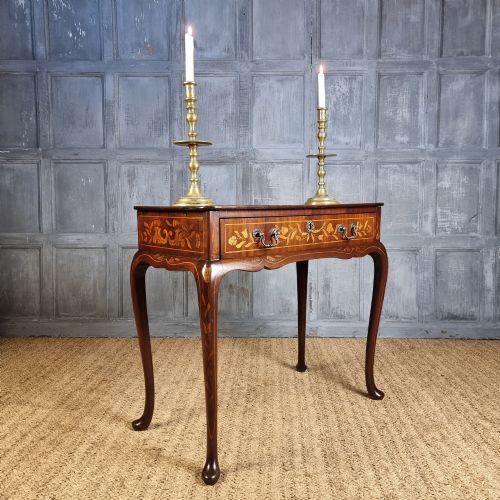
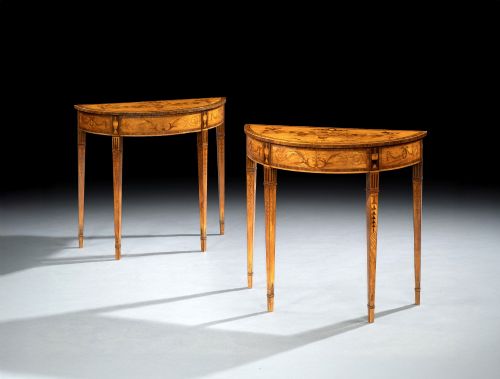
A georgian marquetry side table combines utilitarian surface space with intricate patterned timber work. Buyers examining this category encounter pieces from the eighteenth and nineteenth centuries, including items designated as George III, Dutch Georgian, and general Georgian.
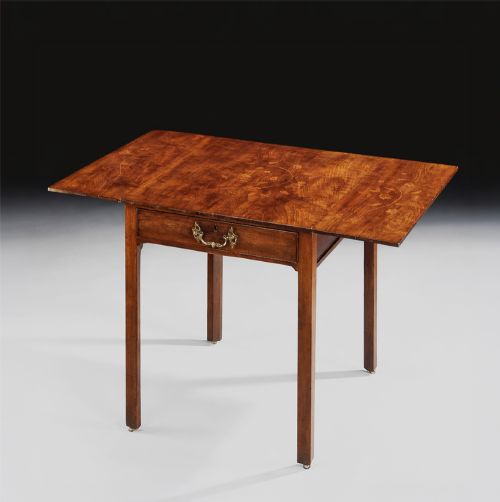
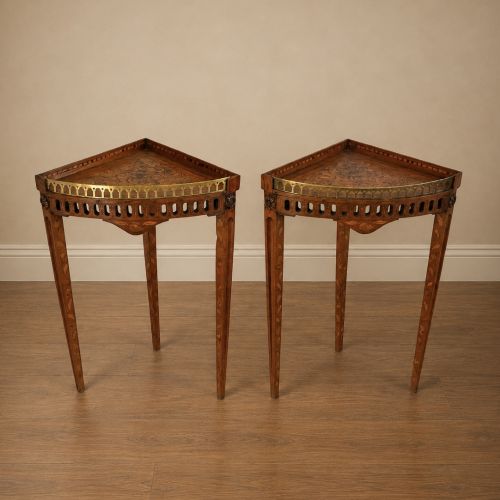
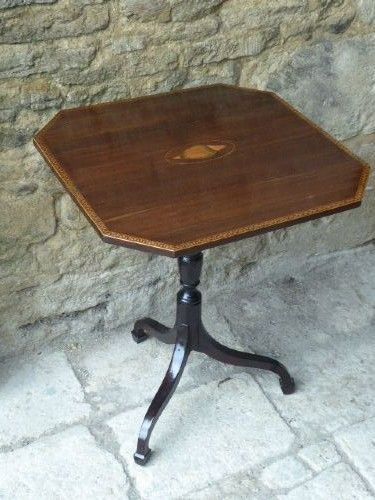
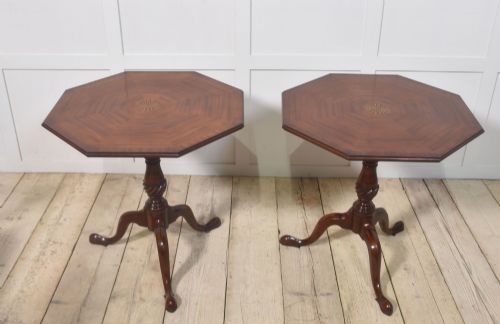
The surviving examples take several distinct forms across the listings and archives. These comprise occasional tables, candle stands, side tables, console tables, dumb waiters, tea tables, Pembroke tables, bedside tables, and lamp side occasional tables.
Materials span mahogany, walnut, satinwood, fruitwood, and boxwood. The decorative surfaces employ wood inlay and fruitwood marquetry to create floral and geometric patterns.
How they were made
Construction relies upon primary structural timbers such as mahogany and walnut, chosen for stability and strength. Secondary woods support internal framing, while specific surface elements utilise satinwood and boxwood for contrast.
Ornamentation is achieved through fruitwood marquetry and wood inlay. Craftsmen cut contrasting veneers by hand and fitted them into recessed channels or onto backing boards to form elaborate floral and geometric displays.
Retail Price Guide 2026
Typical UK retail prices for georgian marquetry side table, calculated from the Sellingantiques database of over a million retail prices indexed since 2003. This retail price guide relies exclusively on Sellingantiques data; no external sources or auction records are used, so the figures do not describe the wider market.
One tiny bedside table manages to pack in a tray top, mahogany, and marquetry all at once.
What varies in quality
The standard of a georgian marquetry side table rests upon the precision of the veneer cutting and the tightness of the joinery. Finer examples display seamless integration between the inlay and the ground timber, with minimal use of filler.
Material selection dictates the upper tier of the range, where figured mahogany, rich walnut, and bright satinwood meet balanced fruitwood marquetry. Lesser pieces rely on simpler construction and less ambitious decorative schemes.
Donald Ross
The Georgian Marquetry Side Table Glossary
- Marquetry
- Decorative veneer applied to furniture in patterns and pictures, using different coloured woods and other materials.
- Pembroke table
- A small table with hinged flaps on either side that can be raised to increase surface area.
- Dumb waiter
- A tiered stand or movable table used for holding food and tableware.
- Satinwood
- A hard, durable timber with a satin-like sheen, frequently utilised for fine eighteenth-century veneers.
Frequently Asked Questions
What is a georgian marquetry side table used for?
These tables served various domestic functions in eighteenth-century rooms, acting as surfaces for candles, tea service, or decorative displays.
Their compact forms allowed them to sit beside seating or against walls without dominating the room.
How do I identify a georgian marquetry side table?
Look for characteristic eighteenth-century furniture forms combined with contrasting wood inlay and floral marquetry panels.
Periods and styles noted in the evidence range across the eighteenth and nineteenth centuries, often associated with George III styling.
What woods were used in these tables?
Primary construction timbers include mahogany and walnut, which provide sturdy foundations for the decorative elements.
Fruitwood, satinwood, boxwood, and general wood inlay create the pictorial and geometric marquetry designs across the surfaces.
Where were these tables made?
The recorded pieces originate from British and Dutch workshops dating to the Georgian era.
Regional variations appear in the choice of secondary timbers and the specific character of the floral marquetry.