
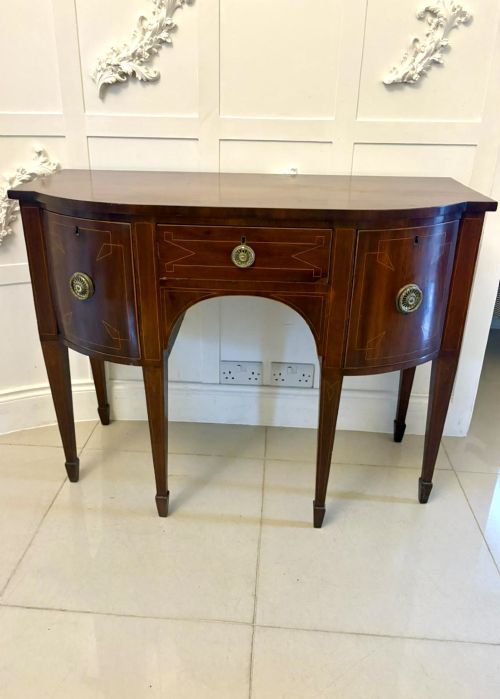
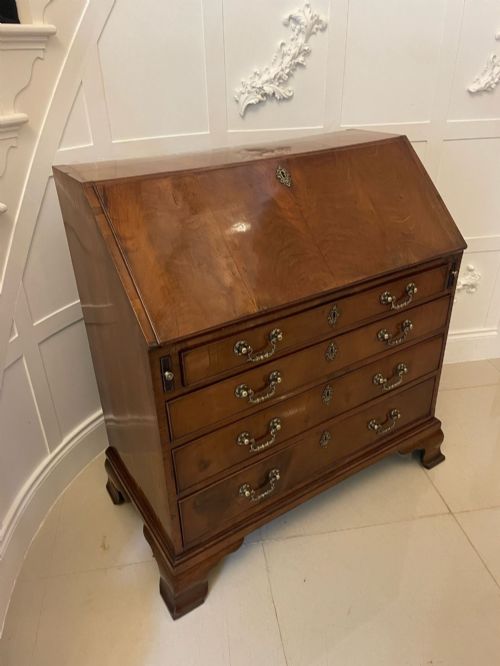
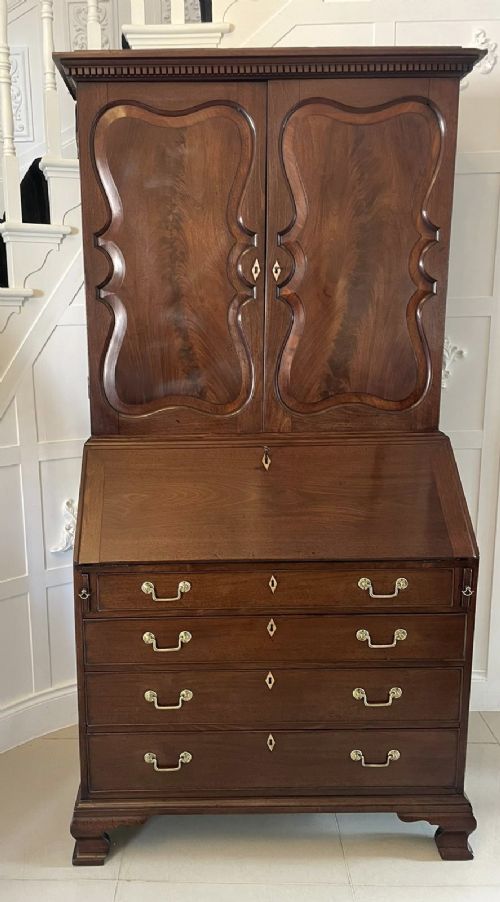
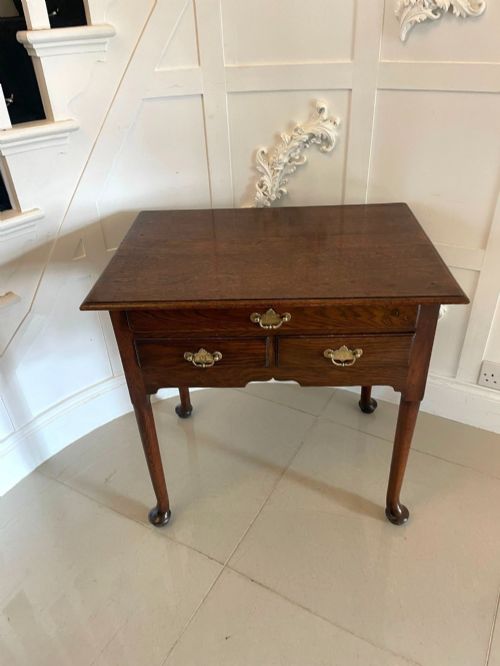

George I Desk
When you search for a george i desk, you encounter walnut and mahogany writing furniture shaped by early eighteenth-century proportions.
George I Desk
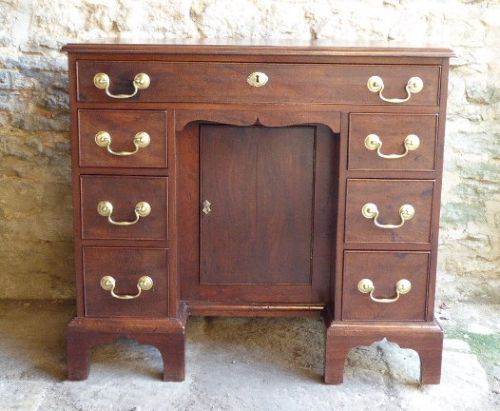
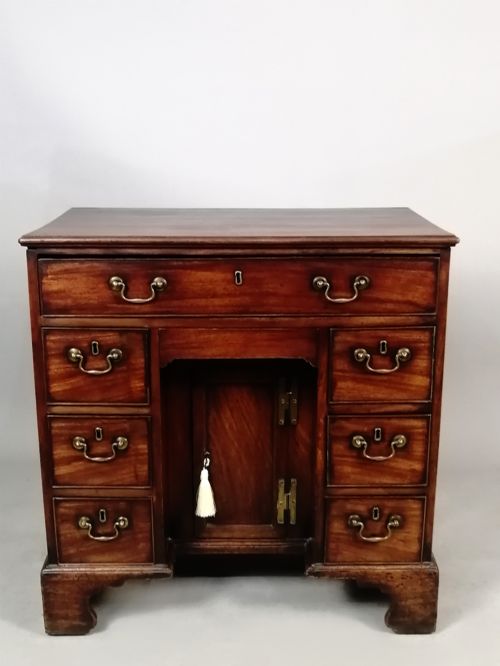
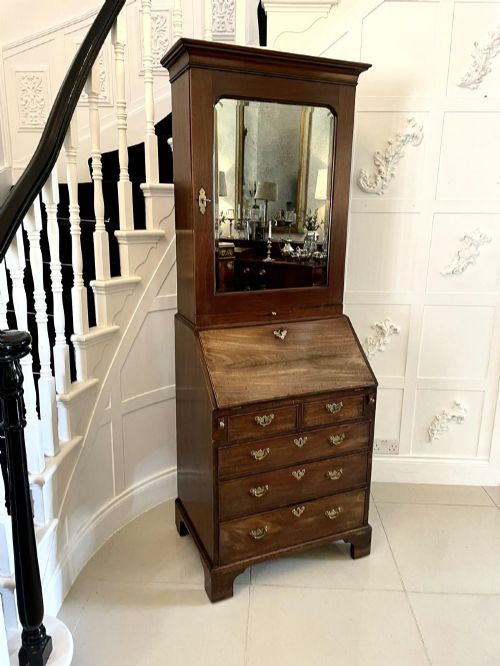
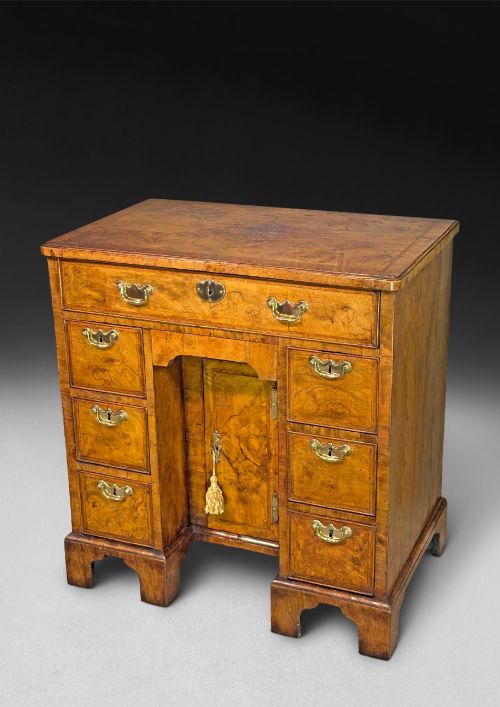
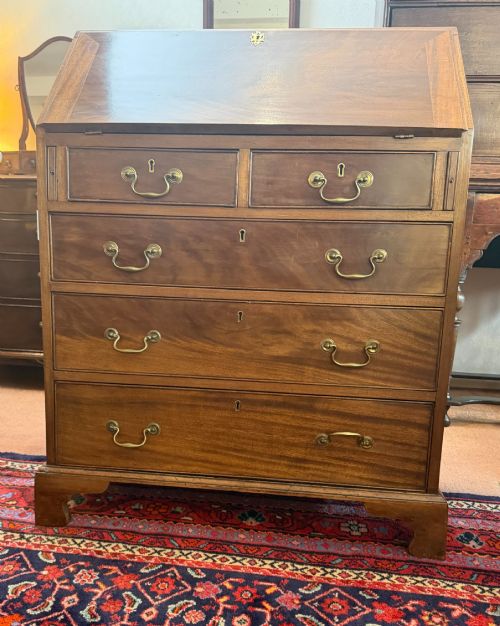
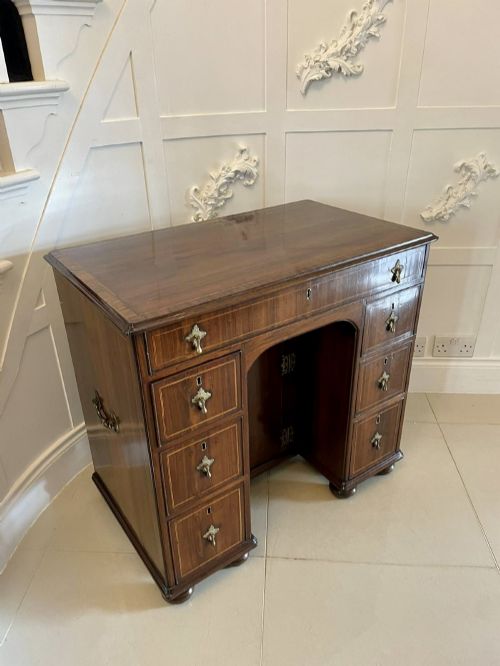
A george i desk brings early eighteenth-century cabinet-making into a room through compact kneehole forms and fall-front writing compartments. These pieces provide functional writing surfaces supported by banks of small drawers arranged around central kneehole recesses.
The versions met most frequently on this page span walnut timbers, featuring figured veneers and fitted interiors designed for correspondence and small documents. Surviving examples demonstrate the domestic scale characteristic of early Georgian chambers.
How they were made
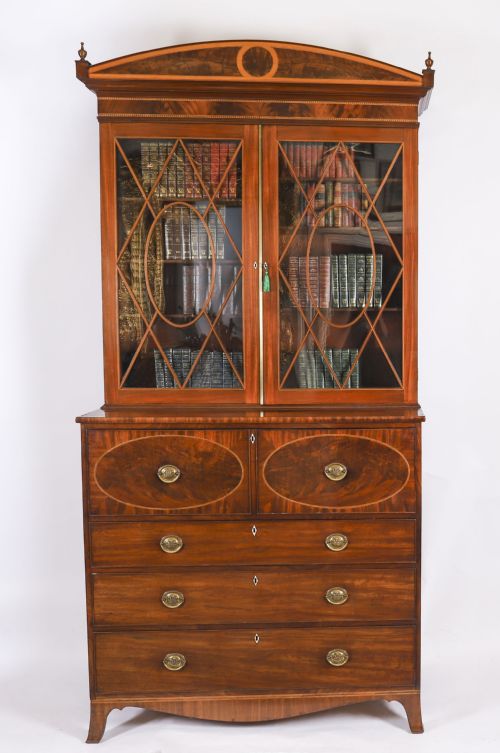
Cabinet-makers constructed these desks using solid oak and pine carcases faced with figured walnut or mahogany veneers, secured with brass handle hardware and escutcheons. Timber selection prioritized grain movement and colour depth, particularly in burr veneers applied to drawer fronts.
Internal partitions and small drawers relied on precise dovetail joinery, while writing heights accommodated seated correspondence using specialised framing. Secondary woods like oak appeared within drawer linings and internal dividers.
Early kneehole desks often conceal sliding wells behind central drawer units for hiding private correspondence.
What varies in quality
The standard of a george i desk rests upon the selection of timber veneers and the preservation of original drawer furniture and brasses. Grain alignment across drawer fronts separates master cabinet-making from simpler workshop production.
Proportion and foot design define the structural hierarchy, distinguishing restrained bracket feet or shaped bracket supports from later replacements. The integrity of internal fittings, such as sliding wells and secret compartments, determines overall preservation.
George Oakley·George Bartholomew and Co
The George I Desk Glossary
- Kneehole desk
- A compact pedestal desk featuring a central recessed space flanked by narrow banks of drawers.
- Burr walnut
- A decorative timber veneer taken from walnut tree growths, prized for its swirling grain patterns.
- Dovetail
- A traditional interlocking joint utilised in drawer construction to ensure tensile strength.
- Escutcheon
- A protective brass plate surrounding a keyhole, often shaped to complement drawer pulls.
- Bracket foot
- A corner foot shape supporting case furniture, cut from a single piece of timber in early Georgian designs.
George I Desk: Frequently Asked Questions
What defines a george i desk?
A george i desk is a compact writing table, typically featuring a kneehole configuration with a central recessed cupboard flanked by small drawers. These pieces date from the early eighteenth century and emphasise figured walnut veneers.
The form prioritizes domestic utility and balanced proportions, distinguishing it from the larger partners desks of later periods.
How do I spot original brasses?
Original brass handles and escutcheons leave distinct ghost impressions on the wood surface and match the oxidation patterns of the surrounding timber. Their fixing pins align with historical piercing techniques specific to early Georgian cabinet-making.
Replacement hardware often disturbs the surrounding grain or utilises incorrect screw threads for the period.
Where were these desks placed?
These pieces sat within private withdrawing rooms, libraries, and bedchambers for personal correspondence and estate management. Their modest footprint allowed placement against panelled walls without dominating smaller interior spaces.
The finished backs found on certain examples indicate placement away from walls within larger chamber layouts.
How do I care for walnut surfaces?
Walnut surfaces require stable indoor humidity and protection from direct sunlight to prevent veneer lifting and timber fading. Regular application of traditional beeswax maintains the moisture and sheen of the original finish.
Harsh chemical cleaners strip historical patina and soften the underlying timber grain.