


George I Walnut Desk
When you search for a george i walnut desk, you are looking at early eighteenth-century timber work designed for correspondence and private accounts.
George I Walnut Desk
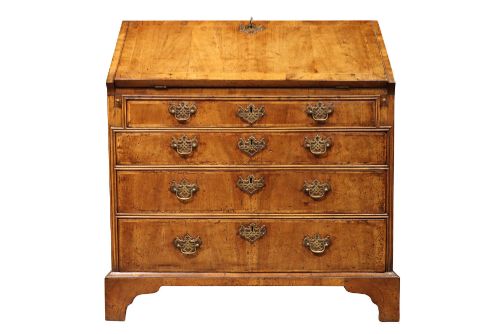
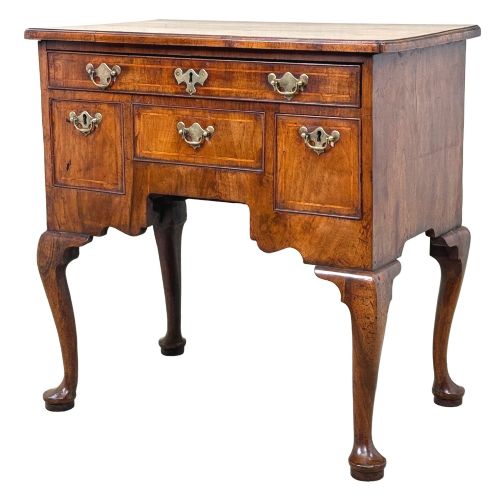
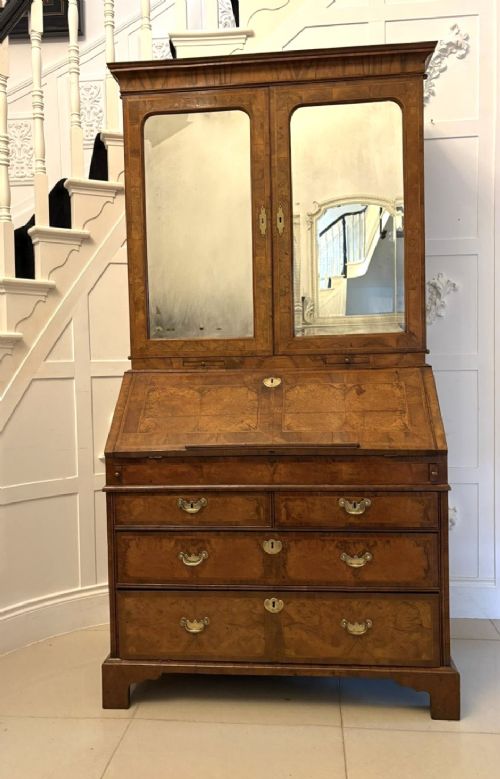
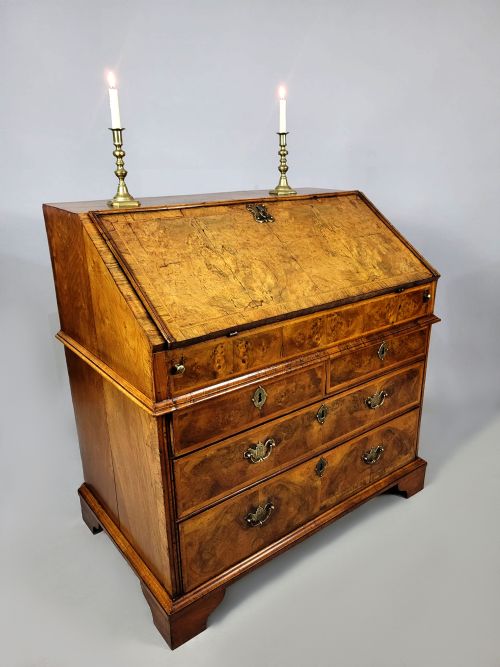
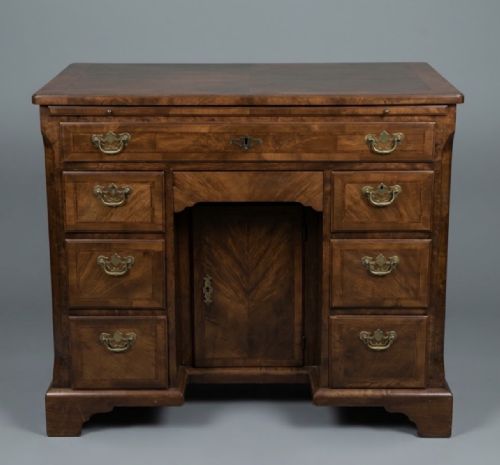
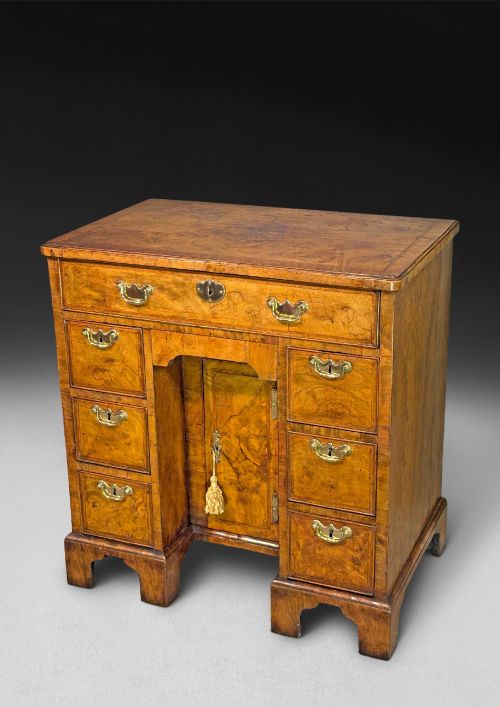
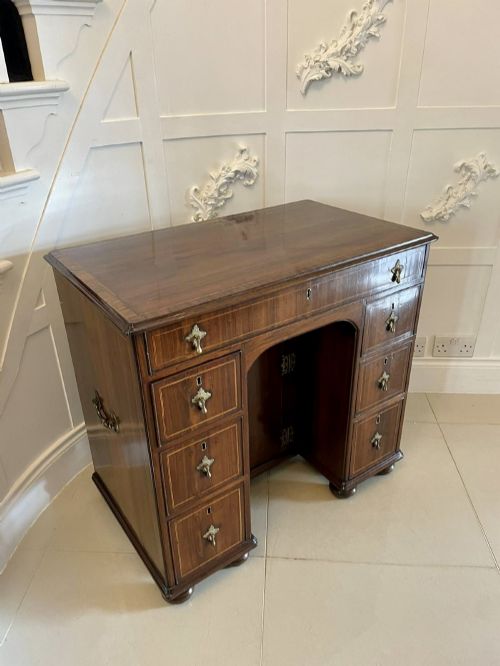
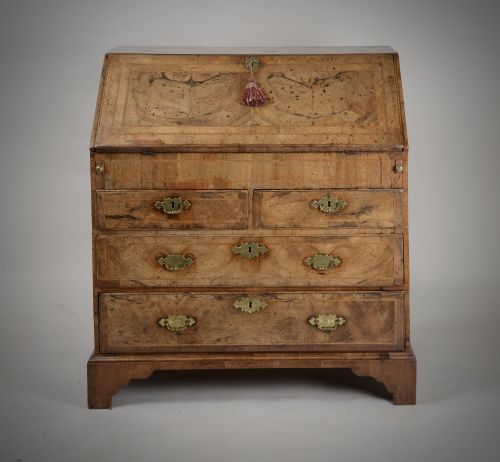
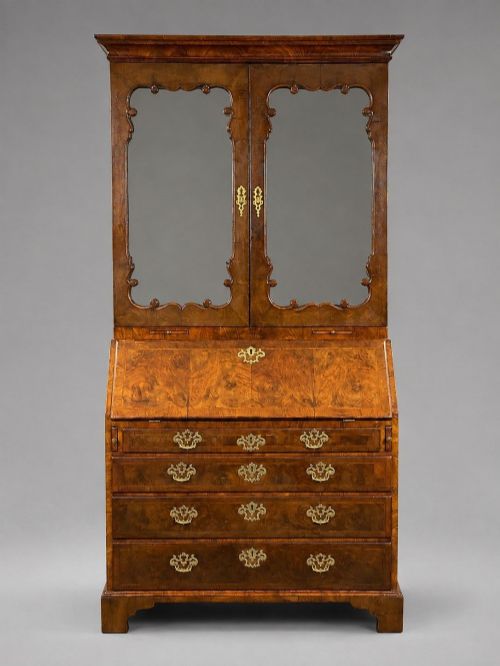
A george i walnut desk encompasses kneehole forms, bureaux and bureau bookcases dating primarily from the eighteenth century alongside later revival pieces. The kneehole versions provide a central recessed cupboard flanked by small drawers, while bureau forms feature a sloping fall-front opening to reveal fitted interiors.
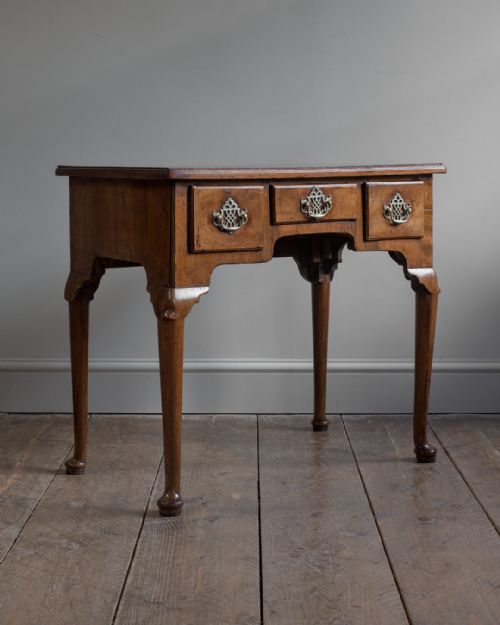
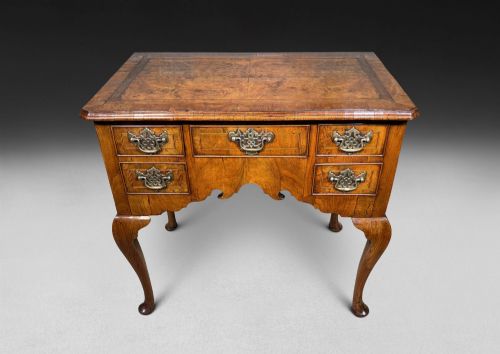
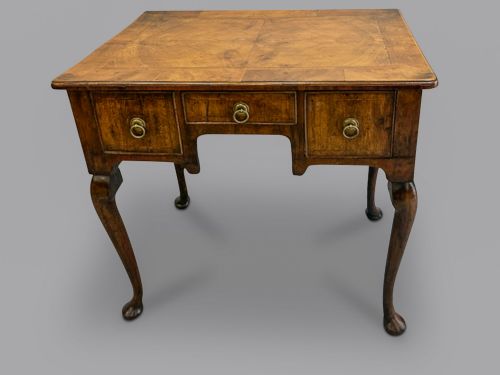
Most examples encountered here originate from the Georgian period, executed in figured, burr or fiddleback varieties of walnut. Makers constructed these items with oak carcases and drawer linings, deploying brass handles and escutcheons as primary metal furniture.
Alongside genuine period pieces, the selection includes later nineteenth-century revival interpretations built in the George I and George II styles. These later iterations mirror the proportions and decorative banding of their early precursors using similar cabinet timbers.
What varies in quality
The choice of timber grain dictates much of the visual distinction, with densely patterned burr or figured walnut sitting at the upper end of cabinet work. Selection of matching veneer panels across drawer fronts demonstrates deliberate planning by the maker.
The intricacy of internal pigeonholes, secret compartments and sliding candle stands within bureau sections separates standard utilitarian furniture from superior commissions. Preservation of original brass hardware and untouched surface patination further distinguishes the finest survivals.
George I Walnut Desk Retail Price Guide 2026
Typical asking prices for george i walnut desk among the pieces listed under this phrase on Sellingantiques today, from the lower quarter to the upper quarter. They describe what is for sale here now, not the wider market.
Secret compartments hidden behind sliding pigeonholes allowed Georgian writers to stash confidential notes away from prying household staff.
Mappin and Webb
The George I Walnut Desk Glossary
- Burr walnut
- A prized timber harvested from tree growths that produces intricate, swirling grain patterns. Cabinet makers prized this wood for decorative veneering on prominent desk surfaces.
- Feather banding
- Narrow strips of veneer cut diagonally from the grain and laid in a herringbone V-shape around drawer edges. This technique framed the primary walnut panels.
- Kneehole desk
- A compact writing table featuring a central recess for the user's legs, flanked by pedestals of small drawers. This form became popular during the early eighteenth century.
- Fall-front
- A hinged writing flap that drops down to a horizontal position supported by lopers or hinges. It provides a flat surface for writing and conceals interior compartments when closed.
- Carcase
- The primary structural wooden framework of a desk or cabinet before drawers, doors and decorative veneers are applied. Oak served as the standard timber for these internal structures.
George I Walnut Desk: Frequently Asked Questions
What is a kneehole desk?
A kneehole desk is a compact writing table with a central recessed opening beneath the top surface, flanked by stacked banks of small drawers. They offer dedicated storage for writing materials while maintaining a manageable footprint for domestic rooms.
Most surviving examples date from the Georgian period and utilise figured walnut veneers over oak carcases. Their smaller scale makes them adaptable for placement in studies or reception rooms.
Where should I place a walnut desk?
Walnut desks require stable indoor environments away from direct sunlight and sudden temperature shifts to protect their historical veneers. Placing them in rooms with controlled humidity prevents the timber from shrinking or cracking.
Because many feature finished backs or refined proportions, they function well freestanding or against interior walls. Regular dusting with a dry cloth maintains the polished surface patination.
What is burr walnut?
Burr walnut is a decorative wood derived from excrescences on walnut trees, yielding dense, turbulent grain patterns full of swirling eyes. Cabinet makers sliced this timber into thin veneers to adorn the primary display surfaces of high-status desks.
Due to its irregular growth, burr walnut was difficult to work and was reserved for principal façades and bureau falls. It provides exceptional visual depth compared to straight-grained timber.