
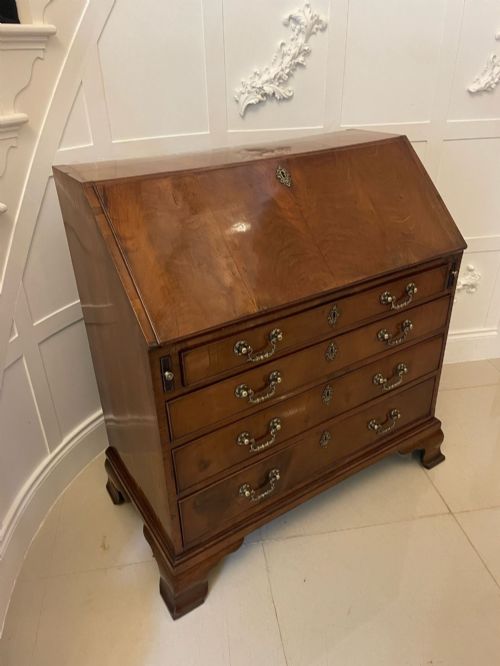
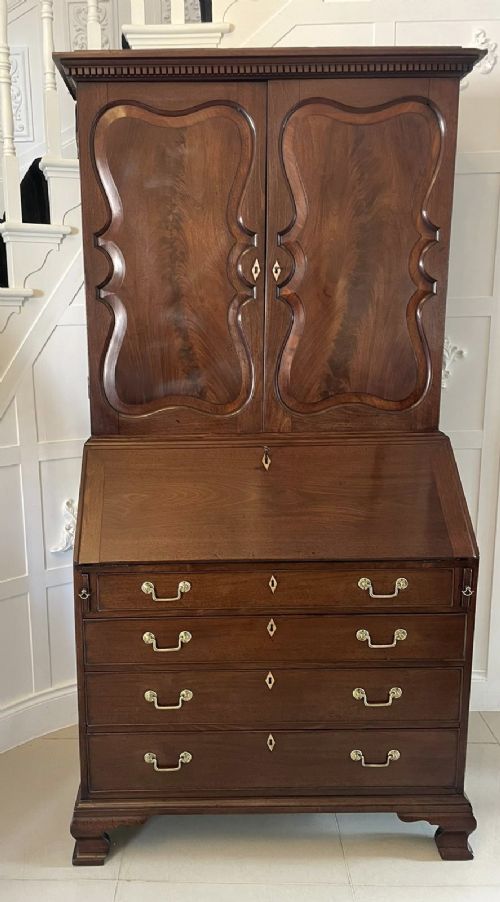
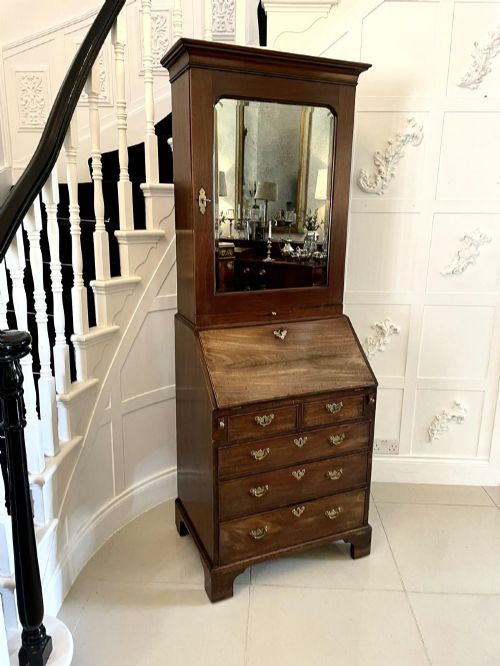
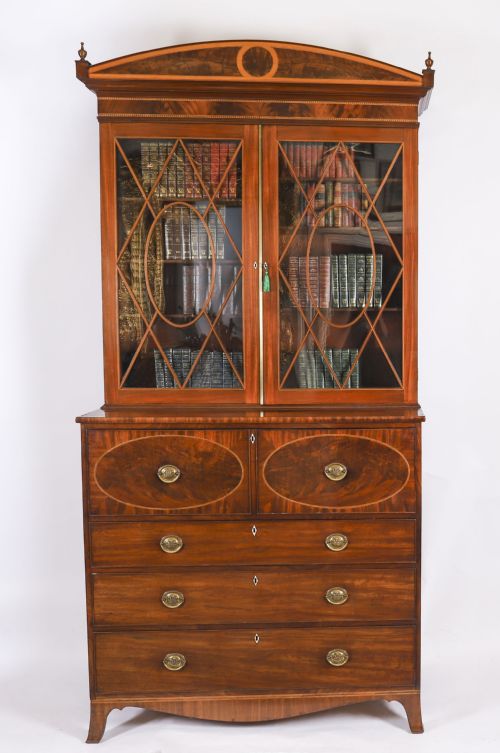
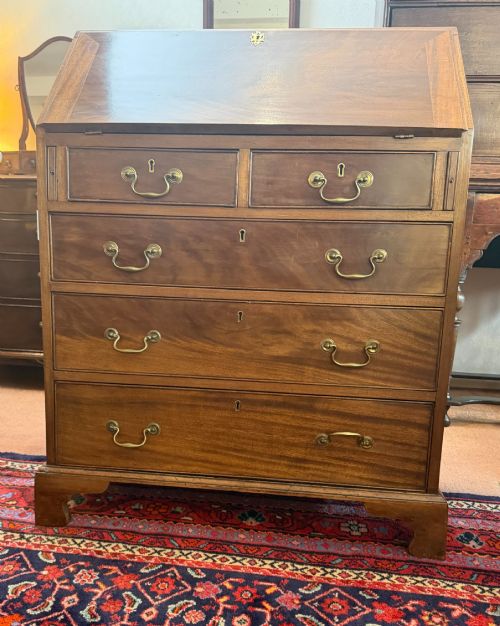
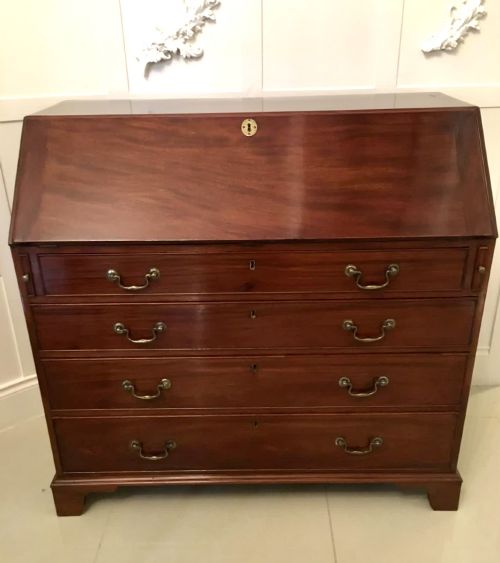
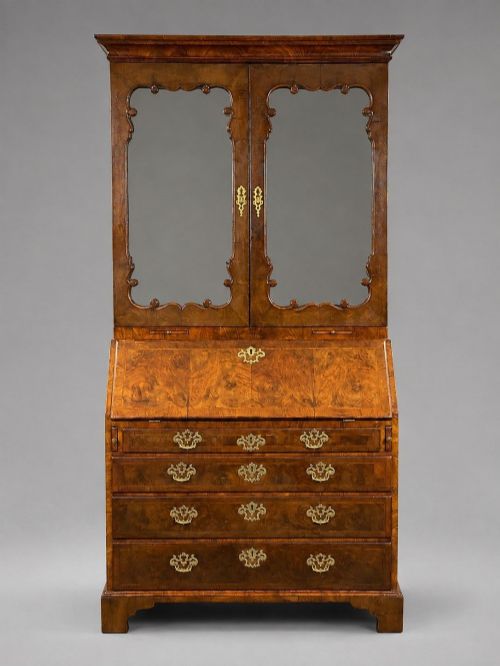
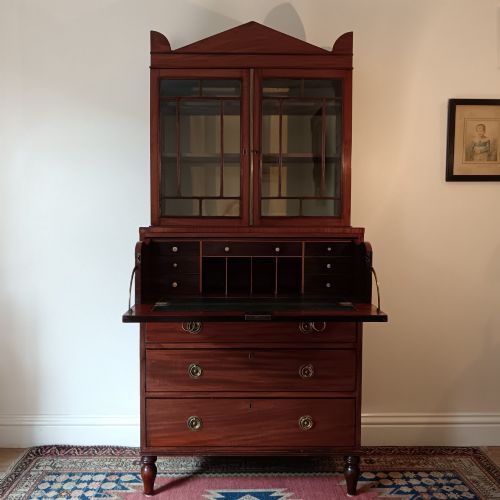
George I Bureau Cabinet
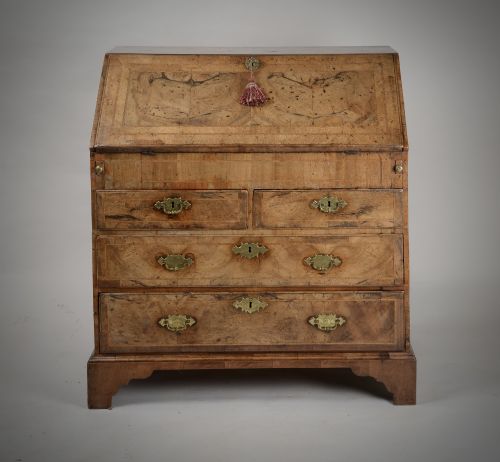
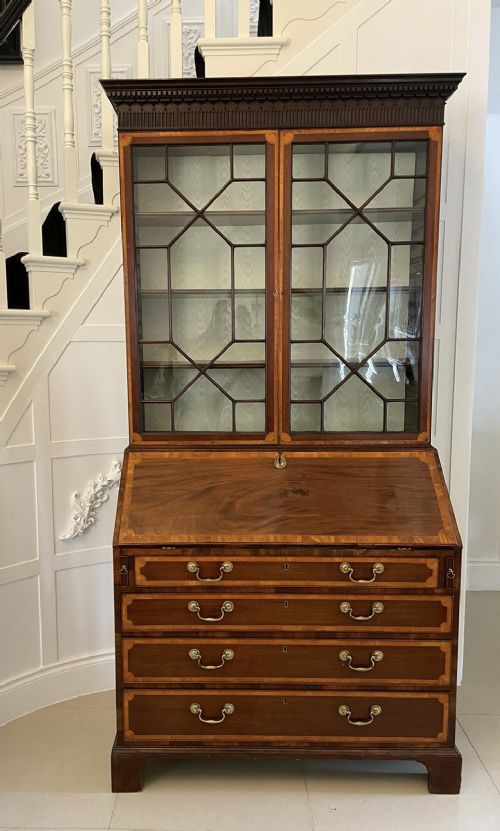
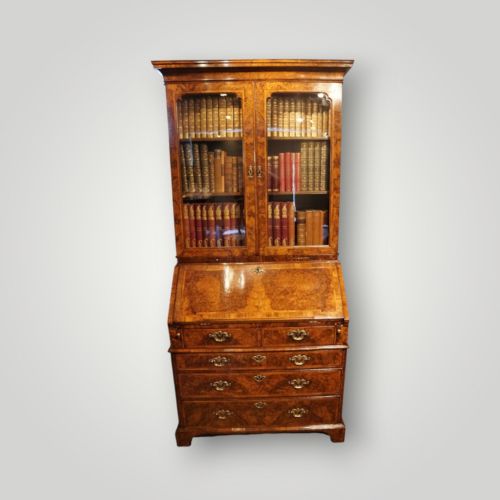
A george i bureau cabinet brings together walnut, fitted interiors and upper glazing to anchor a room.
George I Bureau Cabinet
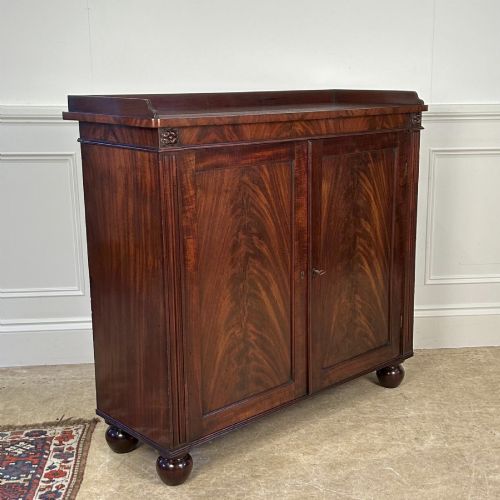
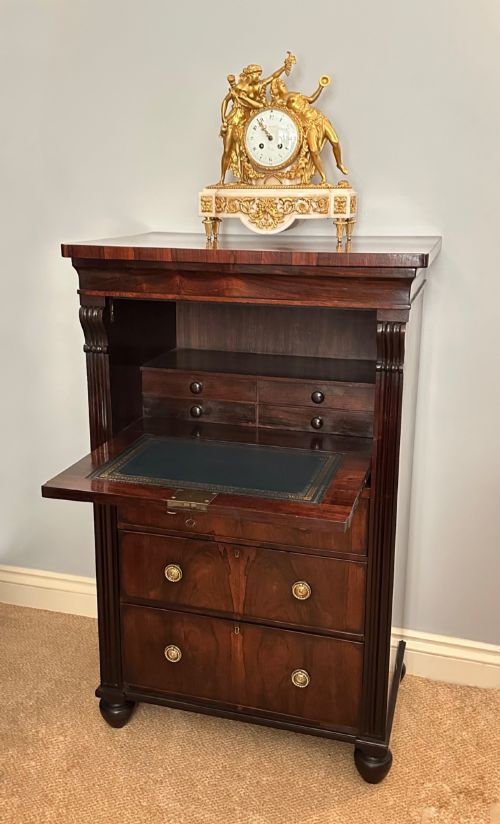
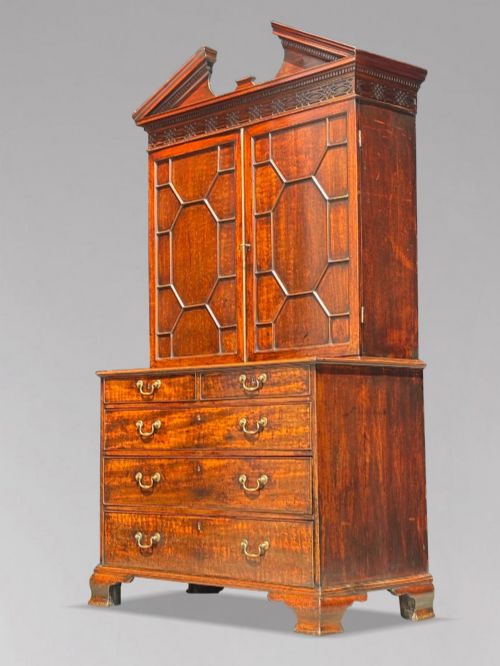
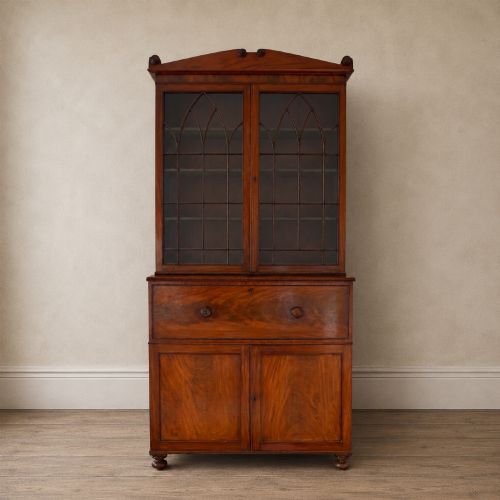
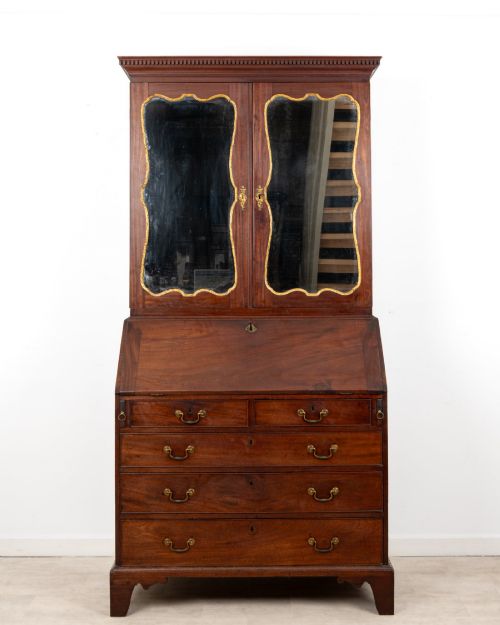
When you search for a george i bureau cabinet, you encounter substantial case pieces that combine writing surfaces with enclosed storage. The examples on this page span the 18th century, Georgian and Regency periods, stretching across bureau bookcases, secretaire cabinets and writing cabinets.
You meet walnut, burr walnut, mahogany, oak and satinwood constructions. These pieces incorporate glazed tops, candle slides, fitted interiors and fall fronts designed for correspondence and display.
Materials and Technique
Craftsmen utilised figured walnut, burr walnut and mahogany veneers applied over robust carcases of oak. Brass hardware and glass panes complete the upper cabinet doors.
Cabinetmakers integrated fitted interior compartments, candle slides and drop-front writing surfaces utilising precise joinery. Inlaid satinwood and flame mahogany detailing decorate select drawer fronts and panels.
Candle slides wait quietly in the woodwork, offering a modest shelf for a taper.
Judging Quality
The distinction between tiers rests upon the choice of timber figure, such as burr walnut or flame mahogany, and the crispness of internal drawer arrangement. Figure matching across large expanses dictates the visual power of the piece.
The integrity of original brasses, glass panes and three-section construction influences the standing of a piece. Hand-cut dovetails and untouched timber surfaces separate standard examples from finer works.
George Oakley·Gillows·Thomas Chippendale
The George I Bureau Cabinet Glossary
- Bureau cabinet
- A tall case furniture form featuring a sloping desk front or pull-out secretaire drawer beneath an upper bookcase or cabinet section. This combination provides both writing accommodation and shelved storage.
- Secretaire
- A desk or cabinet containing a drawer with a drop-front writing surface that conceals small drawers and pigeonholes. It allows a piece to function as a writing desk while retaining the external appearance of a chest or cabinet.
- Burr walnut
- Timber sourced from walnut tree growths that display intricate, swirling grain patterns. Cabinetmakers sliced this wood into veneers for high-status bureau cabinets.
- Candle slide
- A pull-out wooden board mounted beneath the upper doors of a cabinet to hold a light source. These slides illuminated the writing surface before the advent of gas and electric lighting.
- Fall front
- A hinged writing flap that drops down to a horizontal position for use. When closed, it conceals the fitted interior of the bureau.
George I Bureau Cabinet: Frequently Asked Questions
What is a george i bureau cabinet?
A george i bureau cabinet is an 18th-century case piece featuring a lower writing section combined with an upper glazed bookcase. These pieces organise correspondence and display books behind panelled or glass doors.
They utilise walnut and burr walnut timbers, often constructed in sections to facilitate movement. Fitted interiors house small drawers and pigeonholes for personal papers.
How do walnut and mahogany pieces differ?
Walnut bureau cabinets dominate the earlier 18th-century pieces, frequently displaying burr or figured grain patterns. Mahogany variants emerge later in the Georgian period, offering a denser, darker timber.
Walnut surfaces possess a warmer, honeyed tone, whereas mahogany pieces often exhibit reddish-brown hues and flame figuring. Both timbers support intricate inlay and crossbanding.
Where were candle slides used?
Candle slides pull out from the front facade directly beneath the upper doors of bureau cabinets. They positioned lighting close to the writing surface.
Users placed portable candleholders upon these boards during evening correspondence. When not in use, the slides push flush into the cabinet frame.
How do you style a bureau cabinet?
A bureau cabinet functions as a focal point in a study, drawing room or hallway. The upper glazed section accommodates books and display items, while the desk surface remains ready for use.
Placing the piece against a neutral wall allows the figured walnut or mahogany grain to stand out. Adequate clearance ensures the fall front and candle slides operate without obstruction.