




Figured Walnut Writing Desk
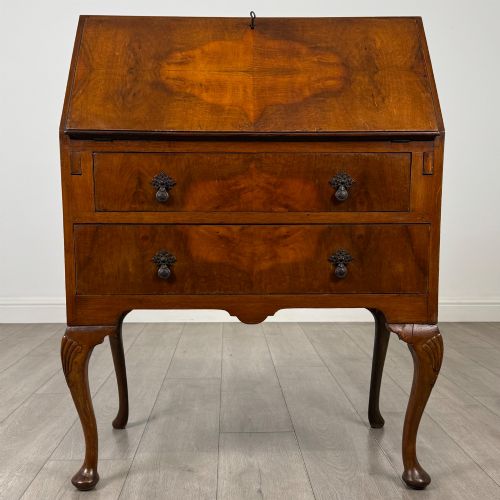
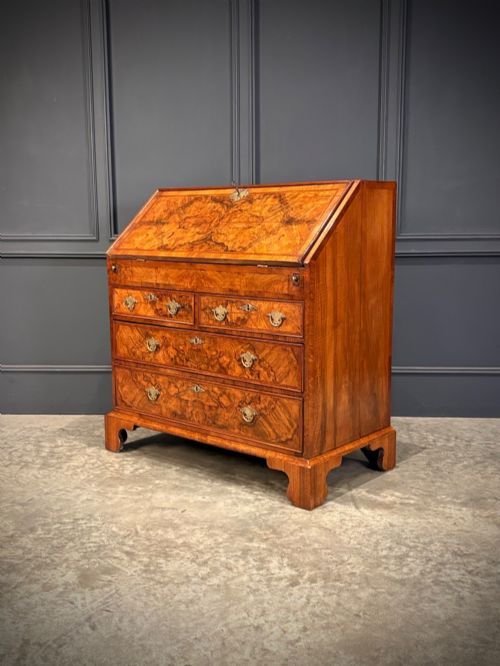
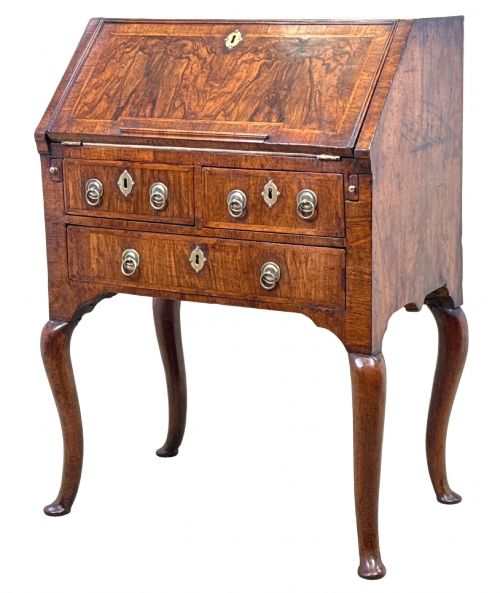
A figured walnut writing desk combines rich natural grain patterns with practical workspace, offering both a functional writing surface and a statement antique for the room.
Figured Walnut Writing Desk
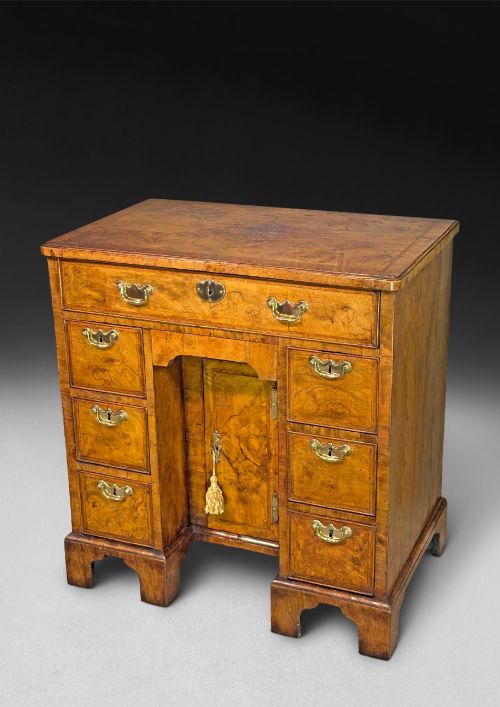
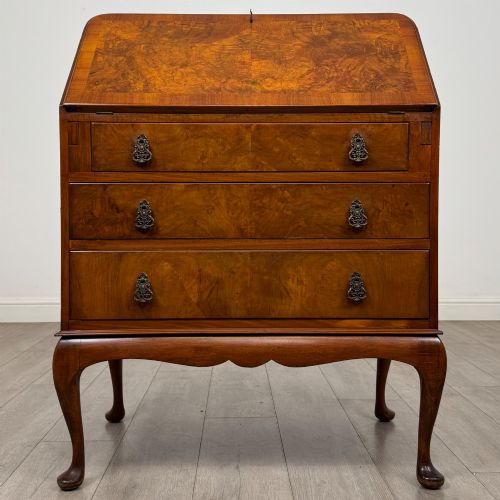
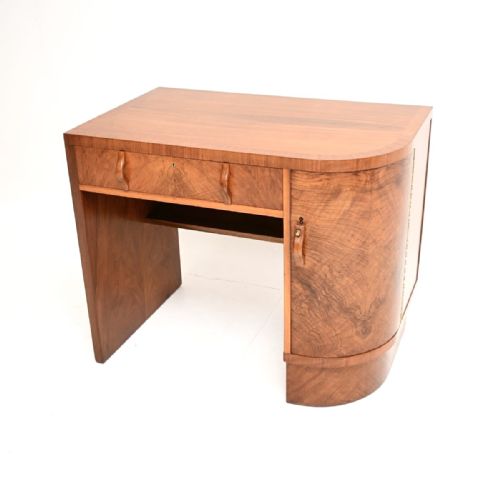
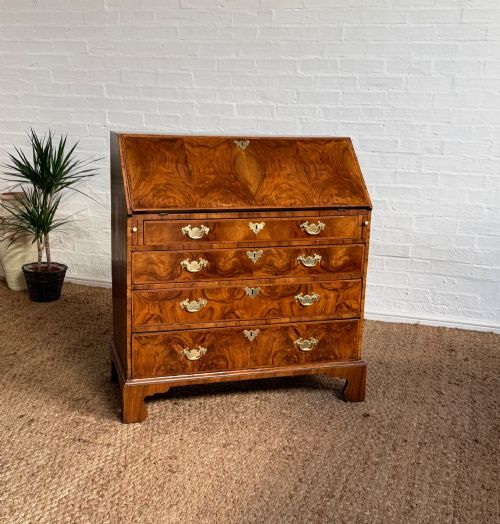
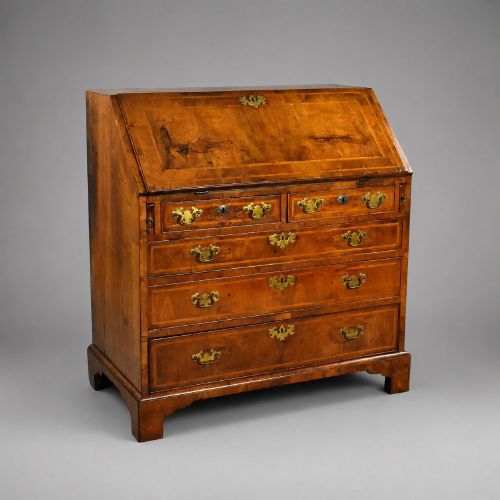
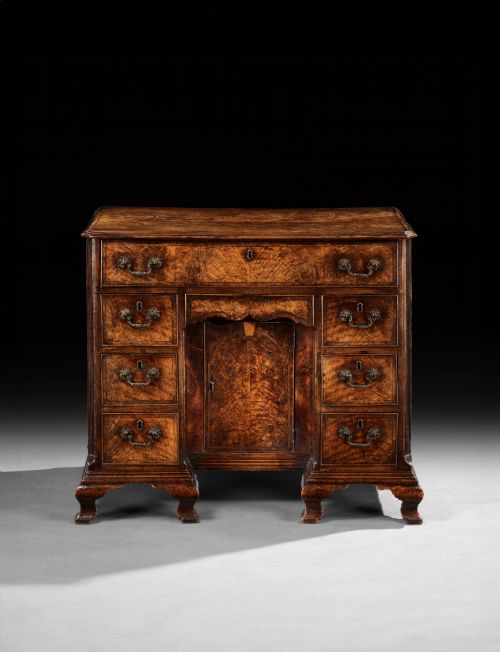
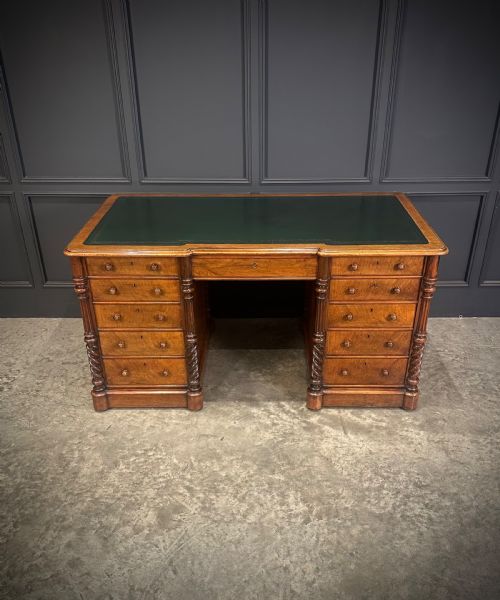
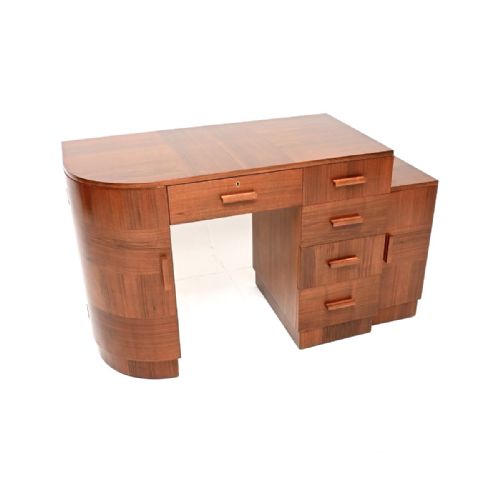
When you search for a figured walnut writing desk, you encounter a variety of forms ranging from early eighteenth-century bureaus and kneehole desks to Victorian writing slopes and streamlined Art Deco tables. The pieces on this page span several distinct periods, including George I, Georgian, Victorian, and the 1930s.
You are most likely to meet classic fall-front bureaus alongside compact kneehole desks and Davenport writing desks. These items serve as practical writing stations while displaying the highly decorative wood grains characteristic of the material.
Origins represented in these records include English craftsmanship alongside continental examples such as South German bureau bookcases. Forms adapt from tall cabinet combinations down to portable writing slopes fitted with interior compartments.
What varies in quality
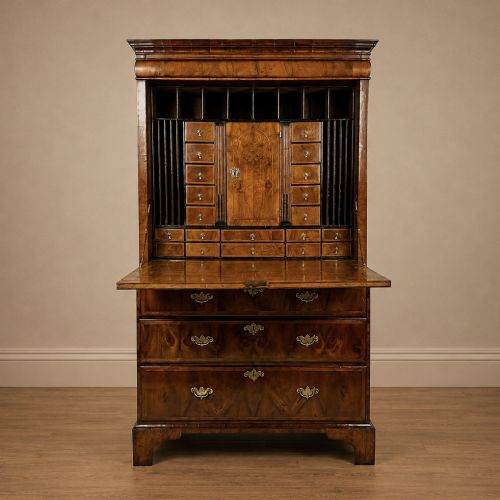
The visual impact of the wood grain separates standard examples from exceptional pieces, particularly where the figured walnut displays intense natural patterning, symmetrical matching across panels, and rich depth of colour. The complexity of the internal configuration, such as multiple secret drawers and tailored stationery fittings, distinguishes finer cabinet work.
Original hardware, including marked locks and period brasses, elevates a piece alongside the integrity of the original leather insert and the crispness of any marquetry inlay or ormolu mounts.
Secret drawers hidden behind false partitions in these desks have safeguarded private correspondence and small treasures for centuries.
Rurka
The Figured Walnut Writing Desk Glossary
- Figured walnut
- Wood grain showing intricate, highly decorative patterns such as swirls and curls caused by abnormal growth or branching in the tree. This timber is sliced into thin veneers for cabinet fronts.
- Kneehole desk
- A compact desk featuring a central recess for the user's legs, flanked by pedestals of small drawers. They frequently include a long drawer above the kneehole space.
- Bureau
- A sloping writing cabinet that opens to reveal a fitted interior of small drawers and pigeonholes. The fall-front provides a slanted surface for writing when closed.
- Writing slope
- A portable box with a hinged lid that opens at an angle to form a writing surface. Inside, compartments store stationery, inkwells, and writing instruments.
- Davenport
- A small Victorian pedestal desk featuring a sloped, sliding writing top above a set of drawers accessed from the side. They often incorporate a stationery box on the upper rear section.
Figured Walnut Writing Desk: Frequently Asked Questions
What is a bureau bookcase?
A bureau bookcase combines a sloping writing desk at the base with enclosed shelving or cabinet space above for storing books and documents. These taller pieces serve as major architectural furniture items within a room.
They often feature panelled doors and fitted interior compartments that demonstrate advanced eighteenth-century cabinet making techniques.
How do I care for walnut veneer?
Walnut veneer requires protection from direct sunlight and excessive temperature fluctuations to prevent the wood from drying out or warping. Regular gentle dusting with a dry cloth helps maintain the polished surface.
Applying appropriate wax polishes occasionally feeds the timber and preserves the natural warmth of the grain patterns.
What is a Davenport desk?
A Davenport desk is a compact writing cabinet developed during the nineteenth century, featuring a slanted desktop over a pedestal of drawers. The side-opening drawers and upper stationary compartment maximise storage in smaller domestic spaces.
Victorian makers often embellished these forms with burr walnut veneers, brass galleries, and marquetry inlay.
How do I identify a George I desk?
George I period desks typically date from the early eighteenth century and display restrained proportions, rich walnut veneers, and clean architectural lines. They frequently stand on bracket feet or cabriole legs.
Internal fittings usually consist of stepped pigeonholes and small drawers surrounding a central locking cupboard.