


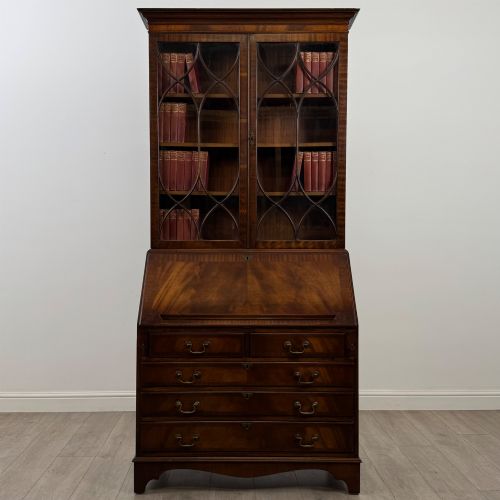
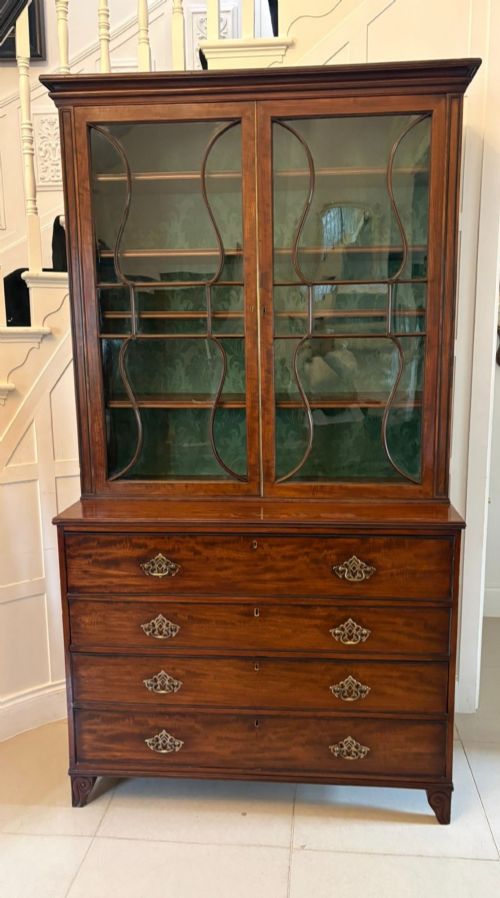
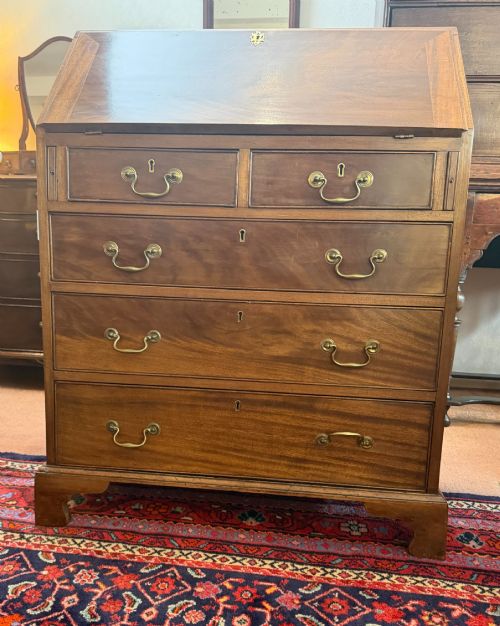
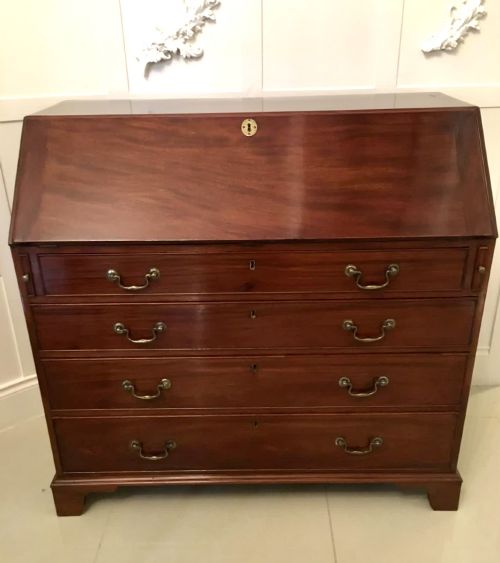
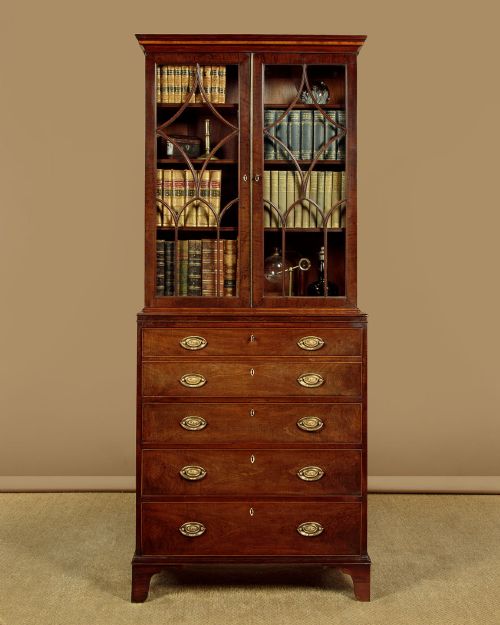
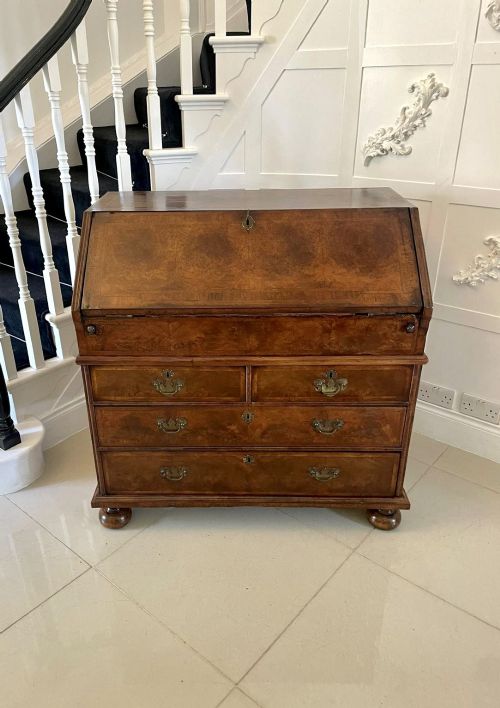
Georgian Writing Desk Cabinet
A georgian writing desk cabinet brings centuries of craftsmanship into a room, offering practical workspace and display space through fitted drawers and glazed upper sections.
Georgian Writing Desk Cabinet
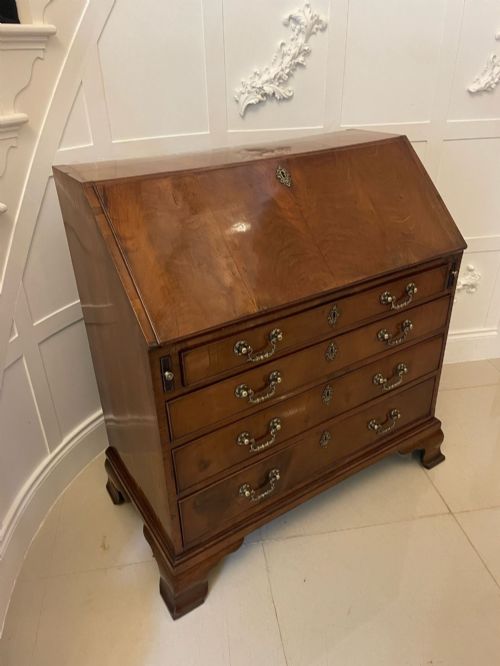
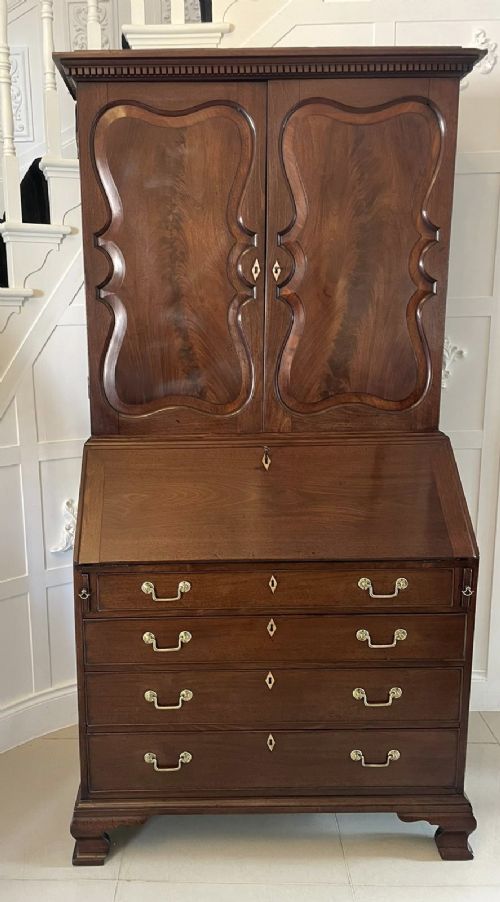
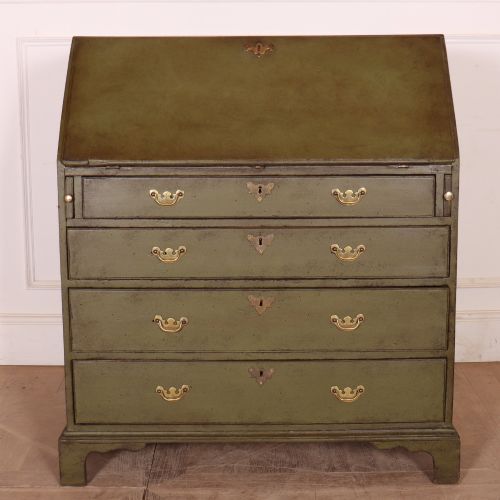
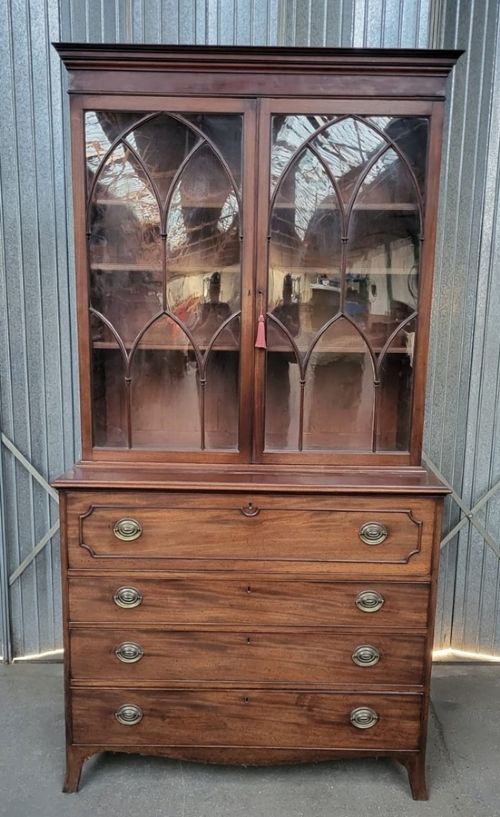
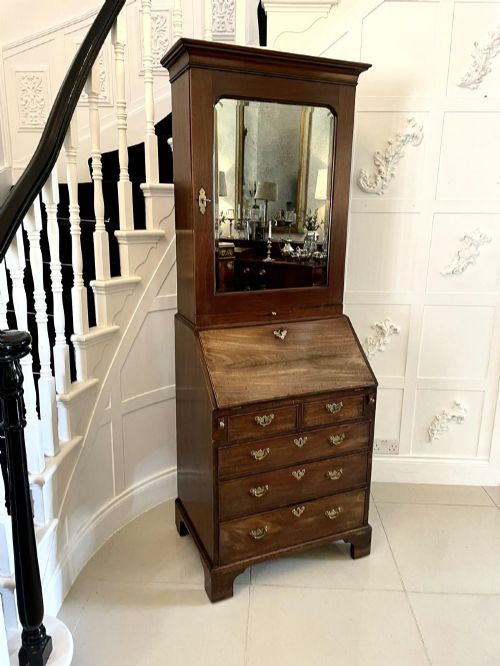
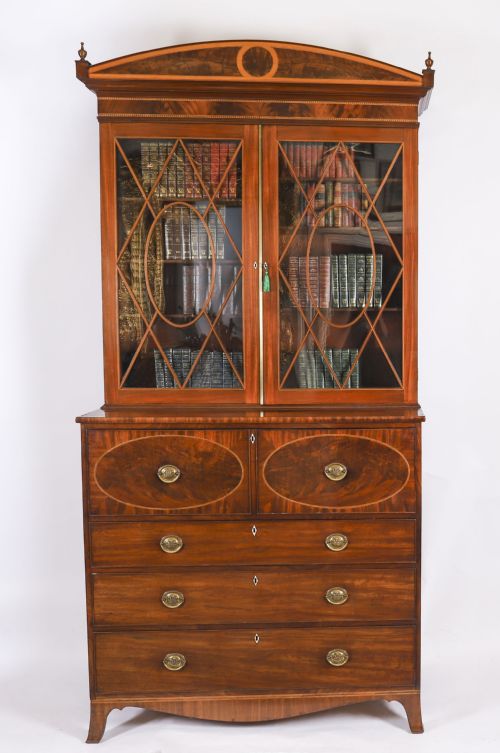
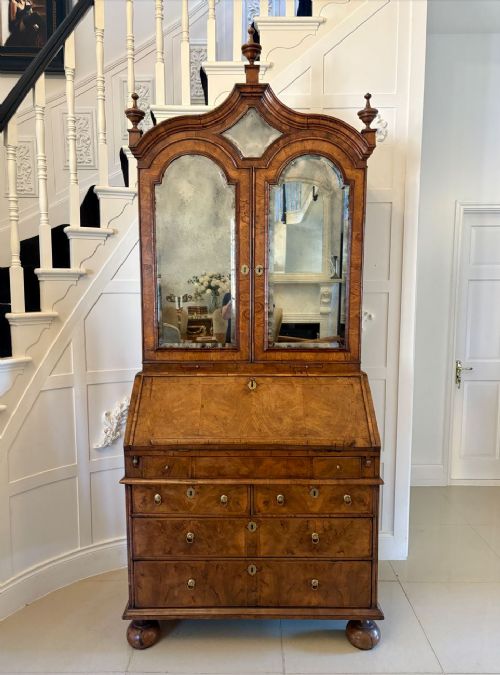
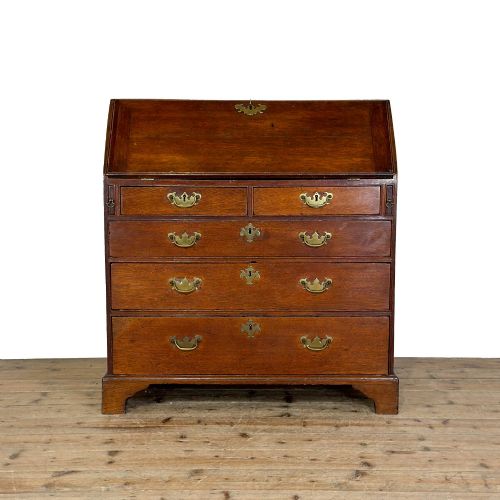
A georgian writing desk cabinet covers a range of practical workspace furniture, appearing most frequently as bureaux, secretaire bookcases, and bureau bookcases spanning the seventeenth, eighteenth, and nineteenth centuries.
The pieces on this page include walnut and mahogany examples from the reigns of George I, George II, and George III, alongside Regency and later revival pieces.
Buyers encounter compact fall-front writing bureaux as well as taller two-part cabinet combinations featuring fitted interiors with small drawers and pigeonholes.
Materials and construction
Cabinet makers relied heavily on timber such as mahogany, oak, and walnut, often selecting burr walnut veneers, flame mahogany, and inlaid details to enrich the exterior surfaces.
Structural elements incorporated brass hardware, leather writing surfaces, and glass panes for the upper bookcase doors, alongside specialised internal compartments known as fitted interiors.
Georgian Writing Desk Cabinet Retail Price Guide 2026
Typical asking prices for georgian writing desk cabinet among the pieces listed under this phrase on Sellingantiques today, from the lower quarter to the upper quarter. They describe what is for sale here now, not the wider market.
One early oak bureau bookcase has been adapted to hold a television.
Distinctions in execution
The standard of a georgian writing desk cabinet depends upon the selection of timber veneers, such as figured walnut or flame mahogany, and the precision of internal drawer construction.
Superior examples display balanced proportions, fine marquetry or inlay work, and original glass and brass fittings that integrate seamlessly with the primary structure.
The Georgian Writing Desk Cabinet Glossary
- Bureau
- A sloping front writing desk that opens to reveal a fitted interior of small drawers and pigeonholes. This form provides a concealed workspace when closed.
- Secretaire
- A piece of furniture containing a drawer or compartment with a drop-down writing surface. It often masquerades as a standard chest of drawers or forms the middle section of a tall bookcase.
- Marquetry
- Decorative veneer work formed by pieces of wood fitted together to create pictorial patterns or floral designs on the surface. Cabinet makers used this technique on luxury walnut pieces.
- Featherbanding
- A type of inlay using matched veneers cut diagonally to resemble the barbs of a feather. It frames drawer fronts and panel borders on walnut furniture.
Georgian Writing Desk Cabinet: Frequently Asked Questions
How do I use a bureau daily?
Lower the fall-front flap to reveal the writing surface and inner compartments for stationery and small items. Close the flap when finished to keep papers concealed and maintain a neat appearance in the room.
Ensure heavy loads do not rest solely on the open writing flap unless support stays are engaged. Place a protective blotter on the leather surface if you write with fountain pens.
Where should I place a cabinet?
Position the piece against a stable interior wall away from direct sunlight and heat sources to protect timber veneers and historic finishes. Allow adequate clearance for doors to open fully.
Tall bureau bookcases require sufficient vertical wall space and may need anchoring to the wall for safety. Ground floor rooms with stable humidity levels suit antique wood furniture best.
How do I identify a George III piece?
Examine the timber selection, hardware, and structural proportions typical of the late eighteenth century. Pieces from this era frequently utilise mahogany with understated brass handles and bracket feet.
Look for refined interior arrangements and crisp drawer dovetails. Cabinet construction methods from this period reflect distinct joinery traditions that differ from later nineteenth-century manufacturing.
What is a fitted interior?
A fitted interior refers to the arrangement of small drawers, pigeonholes, and secret compartments hidden behind the sloping flap or drop-front of a desk. These sections organised letters and valuables.
Many examples include a central lockable cupboard door surrounded by tiered drawers. These intricate internal layouts represent the skill of period cabinet makers.