


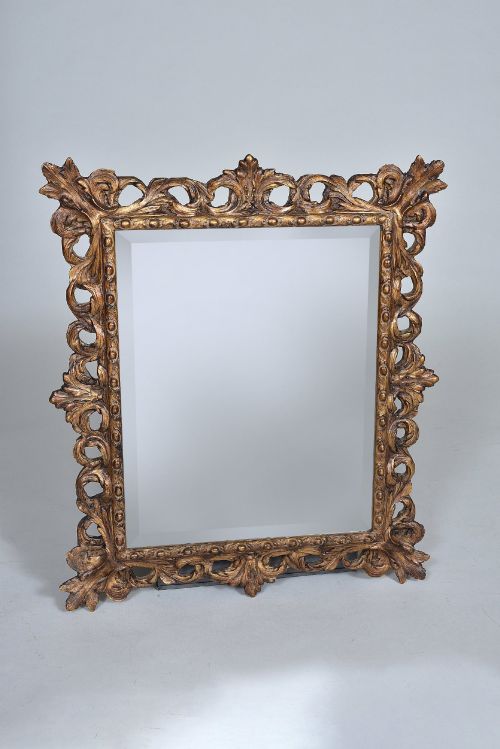
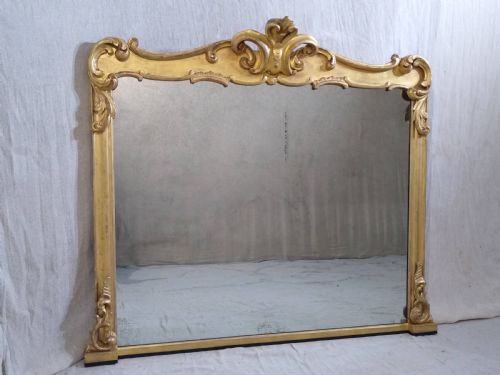
French Revival Mirror
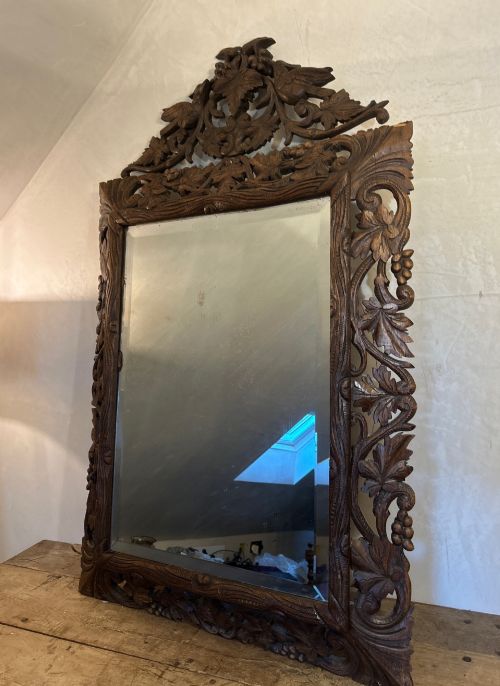
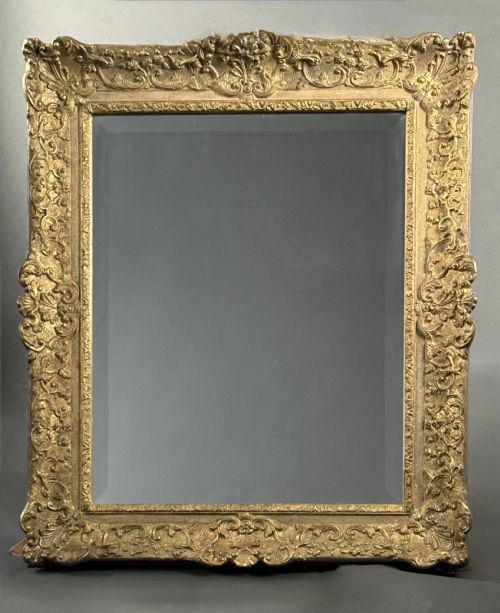
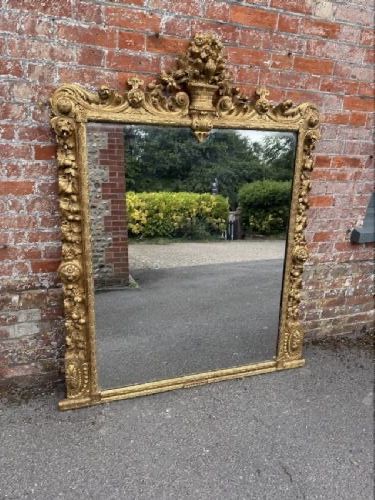
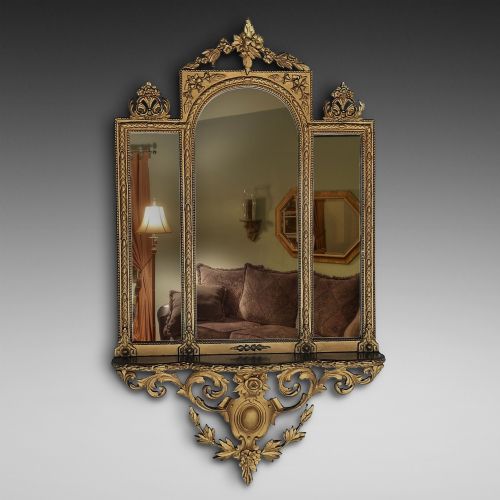
A french revival mirror brings theatrical nineteenth-century ornamentation and grand proportion into a room, channelling the exuberant decorative schemes of earlier European courts.
French Revival Mirror
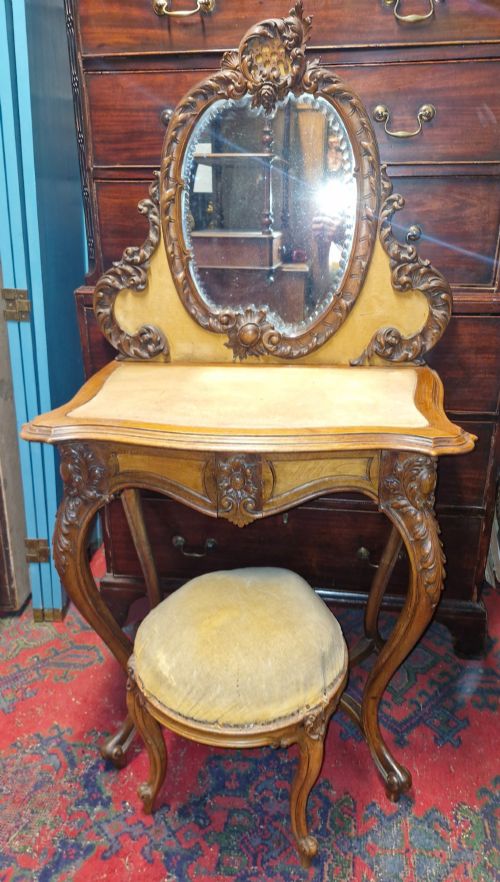
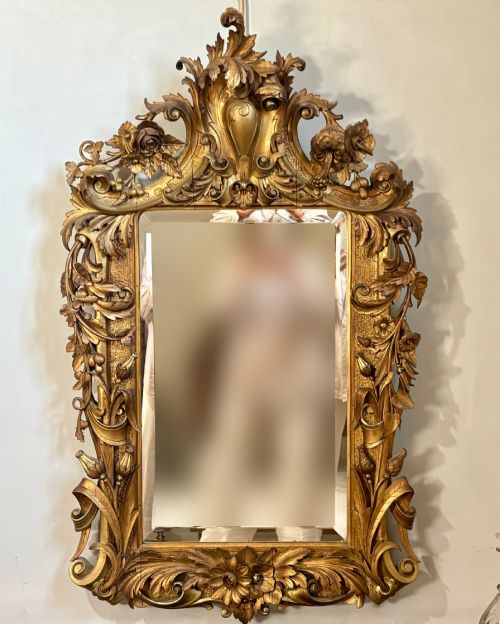
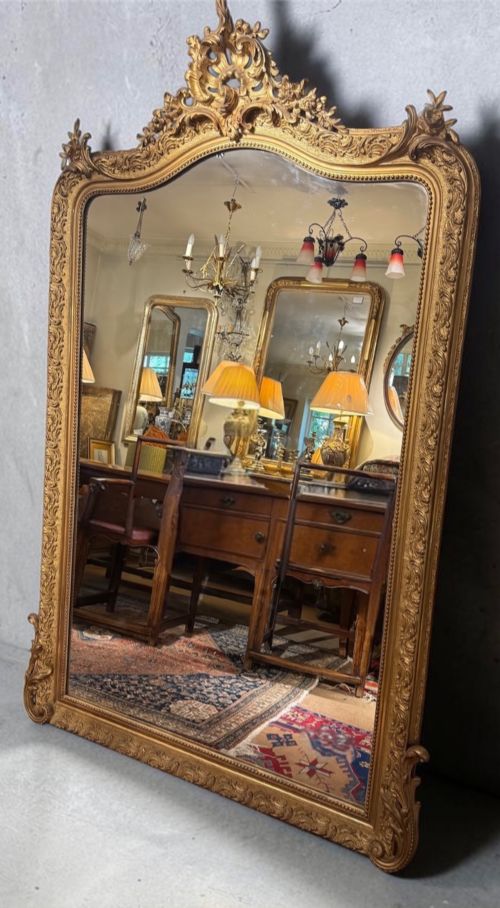
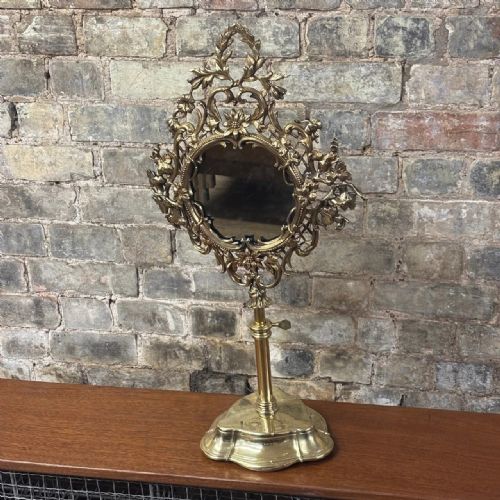
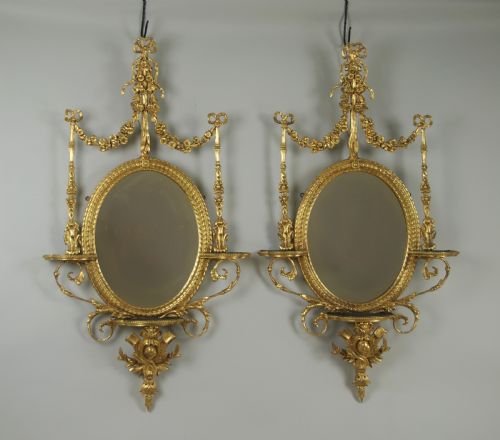
A french revival mirror draws on historical idioms like Rococo, Louis XV, and Renaissance styles to create deeply decorative focal points for interiors. These pieces take various physical forms, appearing most frequently as large overmantel designs, expansive wall mirrors, and smaller dressing or table mirrors. The typical examples met on this page date from the nineteenth century through the early twentieth century, spanning Victorian and Edwardian periods.
Makers and cabinetmakers of the era adapted these classical motifs using local timbers alongside imported hardwoods like kingwood and walnut. While wall-hanging variants dominate, the selection extends to include cushion mirrors and architectural pieces featuring carved oak or giltwood frames. Each piece reflects the nineteenth-century appetite for historical revivalism translated through skilled joinery and ornate surface decoration.
How they were made
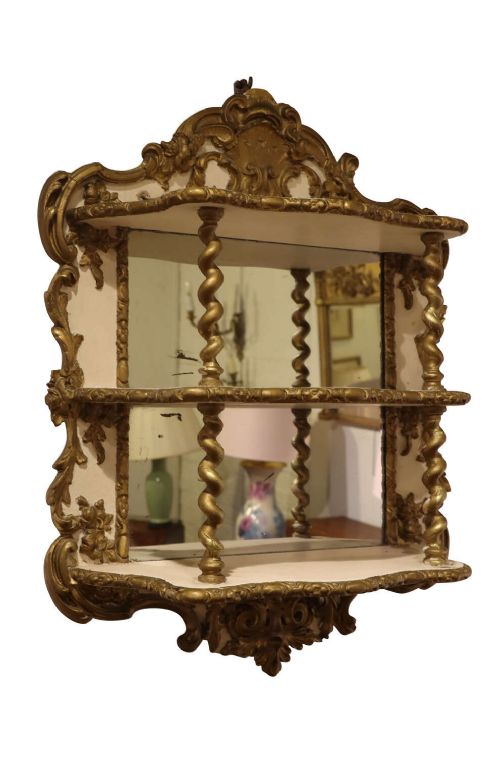
The construction of these frames relies heavily on traditional timber carvery, utilising woods such as oak, walnut, and mahogany as foundational structures. Artisans applied layers of gesso onto the wooden carcass to build up high-relief scrollwork, cartouches, and floral motifs before applying gold leaf or paint finishes. Ormolu mounts and cast brass details often accent the joinery, particularly on pieces influenced by Louis XV and Empire revivals.
Mirror glass plates were bevelled by hand or cast to fit specific architectural proportions, then secured into the rebate with wooden backing boards. Giltwood surfaces combine bole, size, and thin sheets of gold leaf, sometimes burnished with agate stone to achieve contrasting matte and bright sheens. Composition ornamentation - moulded paste pressed into shape while pliable - frequently supplements hand-carved elements on complex frames.
Some nineteenth-century dressing mirrors include tiny hidden compartments behind the glass for stashing secret love letters.
What varies in quality
Quality reveals itself in the depth and crispness of the hand-carving, where sharp undercut foliage and defined scrollwork distinguish superior examples from softer, mass-produced composition mouldings. The integrity of the original gilding or surface finish dictates much of the visual weight, with layered gold leaf holding greater depth than flat modern paints or poorly executed over-gilding.
Subtleties in structural joinery, such as pegged mortise and tenon joints in the wooden frames and the thickness of the original bevelled mirror plate, separate standard domestic pieces from monumental or exhibition-grade commissions. The quality of cast ormolu mounts, where present, shows in the precision of the chasing and the weight of the bronze alloy rather than thin electroplated brass.
François Linke·G. Durand
The French Revival Mirror Glossary
- Giltwood
- Wood that has been coated with thin sheets of gold leaf over a prepared base. This technique creates a radiant, durable finish characteristic of high-status nineteenth-century frames.
- Gesso
- A plaster-like mixture applied to wood frames to provide a smooth surface for gilding or to be moulded into decorative reliefs. It allows for intricate three-dimensional ornamentation.
- Overmantel mirror
- A large mirror specifically designed to be hung on the wall directly above a fireplace mantelpiece. These pieces often feature wide horizontal proportions and architectural framing.
- Ormolu
- Gilded bronze mounts used as decorative highlights on furniture and frames. The process involves applying a mercury-gold amalgam to cast bronze.
- Cartouche
- An ornamental tablet or frame resembling a rolled-up piece of parchment, often placed at the crest or centre of a mirror frame. It typically serves as a focal point for asymmetric Rococo carving.
French Revival Mirror: Frequently Asked Questions
How do I hang a heavy antique overmantel mirror?
Heavy overmantel mirrors require robust wall fixing directly into masonry or substantial timber studs using appropriate brackets suited to the weight of the frame.
Because nineteenth-century frames incorporate dense woods and thick glass plates, professional installation ensures the piece remains secure against the wall.
What is the difference between Rococo Revival and Louis XV revival?
Rococo Revival embraces extreme asymmetry, C-scrolls, and naturalistic shell motifs, whereas Louis XV revival leans slightly more toward structured symmetry while sharing similar decorative vocabulary.
Both styles draw from eighteenth-century French aesthetics but were re-interpreted by nineteenth-century craftsmen with heavier materials and bolder dimensions.
How should I clean antique giltwood frames?
Antique giltwood surfaces require gentle dusting with a soft, dry brush to prevent disturbing fragile layers of gold leaf or gesso.
Moisture and modern chemical cleaners strip the historic finish, so cleaning should remain strictly dry and non-abrasive.
Why do some mirror plates show dark spots?
Foxing and dark spots occur when moisture degrades the silver backing behind the glass over decades of atmospheric exposure.
Many collectors prize these natural imperfections as proof of genuine age and historical authenticity.