
French Revival Cabinet
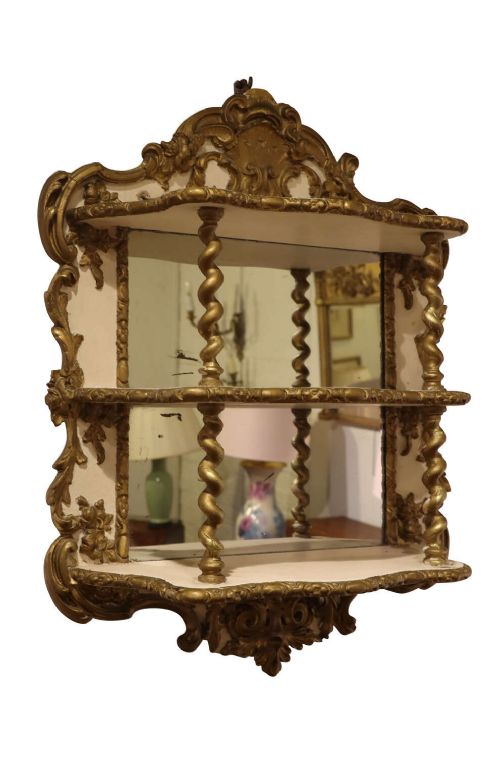
A french revival cabinet brings continental elegance to an interior through grand ormolu mounts, rich burr walnut, and classical revival forms.
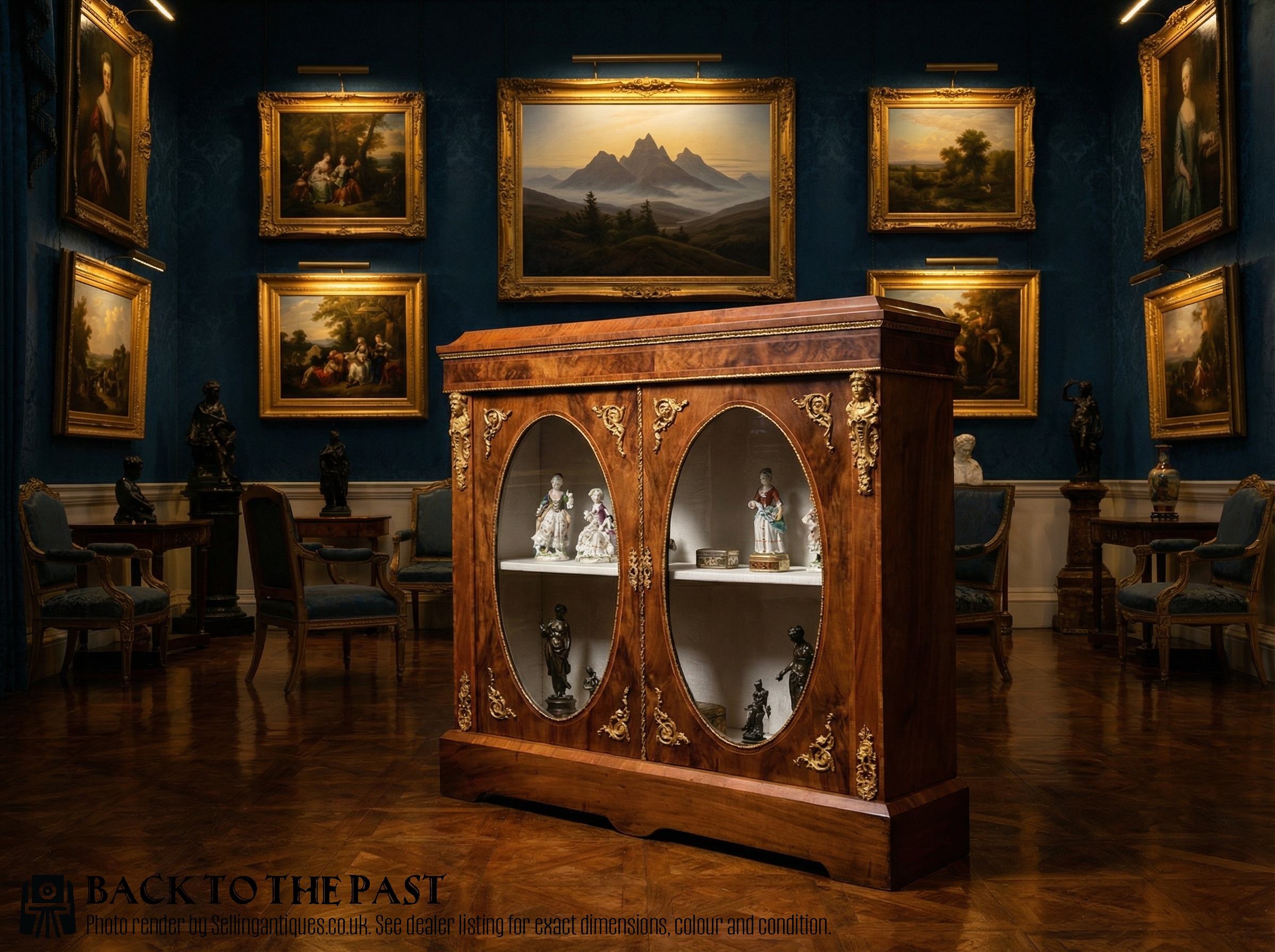
French Revival Cabinet
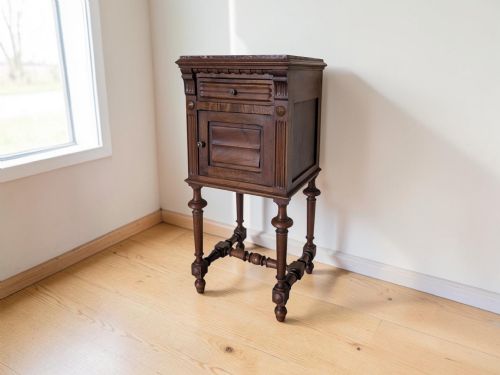
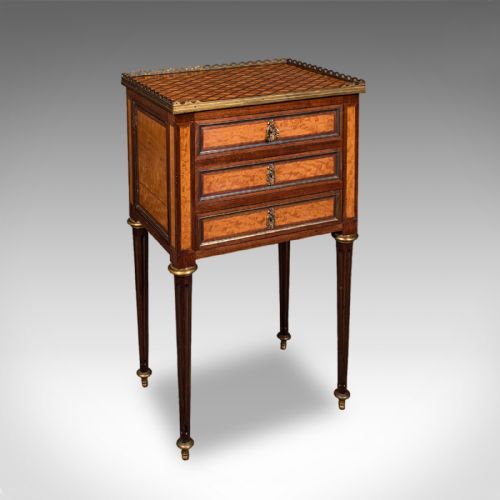
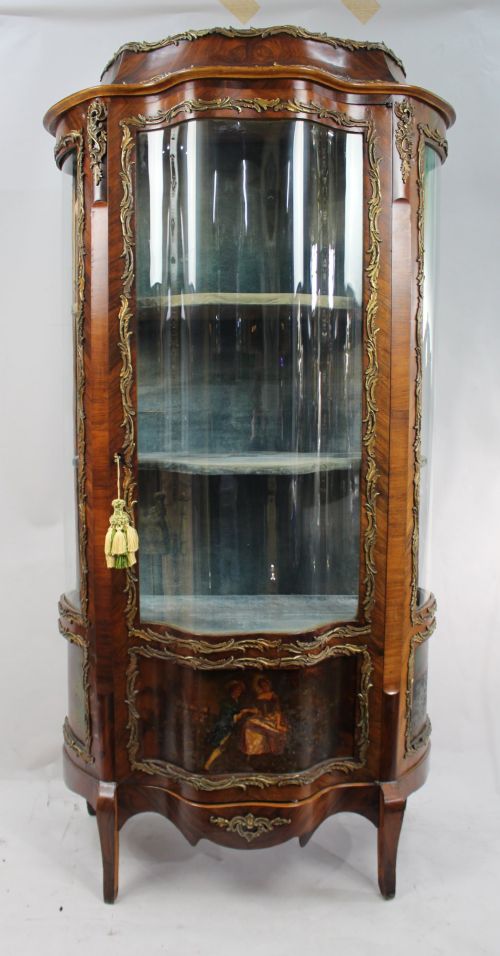
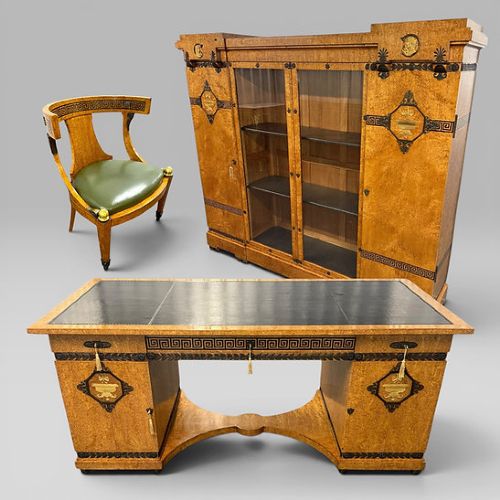
When searching for a french revival cabinet, collectors encounter a range of display furniture, side cabinets, and bedside tables dating from the nineteenth century into the early twentieth century. These pieces draw heavily on earlier court styles, particularly the decorative vocabulary of Louis XV and Louis XVI periods.
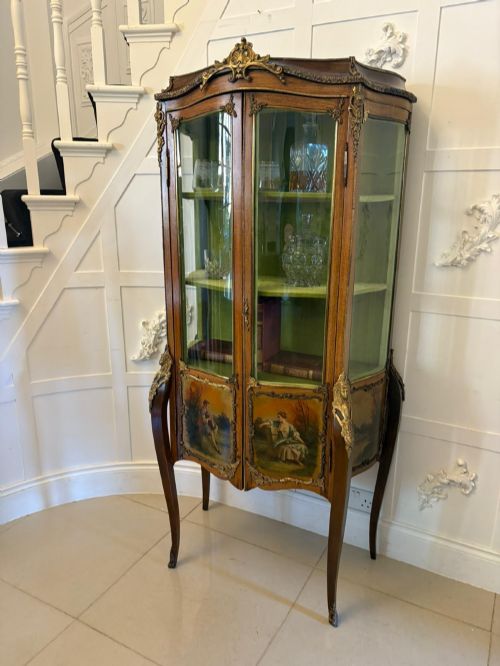
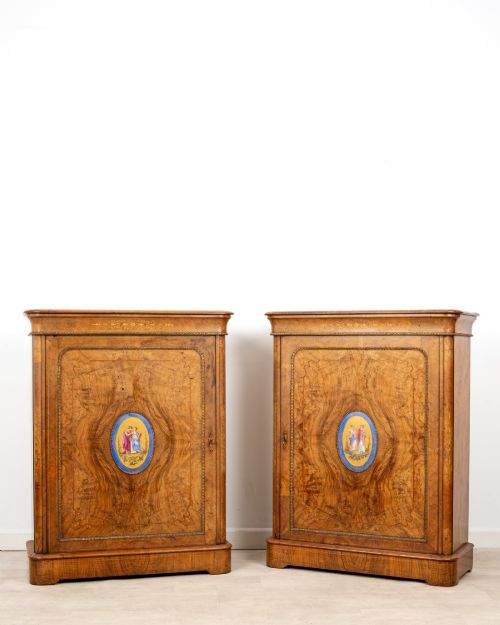
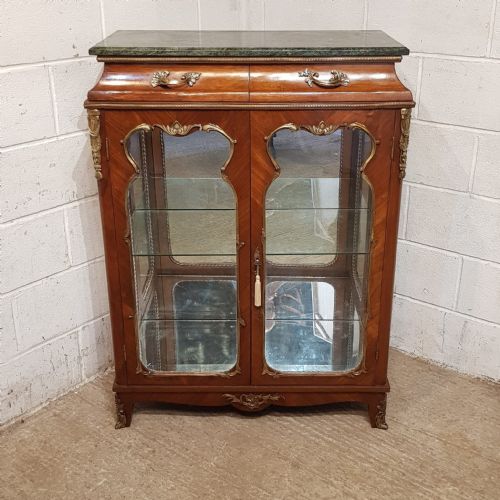
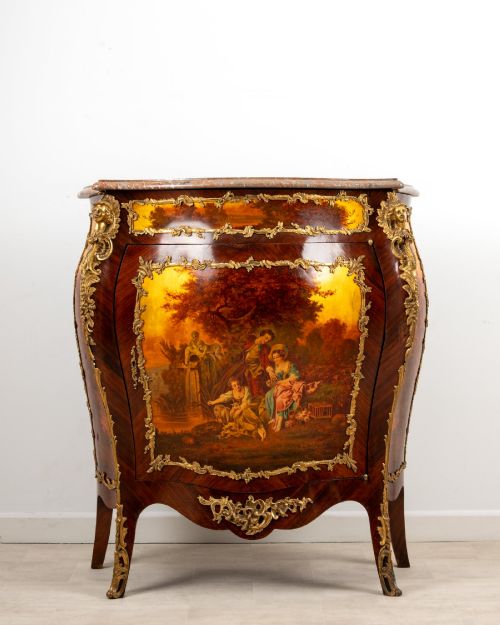
The most frequent examples on this page include vitrines, pier cabinets, and serpentine credenzas designed for formal rooms. Walnut, kingwood, and mahogany form the carcasses of these storage items, often paired with decorative surfaces suited to display porcelain and silver.
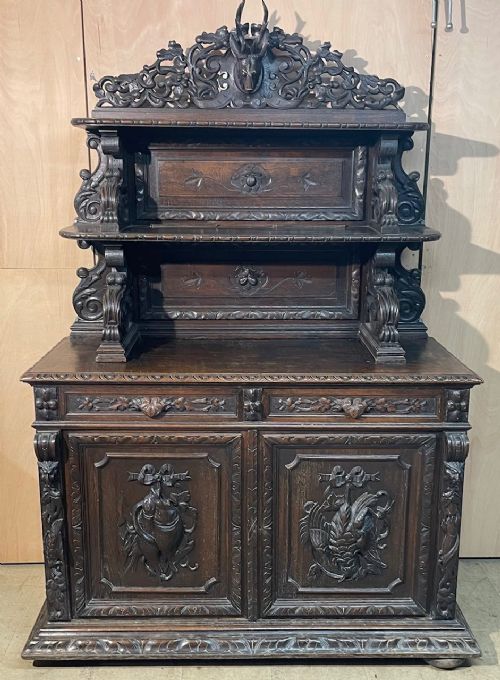
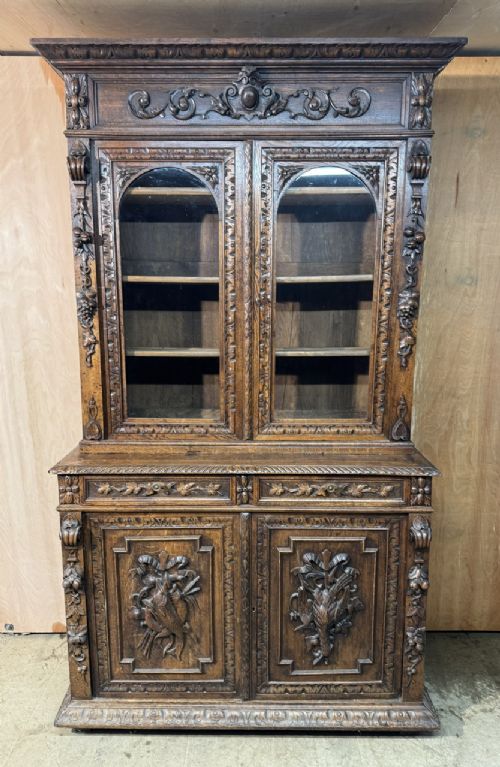
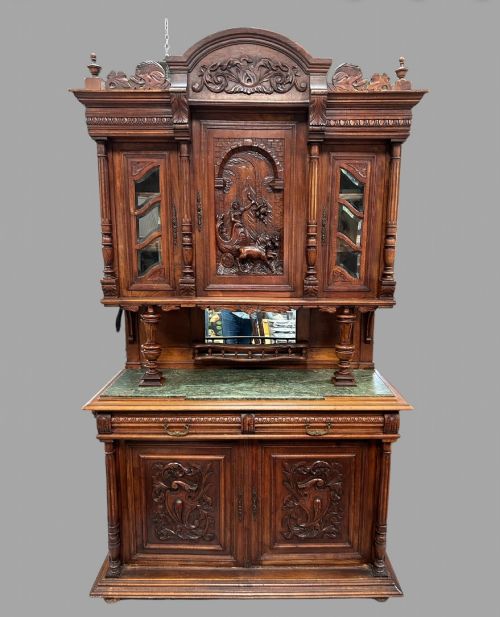
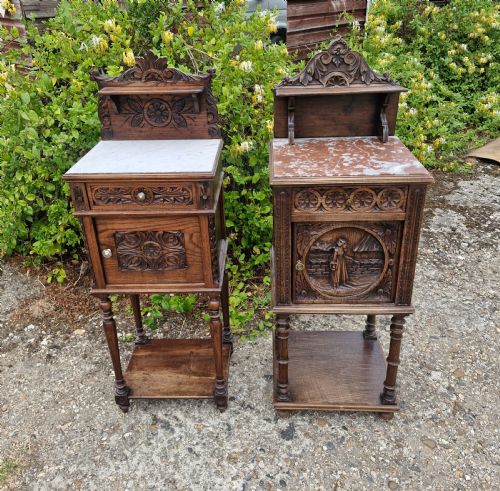
Regional variants also appear alongside court revivals, including carved oak hunting pieces and provincial dressers that reflect rustic French cabinet-making traditions. These domestic storage forms provide robust utility while maintaining decorative carved flourishes.
Materials and Construction Techniques
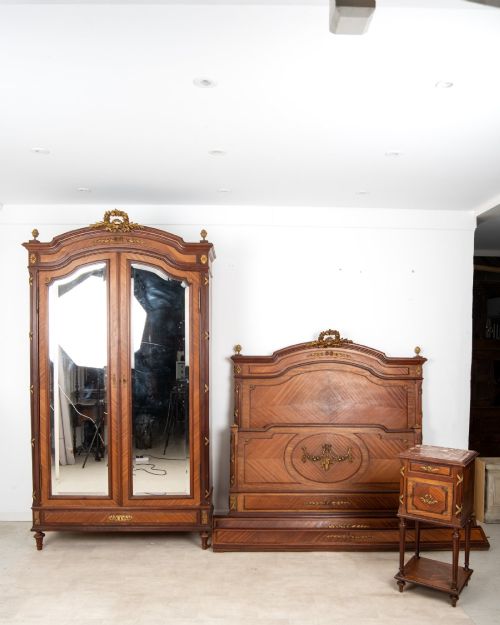
Cabinetmakers utilised dense timbers like walnut, mahogany, and kingwood as foundations, frequently applying intricate parquetry or marquetry patterns across flat surfaces. Ormolu, or gilt bronze, mounts were cast and chased to accentuate corners, borders, and feet on finer examples.
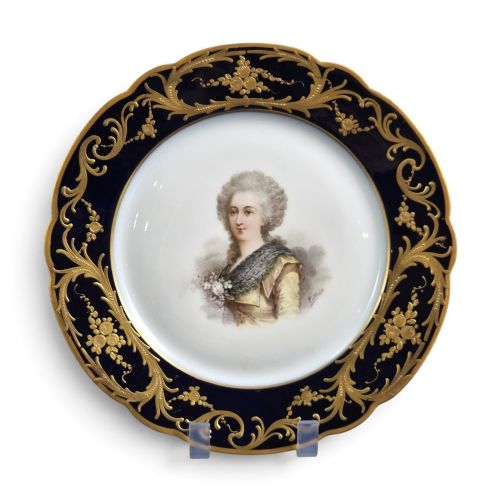
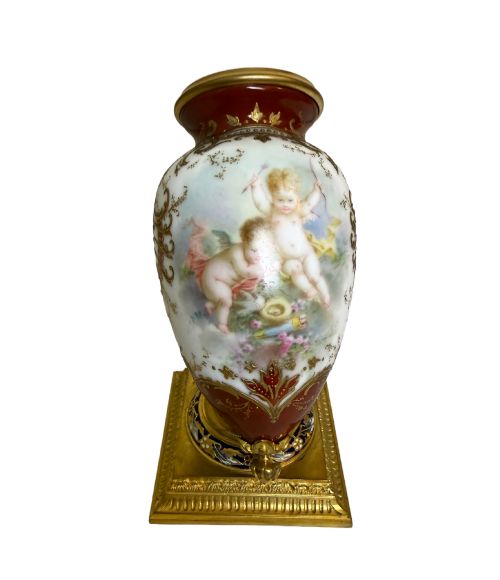
Painted Vernis Martin panels and inset Sèvres-style porcelain plaques often decorate the doors and friezes, mimicking eighteenth-century lacquerwork. Marble tops, typically in white or variegated shades, complete the upper surfaces of many display and side cabinets.
Carved oak and chestnut feature prominently in provincial and hunting pieces, relying on deep relief carving rather than applied metal mounts for visual texture. Joinery techniques combined traditional frame-and-panel construction with sophisticated internal drawer mechanisms.
French Revival Cabinet Retail Price Guide 2026
Typical asking prices for french revival cabinet among the pieces listed under this phrase on Sellingantiques today, from the lower quarter to the upper quarter. They describe what is for sale here now, not the wider market.
The documented periods span the Victorian era into the early decades of the twentieth century.
Markers of Quality and Execution
The refinement of the cast ormolu mounts distinguishes superior examples from standard production, as sharper chasing and heavier gilding denote superior workshops. The precision of the underlying marquetry and the choice of figured wood veneers further indicate the level of craftsmanship invested in the carcass.
Integration of hand-painted Vernis Martin panels or genuine Sèvres porcelain plaques elevates a piece above those fitted with generic transfer-printed substitutes. Structural integrity, including the smooth operation of serpentine drawers and the weight of the fitted marble top, points to careful original assembly.
Edward Holmes Baldock·François Linke·Mercier Frères
The French Revival Cabinet Glossary
- Ormolu
- Gilt bronze mounts applied to furniture for decorative effect. This technique was widely utilised during the nineteenth-century revival periods to emulate eighteenth-century court aesthetics.
- Vernis Martin
- A simulated Japanese lacquer technique developed in France, featuring painted pastoral or romantic scenes on cabinet panels. It required multiple layers of varnish polished to a high sheen.
- Vitrine
- A glass-fronted display cabinet designed for the presentation of porcelain, glass, and small objets d'art. These pieces typically feature glazed sides to maximise light penetration.
- Marquetry
- The art of applying small pieces of veneer to a structure to form decorative patterns or pictorial scenes. Cabinetmakers used contrasting timbers such as kingwood and walnut to achieve tonal depth.
- Serpentine
- A furniture front or top characterised by a wave-like shape, curving outward in the centre and inward at the sides. This contour required advanced woodworking skill to execute cleanly.
French Revival Cabinet: Frequently Asked Questions
What is a french revival cabinet?
A french revival cabinet is a piece of nineteenth or early twentieth-century furniture that imitates the earlier decorative styles of the French royal courts, such as Louis XV or Louis XVI.
These items were constructed to bring historical continental charm into Victorian and Edwardian interiors, frequently incorporating rich veneers, gilt mounts, and glass display panels.
How do I identify the period?
Dating these cabinets relies on examining the construction methods, secondary timbers inside the drawers, and the style of the cast metal mounts.
Nineteenth-century examples often display heavier ormolu casting and more complex hand-cut veneers, whereas later twentieth-century interpretations may show different internal framing and standardised hardware.
Where should I place a vitrine?
A vitrine cabinet suits reception rooms or drawing rooms where natural light can illuminate items displayed behind the glass panels.
Because many feature finished backs or mirrored interiors, placing them perpendicular to windows or against principal walls allows the mounted bronze and polished wood to catch the light effectively.
How do I care for marble tops?
Marble tops require gentle cleaning with a damp cloth and mild soap, avoiding acidic cleaning solutions that can etch the polished stone surface.
Using coasters and mats beneath objects placed on the marble will prevent scratches and staining while preserving the original nineteenth-century finish.