
French Bronze Centrepiece
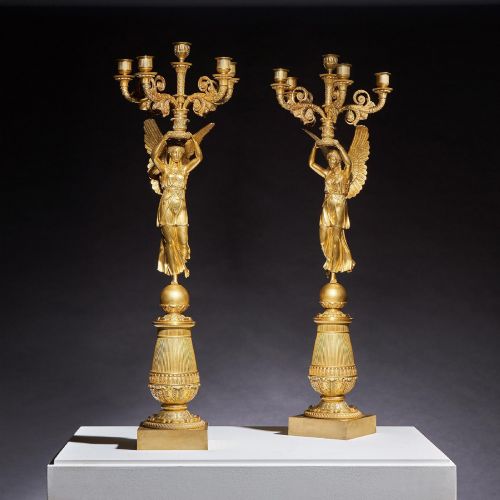
A french bronze centrepiece anchors a room with sculptural metalwork, combining cast figures and classical mounts to hold fruit or flowers.
French Bronze Centrepiece
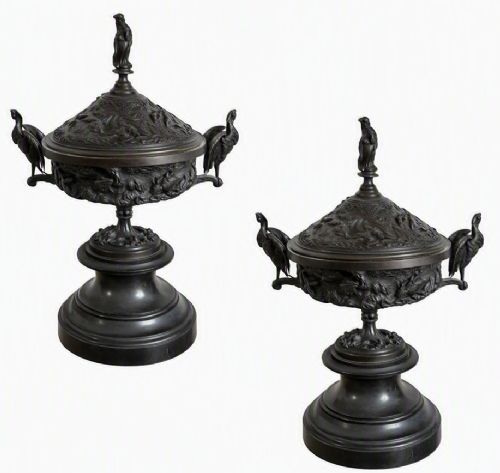
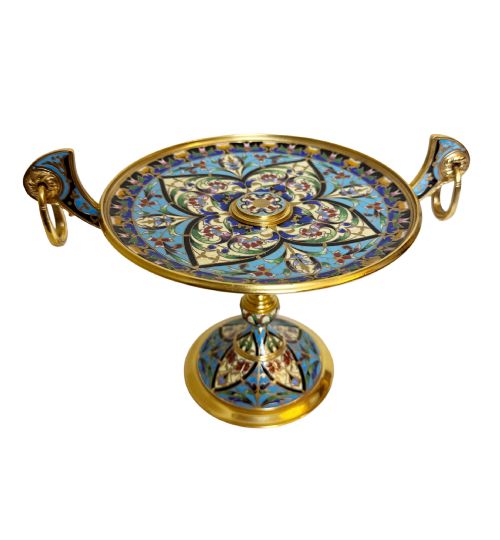
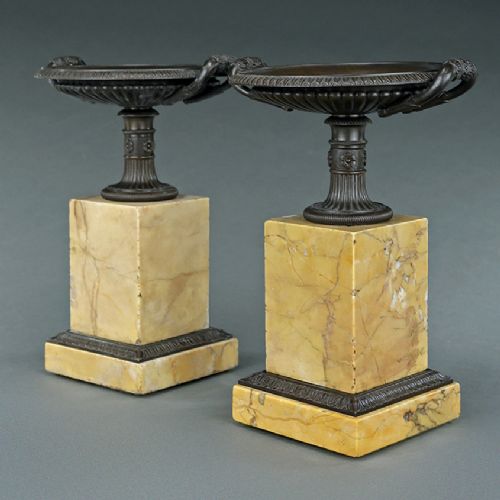
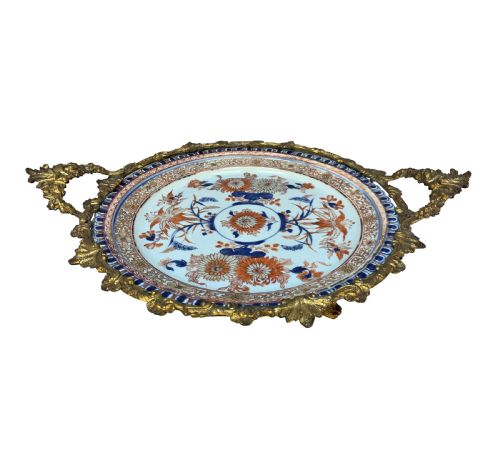
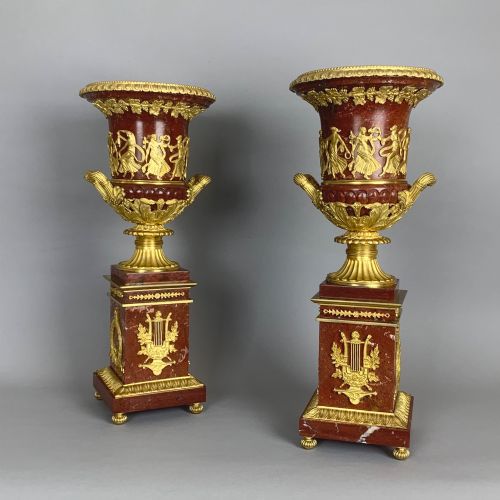
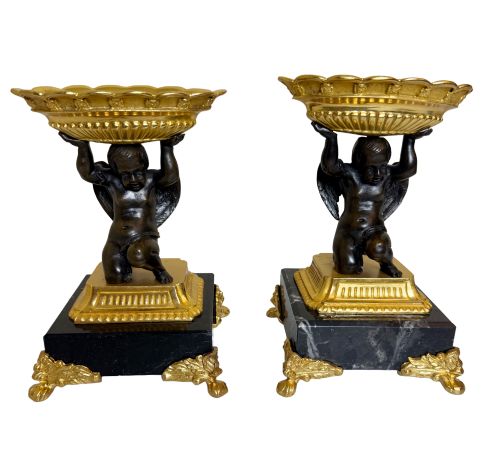
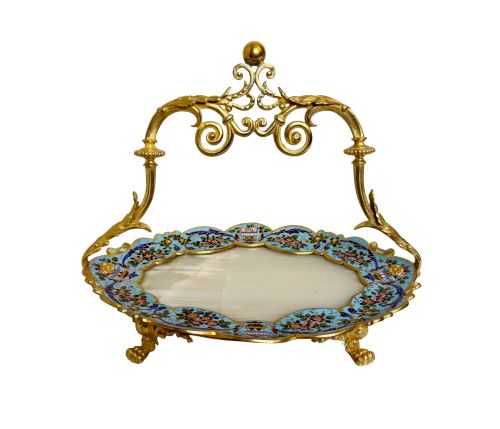
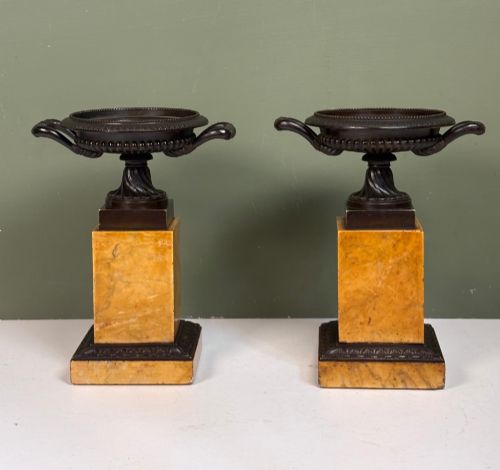
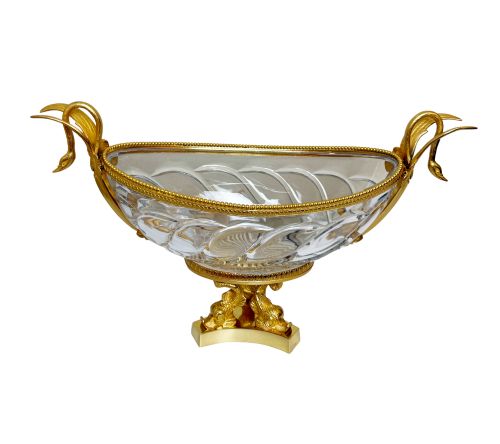
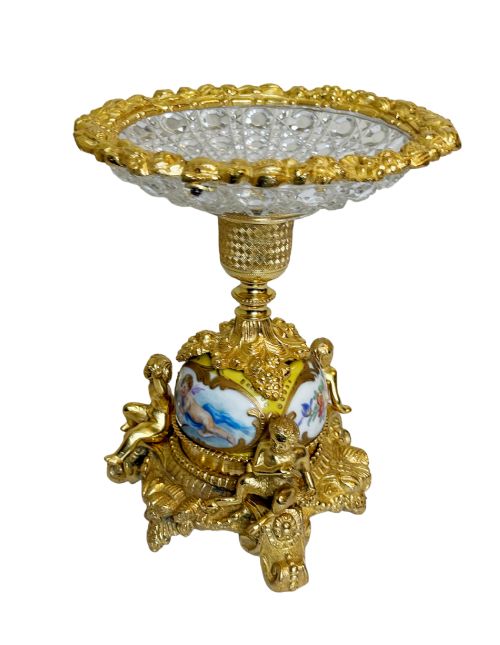
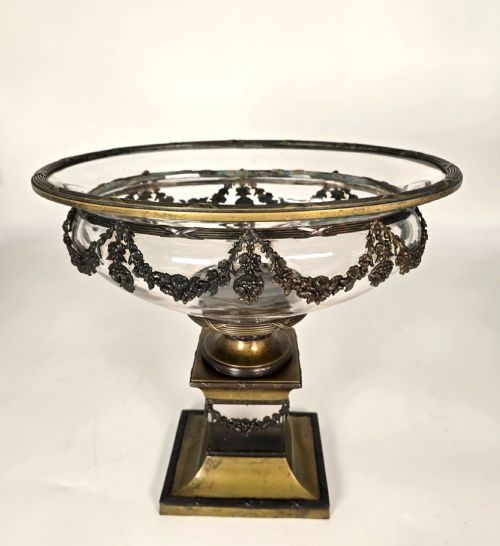
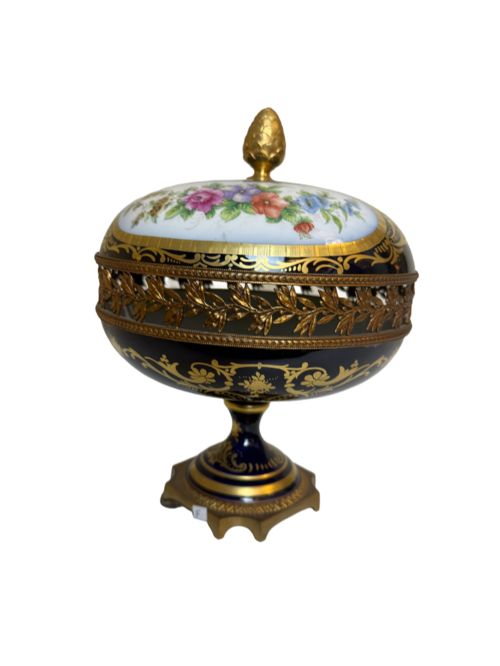
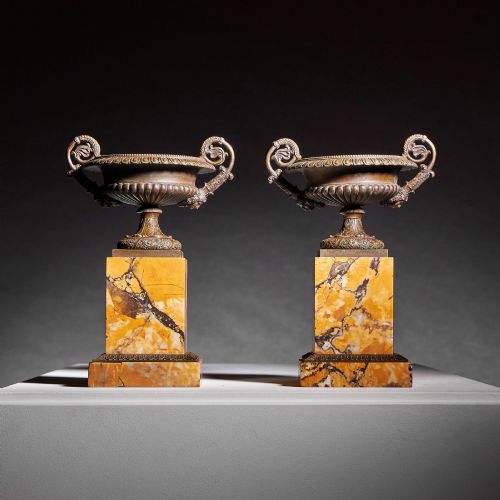
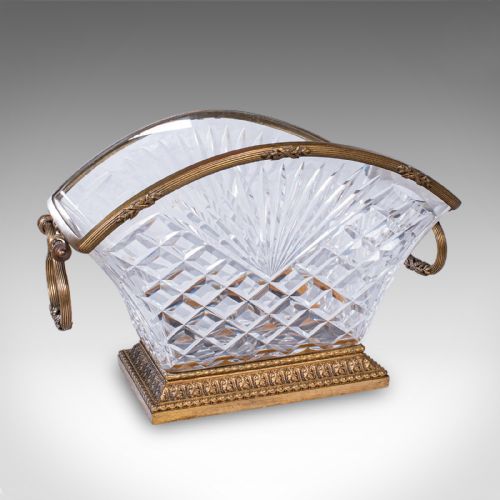
A french bronze centrepiece takes various shapes, most frequently appearing as tazzas, pedestal bowls, decorative urns, and glass or crystal dishes set in metal mounts.
Makers drew on French Empire, Rococo Revival, and Neoclassical styles, producing formal table displays intended to command attention in nineteenth-century interiors.
The materials span patinated bronze, gilt bronze, and ormolu, frequently combined with white or green marble, champleve enamel, and cut glass.
Judging Quality
The definition of the cast metalwork separates standard production from superior examples, with sharp chiselling in the bronze and well-preserved gilding marking the better pieces.
The integration of mixed media dictates value; matching heavy marble plinths, undamaged hand-cut crystal inserts, and intact champleve enamel panels elevate the standing of a piece.
Attribution to documented foundries or cabinetmakers through signatures or distinct stylistic execution adds historical weight to individual items.
Current listings feature pieces spanning the nineteenth century, including Regency, Victorian, and French Empire styles.
Jules Moigniez·Pierre Philippe Thomire
The French Bronze Centrepiece Glossary
- Ormolu
- A technique of applying finely ground high-carat gold to an bronze object. It creates a warm, durable finish characteristic of luxury nineteenth-century decorative arts.
- Tazza
- A wide, shallow saucer or bowl raised on a stem and foot. Makers utilised this classical form for serving fruit or displaying decorative porcelain.
- Champleve
- An enamelling technique where troughs are carved into the metal surface and filled with vitreous paste before firing. This adds colourful geometric or floral patterns to the bronze frame.
- Grand Tour
- A cultural journey undertaken by wealthy young Europeans to view classical antiquities. It inspired miniature bronze reductions of famous monuments for domestic display.
- Jardiniere
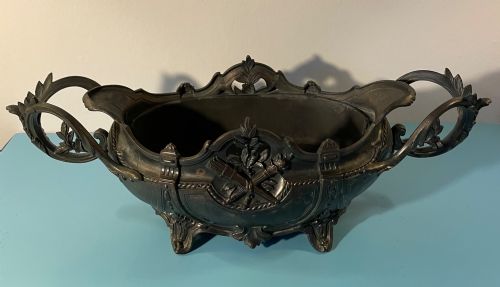
- A decorative ornamental pot or stand for holding plants or flowers. These vessels frequently paired glass liners with ornate gilt bronze mounts.
French Bronze Centrepiece: Frequently Asked Questions
What was a french bronze centrepiece used for?
These decorative objects sat in the middle of formal dining tables to hold fruit, sweetmeats, or floral arrangements during large dinner parties. They functioned primarily as visual centerpieces that demonstrated the host's wealth and taste.
Over time, many transitioned to sideboards and mantelpieces as purely ornamental displays of metalwork, porcelain, and crystal.
How do I distinguish Empire style from Rococo Revival?
Empire style pieces display strict symmetry, military motifs, classical figures, and crisp geometric lines influenced by ancient Rome and Greece. They feel architectural and restrained in their grandeur.
In contrast, Rococo Revival pieces embrace asymmetry, scrolling foliage, naturalistic flowers, and playful cherubs or putti. The forms twist and curve organically rather than adhering to rigid classical proportions.
Can I use these centrepieces for serving food today?
While the original glass and porcelain inserts were designed to hold edible contents, modern users generally avoid serving food in antique pieces. Older glass can be fragile, and historical gilt surfaces require careful handling.
Instead, contemporary owners typically display them empty or filled with dried botanicals to preserve the delicate patination and enamel work.
How do I care for gilt bronze and ormolu?
Maintenance requires only gentle dusting with a soft, dry cloth to prevent the accumulation of grit in recessed details. Avoid all chemical polishes, abrasives, and water, which can strip away the historical gold leaf or damage the underlying bronze.
Keeping pieces away from direct sunlight and damp environments protects both the metal finishes and the associated marble or enamel elements.