
French Box
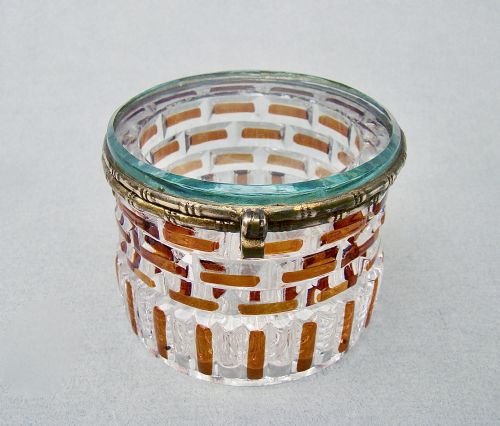
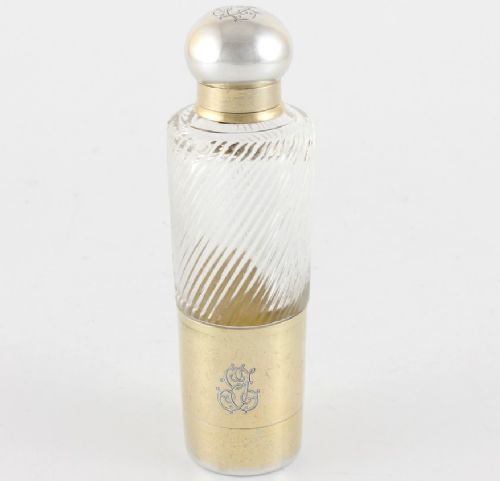
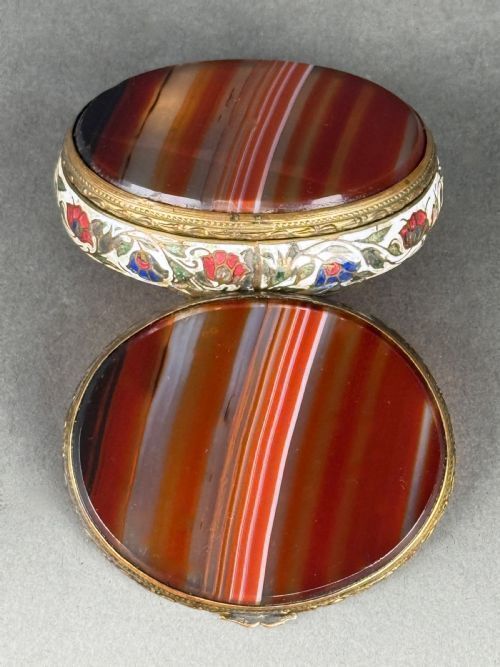
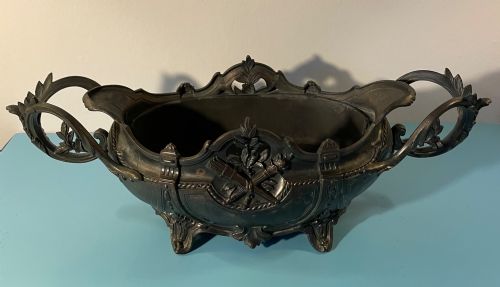
These french antique box pieces combine metal, onyx, and gilt bronze, offering useful storage for jewellery, tea, and cards.
French antique box forms and origins
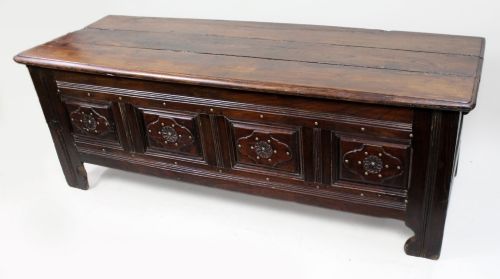
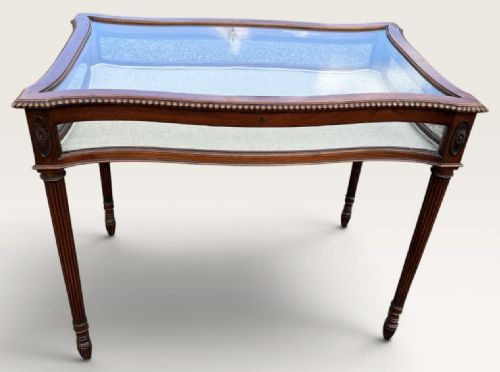
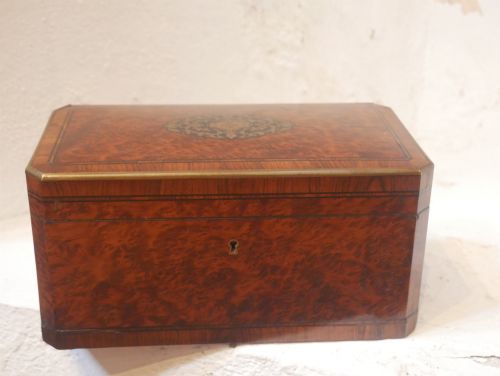
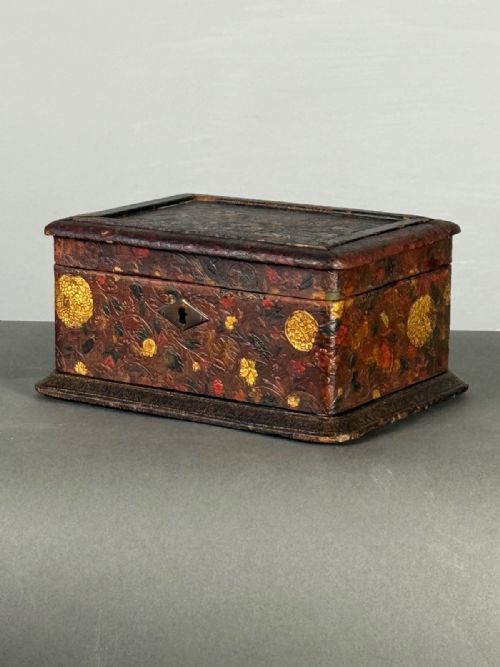
A french antique box encompasses a wide range of decorative and functional containers originating from the nineteenth century and earlier. Buyers encounter jewellery caskets, tea caddies, and playing card boxes alongside smaller trinket, pill, and snuff containers.
The materials span from rich hardwoods like rosewood, satinwood, and ebonised timber to precious metals including solid silver, gilt bronze, and gold. Many examples incorporate decorative elements such as enamel, onyx, bone, and mother of pearl.
These items served various domestic purposes in continental interiors, from holding personal ornaments and dry goods to storing gaming counters and tobacco. Surviving pieces reflect the craftsmanship of specific periods like the Victorian era and the Napoleon III reign.
Materials and construction methods
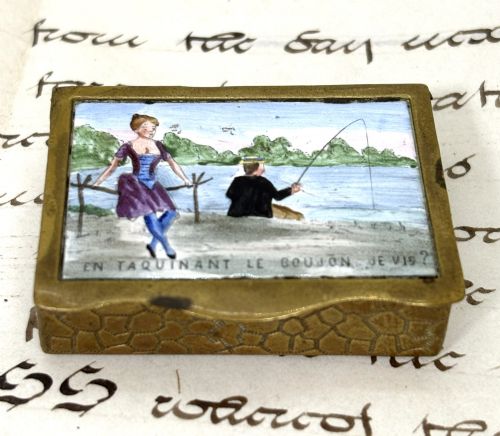
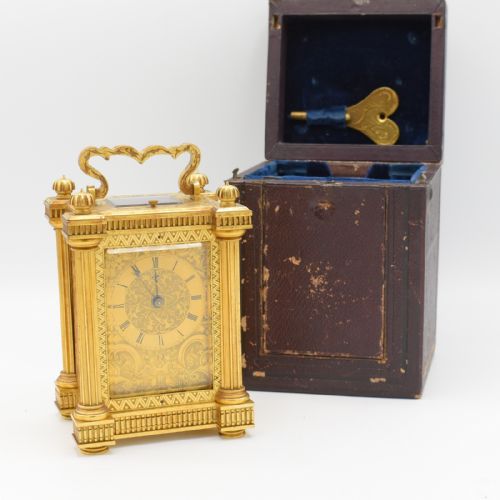
Maker construction relies on cabinet-making techniques for wooden bodies such as tea caddies, games boxes, and glove boxes, utilising rosewood, satinwood, and walnut. Metal containers employ casting, chasing, and gilt bronze or ormolu mounts, frequently paired with blue enamel or porcelain panels.
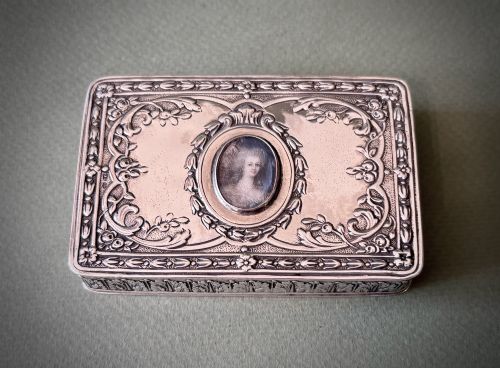
Precious metal boxes display techniques such as engine turning, guilloche decoration, and vermeil finishes over solid silver. Artisans also integrated specialised panels of tortoiseshell, mother of pearl shell, and hand-painted silk or miniature portraits.
Distinctions in quality and finish
Quality rests upon the precision of the metal mounts, the clarity of chased details on bronze and ormolu, and the richness of the enamel work. Finer specimens display integrated keys, silk or velvet linings, and hand-painted portrait miniatures.
The selection of timber, the execution of inlay such as boullework, and the weight of solid silver or gold determine the standing of each piece. Intricate mechanical elements, such as those found in sewing and musical containers, separate standard items from superior works.
Maurice Bouval·Jean Fremin Paris
The French Box Glossary
- Ormolu
- Gilt bronze mounted onto furniture or decorative objects. It involves applying a finely ground high-carat gold mercury amalgam to a bronze object.
- Vermeil
- Sterling silver coated with a thin layer of gold. This technique provides the appearance of solid gold while utilising silver as a base metal.
- Guilloche
- An ornamental pattern produced by a mechanical engraving engine that etches precise intricate geometric motifs into metal.
- Etui
- A small ornamental case used for holding needles, cosmetics, or small implements. They frequently appear in precious metals or mother of pearl.
- Boulle
- A type of marquetry consisting of tortoiseshell and brass inlay developed in France. It typically decorates nineteenth-century caskets and tables.
Frequently Asked Questions
What did they store inside?
These containers held personal valuables such as rings, necklaces, and pocket watches. Larger variants accommodated tea leaves, playing cards, and gloves.
Smaller receptacles contained snuff, tobacco, patches, or pills for daily use. Interiors often featured specialised compartments or silk and velvet linings to protect delicate contents.
How do I date a box?
Dating relies on stylistic markers, prevailing materials, and metal hallmarks where present. Nineteenth-century pieces frequently display Napoleon III or Victorian design characteristics.
Earlier eighteenth-century examples utilise distinct construction methods and portrait styles. Comparing timber types and decorative motifs provides further chronological context.
Are keys usually included?
Many surviving caskets and glove boxes retain their original working keys. Locks were standard for securing valuable jewellery and personal correspondence.
Units lacking keys remain common due to centuries of displacement. Specialised locksmiths can sometimes provide replacement mechanisms if needed.