
Vintage Wooden Box
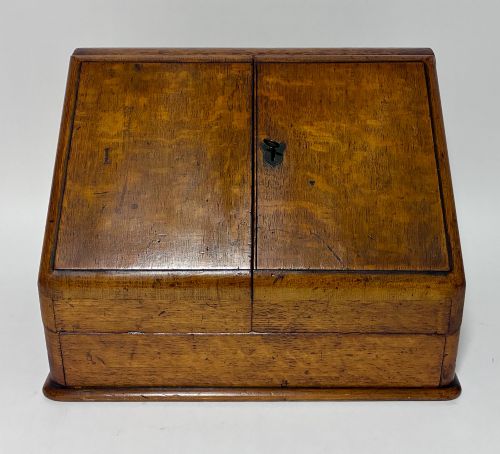
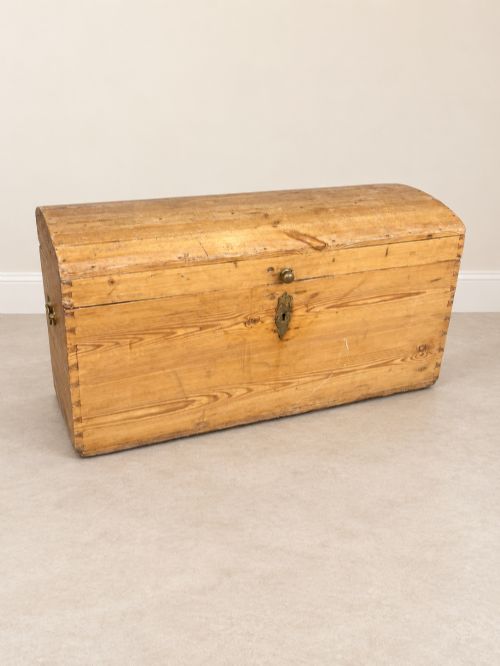
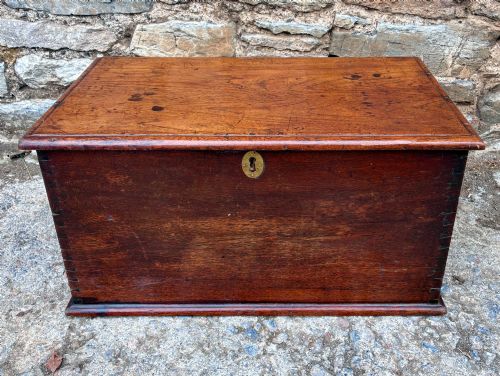
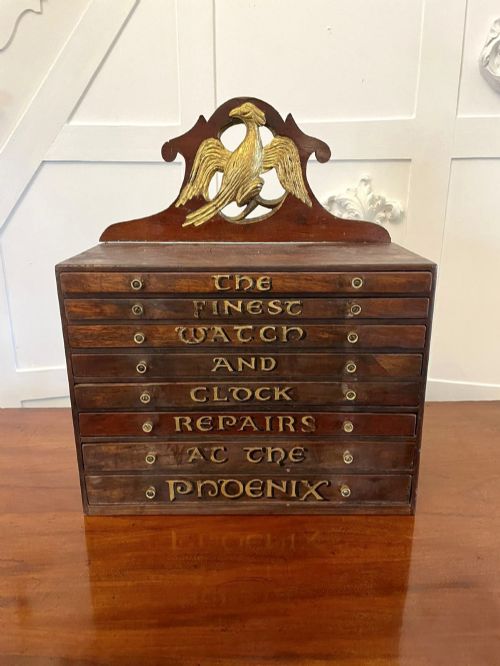
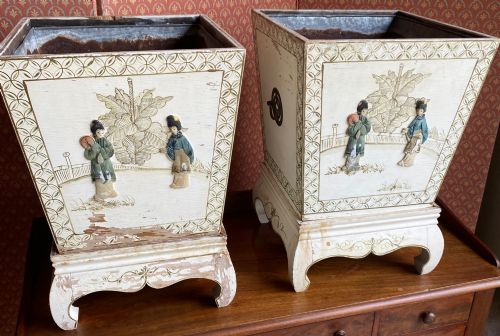
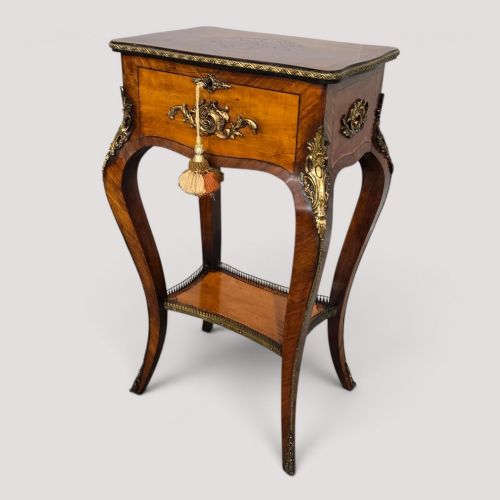
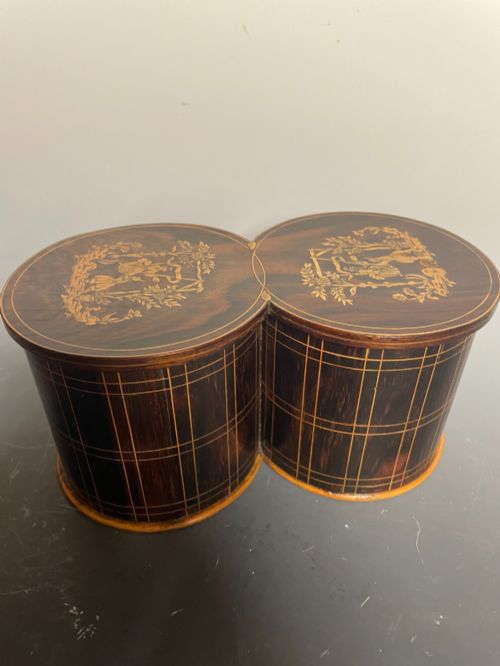
These vintage wooden box examples span centuries of practical storage, shifting from heavy oak coffers and pine blanket chests to mahogany writing slopes and brass-bound campaign trunks.
Vintage Wooden Box
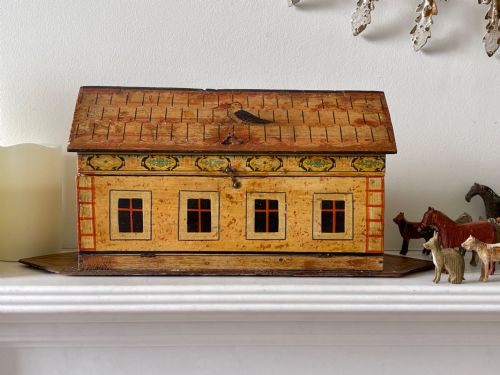
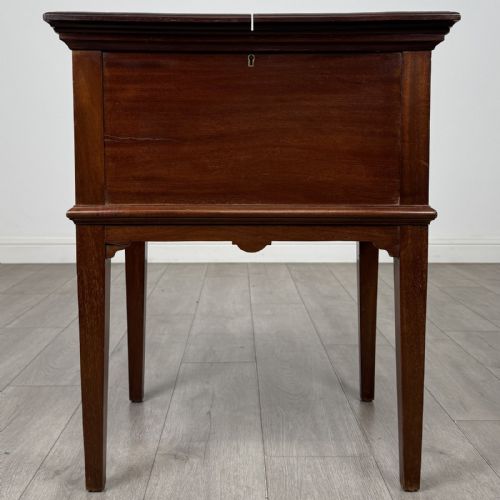
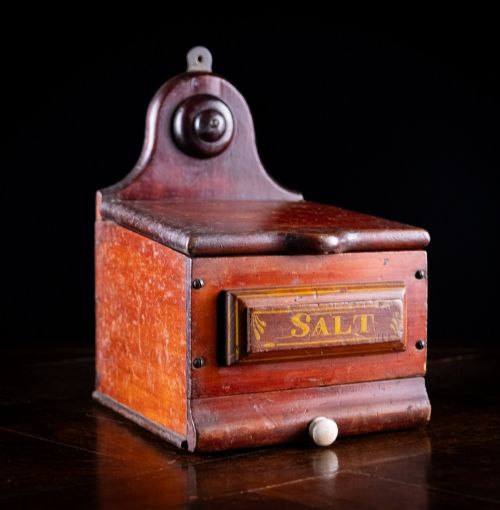
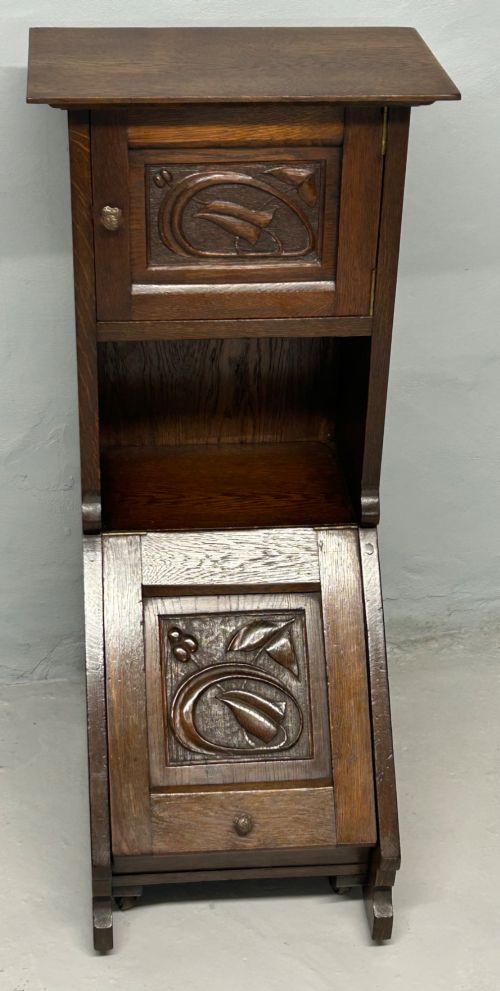
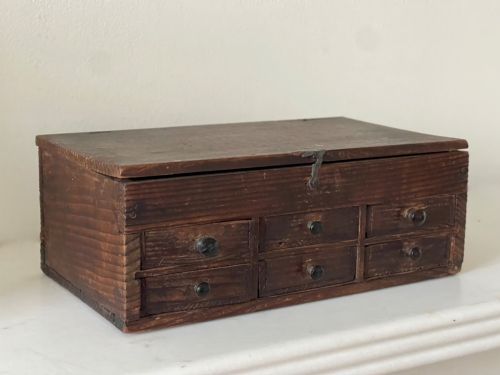
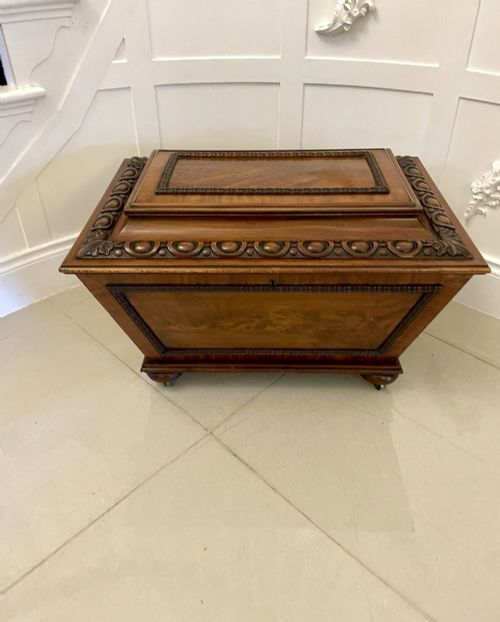
A vintage wooden box encompasses utility items designed for holding documents, linens, valuables, and provisions. The phrase gathers diverse forms, from humble country pine trunks to refined Georgian mahogany tea caddies and cellarettes.
Buyers frequently encounter 19th-century Victorian pine blanket boxes, heavy oak coffers, and camphor wood steamer trunks intended for travel. These utilitarian objects served households, military officers, and travellers across generations.
Materials and construction
Carpenters utilised domestic timbers like oak, elm, and pine for sturdy chests and bins, whilst cabinet makers turned to imported mahogany, walnut, and camphor wood for finer boxes. Camphor wood provided natural insect resistance, making it suitable for campaign chests intended for tropical climates.
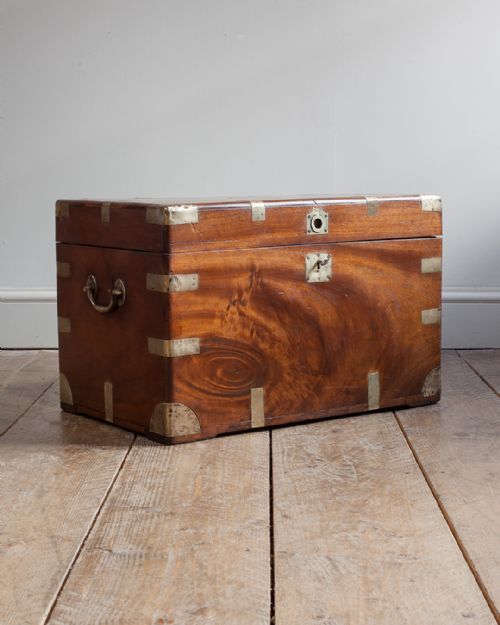
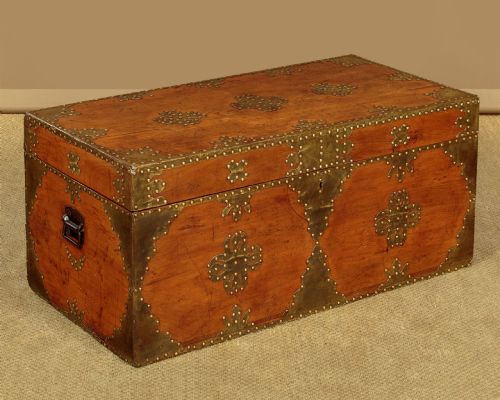
Iron and brass featured prominently as functional reinforcement. Corner brackets, strap hinges, carrying handles, and locks protected vulnerable edges on travel trunks and document boxes, adding both structural strength and visual contrast to the grain.
Current listings feature pieces spanning the 18th, 19th, and early 20th centuries, utilising pine, oak, mahogany, camphor wood, and iron.
Distinctions in craftsmanship
Construction methods dictate quality, separating mass-produced utility crates from pieces built by skilled joiners. Dovetail joints, cleanly fitted interiors, and substantial timber thickness indicate superior workshop standards.
The integrity of original brass hardware, working locks with matching keys, and the condition of secondary timbers inside drawers elevate certain examples. Retained surface patination and minimal structural alteration remain central to desirability.
Tahan Paris·De Grave Short & Co
The Vintage Wooden Box Glossary
- Campaign trunk
- A portable storage chest designed for military officers on the move, typically constructed from camphor wood or mahogany with recessed brass handles and corner braces.
- Cellarette
- A specialised container used for storing wine bottles near the dining table, often lined and fitted with internal partitions.
- Coffer
- A heavy wooden chest with a hinged lid, traditionally utilised for storing valuables, textiles, or documents in domestic settings.
- Writing slope
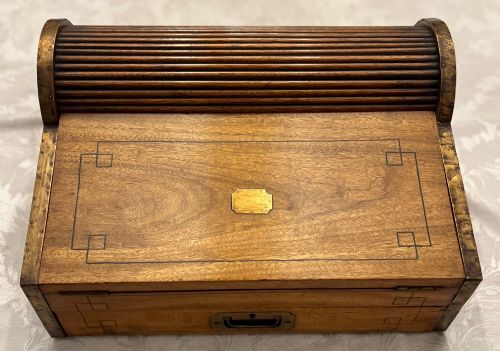
- A portable slant-topped desk that folds open to reveal a writing surface, inkwell compartments, and secret stationery drawers.
- Treen
- Small handmade wooden household objects and utilitarian items, ranging from snuff boxes to mortars, valued for their tactile qualities and folk art appeal.
Vintage Wooden Box: Frequently Asked Questions
What were camphor wood trunks used for?
Camphor wood trunks served British military officers and merchants travelling through tropical regions during the 19th century. The dense, aromatic wood protected uniforms and documents from dampness and insects.
These chests featured robust brass bindings and recessed handles designed to withstand rough transit on ships and carriages.
How do I date an oak coffer?
Dating relies upon examining construction marks, joint types, and surface wear rather than relying solely on stylistic revivals. Hand-cut dovetails, pegged mortise and tenon joints, and native oak boards indicate earlier periods.
Later revival pieces often display machine-sawn timber or standardised modern fixings hidden beneath applied decorative carvings.
Where should I place a blanket box?
Blanket boxes function effectively at the foot of a bed for storing spare linens, winter blankets, or pillows. Their flat lids also allow them to double as casual seating benches in bedrooms or hallways.
Positioning them away from direct heat sources and radiators prevents the solid pine or oak timbers from drying out and splitting over time.
What is a campaign writing slope?
A campaign writing slope is a portable wooden box that opens to form an angled desk surface for correspondence. They typically contain internal compartments for inkwells, nibs, and writing paper.
Officers carried these compact boxes on military campaigns to maintain paperwork and write letters while stationed in the field.