


Nineteenth Century Caddy
Nineteenth century caddy examples are functional boxes made to store loose leaves safely, prized for their decorative timber and period craftsmanship.
Nineteenth Century Caddy
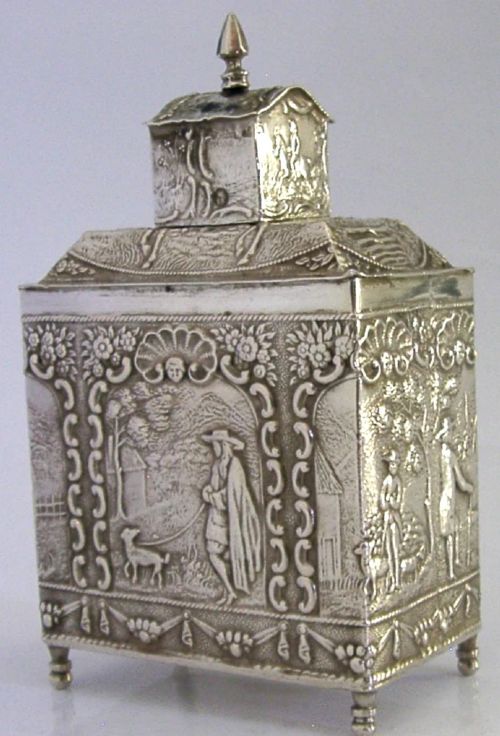
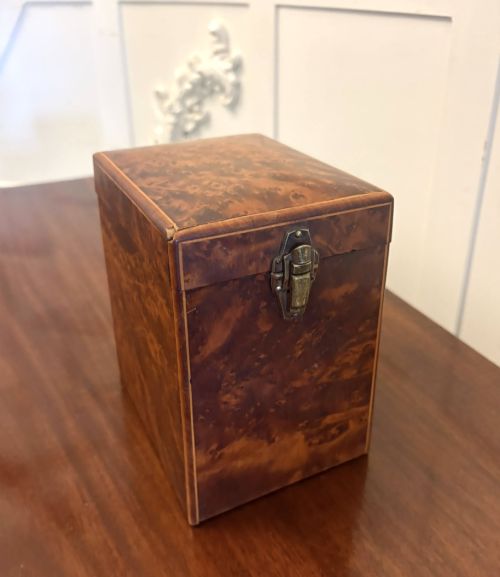
When buyers search for nineteenth century caddy items, they encounter decorative storage boxes designed for tea leaves during the 19th Century, Regency, and Victorian periods. These pieces include tea caddies and tea caddy forms originating from British and French 19th Century workshops.
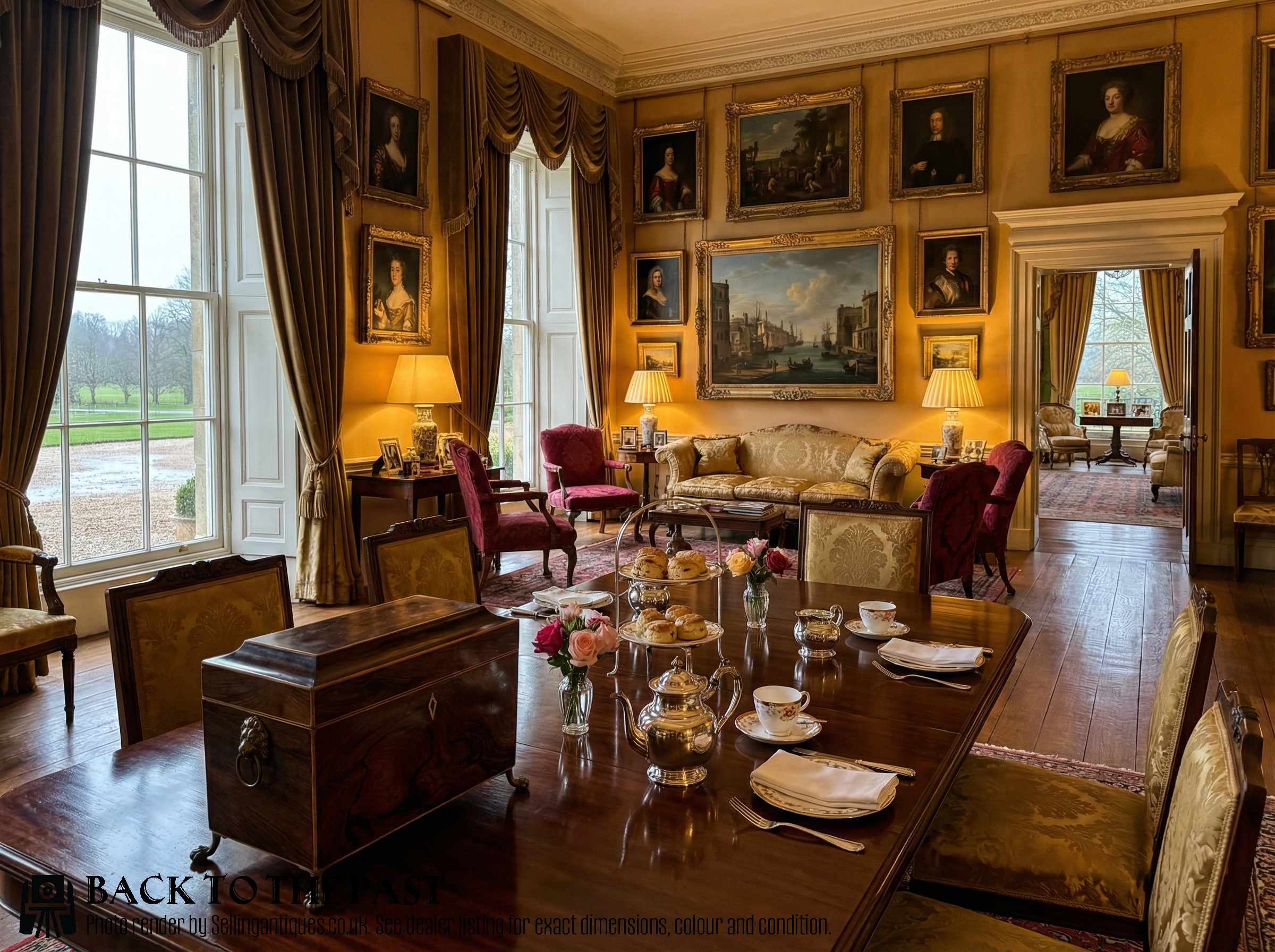
How they were made
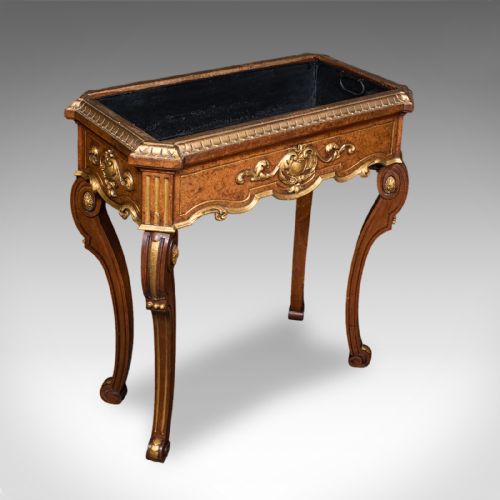
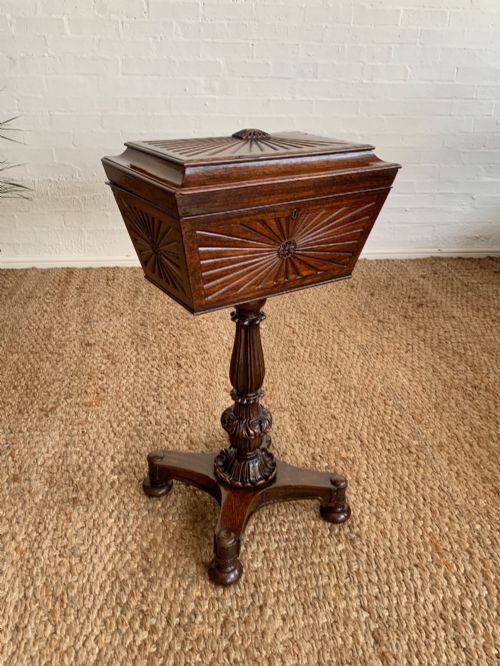
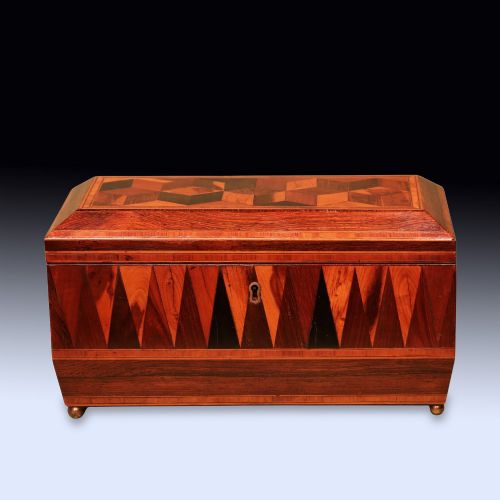
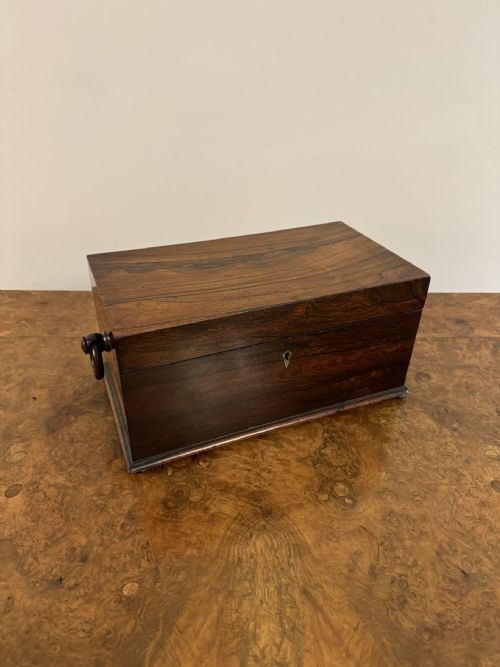
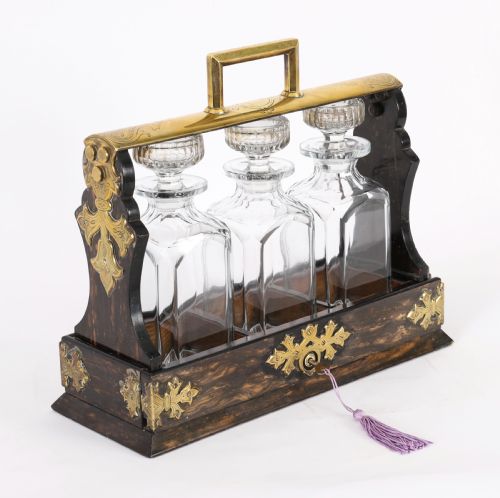
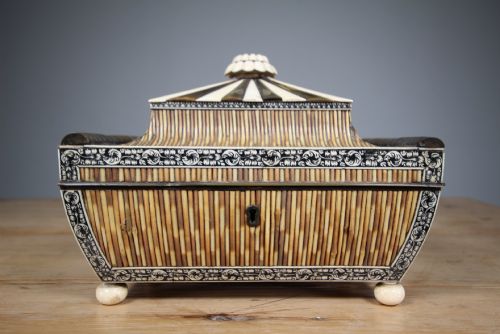
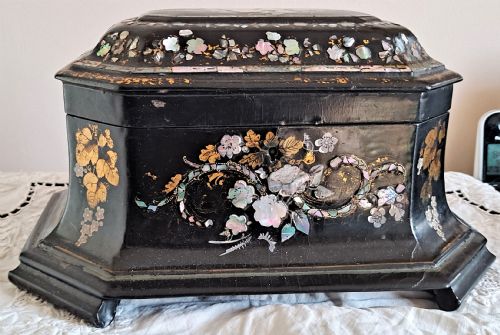
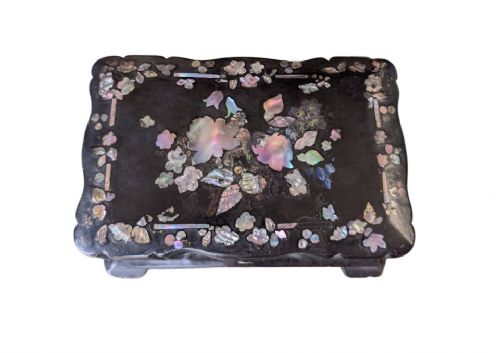
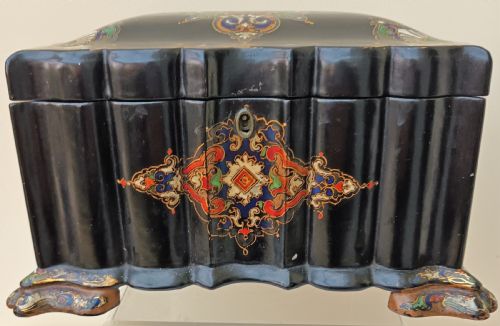
Maker workshops utilised solid timbers alongside amboyna veneer, rosewood, and mahogany to construct the core box structures. Surfaces frequently incorporated decorative elements such as mother of pearl inlay, bone accents, and papier mache.
Lacquer finishes protected the exterior surfaces while highlighting the natural grain of the wood. Brass fittings and interior compartments completed the construction of these storage vessels.
Nineteenth Century Caddy Retail Price Guide 2026
Typical asking prices for nineteenth century caddy among the pieces listed under this phrase on Sellingantiques today, from the lower quarter to the upper quarter. They describe what is for sale here now, not the wider market.
Listings feature pieces spanning the 19th Century, utilising rosewood, mahogany, papier mache, brass, bone, mother of pearl, and amboyna veneer.
What varies in quality
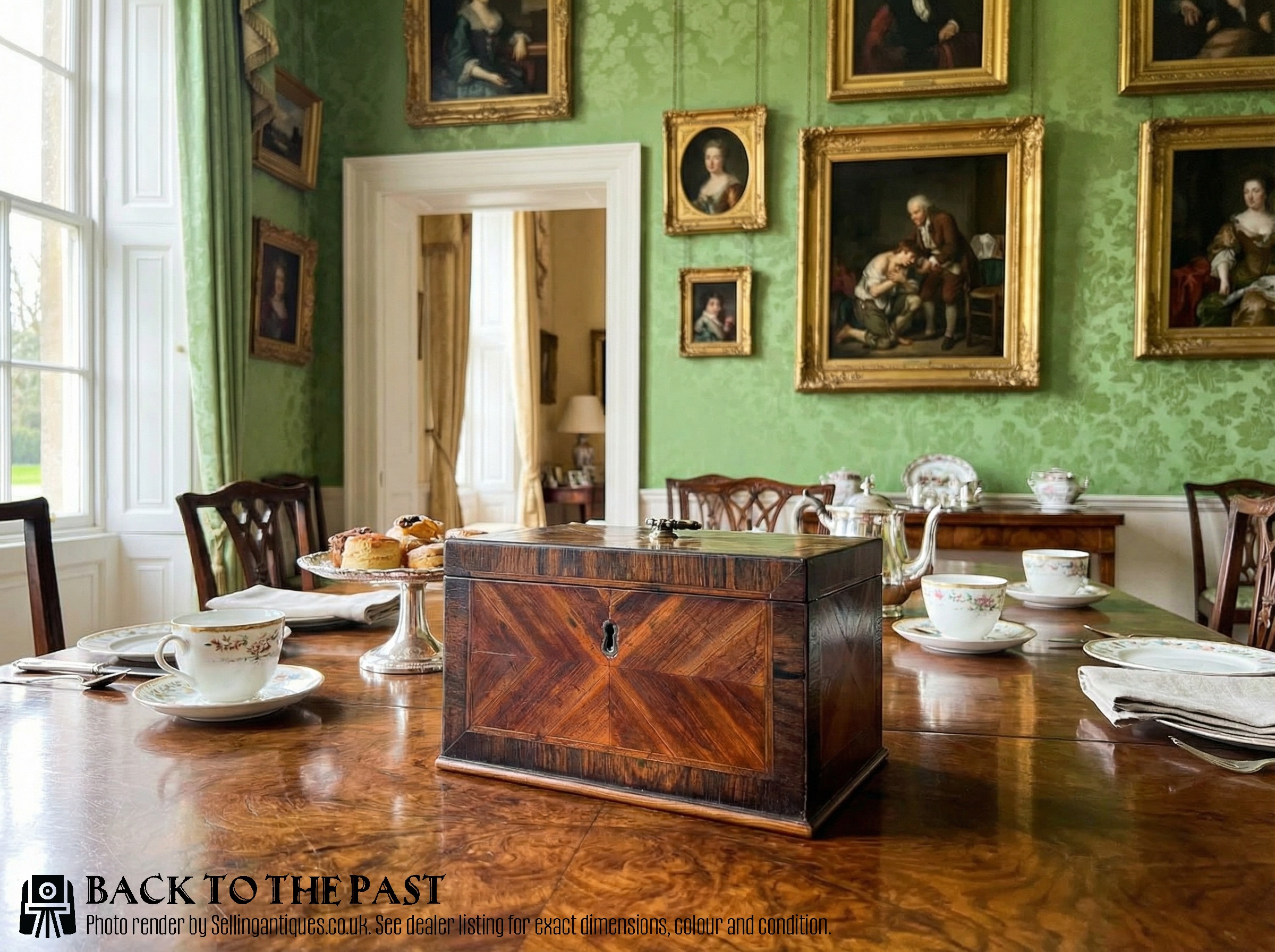
Quality rests in the selection of timber veneers and the precision of the inlay work, particularly how neatly mother of pearl or bone is fitted into the rosewood or papier mache ground. Finer examples display harmonious grain patterns in amboyna and mahogany.
The sophistication of the internal layout and the retention of original brass hardware elevate certain pieces above standard utility boxes. Superior execution involves balanced proportions and clean joinery across both Regency and Victorian iterations.
The Nineteenth Century Caddy Glossary
- Regency
- A stylistic period spanning the early 19th century, known for classical restraint and elegant rosewood furniture forms. Pieces from this era often feature clean architectural lines.
- Victorian
- A period associated with the reign of Queen Victoria, encompassing varied revival styles and decorative papier mache items. This era produced diverse tea caddy designs utilising mother of pearl.
- Veneer
- A thin layer of valuable wood, such as amboyna or mahogany, applied to a secondary timber base to create decorative surfaces. This technique allowed makers to display dramatic grain patterns.
- Mother of Pearl
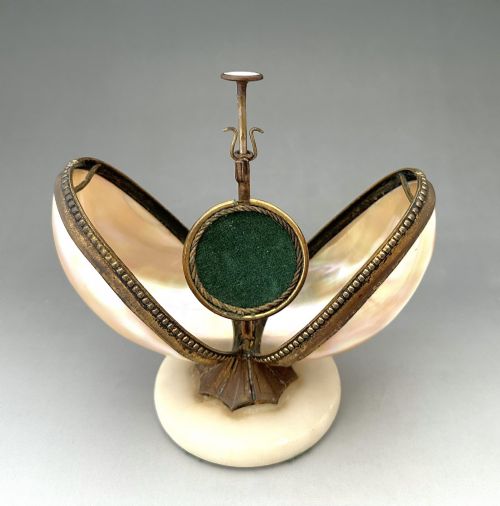
- An iridescent inner layer of mollusc shell utilised for inlay work on papier mache and wooden caddies. It catches the light to form geometric or floral motifs.
Nineteenth Century Caddy: Frequently Asked Questions
What is a nineteenth century caddy?
A nineteenth century caddy is a lidded box designed to store dried tea leaves securely in domestic rooms. These containers protected valuable commodities from dampness and theft.
They appear in materials such as rosewood, mahogany, papier mache, and amboyna veneer, often featuring internal compartments for different tea varieties.
How do I date a nineteenth century caddy?
Dating relies on identifying the prevailing style, timber choices, and decorative techniques associated with specific periods like the Regency era or Victorian times. Materials like papier mache with mother of pearl inlay typically point towards the mid to late 19th Century.
Examining the construction methods and interior fittings helps place the piece within its historical decade.
How were tea caddies used?
Tea caddies were kept in the dining room or drawing room to store high-value tea leaves under lock and key. The master of the house usually held the key to ration the tea.
Internal compartments separated different varieties of leaves, sometimes featuring mixing bowls or foil-lined canisters.
What materials are common in these caddies?
Common materials include hardwoods such as rosewood and mahogany, frequently enhanced with amboyna veneer. Decorative elements incorporate mother of pearl, bone, and brass.
Papier mache also appears on Victorian pieces, providing a smooth surface for lacquer and inlay.