



Antique French Caddy
An antique french caddy is a refined wooden or metal receptacle for dry leaf tea, holding domestic luxury in small compass.
Antique French Caddy
When buyers search for an antique french caddy, they encounter vessels designed to store precious tea leaves securely under lock and key. The selection spans traditional wooden tea caddies alongside related storage pieces such as stationery caddies and liquor caskets.
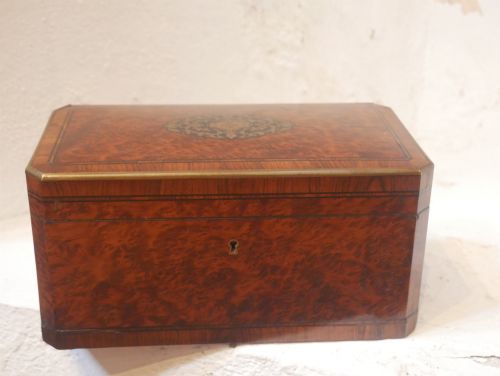
Examples on this page draw from nineteenth-century periods, utilising cabinet woods like rosewood, mahogany, and walnut. Makers ornamented these containers with brass inlay, tortoiseshell, and boulle work to suit formal drawing rooms.
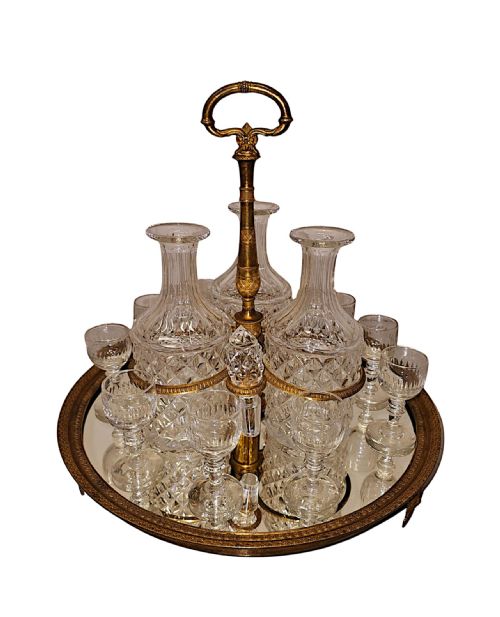
Alongside standard tea containers, the selection includes desk-top stationery racks and spirit caskets fitted with decanters. Each form reflects nineteenth-century social rituals surrounding hospitality and correspondence.
How they were made
Cabinetmakers constructed carcass boxes from dense timbers such as mahogany, rosewood, and oak, applying decorative veneers like amboyna, kingwood, and thuya wood to external surfaces. Artisans embedded brass stringing and pewter marquetry into the wood grains to create geometric and floral patterns.
Metal components involved cast or gilded bronze, known as ormolu, alongside silver and brass mounts that reinforced corners and framed lids. Interiors frequently combined fitted compartments lined with velvet or silk with glass or metal canisters for storing leaf tea.
What varies in quality
Quality rests upon the precision of the cabinetwork and the intricacy of the surface embellishment. Finer boxes display meticulous marquetry, such as delicate brass and tortoiseshell boulle work, executed without gaps in the joinery.
Hardware and interior fittings further distinguish tiers of craftsmanship. High-grade specimens retain original working locks with matching keys, heavy cast ormolu mounts, and intact internal canisters rather than later replacements.
Tahan Paris·Edmond Tetard·Sudre·Maison Barra
The Antique French Caddy Glossary
- Boulle
- Marquetry technique utilising tortoiseshell and brass or pewter, cut together to form interlocking patterns of dark and metallic ornamentation.
- Ormolu
- Gilded bronze mounts and decorative feet applied to cabinet furniture and decorative boxes during the nineteenth century.
- Tantalus
- A wooden liquor case or caddy fitted with glass decanters held within a locking framework that prevents removal until unlocked.
- Tapa
- A decorative box or receptacle, often associated with luxury desk accessories and tea storage in period parlours.
- Sevres plaque
- Painted porcelain insert set into the lid or front panel of nineteenth-century French wooden boxes.
Antique French Caddy: Frequently Asked Questions
What is an antique french caddy?
An antique french caddy is a decorative lidded box produced in nineteenth-century France to store dry tea leaves. These containers incorporated secure locks to protect expensive imported commodities.
Cabinetmakers utilised exotic timbers and applied brass inlay or tortoiseshell to match the elegant interiors of period reception rooms.
How were tea caddies used?
Households used tea caddies to store different varieties of tea leaves under lock and key, a task usually managed by the mistress of the house. The interior typically contained separate lidded compartments or canisters for green and black tea.
Guests would gather in the drawing room while the host dispensed the leaves from the caddy into porcelain teapots using matching spoons.
How do I date an antique french caddy?
Dating relies upon stylistic markers, timber choices, and construction methods characteristic of specific nineteenth-century reigns. Pieces from the 1850s often feature rosewood with intricate brass inlay, while later Victorian and Third Republic examples embrace ebony or burr woods.
Examining internal hinges, paper linings, and lock mechanisms provides further evidence for establishing the decade of manufacture.
How do I care for wooden caddies?
Wooden caddies require stable indoor humidity away from direct sunlight and heat sources to prevent timber warping and veneer lifting. Gentle dusting with a dry, soft cloth maintains the polished surface without stripping historic finishes.
Leather and brass components benefit from occasional light cleaning using specialist conservation products suited to antique metals.