



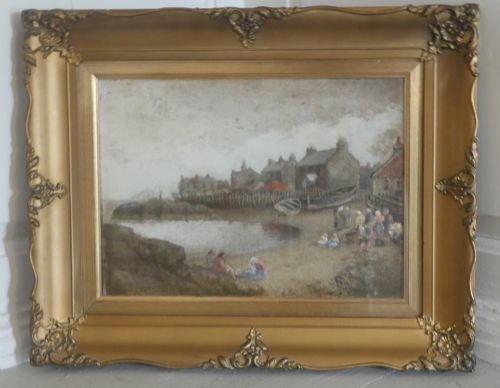
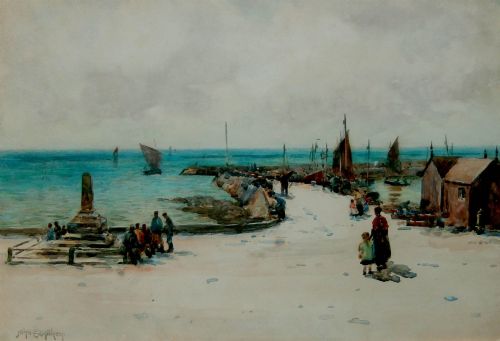

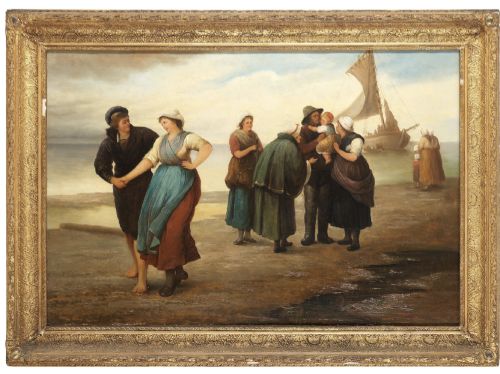
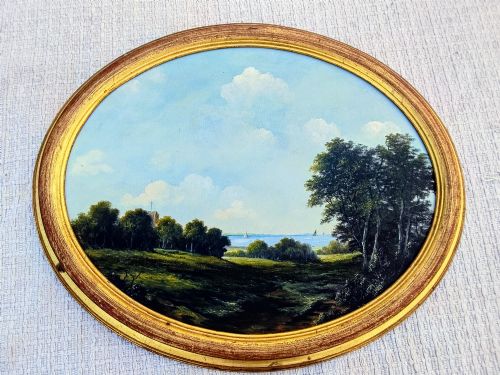
Framed Marine Landscape Painting
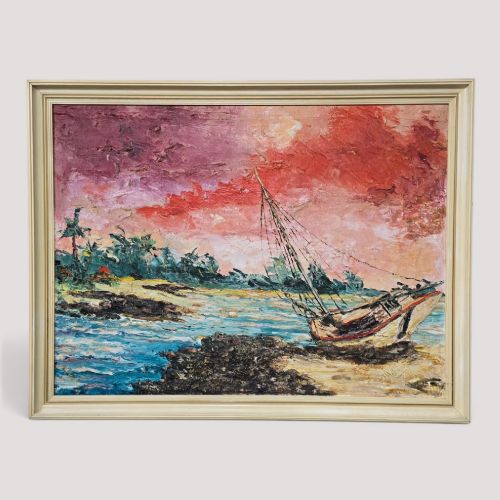
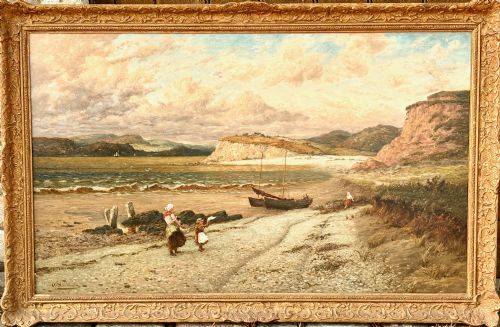
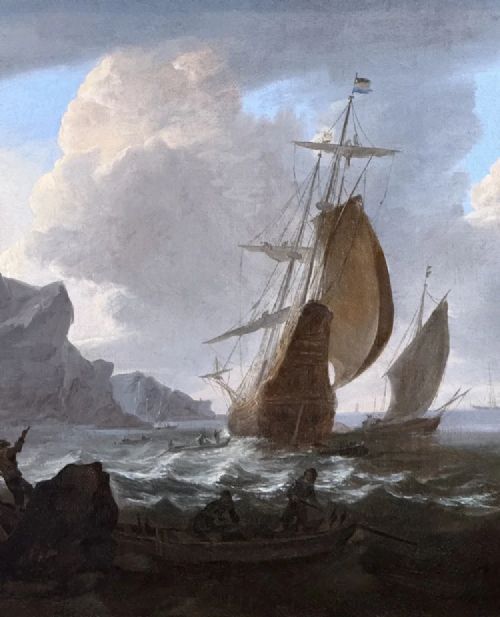
A framed marine landscape painting brings the open water, rocky coastlines and busy harbours of the nineteenth and twentieth centuries directly into a room.
Framed Marine Landscape Painting
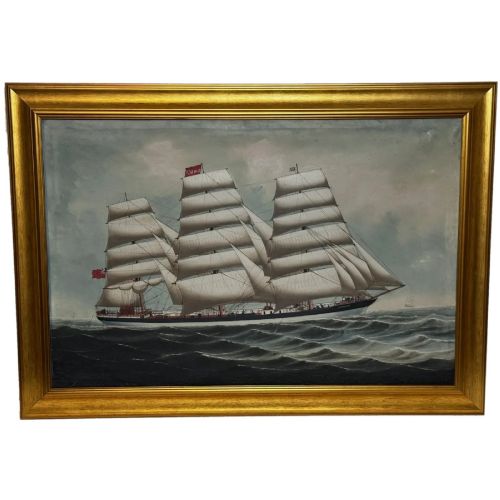
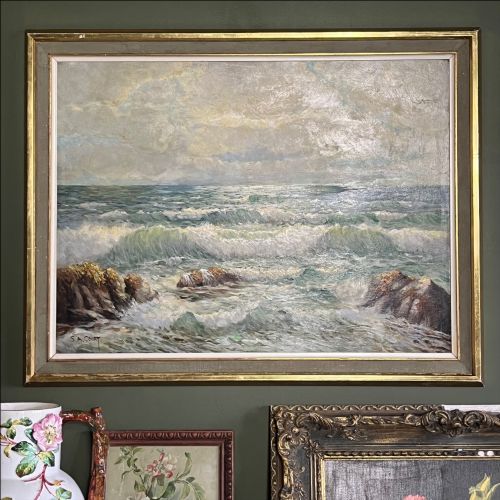
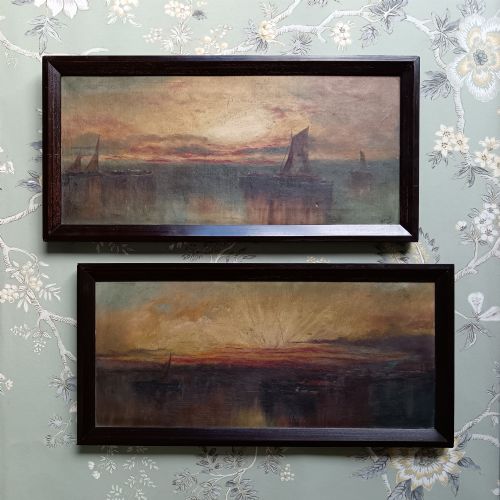
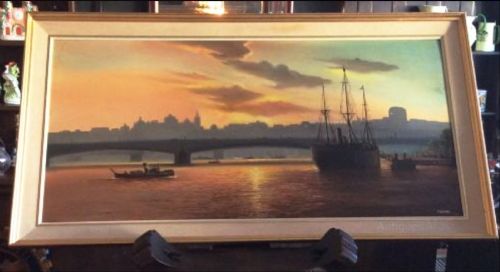
A framed marine landscape painting captures coastal views, maritime activities, and open seas across various periods from the Victorian era into the mid-twentieth century. Buyers searching for a framed marine landscape painting will encounter works depicting everything from calm river estuaries and quiet fishing villages to dramatic stormy seas and bustling international ports.
The selections span traditional nineteenth-century watercolours and oils to later twentieth-century interpretations, reflecting changing artistic approaches to the coast. Many pieces focus on specific British and European locations, including Cornish harbours, Scottish shores, and the River Thames.
Works appear in formats ranging from intimate watercolours on paper to large-scale oils on canvas housed in period wood and gilt frames. These pieces document maritime heritage through the distinct hands of Victorian, Edwardian, and mid-century painters.
How they were made
Painters utilised oil paint or watercolour applied to canvas, board, or paper, capturing light on water and atmospheric coastal conditions. Oil on canvas allowed artists to build rich textures in waves and skies, while watercolours offered swift, luminous washes suited to en plein air sketching.
Listings feature canvases and watercolours spanning the nineteenth century through to the nineteen-sixties, highlighting diverse coastal locations.
What varies in quality
The skill of the brushwork and the artist's command of light, shadow, and perspective distinguish finer maritime canvases from standard topographical records. Superior examples demonstrate a confident handling of water movement, atmospheric depth, and tonal harmony in the sky.
The condition of both the painted surface and the framing contributes significantly to the integrity of the piece, with undisturbed original canvases and period gilt wood frames holding particular appeal. Works by documented practitioners or those exhibiting exceptional compositional energy command greater attention among collectors.
Clifford Hanney·Reginald Arthur Borstel·Sidney A Court·B Nash·John E Aitken·William Banks Fortescue·Bonaventura Peeters·Clive Browne·Peter Brannan·Paul Bret·Francis Moltino·Bernard Benedict Hemy·Thomas Creswick·Willem Bos·Charles Euphraisie Kuasseg·John Wilson Carmichael·Joseph Farquharson·John Moore of Ipswich·William Henry Williamson·John Holland·George Stanfield Walters·Frank Kelsey·F A Roylance·John Moxon
The Framed Marine Landscape Painting Glossary
- Seascape
- A work of art depicting the sea, coastlines, or maritime activities. These scenes range from calm coastal inlets to turbulent open waters.
- En plein air
- The practice of painting outdoors to capture direct observations of natural light and weather. This method was widely adopted by nineteenth and twentieth-century landscape artists.
- Gilt wood
- Wood coated with a thin layer of gold leaf or metallic gilt finish. It is commonly found on traditional frames designed to highlight oil paintings.
- Watercolour
- A painting method where fine pigment is suspended in a water-soluble binder on paper. It allows for translucent washes and delicate tonal shifts.
- Canvas
- A heavy woven fabric stretched across a wooden support frame to serve as a painting surface. It remains a primary medium for durable oil paintings.
Framed Marine Landscape Painting: Frequently Asked Questions
How do I date a marine oil painting?
Dating relies on stylistic clues, the type of canvas or board support, and the construction of the frame. Victorian works often display heavier narrative detail, whereas mid-century examples lean towards looser brushwork.
Signatures, artist registry dates, and exhibition labels on the reverse provide further chronological context for the piece.
Are watercolours as durable as oils?
Watercolours require protection behind glass and away from direct sunlight to prevent fading of the pigments over time. Oils on canvas offer greater resilience against environmental light exposure.
Both mediums survive well when kept in stable indoor humidity conditions away from damp walls.
Where should I hang a coastal painting?
These works suit spaces with good ambient light that complements the atmospheric tones of the sky and water. Placing them away from direct heat sources protects both the painted surface and the wooden frame.
Consider eye-level placement in rooms where the narrative detail of harbours or shipping vessels can be appreciated closely.
How do I identify the framing period?
Frame construction techniques, corner mitres, and the composition of the plaster ornament indicate the likely era of manufacture. Gilt wood frames from the nineteenth century often exhibit hand-carved detailing and patinated surfaces.
Original framing pairs harmoniously with the painting's aesthetic, though many historic works were reframed over subsequent decades.