


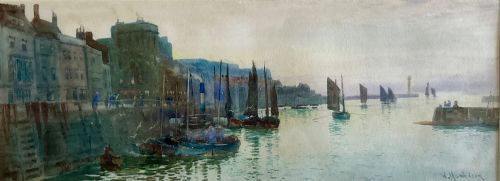
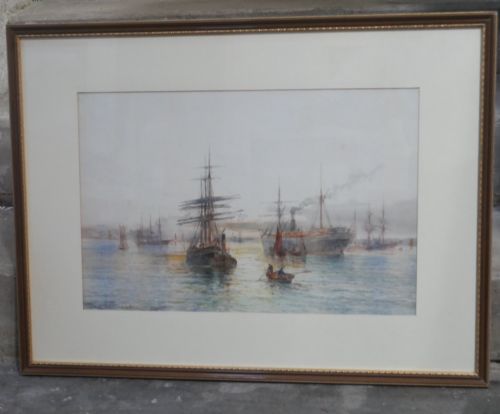
Framed Maritime Watercolour
When you examine a framed maritime watercolour, you hold a piece of coastal history captured through delicate washes of pigment.
Framed Maritime Watercolour
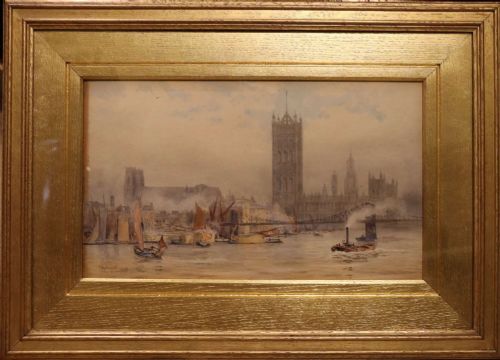
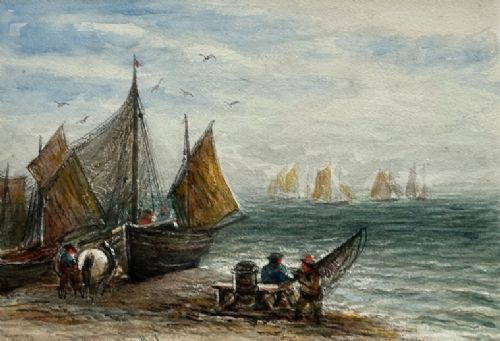
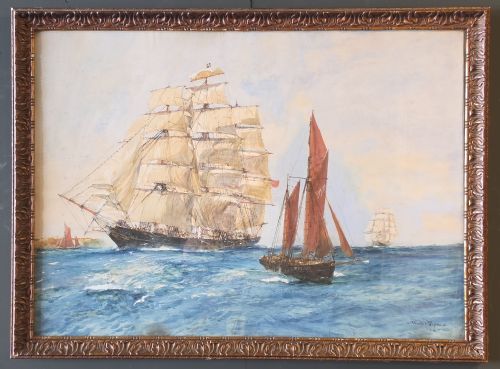
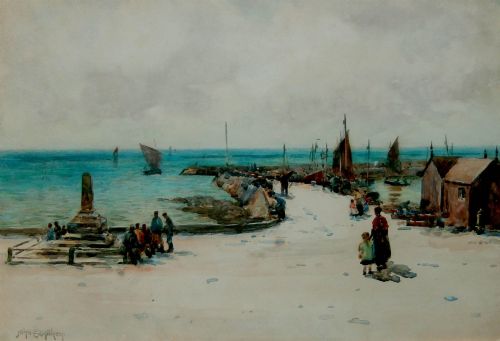
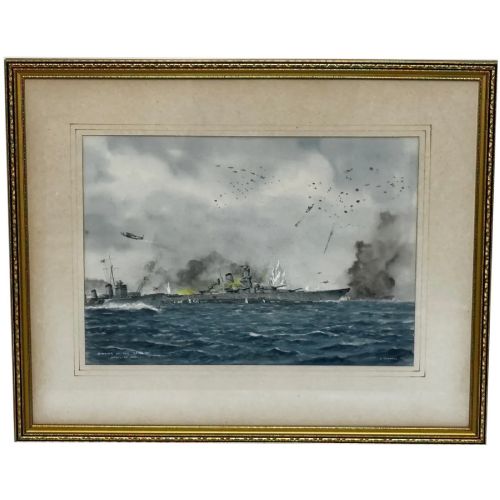
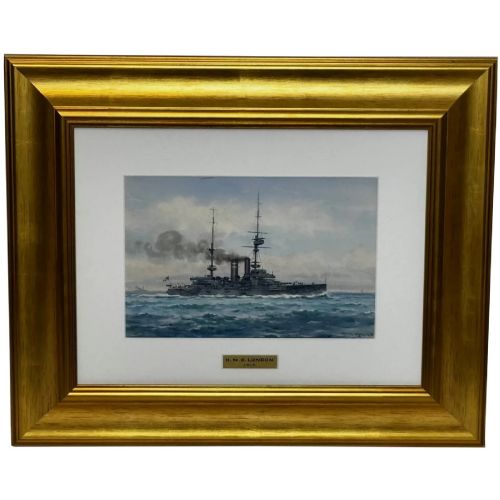
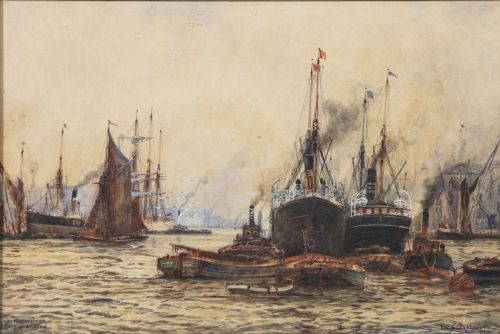
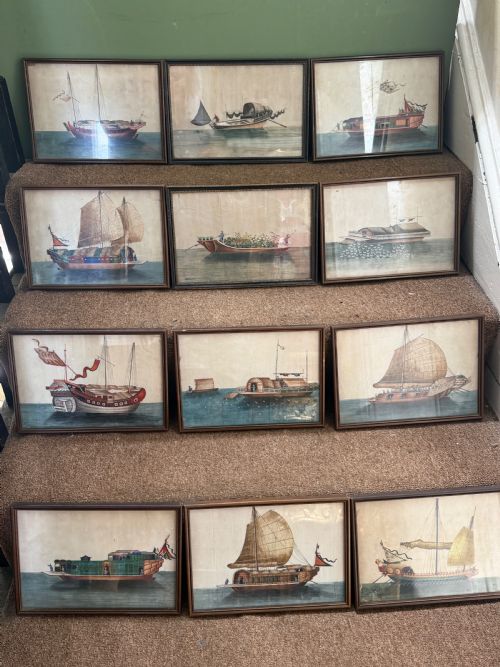
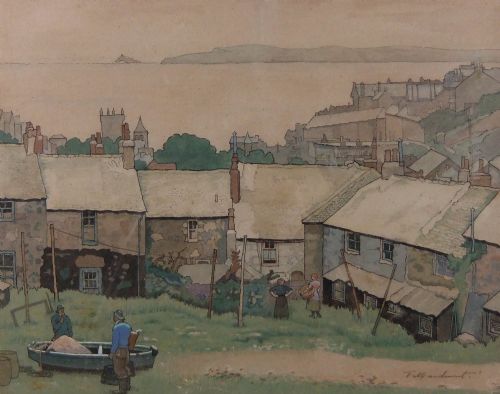
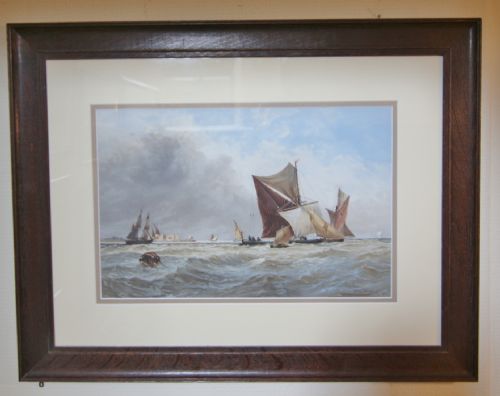
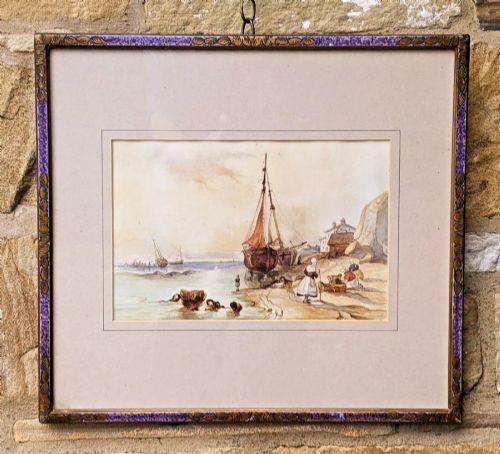
A framed maritime watercolour represents coastal views, bustling harbours, and ships at sea executed primarily on paper supports. These works range from late Victorian detailed scenes to mid-century depictions of naval vessels.
The most common examples on this page date from the nineteenth and early twentieth centuries, capturing British and European coastal life, fishing luggers, and historical vessels under sail or steam.
Makers and artists often signed these works directly on the front or inscribed them with specific locations such as Whitby, St Ives, or the Thames.
Materials and technique
Artists applied watercolour pigment and sometimes gouache onto paper, utilising the white of the unpainted paper to create highlights of light on water and sky. These works were then housed behind glass within wooden frames, frequently finished with gilt moulding.
The combination of transparent washes and opaque bodycolour allowed painters to depict complex atmospheric conditions, from calm morning ports to turbulent North Sea storms.
Framed Maritime Watercolour Retail Price Guide 2026
Typical asking prices for framed maritime watercolour among the pieces listed under this phrase on Sellingantiques today, from the lower quarter to the upper quarter. They describe what is for sale here now, not the wider market.
Listings feature works spanning from the Victorian era through the mid-twentieth century, employing paper, gouache, and gilt wood frames.
Distinctions in standard
Quality rests upon the artist's command of perspective, tonal balance, and the accurate rendering of marine architecture and rigging. Hand-painted works by recognised maritime specialists display a confident fluidity that distinguishes them from amateur sketches.
The preservation of the paper support and the vibrancy of the original pigments, free from excessive fading caused by sunlight, dictate the overall standard of the finished framed piece.
H. Medlycott·James Orrock·Charles Edward Dixon·Frank Watson Wood·George Stanfield Walters·Thomas Bush Hardy
The Framed Maritime Watercolour Glossary
- Gouache
- An opaque watercolour paint that includes a white pigment binder to create solid areas of colour. It is frequently combined with transparent washes to add highlights.
- Lugger
- A small fishing vessel carrying lug sails set on one or two masts. These boats appear frequently in nineteenth-century coastal scenes.
- Works on paper
- A collective category encompassing watercolours, drawings, and gouache paintings executed on paper supports. These require protection behind glass.
- Gilt wood
- Wood framing finished with a thin layer of gold leaf or metallic paint. This traditional framing method enhances the warm tones of older paintings.
Framed Maritime Watercolour: Frequently Asked Questions
How should I hang a watercolour?
Watercolours are sensitive to ultraviolet light and damp environments. Hang them away from direct sunlight and moisture to prevent the paper from yellowing and the pigments from fading.
Ensure the frame is properly sealed at the back to keep out dust and insects while maintaining stable humidity levels.
How do I identify the date?
Many works bear contemporary signatures, monograms, or artists' inscriptions detailing locations and dates near the lower edges. Stylistic clues such as vessel types and clothing also help narrow down the period.
Framing materials and backboards often provide additional evidence regarding the approximate age of the piece.
What is gouache?
Gouache is a heavier, opaque form of watercolour paint that artists use to create solid blocks of colour and sharp highlights. It provides a striking contrast against transparent watercolour washes.
Victorian marine artists frequently combined both mediums to render the churning foam of waves and clouds.
Why are some paintings unsigned?
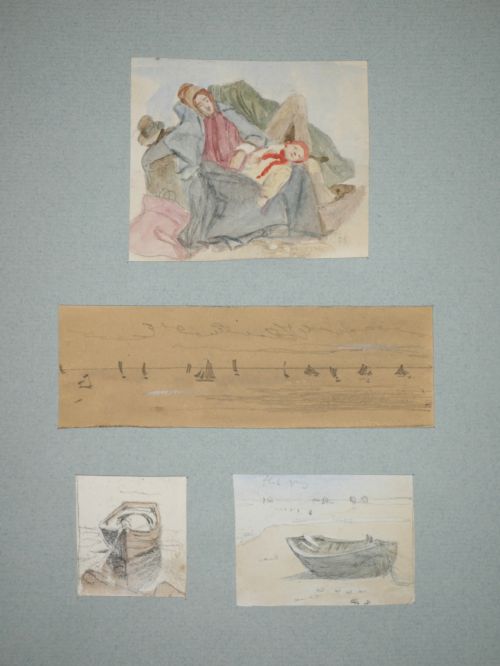
Many nineteenth-century marine sketches and professional studies were produced quickly or intended as preparatory works rather than finished gallery pieces. Amateurs also created numerous coastal watercolours without adding a signature.
Quality of brushwork and subject matter often matter more for valuation than the presence of a signature.