




19th Century Harbour Painting
A 19th century harbour painting captures the bustling maritime trade and coastal life of the era, offering collectors a window into historic ports through period canvas and paper.
19th Century Harbour Painting
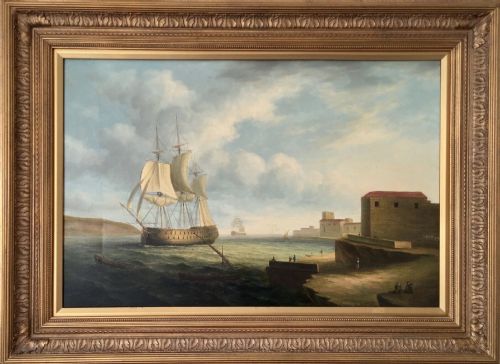
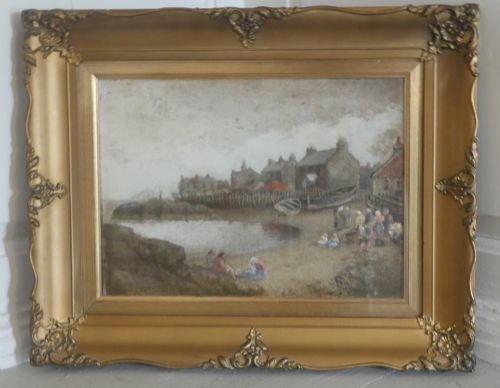
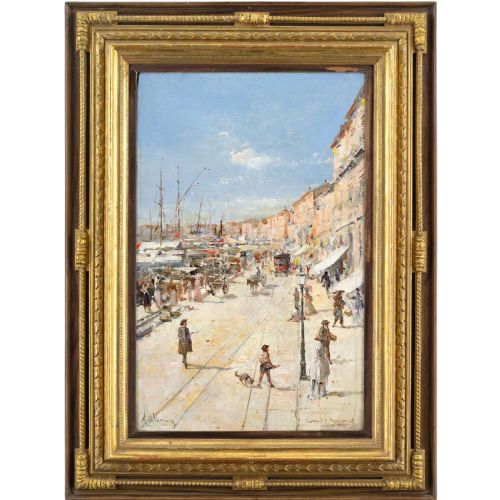
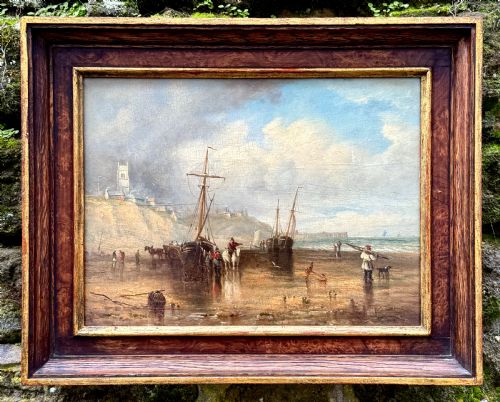
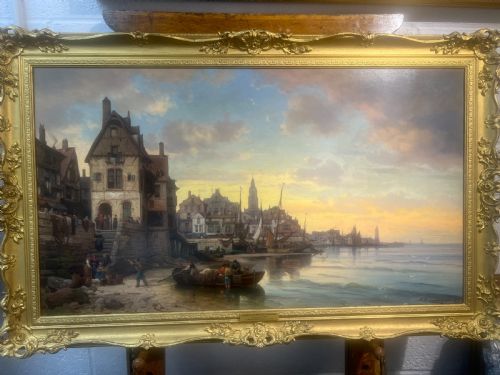
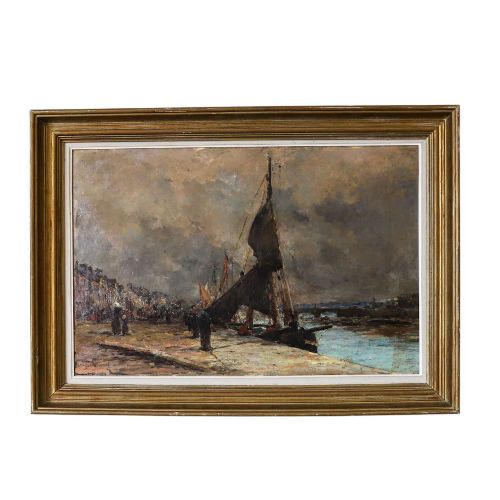
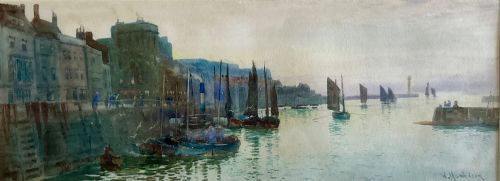
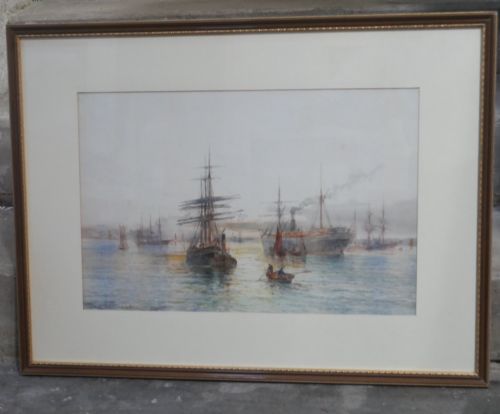
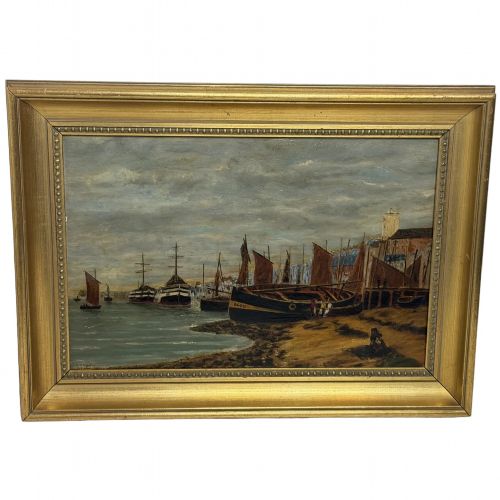
A 19th century harbour painting depicts coastal scenes, fishing ports, and bustling estuaries from the Victorian era and surrounding decades. These artworks record specific locations ranging from Cornish fishing villages to Mediterranean ports and international waters.
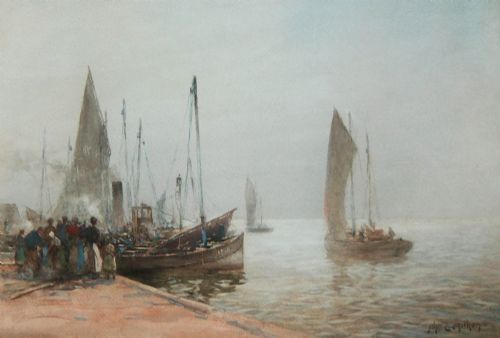
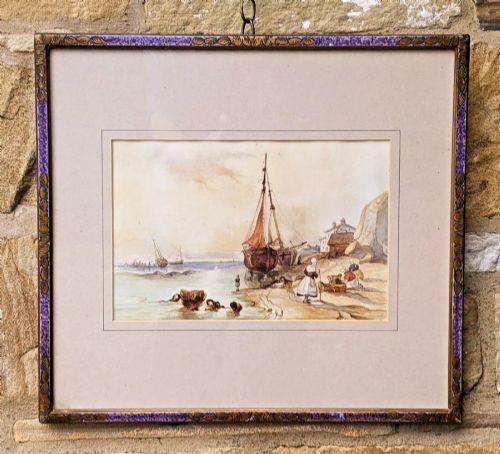
The works appear primarily as oil paintings on canvas or panel, alongside detailed watercolour paintings on paper. Buyers frequently encounter coastal landscapes featuring sailing vessels, moored boats, and townscapes adjacent to the water.
Compositions range from calm river estuaries and moonlit harbours to stormy coastal seascapes with shipping vessels. Many examples identify specific British and European locations, including Whitby, St Ives, Portsmouth, and Venice.
How They Were Made
Artists utilised oil on canvas, wood panels, and paper supports to render these maritime scenes. Oil paints allowed for rich layering and depth, particularly when capturing changing light on water and stormy skies.
Watercolour paintings on paper were frequently employed for atmospheric coastal views, often combined with pencil underdrawings to map out harbour architecture and shipping. Many surviving works retain their original giltwood frames and gold leaf detailing.
The archive and active inventory record coastal views from British fishing ports, French estuaries, Mediterranean waters, and Dutch harbours.
What Varies in Quality
Quality rests upon the artist's ability to handle light, atmosphere, and maritime architecture convincingly. The best works demonstrate precise control over water reflections, rigging details, and the bustling activity of the port.
Materials and framing also contribute to the distinction between works. Original gilt frames and well-preserved surfaces on canvas or panel elevate the standing of a piece within the genre.
James Hardy·James E Aitken·William Banks Fortescue·Augusto Alberici·Hector Caffieri·Thomas Creswick·Charles Euphraisie Kuasseg·William Matthison·Charles William Wyllie·William Edward Webb·Thomas Bush Hardy·Ernest Dade·James Kyd·Arthur Tucker·Adrian Van Porten·James Webb·James Thomas Watts·Samuel Owen·Kate E Booth·Jan van Couver·William Wyld·Alfred Henry Vickers·Sir Edwin Landseer·John Callow·Gustave de Breanski
The 19th Century Harbour Painting Glossary
- Seascape
- A work of art depicting the sea, coastal views, and maritime activity. These compositions focus primarily on open water or coastal environments rather than inland terrain.
- Watercolour
- A painting method where water-soluble pigments are suspended in a water-based solution on paper. This medium produces translucent washes well-suited to capturing atmospheric coastal skies and shifting harbour light.
- Oil on Canvas
- Pigment mixed with drying oil applied to a stretched woven fabric surface. This combination provides durability and allows for textured brushwork across maritime scenes.
- Giltwood
- Wood carved and treated with a thin layer of gold leaf or metallic powder. Frames finished in this manner frequently accompany period paintings to enhance their presentation.
- Panel
- A rigid flat support made from wood used by artists in place of canvas. These surfaces offer a firm foundation for detailed brushwork on smaller coastal portraits.
19th Century Harbour Painting: Frequently Asked Questions
What is the difference between an oil and watercolour harbour painting?
Oil paintings utilise pigment bound in drying oil on canvas or panel, offering rich textures and deep tonal variation. Watercolours involve water-soluble pigments applied to paper, yielding translucent effects and lighter atmospheric qualities.
Both mediums were widely used throughout the period, with watercolours often preferred for portable field sketches and oils for finished exhibition pieces.
How should I display a 19th century harbour painting?
Display these artworks away from direct sunlight and excessive moisture to protect the canvas, paper, and historic giltwood frames. Stable indoor humidity prevents the wood panels and canvas from warping over time.
Matching the painting with a period-appropriate wall space allows the traditional maritime colours and gold leaf accents to complement the room.
How can I tell the period of a harbour painting?
Dating relies on stylistic clues, artists' active working years, and the construction methods of the canvas or frame. Clothing styles of figures on the quayside and the types of vessels moored in the harbour provide clear chronological markers.
Signatures, dates, and historical records associated with the maker often confirm the exact decade of creation.