





Floral Decorative Plate
These floral decorative plate pieces bring botanical artistry and historical craftsmanship directly into the modern interior.
Floral Decorative Plate
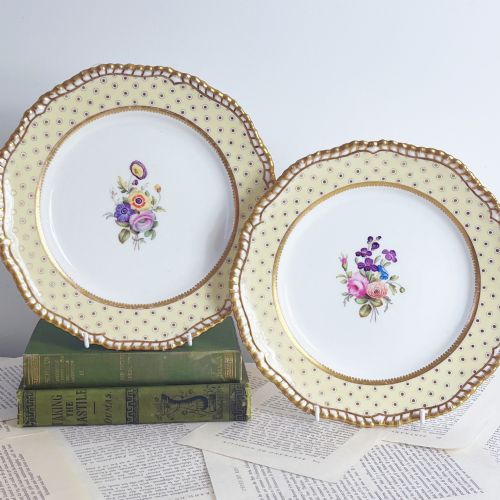
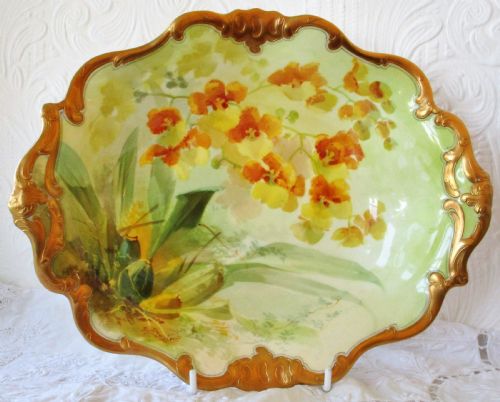
A floral decorative plate encompasses porcelain, ceramic and metal dishes produced across the eighteenth, nineteenth and early twentieth centuries. These items range from dessert plates and cabinet dishes to large chargers and decorative trays.
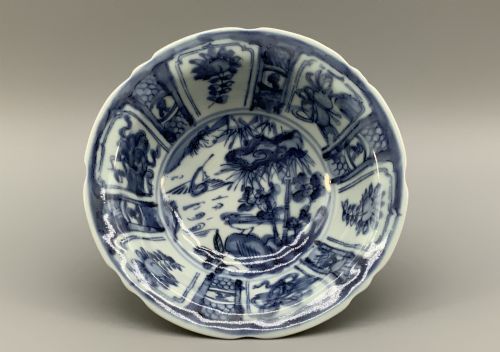
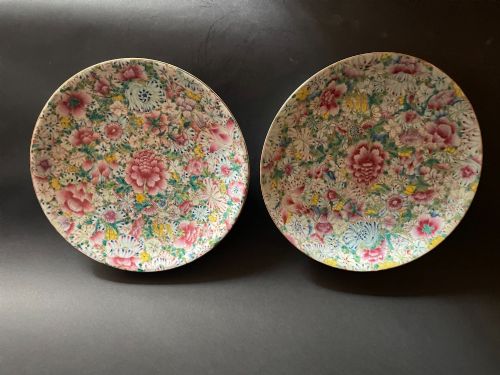
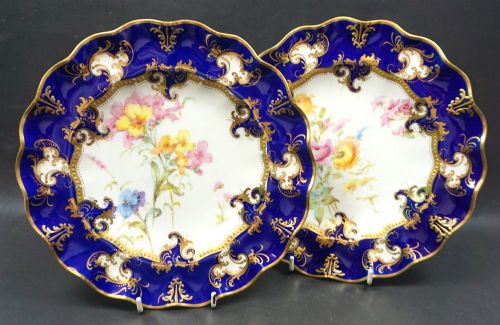
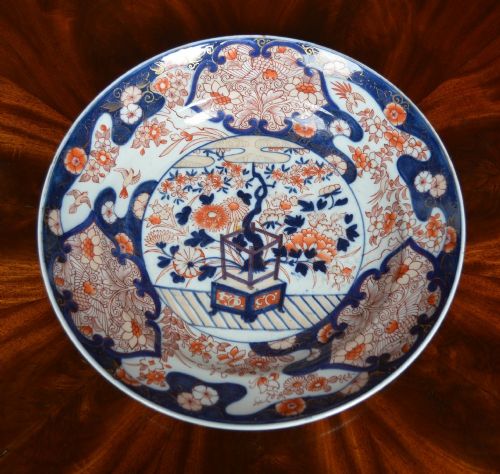
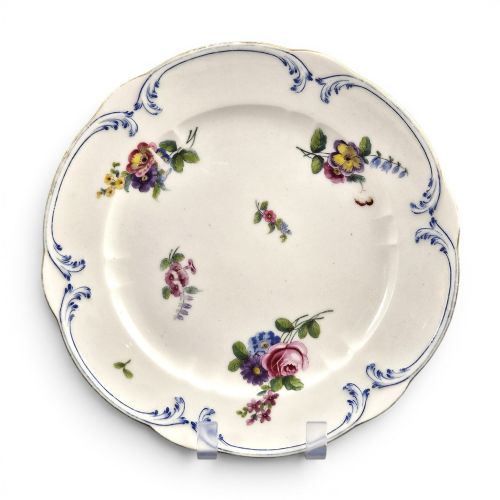
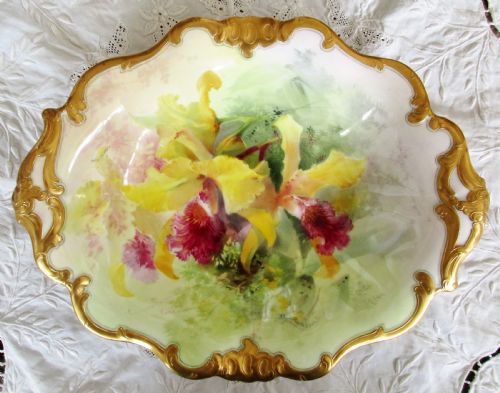
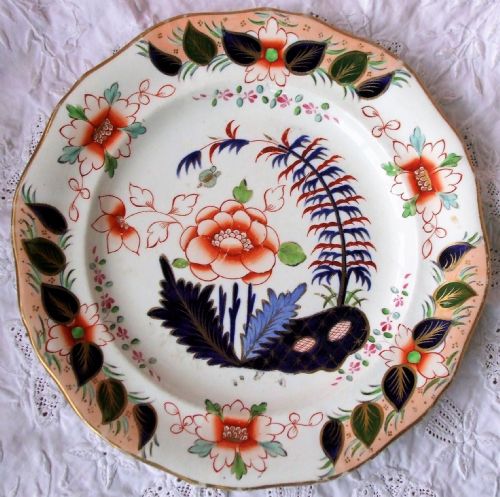
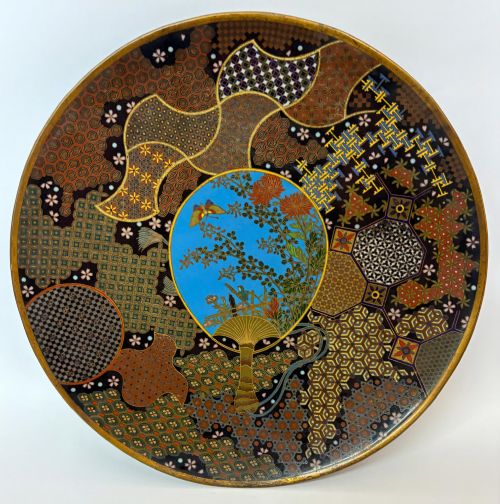
The pieces on this page lean heavily towards Japanese Imari and Meiji period ceramics, alongside English bone china and French porcelain. Botanical motifs, floral patterns and bird designs dominate the surviving examples.
Buyers encounter everything from simple Georgian ironstone to elaborate cloisonne enamel trays and hand-painted cabinet plates. Each variation reflects the prevailing aesthetic tastes of its specific period of manufacture.
Materials and Techniques
Makers utilised porcelain, soft-paste ceramic, ironstone and copper as the base foundations for these decorative objects. Artisans applied glazes, enamel colours, gold leaf and silver plating to create rich surface textures and vibrant visual depth.
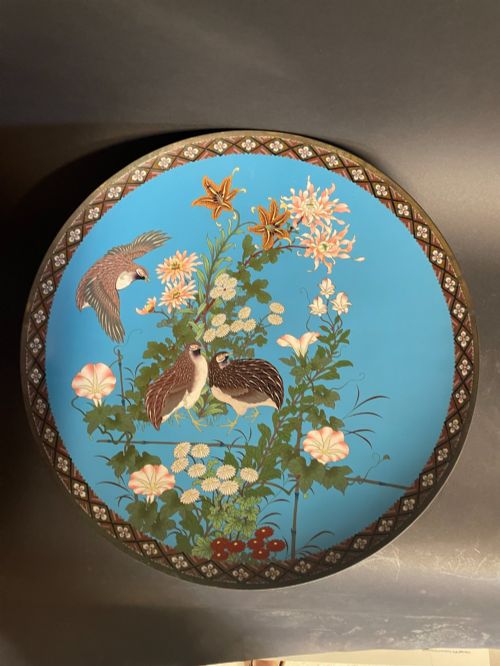
Hand-painting and moriage relief work defined the ornamentation of nineteenth-century ceramics and cloisonne enamel pieces. Firing techniques in traditional kilns fixed the mineral pigments and metallic elements permanently to the body.
A solitary frog occasionally joins the chrysanthemums and butterflies on nineteenth-century Japanese cloisonne chargers, keeping watch over the botanical display.
Distinctions in Quality
The precision of the hand-painted brushwork and the complexity of the floral or avian composition dictate the level of craftsmanship. Superior examples display crisp outlines, balanced symmetry and intricate detailing across the entire surface.
The weight and purity of the porcelain body, combined with the richness of the enamel and gilding preservation, separate ordinary production wares from master-level cabinet pieces.
Spode Felspar·Royal Crown Derby·Ambroise Michel·David Dewsberry·John Davenport·New Hall·Minton·Pucher Deroche
The Floral Decorative Plate Glossary
- Imari
- A traditional Japanese style of porcelain decorated in underglaze blue, iron red, and gold. This technique originated in the town of Arita and became widely exported to Europe.
- Cloisonne
- A metalwork technique where artists affix flat wires to a metal base to form compartments, which they then fill with enamel paste. Subsequent firing and polishing yield a smooth, patterned surface.
- Cabinet Plate
- A decorative plate intended primarily for display on a wall, shelf, or cabinet rather than for practical dining use. These pieces often feature highly detailed artistic scenes.
- Moriage
- A Japanese ceramic decoration method involving raised clay applied by hand to create tactile, three-dimensional surface patterns. Artisans frequently highlight these raised areas with paint or gilding.
- Ironstone
- A heavy, durable type of earthenware patented in the nineteenth century as a robust alternative to porcelain. It takes glazes and transfer-printed or hand-painted patterns exceptionally well.
Floral Decorative Plate: Frequently Asked Questions
How do I hang a heavy plate safely?
Displaying a floral decorative plate securely requires a specialised spring-loaded wall hanger that distributes weight evenly across the rim. Ensure the fixing matches the wall material before mounting.
Avoid wire-only loops that lack proper tension, as older ceramic bodies can crack under uneven pressure from poorly fitted hardware.
Can I use these plates for dining?
Most antique cabinet pieces and fragile enamel chargers serve strictly as decorative display items rather than functional tableware. Over time, daily use and cutlery can damage delicate hand-painted glazes.
Stick to visual enjoyment in cabinets or on wall shelves to preserve the historical surface integrity of the porcelain.
What does Imari mean on a label?
The term identifies Japanese porcelain decorated in a distinct palette of deep blue, iron red, and gold accents. These export wares gained immense popularity in European interiors during previous centuries.
Authentic examples often showcase intricate botanical motifs, flowers, and birds rendered through traditional kiln-firing methods.