




English Pattern Silver Spoons
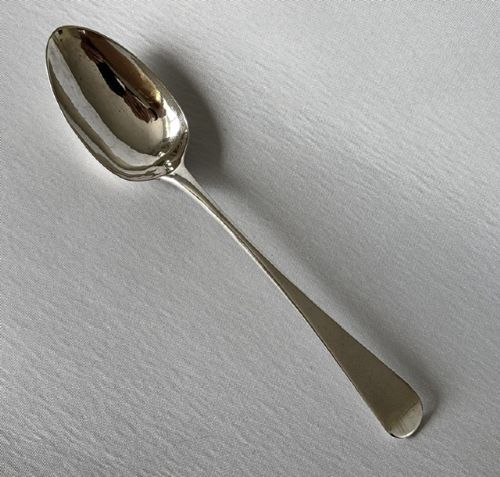
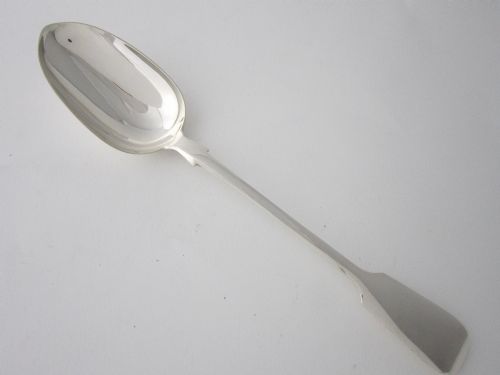
English pattern silver spoons are functional pieces of historic flatware that bring substance and formal design to a table setting.
English Pattern Silver Spoons
The selection includes pieces spanning the Georgian, Victorian, Edwardian, and Art Deco eras, reflecting shifting domestic habits and dining customs. Scottish and Irish provincial examples appear alongside London-hallmarked pieces, showing regional variations in design and assay practice.
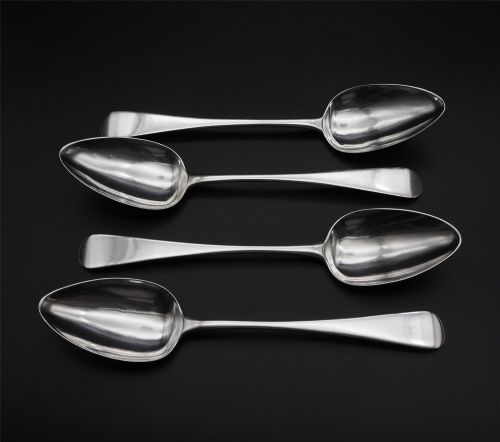
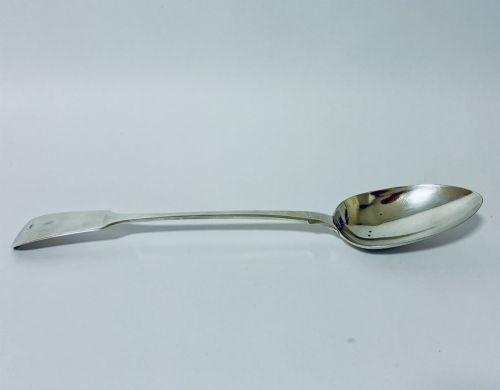
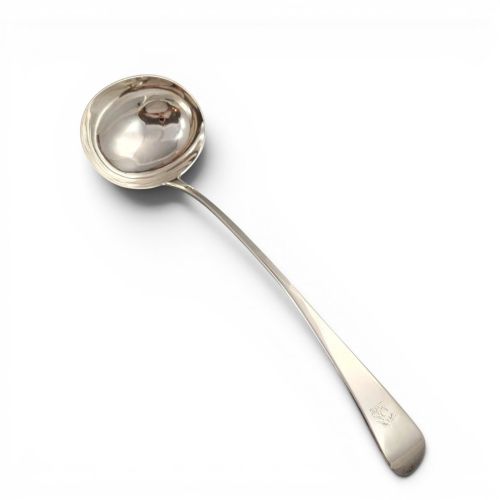
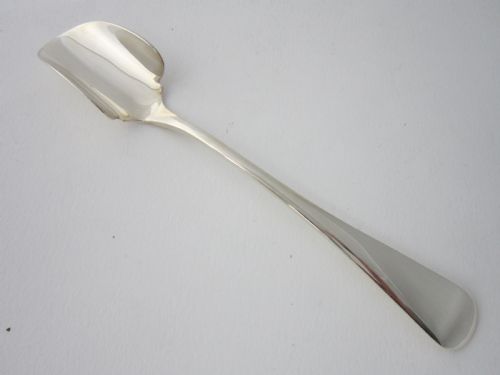
Serving pieces such as ice cream servers, caddy spoons, and gravy straining spoons sit alongside matching sets of tablespoons and dessert spoons. These items demonstrate how flatware evolved from essential table equipment into decorative and utilitarian silver objects over three hundred years.
Factors of quality
Quality in these silver pieces rests upon the crispness of the original hallmarks, the retention of original bowl shape without excessive thinning from polishing, and the clarity of any pattern work on the handle. Strong examples exhibit balanced weight in the hand and secure joining between bowl and stem.
The reputation of the maker and the specific assay office, particularly provincial locations or notable silversmith families, influence the standing of a piece within the broader range of surviving silver.
Listings feature sterling silver flatware spanning the seventeenth century through to the twentieth century, including Georgian, Victorian, and Art Deco styles.
Peter and Jonathan Bateman·Hester Bateman·Stephen Coleman·Emile Viner·Josiah Williams and David Landsborough Fullerton
The English Pattern Silver Spoons Glossary
- Sterling silver
- A silver alloy containing 92.5 percent pure silver and 7.5 percent other metals, usually copper, chosen for durability in tableware.
- Old English pattern
- A traditional eighteenth-century flatware handle design featuring a tapered stem with a rounded end turning downwards.
- Basting spoon
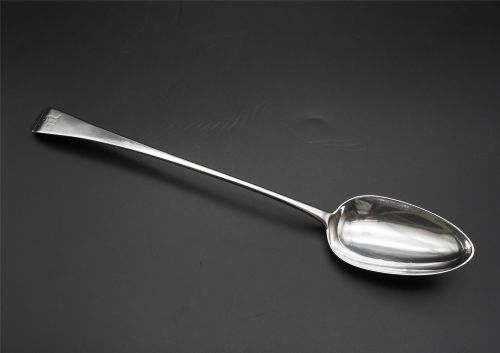
- A large serving spoon used originally for gathering and pouring juices over roasting meat in the kitchen or at the table.
- Hallmark
- A series of stamped marks on precious metal indicating the maker, assay office, standard of purity, and year of production.
- Trifid spoon
- An early form of flatware with a split, three-lobed terminal handle, common in the late seventeenth century.
English Pattern Silver Spoons: Frequently Asked Questions
How do I identify the age of a silver spoon?
Age is determined by reading the hallmarks stamped into the silver, which typically include a date letter corresponding to a specific year and assay office. Stylistic elements such as handle shape and bowl proportions also offer strong indications of the period.
Matching the stamped maker's mark and town mark against historical records narrows down the exact decade of manufacture.
What is the difference between a tablespoon and a basting spoon?
Basting spoons are substantially larger than standard tablespoons, designed originally to manage juices and sauces during food preparation and service. Tablespoons are smaller utensils intended for general dining and serving individual portions.
Both forms appear frequently in traditional patterns across the eighteenth and nineteenth centuries.
How should antique silver spoons be cleaned?
Silver requires gentle cleaning with a soft cloth and specialist silver polish formulated to remove tarnish without abrading the metal surface or softening the hallmarks. Avoid harsh chemical dips that can strip the natural patina accumulated over centuries.
Regular, careful washing in warm soapy water and thorough drying helps maintain the finish.
Can antique silver spoons be used daily?
Solid sterling silver spoons are robust enough for regular use, provided they are washed by hand promptly after meals and stored without scratching against other utensils. Frequent use imparts a bright surface to the high points of the design while preserving the darker contrast in recessed areas.
Care should be taken with delicate provincial pieces or thin nineteenth-century items.