


English Opaque Twist Glass
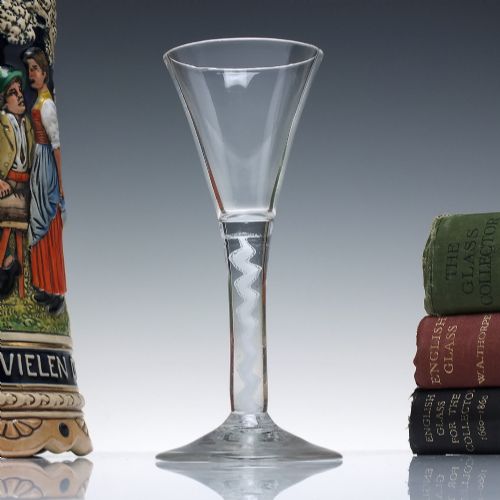
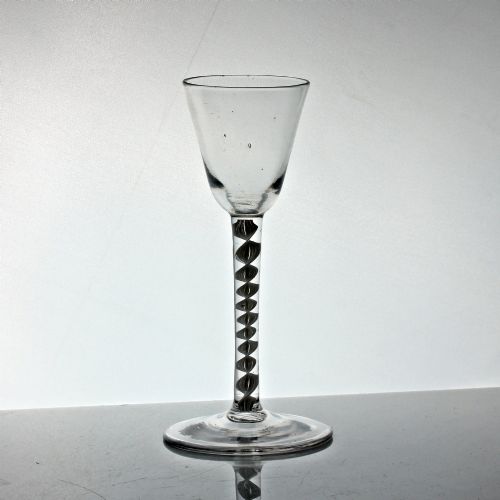
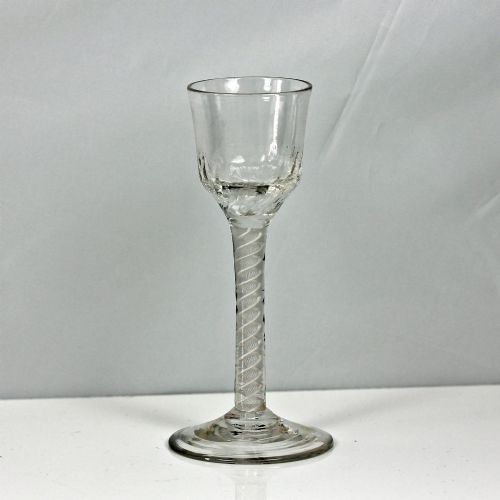
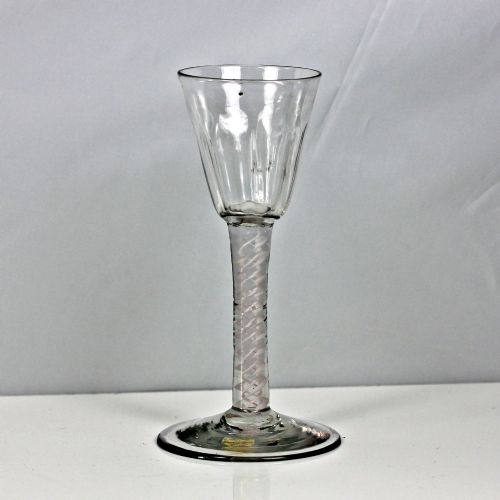
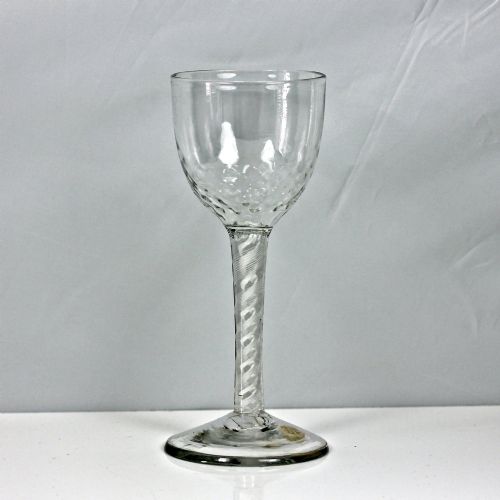
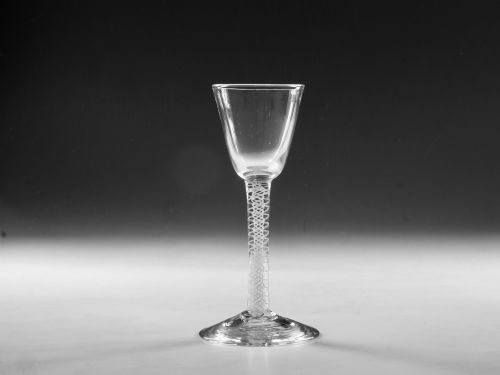
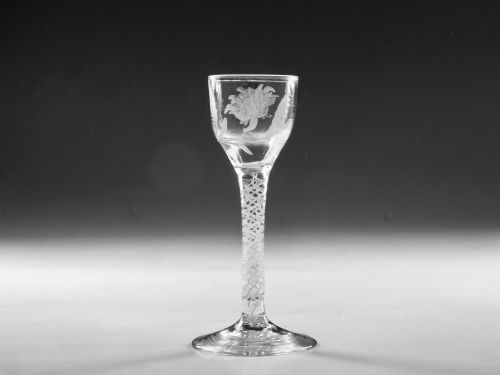
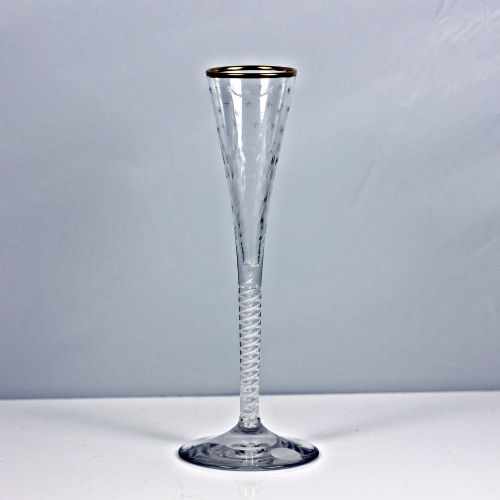
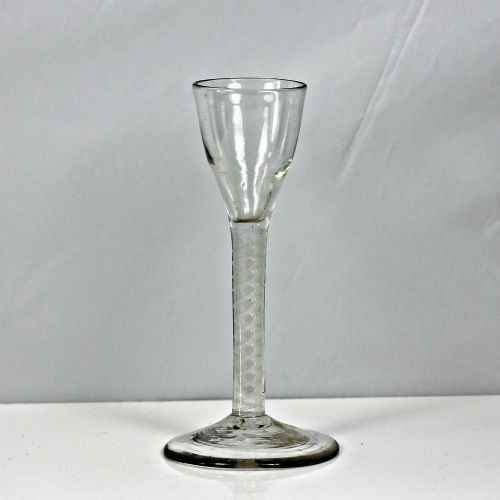
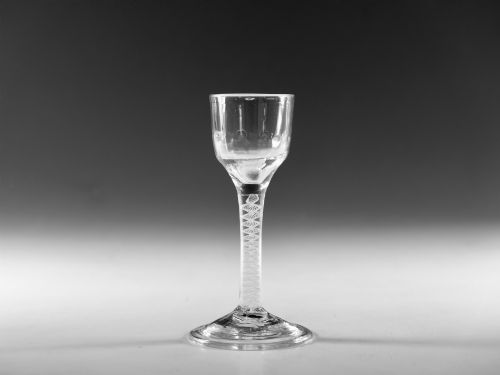
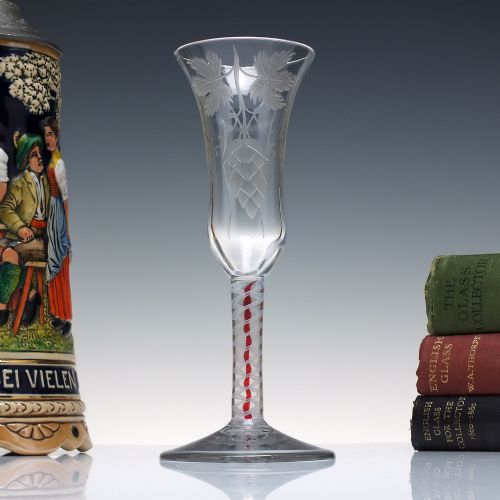
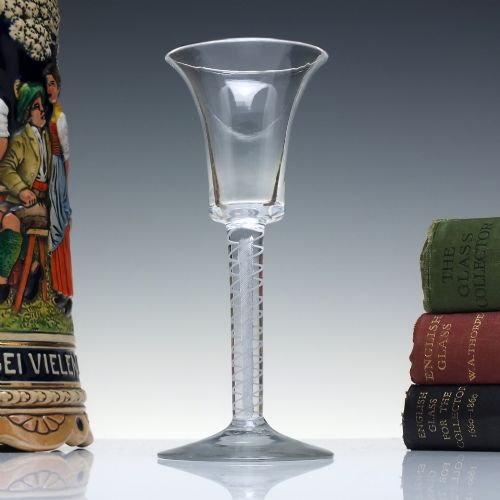
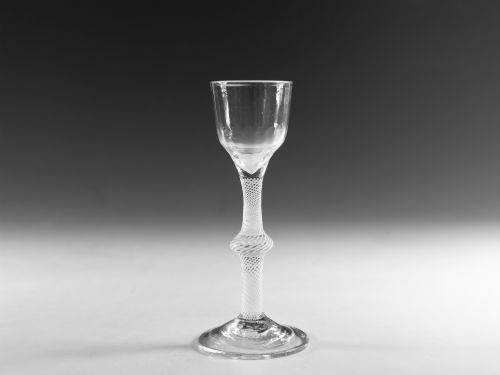
These English opaque twist glass pieces are eighteenth-century drinking vessels defined by milky white enamel threads spun within their stems.
English Opaque Twist Glass
An English opaque twist glass search brings up drinking vessels produced during the eighteenth century and the Georgian period. The most common forms met on this page are wine glasses, ale glasses, and cordial glasses featuring distinctive white enamel decoration.
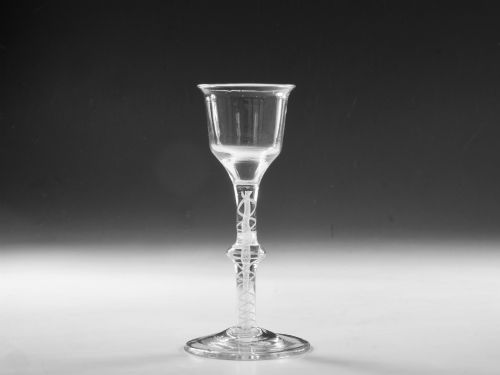
Makers shaped these items from lead glass and lead crystal, incorporating various bowl forms such as ogee, trumpet, and flared bucket shapes. Pieces range from simple single series stems to complex mixed twist and multi spiral examples.
How they were made
Craftsmen worked with lead glass and lead crystal, incorporating white enamel to form the internal threads of the stem. Molten glass was manipulated by hand to draw out the twists, creating single series, double series, and multi spiral patterns.
Bowls and feet were formed separately before being joined to the stem, occasionally featuring decorative elements such as double knops, triple knops, or flute-moulded ogee profiles.
English Opaque Twist Glass Retail Price Guide 2026
Typical asking prices for english opaque twist glass among the pieces listed under this phrase on Sellingantiques today, from the lower quarter to the upper quarter. They describe what is for sale here now, not the wider market.
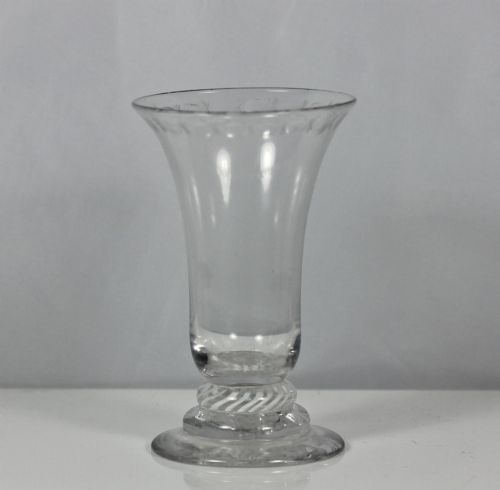
Georgian gentlemen sometimes slammed their heavy-based firing glasses onto wooden tables so hard they created a sound resembling gunfire.
What varies in quality
The complexity of the internal stem construction dictates the visual appeal of the piece, with multi spiral and mixed twist formations requiring greater technical skill than single series designs. Precision in the spacing and alignment of the opaque white enamel threads distinguishes finer examples.
The English Opaque Twist Glass Glossary
- Opaque twist
- A stem decoration formed from white enamel threads encased within clear lead glass. This technique became popular in English glassware during the mid-eighteenth century.
- Double series
- A stem containing two distinct sets of opaque white enamel twists, often combining a central gauze with an outer spiral. This method created a denser and more intricate visual effect.
- Ogee bowl
- An S-profile drinking vessel bowl curving outward at the rim and inward toward the base. It appears frequently on Georgian wine glasses.
- Firing glass
- A heavy-based drinking vessel utilised during the eighteenth century for slamming onto tables during toasts. These sturdy forms often feature opaque twist stems.
- Knop
- A thickened protuberance on the stem of a glass, serving both a decorative and a functional gripping purpose. Multiple knops can appear on a single stem.
English Opaque Twist Glass: Frequently Asked Questions
How do I date an opaque twist glass?
Dating relies on examining the form of the bowl, the style of the foot, and the complexity of the stem construction. Most examples date from the middle decades of the eighteenth century during the Georgian era.
Changes in manufacturing techniques and prevailing stylistic preferences help narrow down the period of production, with specific dates often estimated around seventeen sixty.
What is the difference between single and double series twists?
A single series twist contains one set of opaque enamel threads running through the stem. These present a cleaner, more minimalist appearance.
Double series stems incorporate two separate pairs or sets of twists, such as an outer spiral surrounding an inner column of gauze or parallel threads.
Were these glasses used for wine only?
While wine glasses form the largest category, eighteenth-century households utilised opaque twist stems for many different beverages. Ale glasses, cordials, drams, and champagnes share the same stem characteristics.
Specialised forms like firing glasses and sweetmeat containers were also produced using the same white enamel twist technique.
How should I clean antique glass?
Hand washing in lukewarm water with a mild detergent is the safest method for eighteenth-century lead crystal. Avoid sudden temperature changes to protect the fragile material.
Dry the vessel gently with a soft linen cloth and store it upright on a stable surface away from direct edges.