

Antique English Lead Glassware
These heavy, resonant pieces of antique english lead glassware bring tactile weight and brilliant refraction to any table setting.
Antique English Lead Glassware
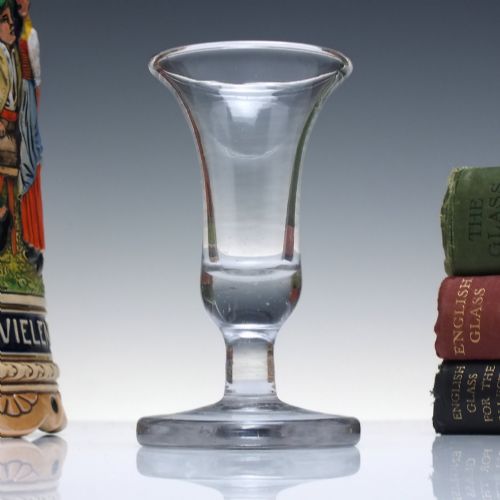
When you search for antique english lead glassware, you encounter drinking vessels, serving pieces, and tablewares spanning from the mid-eighteenth century into the twentieth century. The selection ranges from modest patch stands and egg cups to substantial rummers, decanters, and champagne coupes.
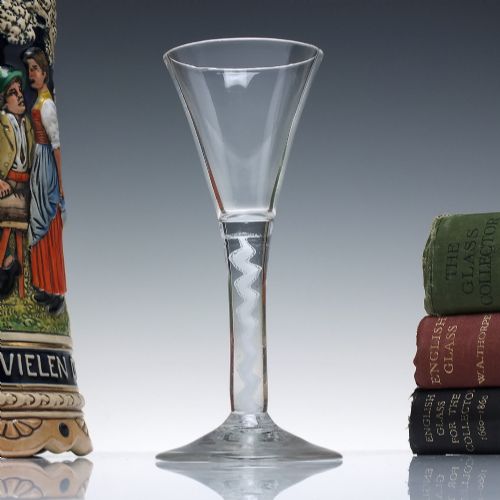
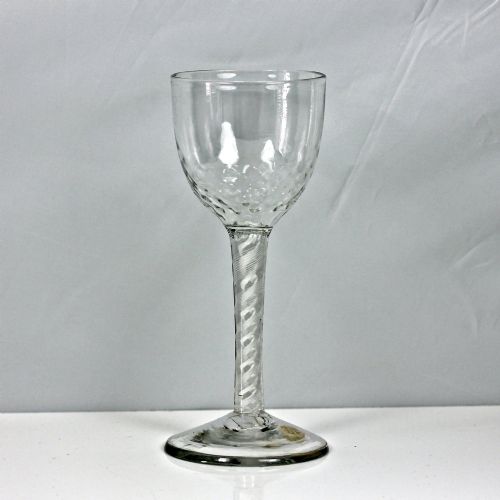
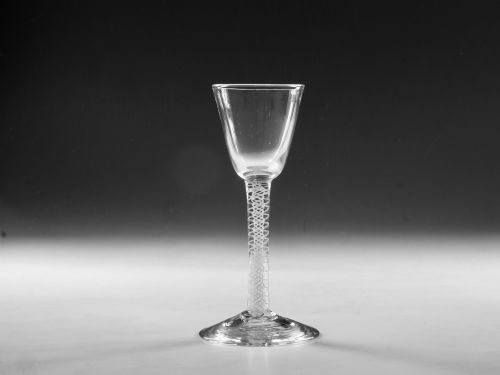
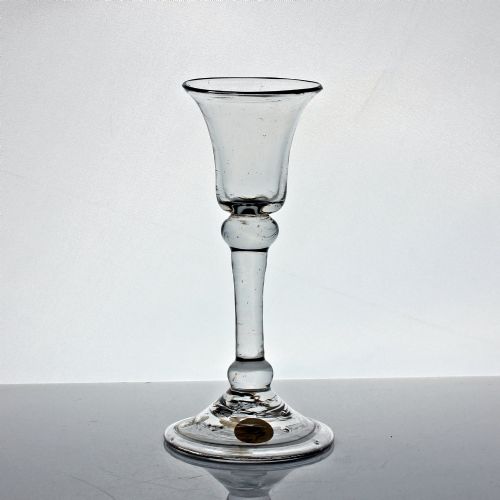
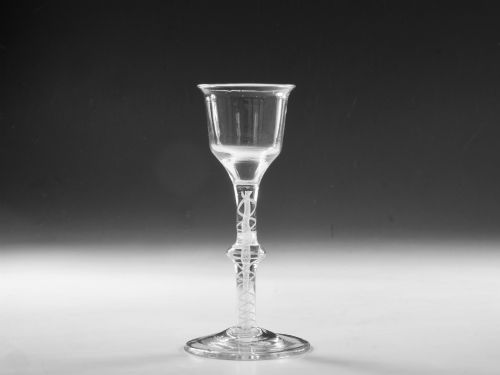
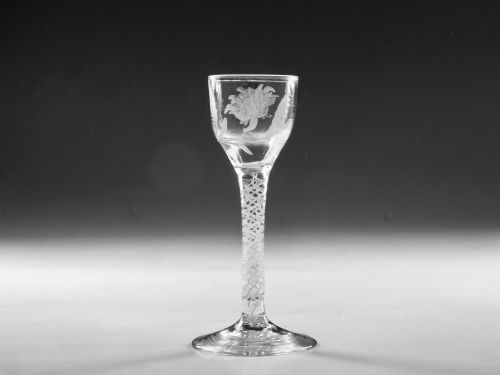
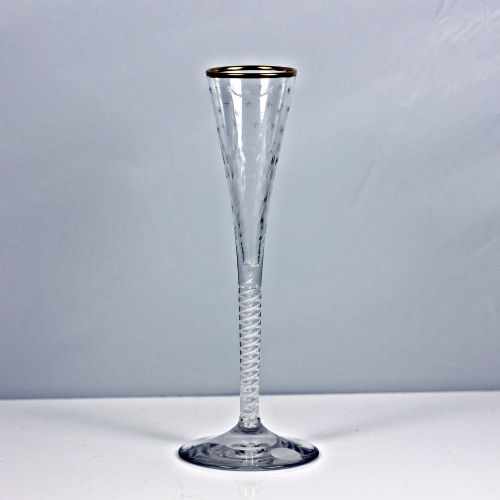
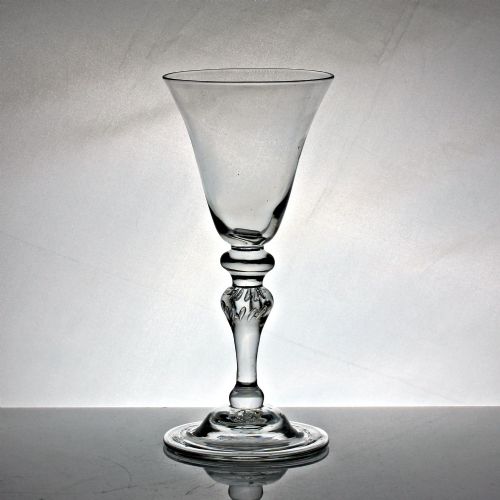
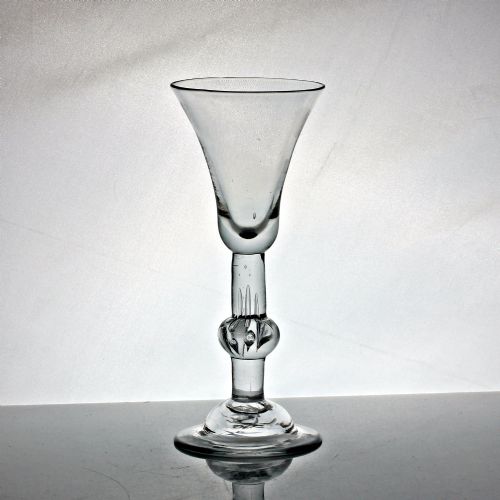
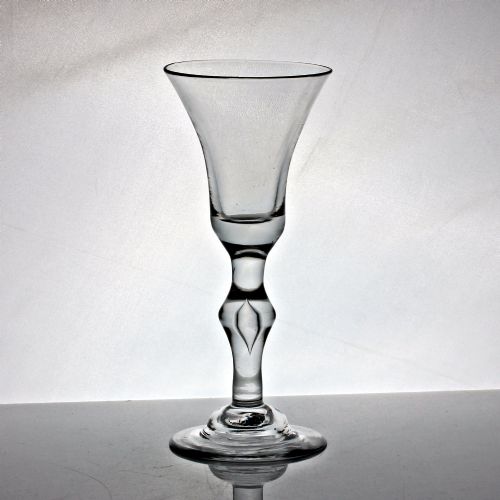
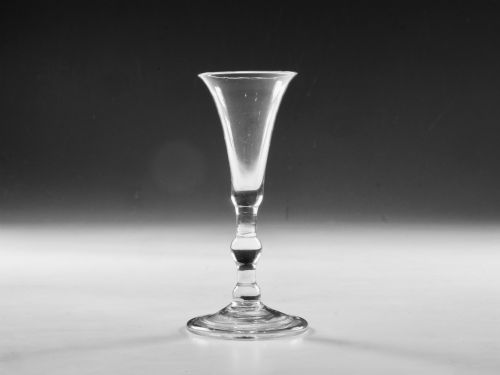
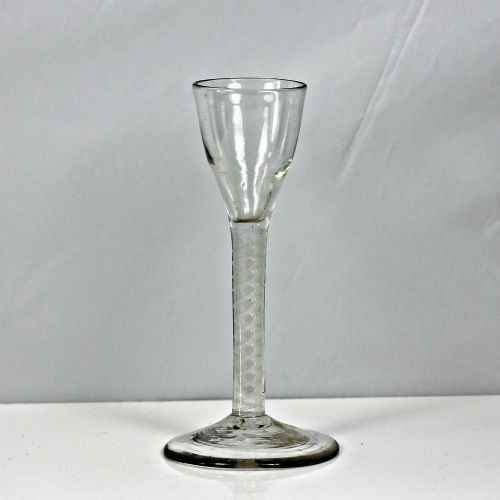
The eighteenth-century examples form a distinct group, dominated by wine glasses with baluster, air twist, or opaque twist stems. These drinking vessels showcase varied bowl shapes including bell, ogee, and trumpet forms, often accompanied by folded feet or domed bases.
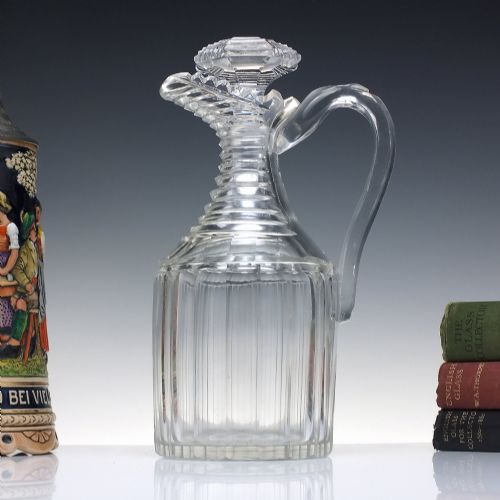
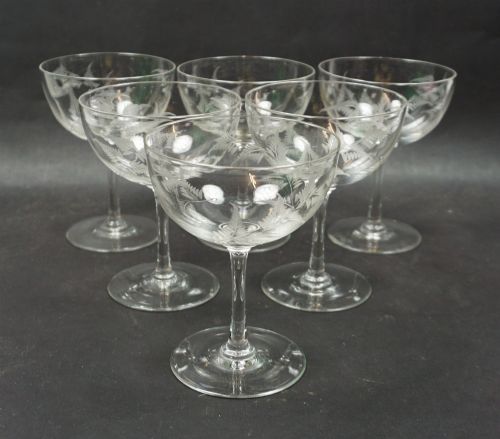
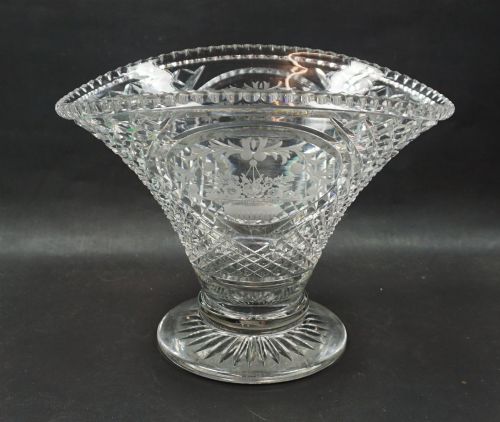
Later nineteenth and twentieth-century items introduce heavier crystal forms, including cut glass claret jugs, engraved vases, and sets of matching coupes. These heavier pieces reflect shifting domestic habits towards larger serving vessels and matched sets for dining.
How they were made
The manufacture relies on heavy lead glass and flint glass formulations that provide high refractive index and distinct material density. Makers shaped these metal compositions through free-blowing into moulds, followed by hot-tooling for stems, knops, and folded feet.
Surface decoration involves wheel-cutting, copper-wheel engraving, and sometimes enamel work or gilding applied to the cooled vessel. Internal optical effects such as air tears, single series twists, and opaque twist threads were formed by manipulating trapped air within the molten glass during pulling and twisting.
Antique English Lead Glassware Retail Price Guide 2026
Typical asking prices for english lead glassware among the pieces listed under this phrase on Sellingantiques today, from the lower quarter to the upper quarter. They describe what is for sale here now, not the wider market.
Some eighteenth-century glasses contain tiny hidden air bubbles in their stems, left deliberately by makers who valued the optical play of light.
What varies in quality
The standard of a piece depends on the optical clarity of the metal and the precision of its form. Superior examples display clear, bright glass without excessive seed bubbles or cloudiness, alongside balanced proportions between bowl, stem, and foot.
Finely executed stem twists and crisp, deep wheel-cutting separate masterwork items from standard production pieces. The delicacy and symmetry of engraved motifs, such as ferns, hops, and barley, indicate the skill level of the glass cutter.
Webb England
The Antique English Lead Glassware Glossary
- Baluster stem
- A thick, swelling stem form derived from architectural supports, common on early drinking vessels. It gives the glass substantial physical weight in the hand.
- Opaque twist
- A stem created by enclosing white or coloured enamel glass threads within clear glass and twisting the molten metal. This technique produced single and double series patterns.
- Air twist
- A decorative stem containing elongated spiral air bubbles trapped inside the clear metal. Makers formed these by piercing heated glass rods before drawing and twisting them.
- Rummer
- A large, heavy drinking glass with a capacious bowl, short stem, and sturdy foot, used for ale, wine, or punch during the Georgian and Regency periods.
- Patch stand
- A small, shallow glass dish raised on a central foot, utilised on dressing tables for holding small cosmetic patches.
Antique English Lead Glassware: Frequently Asked Questions
What is lead glass?
Lead glass contains a proportion of lead oxide, which increases the density and refractive index of the material. This composition produces a heavy handle and a bright, resonant ring when struck.
The inclusion of lead allows the glass to remain pliable longer during working, enabling deeper cutting and finer engraving than standard soda-lime glass.
How do I date a wine glass?
Dating relies on observing the combination of bowl shape, stem construction, and foot form. Eighteenth-century pieces frequently feature folded feet and air or opaque twist stems, while later nineteenth-century items show heavier cutting and moulded details.
Changes in taxation laws and shifting tavern fashions also influenced the scale and capacity of drinking vessels across different decades.
Were rummers used for wine?
Rummers served multiple purposes at the dining table and in taverns, accommodating ale, punch, and porter rather than fine wines. Their generous bowl capacity suited larger portions of everyday beverages.
These robust vessels often featured engraved agricultural motifs like hops and barley, reflecting their primary contents.
How should I clean antique glass?
Wash pieces by hand in warm water using mild soap, avoiding harsh scrubbing implements and sudden temperature changes. Antique lead glass scratches easily and thermal shock can crack aged metal.
Dry the pieces promptly with a soft linen cloth to prevent water spots on the cut and engraved surfaces.