

Lead Glass Wine Stemware
These lead glass wine stemware pieces span the Georgian era to the twentieth century, bringing historic English drinking vessels to your table.
Lead Glass Wine Stemware
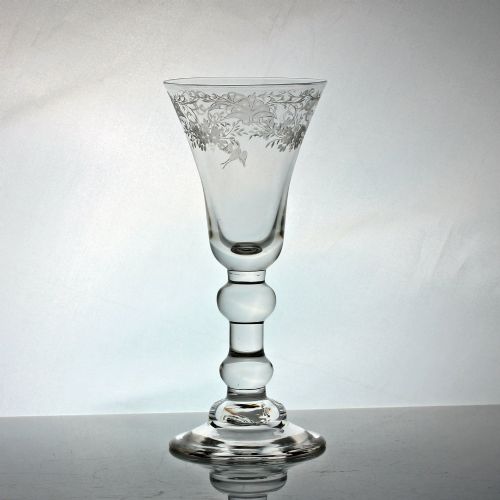
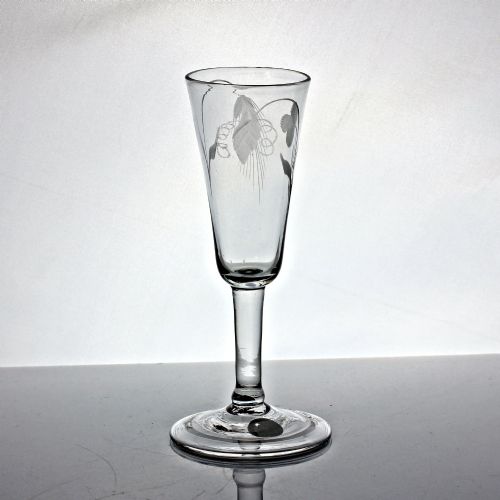
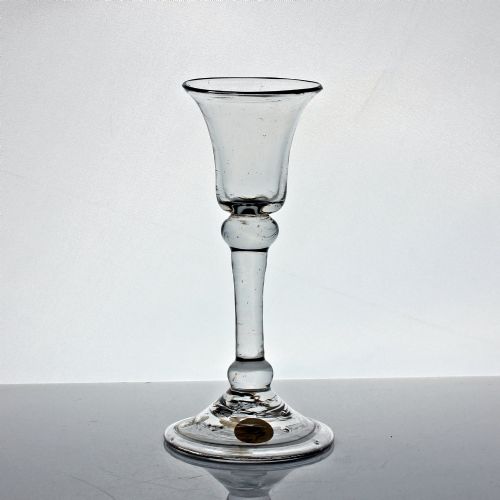
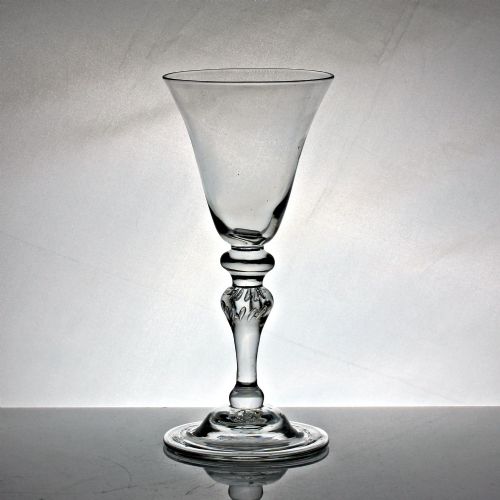
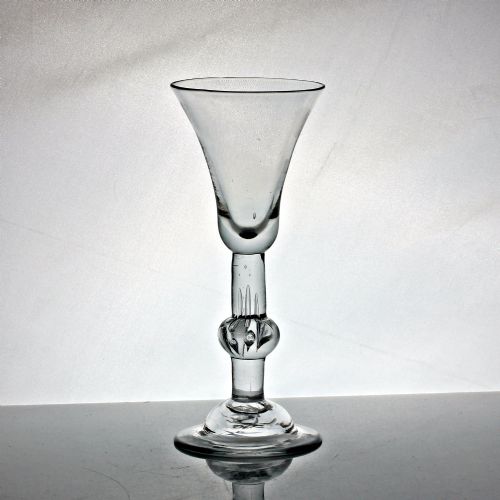
Lead glass wine stemware comprises drinking vessels shaped for wine, port, gin, and ale, predominantly originating from the eighteenth century. When you explore this selection, you encounter forms ranging from heavy baluster goblets to slender flutes.
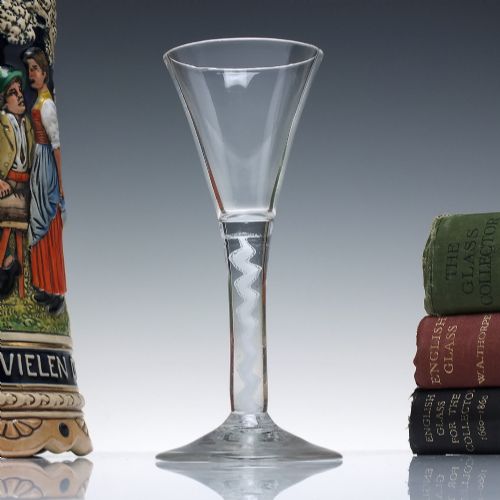
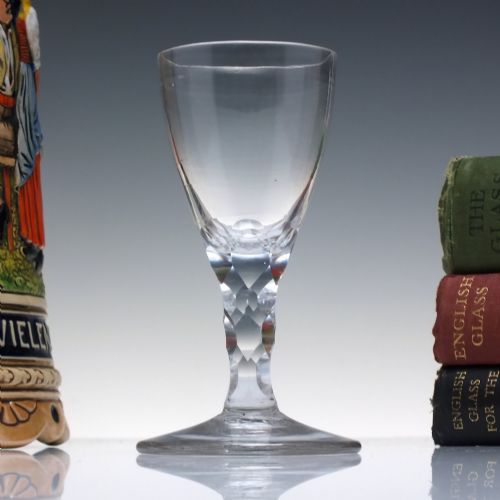
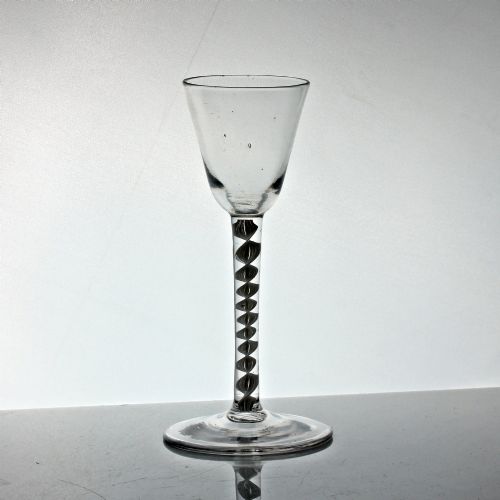
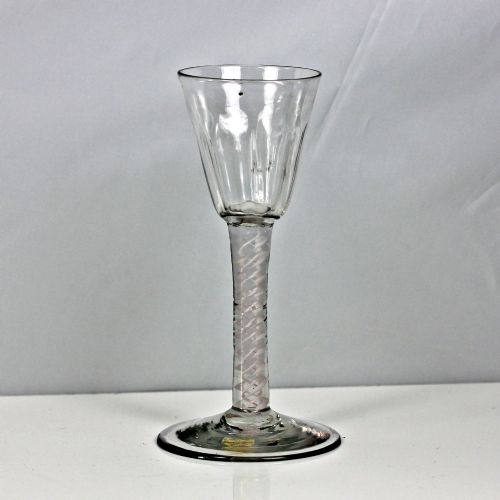
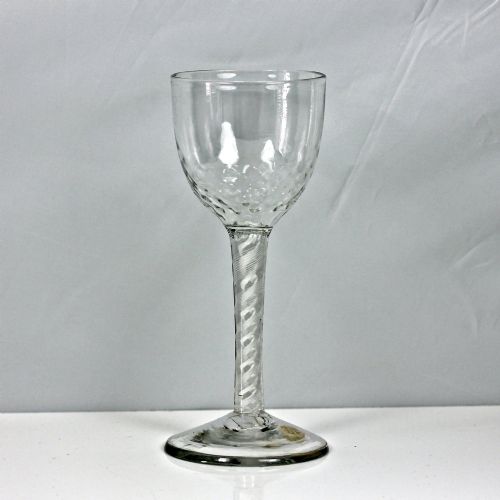
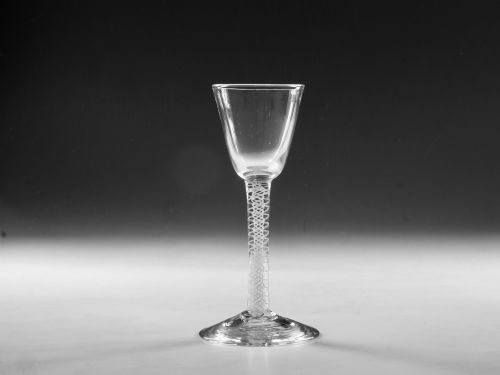
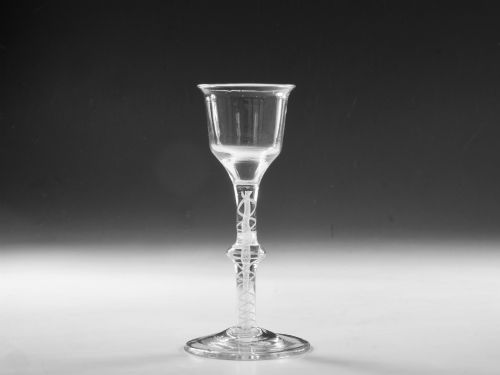
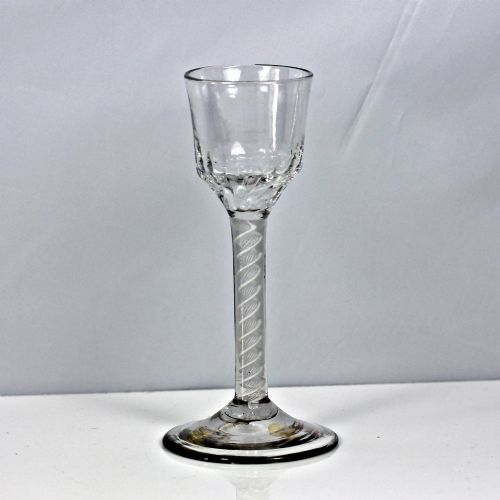
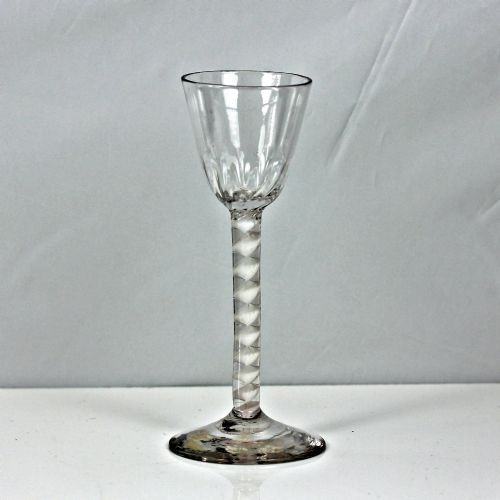
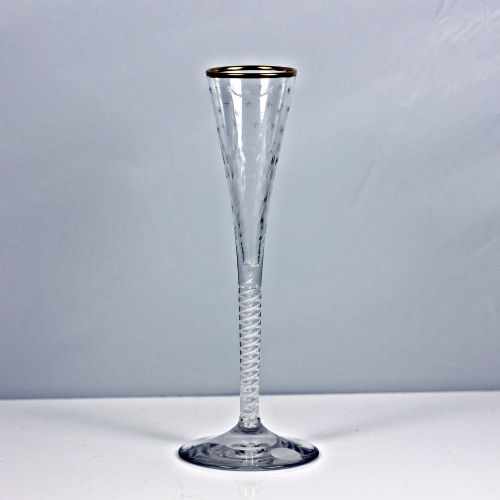
The most prevalent examples on this page are Georgian wine glasses featuring intricate opaque twists, air twists, and facet cuts. These pieces demonstrate traditional English glassmaking methods from periods such as seventeen-fifty and eighteen-hundred.
Beyond standard wine glasses, the category includes dram glasses, rummers, and sweetmeat glasses with specialised bowls and folded feet. Each object reflects the social drinking habits and craftsmanship of its specific decade.
How they were made
Craftsmen shaped these items using lead glass, lead crystal, flint glass, and clear glass, frequently incorporating white enamel and opaque enamel threads into the stems. These materials provided the distinctive weight and refractive clarity characteristic of English manufacture.
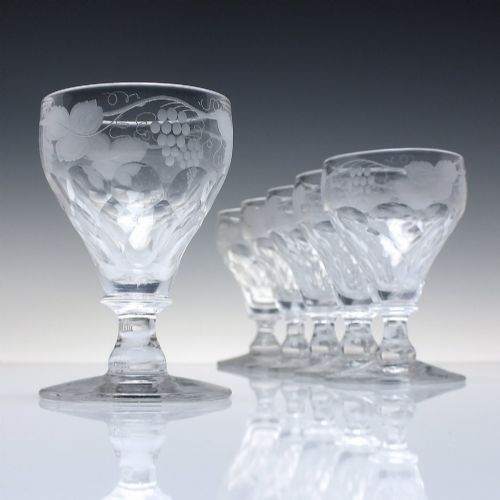
Makers formed stems through techniques such as air twisting, opaque twisting, and facet cutting, enclosing bubbles or creating spiral filaments within the glass. Bowls were blown into moulds or shaped by hand, then finished with engraving, flute-moulding, or gilding.
Lead Glass Wine Stemware Retail Price Guide 2026
Typical asking prices for lead glass wine stemware among the pieces listed under this phrase on Sellingantiques today, from the lower quarter to the upper quarter. They describe what is for sale here now, not the wider market.
What varies in quality
Quality in these drinking vessels rests upon the complexity of the stem formation, distinguishing simple plain stems from intricate mixed twists and balustroid configurations. The precision of facet cutting and the delicacy of bowl engraving further set superior examples apart.
Proportions and foot stability also define the grade of a piece, with domed or folded feet indicating careful attention to balance and durability. The clarity of the lead glass and the integration of enamel elements reveal the skill level of the original workshop.
John Walsh Walsh
The Lead Glass Wine Stemware Glossary
- Opaque twist
- A stem form containing internal threads of white or coloured enamel glass twisted into spiral patterns. This technique became popular during the Georgian period.
- Air twist
- A stem design enclosing elongated or spiral air bubbles within the glass column. It is produced by drawing and twisting heated glass rods.
- Baluster
- A heavy, swelling stem shape reminiscent of architectural balusters, often featuring knops and air tears. These appear frequently in mid-eighteenth-century English goblets.
- Ogee bowl
- A bell-shaped bowl with an S-curve profile that curves outward at the rim. This form appears on many twist-stem wine glasses from the seventeen-hundreds.
- Folded foot
- A base edge doubled over underneath to create a thickened rim for extra strength. This feature is common on early drinking glasses and ale glasses.
- Sweetmeat glass
- A specialised vessel with a shallow bowl designed for serving small confectionery items rather than liquid. They share similar stem treatments with wine glasses of the same era.
Lead Glass Wine Stemware: Frequently Asked Questions
How do you date an antique wine glass?
Dating relies on examining the stem construction, bowl shape, and foot formation recorded in the piece details. Characteristics such as folded feet and heavy baluster profiles point toward mid-eighteenth-century manufacture.
Later Victorian and twentieth-century pieces introduce different cutting styles and proportions. Comparing bowl profiles and twist configurations helps establish the chronological placement.
What are air twist stems?
Air twist stems are glass columns containing spiralling threads of trapped air bubbles inside the material. Artisans created these patterns by manipulating molten glass rods before drawing and twisting them.
This technique produced delicate visual textures without adding coloured enamels. They appear frequently on eighteenth-century wine and ale glasses.
How were these glasses used historically?
These vessels functioned primarily at the dining table for consuming wine, spirits, ale, and sweetmeats during formal meals. Different bowl shapes suited specific beverages, such as deep bowls for ale and flared buckets for wine.
Specialised glasses also marked political allegiances, as seen with Jacobite engravings, or celebrated marriages and social gatherings.