

English Brass Clock
An English brass clock brings tangible mechanical history into a room, combining heavy cast metals with refined timber cases to measure the passing hours.
English Brass Clock
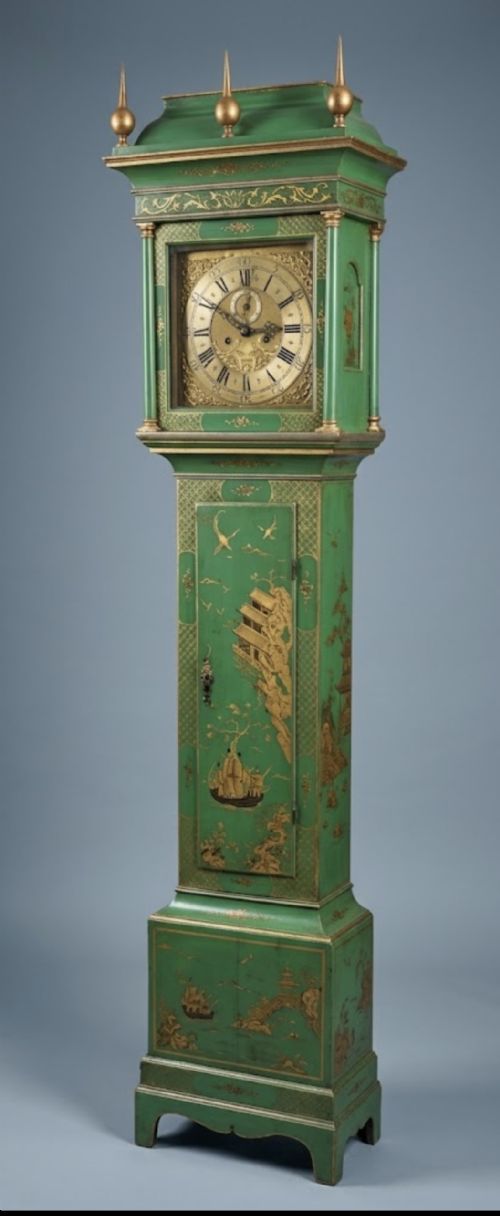
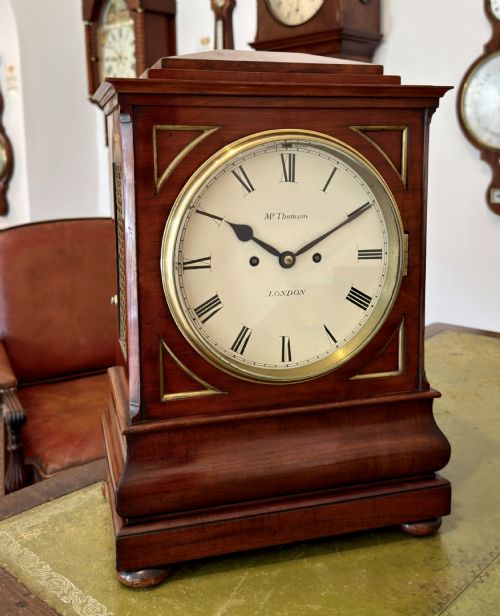
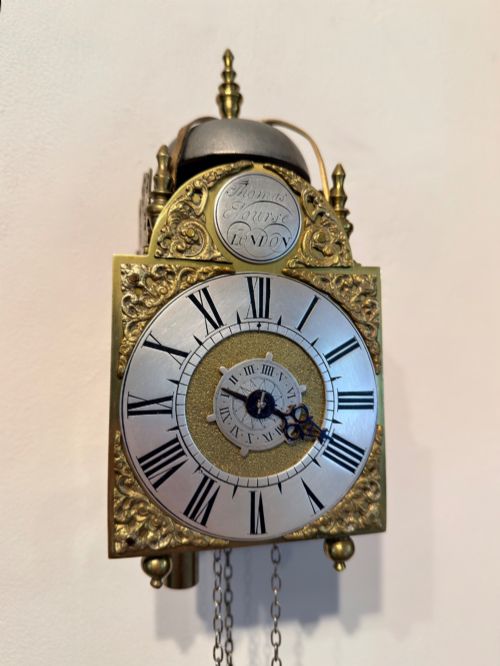
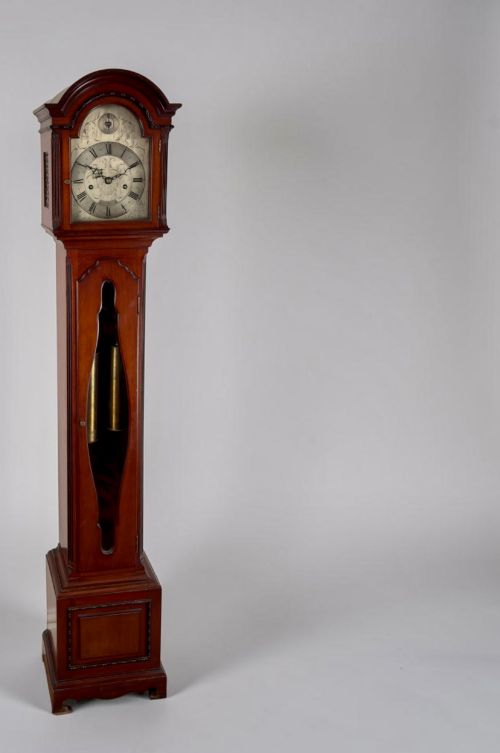
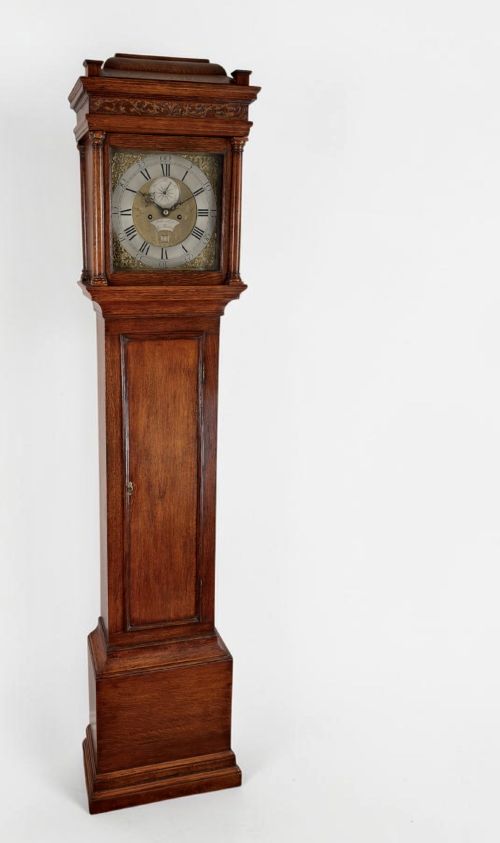
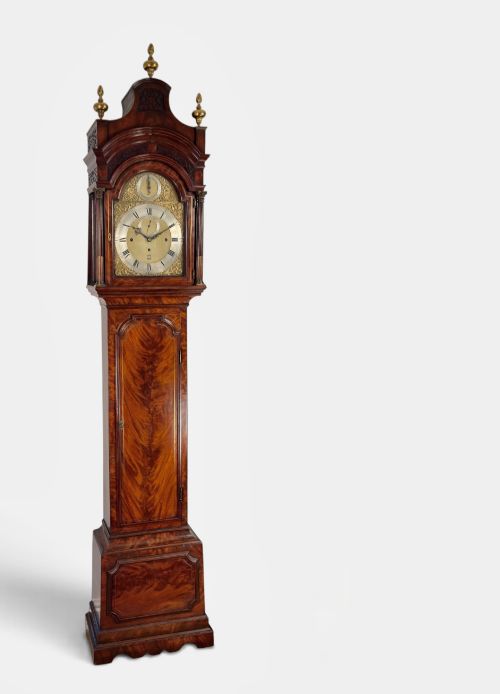
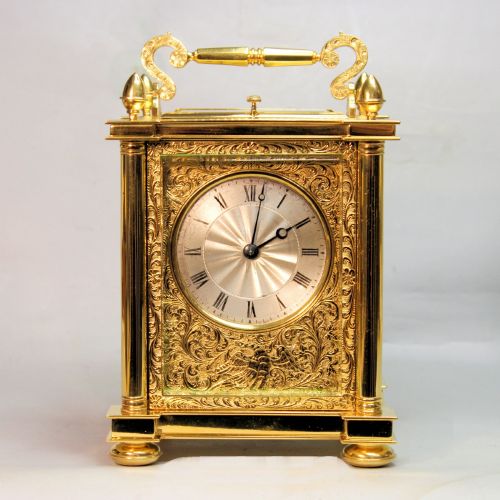
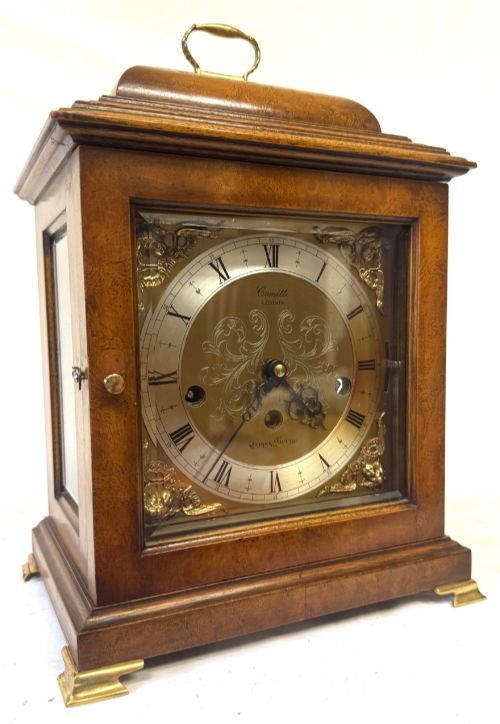
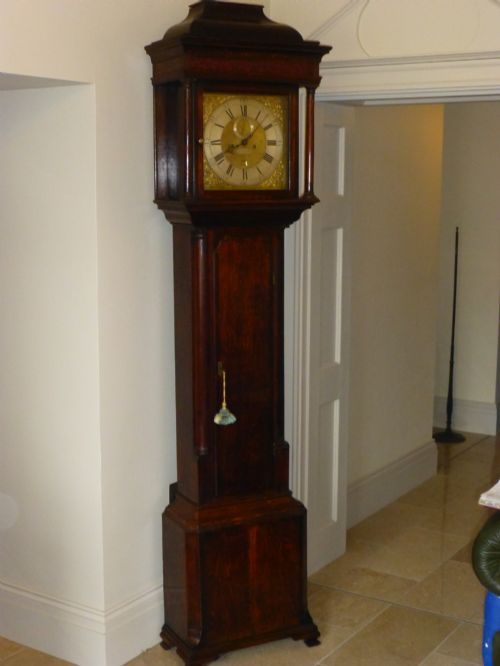
An english brass clock encompasses everything from miniature lantern styles to substantial floor-standing longcase mechanisms produced across several centuries. You encounter wall-mounted dial clocks, bracket pieces for shelves or tables, and freestanding grandfather units as you browse the selection.
The material palette heavily relies on polished brass for dials, bezels, and movements, frequently paired with mahogany, oak, walnut, or beech cabinetry. Production spans the 17th century through the 20th century, capturing shifts in domestic and institutional timekeeping from the Georgian, Victorian, and Edwardian eras.
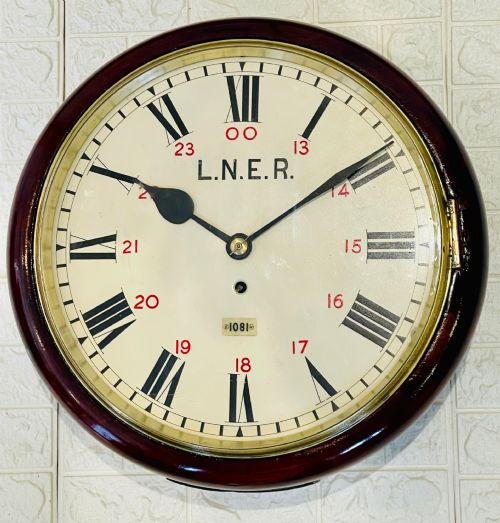
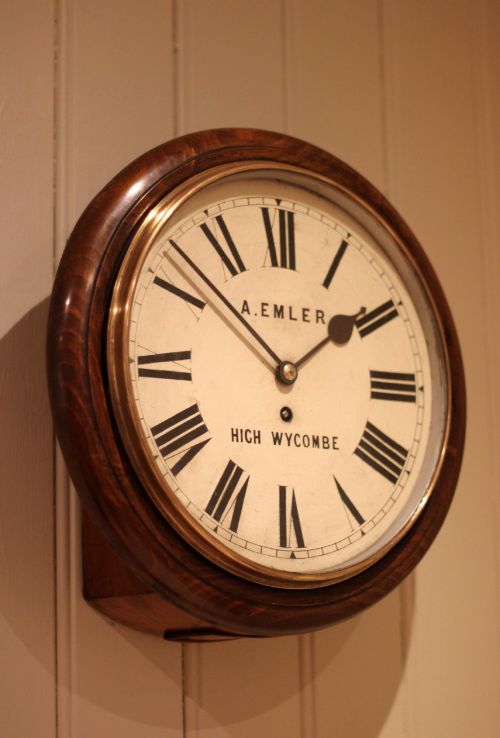
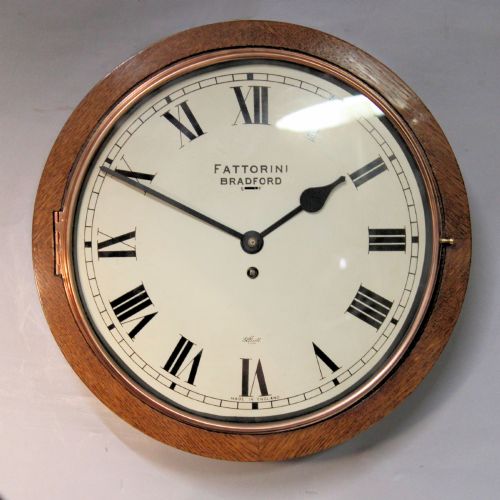
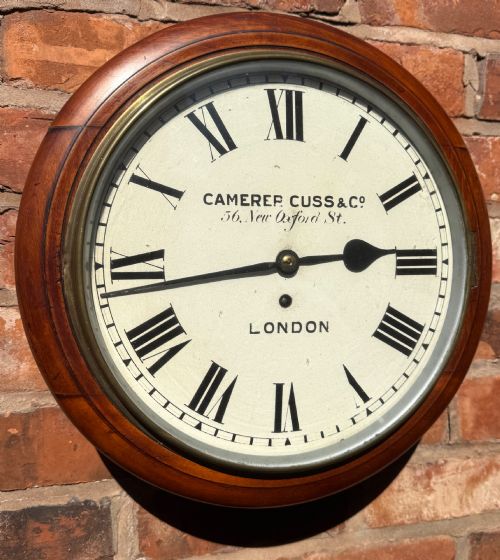
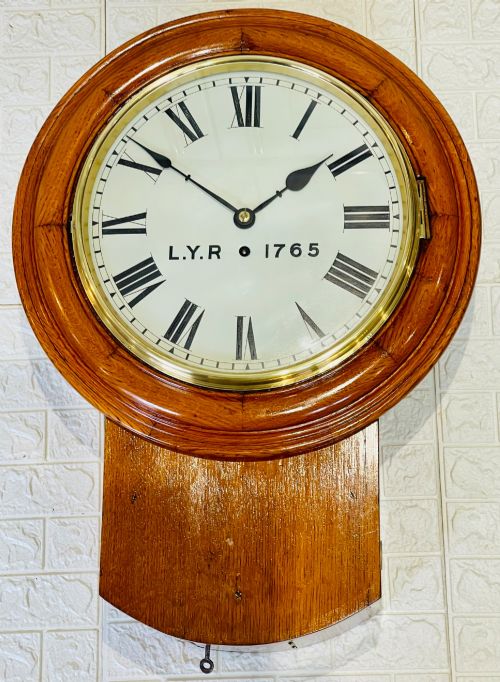
Dial designs range from simple painted station circles to engraved brass chapter rings with intricate corner spandrels. Whether housing a precise fusee movement or a striking railway mechanism, these pieces reflect the practical needs of past households and public spaces.
Materials and Construction Methods
Makers constructed the interior gear trains from durable brass and steel, cutting wheels and plates by hand in earlier periods before machine standardisation took hold. Heavy brass bezels and cast spandrels frame the faces, while iron and steel components manage escapements and striking functions within the weight-driven or spring-driven mechanisms.
Timber cases relied on native and imported hardwoods like mahogany, oak, and walnut, joined with traditional framing techniques to house the heavy movements securely. Dial faces combined brass plates with silvered chapter rings, enamel paint, or engraved details, protected behind fitted glass doors and bezels.
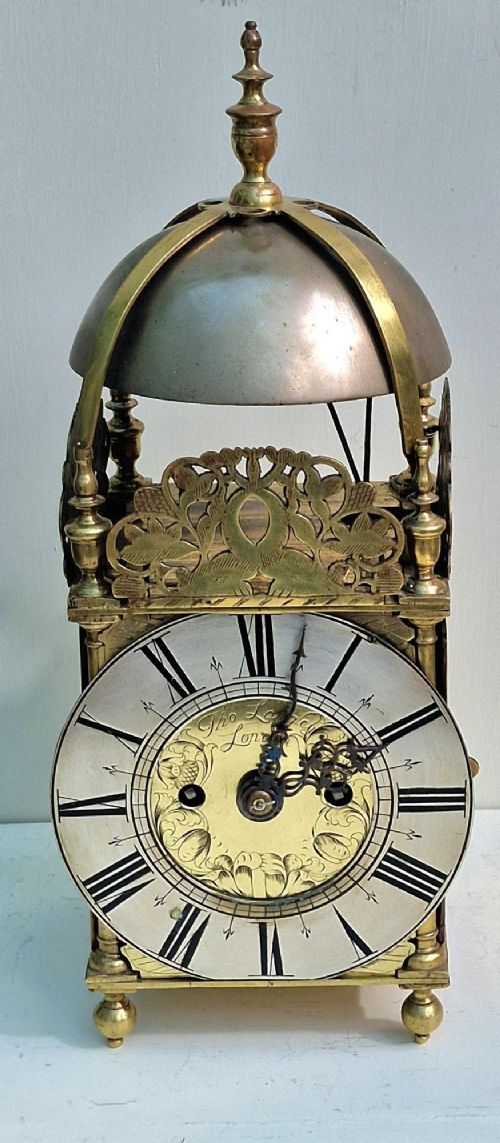
Listings feature movements ranging from 17th-century lantern clocks to 20th-century railway dial clocks, utilising brass, mahogany, oak, and glass.
Indicators of Quality and Craftsmanship
Superior examples display crisp hand-engraving on brass dials and delicate pierced work on clock hands, distinguishing them from mass-produced replacements. The precision of the gear cutting and the presence of signed maker plates on the movement indicate higher workshop standards.
Cabinetry integrity dictates overall worth, with fine timber selection, original patination, and well-fitted bezels separating exceptional horology from standard utility timepieces. Intricate movements, such as quarter-striking or fusee configurations, demonstrate advanced mechanical ambition.
Thomson of London·Gillett & Johnston of Croydon·Lee of Great Marlow·John Ellicott of London·Camerer Cuss & Co·Thomas Langley·Richard Corless·William Gard·Goldsmiths Alliance Ltd·J Henry Cheltenham·George Clarke·Handley & Moore·Mappin & Webb·Barwise·Charles Pratt·Thomas Lindey·Thomas King·Rapport of London·William Long
The English Brass Clock Glossary
- Fusee
- A conical pulley used in spring-driven clocks to equalise the torque of the mainspring as it unwinds. This mechanism helps maintain steady timekeeping accuracy throughout the running cycle.
- Chapter ring
- The outer ring on a clock dial that bears the hour numerals. In many older pieces, this is a separate silvered brass ring pinned to the dial plate.
- Spandrel
- The ornamental corner piece filling the space between a circular dial and its rectangular frame. These cast brass decorations often change in style according to the period.
- Lantern clock
- An early domestic wall-hanging clock constructed primarily of brass with exposed weight drives. They represent some of the earliest portable domestic timepieces in England.
- Anchor escapement
- A clock escapement mechanism shaped like an anchor that controls the descent of the weights or uncoiling of the spring. It allows for a shorter pendulum swing than the older verge type.
English Brass Clock: Frequently Asked Questions
What is a longcase clock?
A longcase clock, commonly known as a grandfather clock, houses its pendulum and weights inside a tall wooden floor-standing case. These pieces combine precise timekeeping with substantial furniture construction.
They usually feature large brass dials and distinct striking trains to mark the hours throughout the day and night.
Where were dial clocks used?
Dial clocks with clear brass bezels and bold numerals were standard fixtures in railway stations, offices, and schools during the 19th and 20th centuries. Their simple wall-hanging format prioritized readability from a distance.
Today, these utilitarian pieces transition easily into domestic hallways and kitchens, retaining their industrial functionalism.
How do I identify the period of a brass clock?
Examine the materials of the case, the style of the dial typography, and the complexity of the internal movement. Earlier 17th and 18th-century pieces often feature engraved brass chapter rings and oak or walnut cabinetry, while later Victorian versions embrace mahogany and simpler painted faces.
Maker signatures and specific escapement types recorded on the movement plates provide further historical context for dating.