
Early English Oak
Early english oak comprises centuries of sturdy chests, wainscot armchairs, and joined tables built to endure generations of domestic life.
Early English Oak
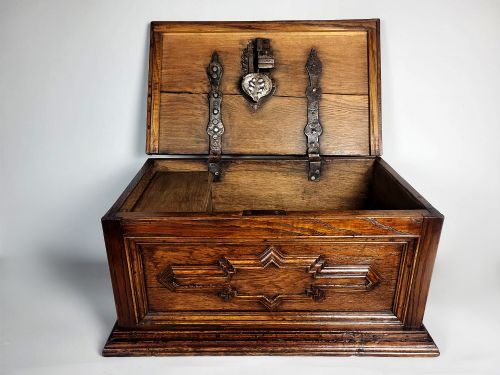
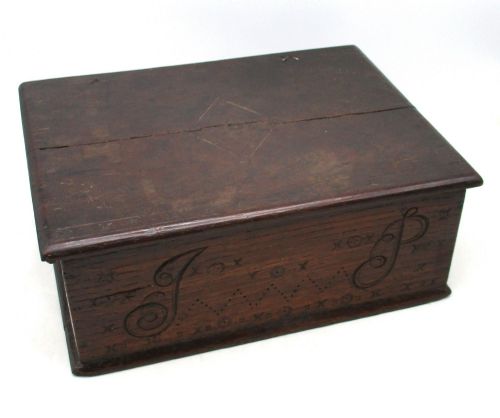
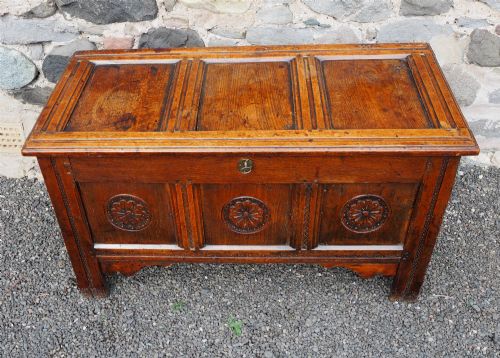
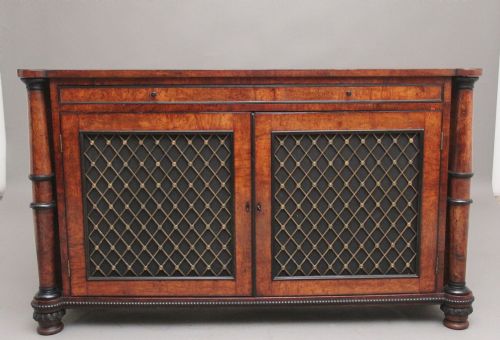
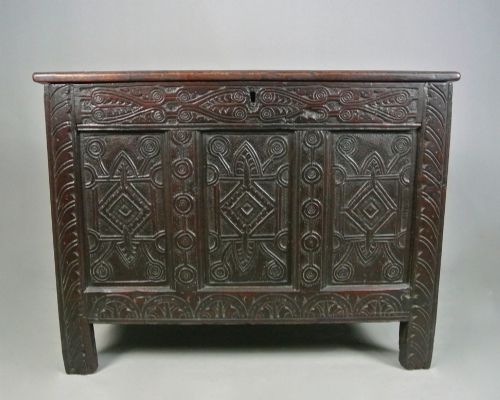
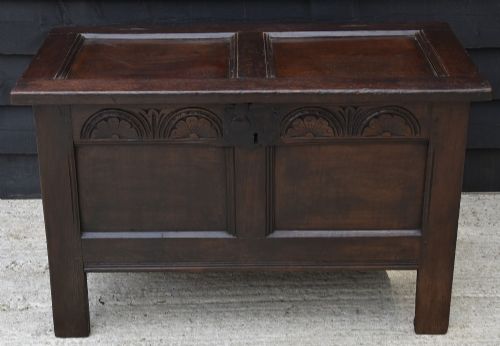
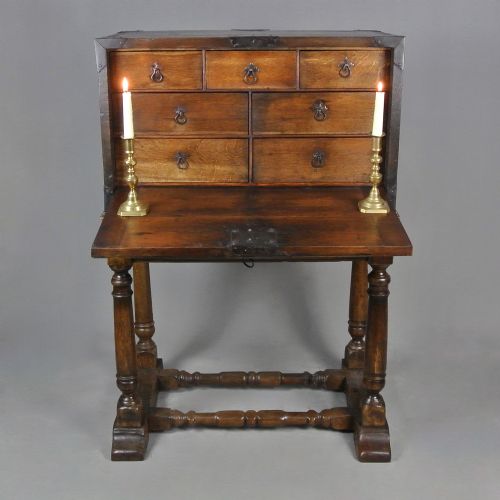
When searching for early english oak, buyers encounter utilitarian and decorative furnishings spanning the sixteenth through the nineteenth centuries, with seventeenth-century pieces dominating the selection. The material takes shape as robust coffers, panelled document boxes, wainscot armchairs, and joined stools designed for practical storage and seating.
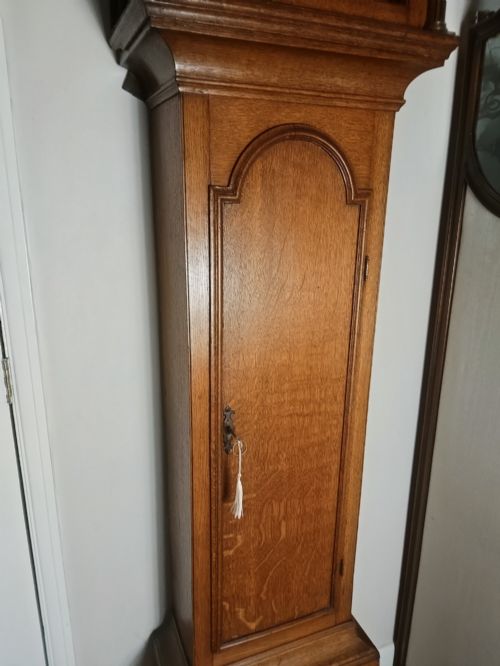
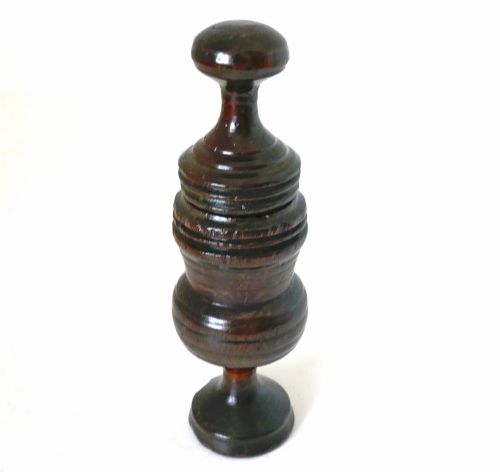
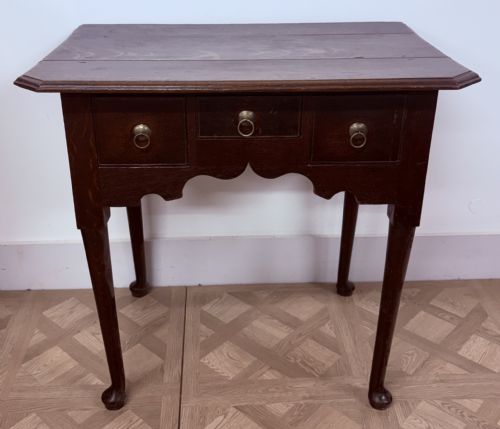
Beyond large furniture, domestic items include side tables, lowboys, longcase clocks, and smaller treen containers mounted with iron or brass. Regional English workshops produced these sturdy objects for daily use, leaving behind heavy timber surfaces that accumulated deep patinas over hundreds of years.
Later expressions extend into eighteenth-century country furniture and occasional nineteenth-century adaptations, yet the core of the inventory remains rooted in the heavy framed construction of the Tudor and Stuart eras. Buyers find both monumental press cupboards and intimate candle boxes sharing the same dense, durable timber.
Integrity of surfaces and construction
The finest examples retain their original untouched timber surfaces, displaying centuries-old patinas and minimal structural replacement. Superior pieces maintain their original joined frames, peg fixings, and period ironmongery without extensive modern intervention.
Lower tiers of quality often reveal excessive timber replacement, stripped surfaces, or reconstructed panels that disrupt the historical continuity of the object. The presence of original complex locks, untouched polish, and unblemished carved details distinguishes museum-grade survivals from heavily restored utilitarian items.
Some seventeenth-century spice grinders and pocket nutcrackers were cleverly carved from sycamore and fruitwood to share the kitchen table with heavy oak.
The Early English Oak Glossary
- Wainscot armchair
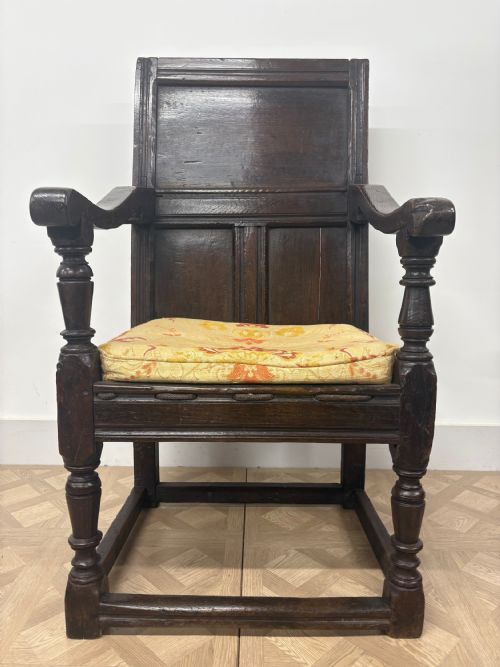
- A heavy wooden chair constructed with panelled backs and solid armrests, typical of sixteenth and seventeenth-century English domestic interiors. These seats denote high status within early households due to their complex joinery.
- Coffer
- A large wooden chest used primarily for storing valuables, textiles, and documents securely. Early versions feature joined frame-and-panel construction with heavy lid plates.
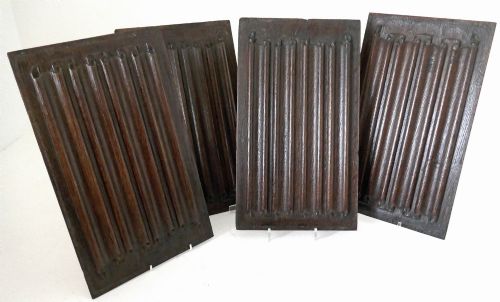
- Linenfold
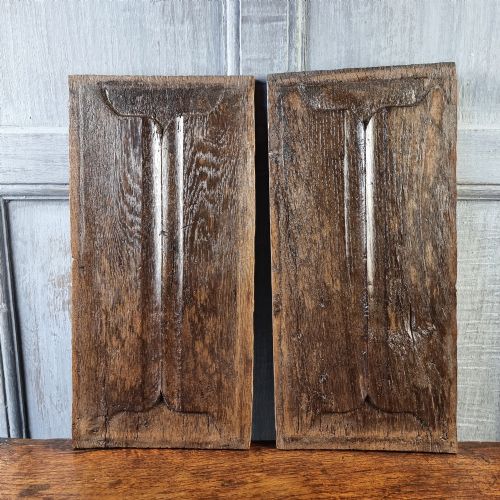
- A style of wood carving that imitates folded fabric, commonly seen on fifteenth and sixteenth-century panels. This decorative technique adds texture and vertical emphasis to flat wooden surfaces.
- Joint stool
- A sturdy, low wooden stool assembled with pegged mortise and tenon joints rather than turned legs alone. These items served as versatile seating and portable platforms around the home.
- Lowboy
- A small oak or walnut table featuring one or more drawers, originating around the turn of the eighteenth century. They functioned as dressing tables or side servers in elite rooms.
Early English Oak: Frequently Asked Questions
How do I care for early oak furniture?
Keep wooden pieces away from direct heat sources and rapid humidity fluctuations to prevent the ancient timber from splitting. Apply traditional beeswax sparingly to nourish the surface without building up synthetic residues.
Allow the natural patina to breathe by dusting gently with a soft, dry cloth rather than using wet chemical polishes. Regular, gentle maintenance preserves the hard-earned surface character developed over centuries.
How can I tell a seventeenth-century coffer apart from a later copy?
Examine the construction methods underneath and inside the piece for hand-tool marks, pegged joinery, and board shrinkage consistent with age. Authentic early examples display irregular adze marks and hand-cut iron nails rather than modern machine-cut screws.
The timber should feel dense and heavy, showing a deep, warm patina that penetrates the grain rather than sitting as a superficial finish. Authentic pieces also exhibit natural wear patterns around keyholes and lifting edges.
Were these pieces used in everyday homes?
Most early oak furnishings served practical functions in farmhouses, manors, and merchant dwellings across England. Coffers stored winter blankets, while wainscot chairs offered stable seating by the hearth.
Over generations, these heavy items absorbed the smoke, grease, and daily friction of active households. Their sturdy construction ensured they survived structural shifts and changing domestic fashions.
What is the difference between a coffer and a chest?
Traditional coffers are constructed using a heavy frame-and-panel technique where floating panels sit within grooved stiles and rails. This method allows the oak to expand and contract with seasonal humidity changes.
Chests often refer to simpler board construction, such as the six-plank variety nailed or pegged at the edges. Both forms provided secure storage for household valuables before built-in closets became common.