




Decorative Wall Platter
A decorative wall platter transforms an empty vertical surface into a focal point using centuries of ceramic and metal artistry.
Decorative Wall Platter
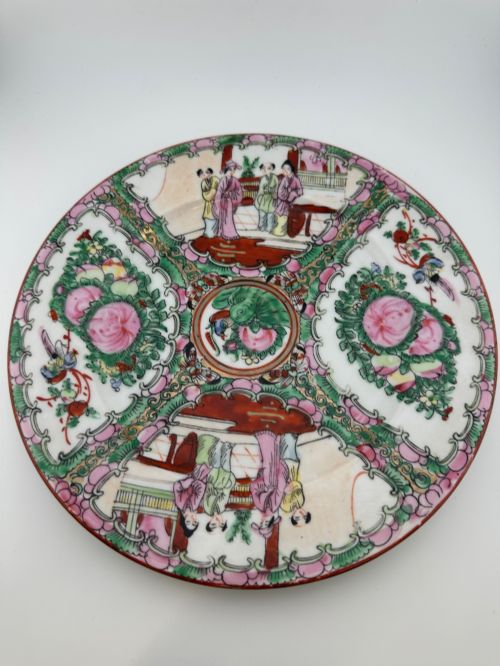
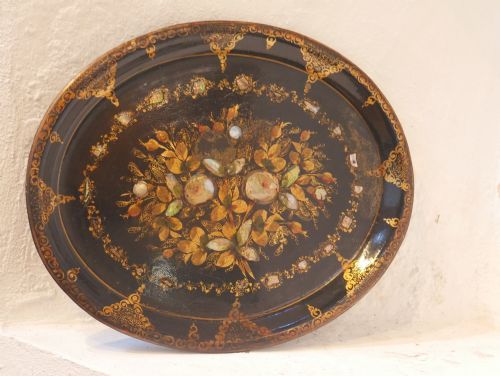
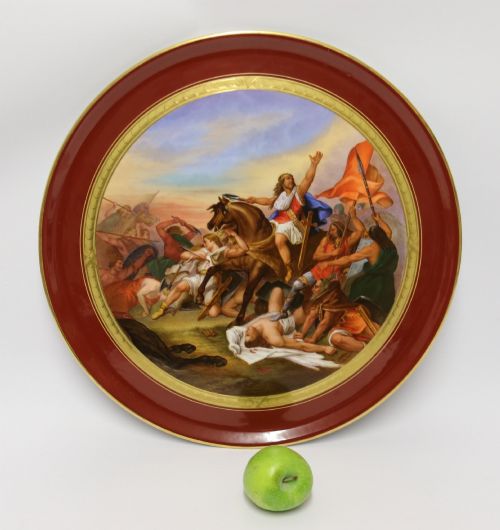
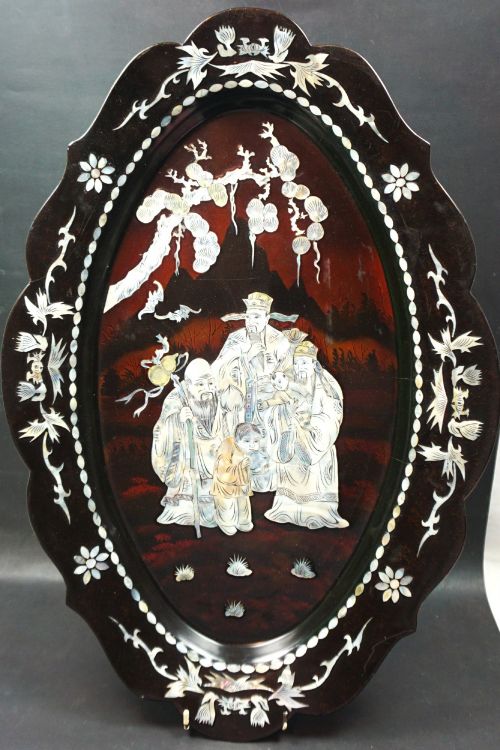
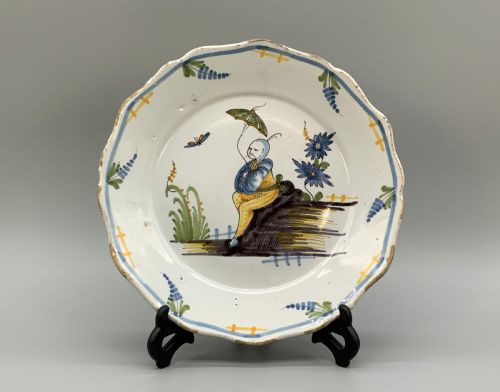
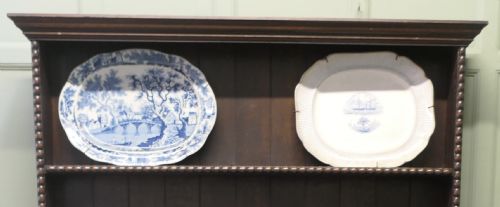
A decorative wall platter spans several centuries of domestic display, taking the shape of chargers, large plates, and wide trays meant primarily for visual impact rather than dining. The examples gathered here range from eighteenth-century delftware and nineteenth-century porcelain to intricately worked metalware and lacquer.
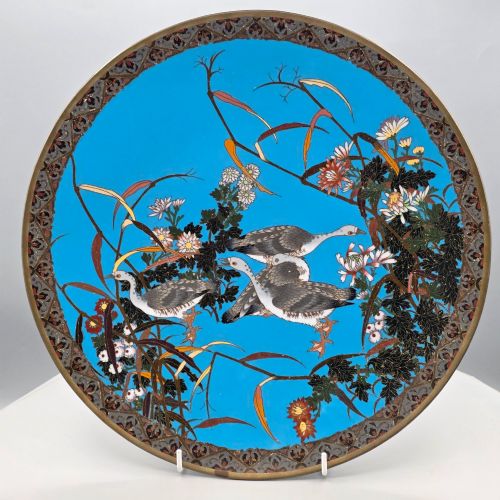
Japanese export wares, particularly Meiji period Imari and cloisonné enamels, appear frequently alongside European earthenware and continental faience. Buyers encounter circular and scalloped silhouettes designed with rear hanging holes or intended for specialised plate rails and brackets.
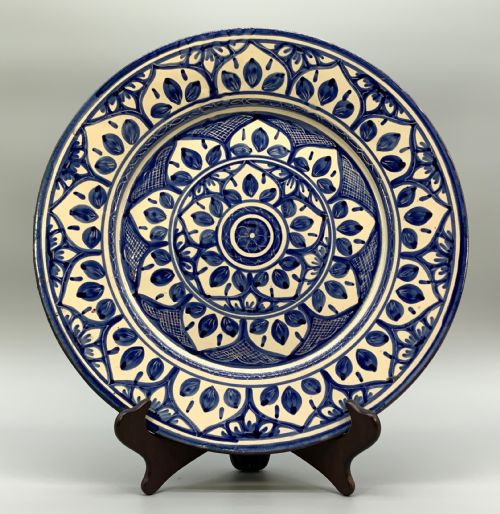
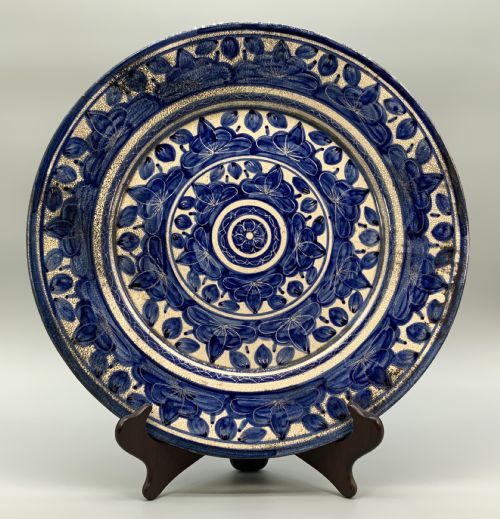
The selection encompasses diverse stylistic traditions, moving from Dutch baroque and French hand-painted porcelain to Middle Eastern silver-inlaid copper and Moorish Delft styles. Each piece serves to punctuate a room with scale, pattern, and historical resonance.
Materials and construction
Construction methods vary widely between ceramic bodies and metal alloys, utilising earthenware, porcelain, copper, brass, and lacquered wood. Ceramic platters rely on thrown or moulded clay finished with opaque glazes, cobalt blue underglazes, or polychrome enamels fired at high temperatures.
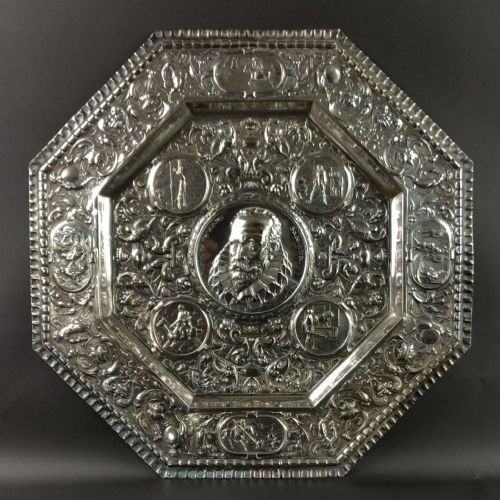
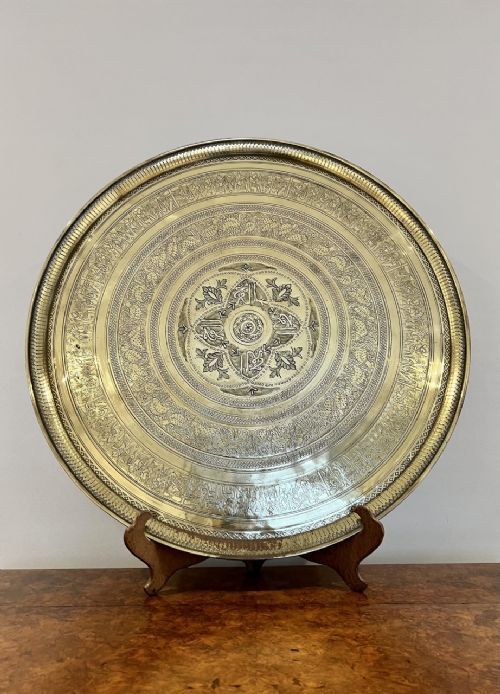
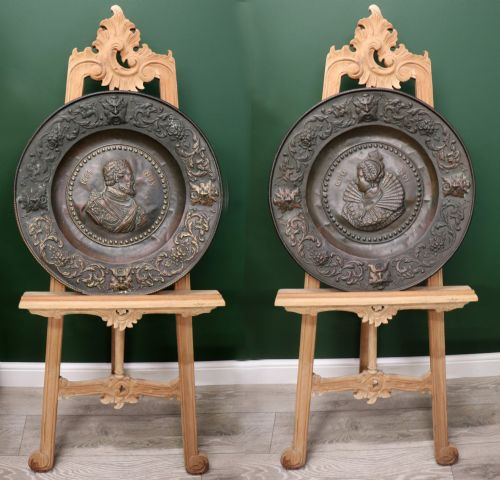
Metal vessels involve techniques such as repoussé work, hand-engraving, and mixed metal inlay, where silver and gold leaf are hammered into patinated copper or brass surfaces. Cloisonné pieces build intricate visual fields by soldering thin metal wires onto a base and filling the resulting cells with coloured enamel pastes before firing.
Listings feature earthenware, porcelain, copper, brass, and enamel across periods spanning from the eighteenth century to the mid-twentieth century.
Markers of distinction
Quality reveals itself in the precision of the hand-painted brushwork, the depth of the metal chasing, and the crispness of the underlying glaze or patina. Superior examples display deliberate composition and fine detailing, such as minute cloisonné wirework depicting natural subjects or sharply articulated repoussé portraits.
The integrity of the material surface and the survival of original decorative layers also dictate standing, distinguishing master-grade studio output from standard commercial production. A well-preserved piece retains the sharpness of its moulded relief or the rich iridescence of its original enamels without distracting modern restoration.
John Davenport of Longport·Copeland Pottery·Pucher Deroche
The Decorative Wall Platter Glossary
- Charger
- A large ornamental plate, typically exceeding twelve inches in diameter, designed for display on tables or walls rather than for serving food.
- Cloisonné
- An enamelwork technique where thin metal strips form compartments on a metallic base, which are then filled with vitreous paste and fired.
- Repoussé
- A metalworking method in which the artisan hammers a design from the reverse side to produce a raised relief on the front.
- Faience
- Tin-glazed earthenware produced in Europe, particularly associated with Dutch and continental traditions mimicking oriental porcelain.
- Imari
- A style of Japanese export porcelain characterised by a palette of underglaze blue, iron red, and gold highlights.
- Moriage
- A decorative Japanese ceramic technique featuring raised slip dots and motifs that stand proud of the main glazed surface.
Decorative Wall Platter: Frequently Asked Questions
How were decorative wall platters originally displayed?
In past centuries, large chargers and platters were stood on sideboard backs, hung from walls using pierced foot rings, or arranged on plate rails to showcase household wealth and artistic taste.
Today, modern owners mount them securely using coated wire hangers designed to distribute the weight evenly without stressing the ceramic or metal body.
What is the difference between a charger and a standard plate?
A charger is significantly larger than a standard dining plate, usually measuring well over twelve inches across, which gives it the necessary visual weight for architectural display.
These substantial dimensions allowed makers to paint elaborate historical scenes, botanical studies, or complex geometric patterns across the central well and border.
How do I identify a Japanese Meiji period enamel piece?
Meiji period cloisonné and porcelain platters often exhibit dense, meticulous natural motifs such as birds, flowers, and leaping koi rendered with high technical precision.
Examining the reverse reveals either patinated metal bases or unglazed foot rims typical of late nineteenth-century workshop production in regions like Kutani and Arita.
Can mixed metal trays be safely cleaned?
Mixed metal and patinated copper pieces require gentle dusting with a soft, dry cloth to preserve the historical oxidation and delicate silver inlay.
Aggressive metal polishes should be avoided entirely, as they strip away the aged surfaces and surface treatments that define the antique character of the tray.