





Nineteenth Century Charger
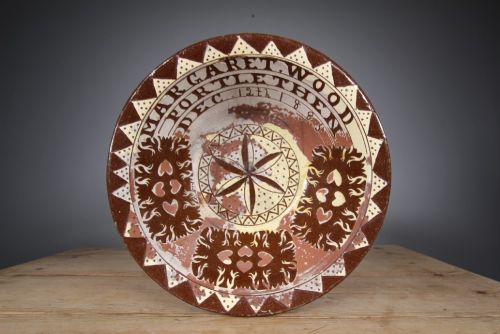
A nineteenth century charger brings considerable visual weight to a wall or sideboard through expansive painted surfaces and rich glazes.
Nineteenth Century Charger
A nineteenth century charger is a large decorative plate or display dish designed primarily for visual impact rather than dining use. The selection spans earthenware, porcelain, and metal vessels originating from English, European, and Japanese workshops.
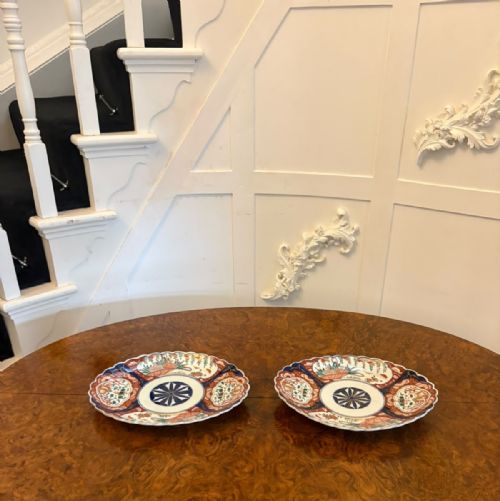
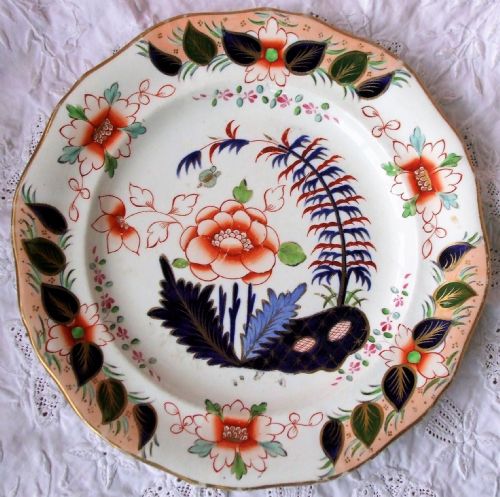
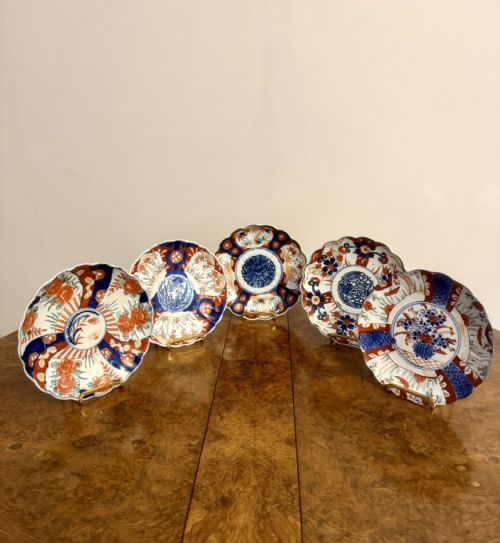
Makers utilised broad central surfaces to showcase hand-painted classical scenes, portraits, Japanese Imari patterns, and intricate blue and white transfer printing. Pieces range from large Italian maiolica chargers to Vienna porcelain plaques and Japanese cloisonné enamel works.
Buyers encounter significant variety in form, from deep round dishes to scalloped rims and oval trays. English potteries like Staffordshire and Minton sit alongside continental factories and Meiji period Japanese exports.
What varies in quality
The standard of painting largely dictates the value and visual success of a ceramic or porcelain charger. Skilled artists achieved greater depth, fine facial expressions, and precise perspective in historical and portrait scenes.
The complexity and crispness of glazes also separate standard production from finer work. Deep, even cobalt blues in Imari patterns and flawless enamel cells in cloisonné pieces distinguish superior specimens from simpler items.
Seaton Pottery·Royal Bonn·John Davenport of Longport·Copeland Pottery·T and H Compton·C J Mason·Minton
The Nineteenth Century Charger Glossary
- Charger
- A large ornamental dish intended for display rather than service at the table. These oversized plates measure significantly more than standard dining ware.
- Imari
- A style of Japanese export porcelain featuring deep cobalt blue, iron red, and gilding. The aesthetic influenced numerous European potteries during the period.
- Maiolica
- Tin-glazed earthenware produced in Italy and other European regions, noted for colourful painted decoration. Artisans painted directly onto the porous white glaze before firing.
- Cloisonné
- Enamel work where thin metal wires create raised compartments on a metal base. Artisans fill these cells with vitreous paste before firing and polishing.
- Ironstone
- A durable type of heavy earthenware patented in England to rival Chinese porcelain. It accepted glazes and blue and white transfer printing exceptionally well.
Nineteenth Century Charger: Frequently Asked Questions
How were nineteenth century chargers displayed?
These large plates were typically hung on walls using specialist wire hangers or stood upright on sideboards and buffets. Their substantial diameter made them focal points in dining rooms and parlours.
Many featured drilled foot rings specifically intended for hanging cord, allowing households to exhibit intricate hand-painted scenes at eye level.
Are these chargers suitable for daily use?
Most nineteenth century chargers are intended purely for display rather than functional dining service. Enamels, gold leaf, and delicate glazes can suffer from cutlery marks and regular washing.
Gentle dusting with a dry cloth is sufficient for maintenance. Submerging antique earthenware or enamel in water risks damaging historical bodies and glazes.
How do I distinguish Japanese Imari from European copies?
Japanese Meiji period Imari pieces typically exhibit a slightly gritty paste beneath the glaze and characteristic spur marks on the base. The iron red and cobalt blue pigments often show subtle pooling.
European factories like Davenport produced ironstone and porcelain versions with harder, whiter bodies and more uniform transfer-printed outlines beneath the hand-applied colours.
What is the difference between a charger and a cabinet plate?
Chargers are significantly larger, usually measuring well over thirty centimetres in diameter, and were designed to dominate a wall or sideboard. Cabinet plates are smaller display items meant for closer inspection in glass-fronted furniture.
Cabinet pieces often focus on minute portraiture or topographical scenes, whereas chargers utilise expansive spaces for narrative or decorative compositions.