



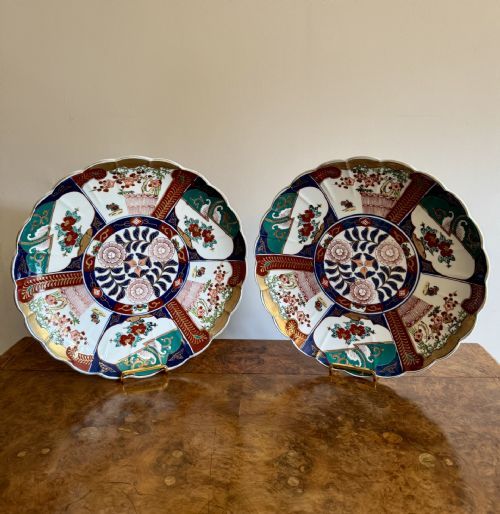


Large Porcelain Platter
A large porcelain platter brings substantial presence to a room, offering wide painted surfaces that span centuries of Chinese, Japanese and European kilns.
Large Porcelain Platter
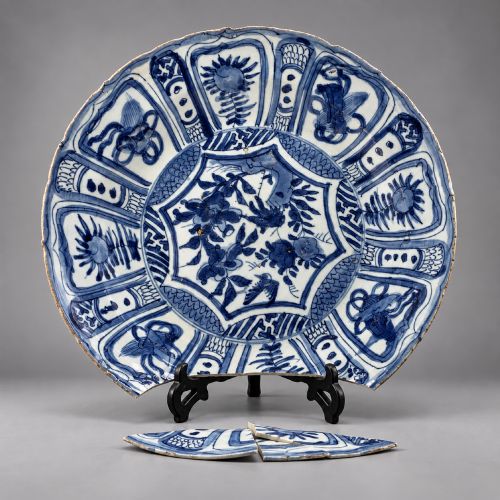
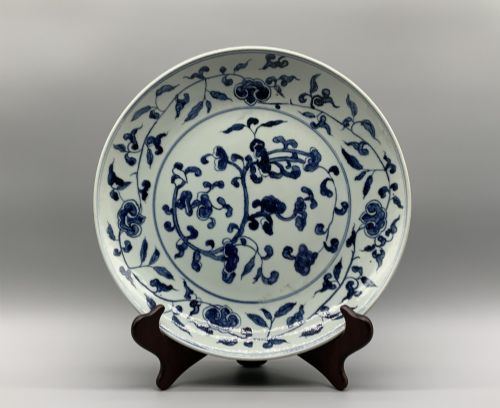
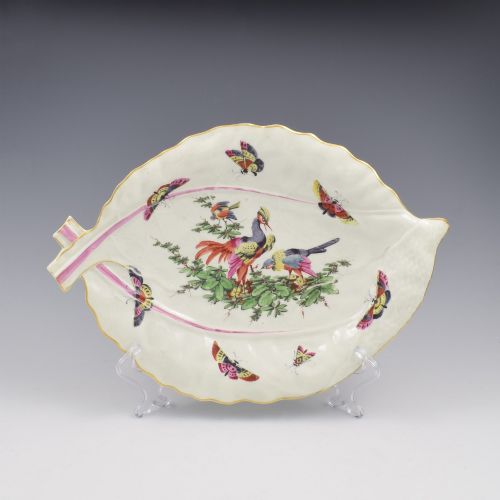
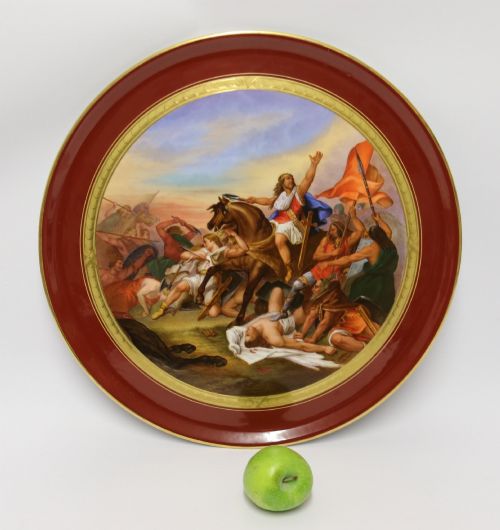
A large porcelain platter bridges the gap between utilitarian serving vessel and decorative display piece, frequently taking the form of a charger, deep dish or large plate. When exploring a selection of large porcelain platter items, buyers encounter heavy chargers and display dishes originating from various periods including the 17th century, 18th century, and the late 19th century.
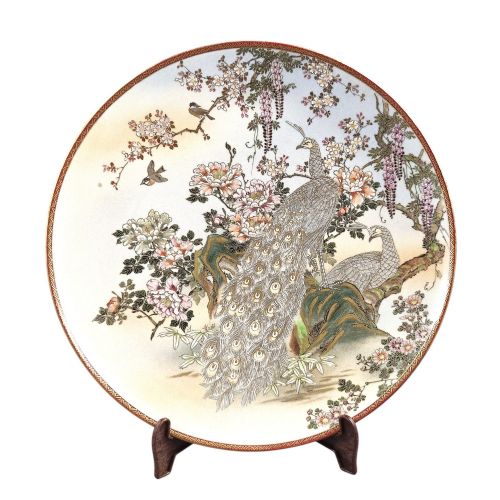
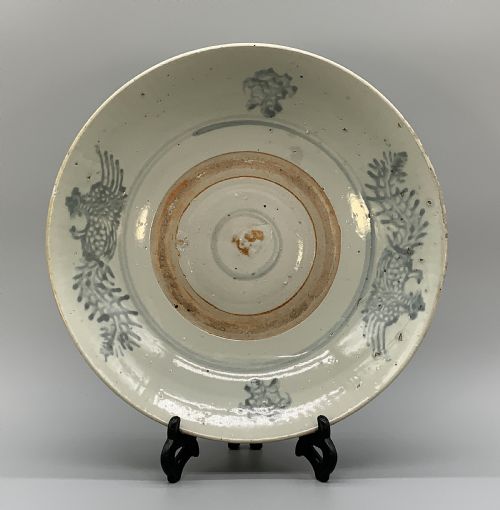
The objects span disparate origins, ranging from Chinese blue and white and Swatow wares to Japanese Imari, Kutani and Satsuma creations, alongside English porcelain from Worcester and Spode, plus French pieces from Paris and manufacturers such as Samson.
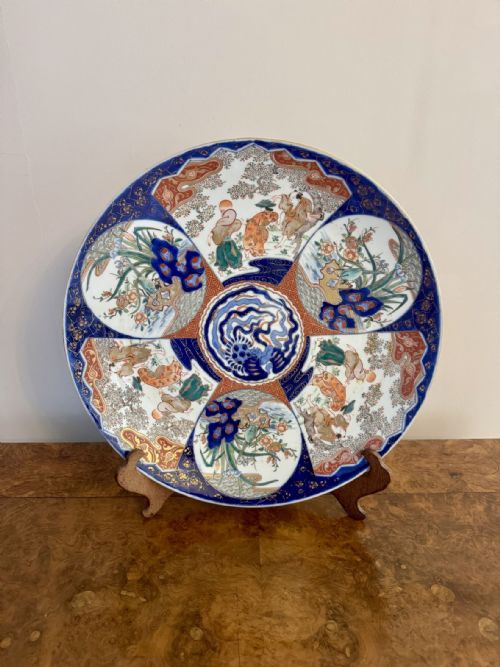
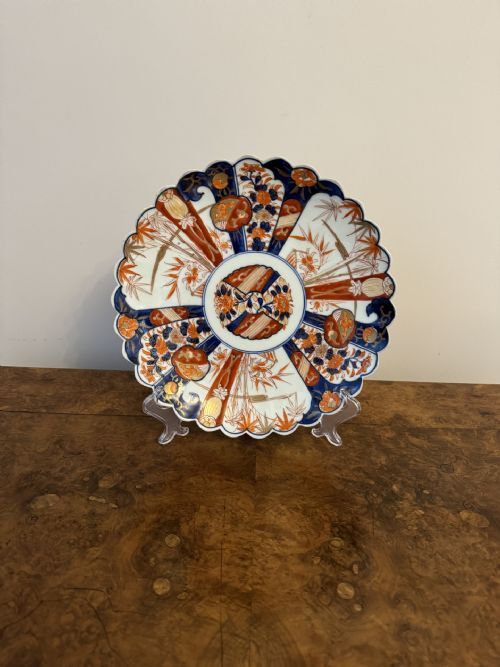
Most pieces met on this page belong to the late 19th century and the 1900 period, heavily weighted toward Japanese Imari chargers adorned with cobalt blue, iron red and gilt pigments.
What varies in quality
Quality separates objects by the precision of the hand-painted brushwork, seen in the sharpness of detailed figures, court scenes, or intricate Koi carp against coarser, hurried application.
The depth and brilliance of the palette dictate the visual impact, distinguishing richly layered overglaze enamels and clean cobalt blues from flat, dull colouration.
The crispness of form and edge integrity, whether scalloped or perfectly circular, separates standard production wares from pieces displaying finer potting technique.
Several large chargers depict the Seven Lucky Gods riding waves, ensuring divine protection for the dining room sideboard.
Samson Paris·Spode
The Large Porcelain Platter Glossary
- Charger
- A large decorative plate or dish traditionally used for service or display on a wall or sideboard. These wide surfaces provide ample canvas for complex pictorial compositions.
- Imari
- A style of Japanese export porcelain originating from Arita, characterised by a distinctive palette of cobalt blue, iron red, and gilt. It gained immense popularity across Europe during the 19th century.
- Moriage
- A decorative technique in Japanese ceramics where slip is piped onto the surface in raised dots or lines to create a tactile, three-dimensional effect.
- Felspar porcelain
- A type of vitrified ceramic body developed in English factories such as Spode during the Georgian era. It incorporates feldspar to increase durability and whiteness.
Large Porcelain Platter: Frequently Asked Questions
What is a large porcelain platter used for?
These large vessels served primarily as ceremonial table chargers, grand serving dishes, or central wall decorations in dining rooms and parlours. Their expansive diameters were designed to showcase wealth and artistic skill during feasts.
Today, collectors typically display them on stands or mount them securely on walls to appreciate the painted scenes and historical glaze work up close.
How do I tell Japanese Imari from Chinese porcelain?
Japanese Imari pieces from the Meiji period or earlier generally feature a denser, busier composition using a tripartite palette of cobalt blue, iron red, and abundant gold leaf. The porcelain body often feels slightly drier or heavier in the hand.
Chinese blue and white porcelain from dynasties such as the Kangxi era tends to display more fluid, naturalistic brushwork with luminous cobalt tones beneath a clearer glaze, frequently marked with auspicious symbols or apocryphal reigns.
How should I clean a antique porcelain platter?
Antique porcelain and enamel surfaces require gentle maintenance to preserve fragile overglaze gilding and hand-painted details. Dusting with a soft, dry cloth is usually sufficient for routine care.
Avoid submerging pieces in water, particularly if they possess exposed ceramic bodies, old repairs, or delicate gold leaf that can flake off with moisture.
Are these platters safe for serving food?
Most antique chargers and decorative plates were produced for display or ceremonial service rather than modern culinary use. Older glazes and overglaze enamels may contain historical ingredients unsuited to acidic foods.
It is safest to treat these pieces as decorative works of art rather than functional tableware for daily meals.