





Decorative Porcelain Wall Dish
These decorative porcelain wall dishes span centuries of firing and painting traditions from European and Asian kilns.
Decorative Porcelain Wall Dish
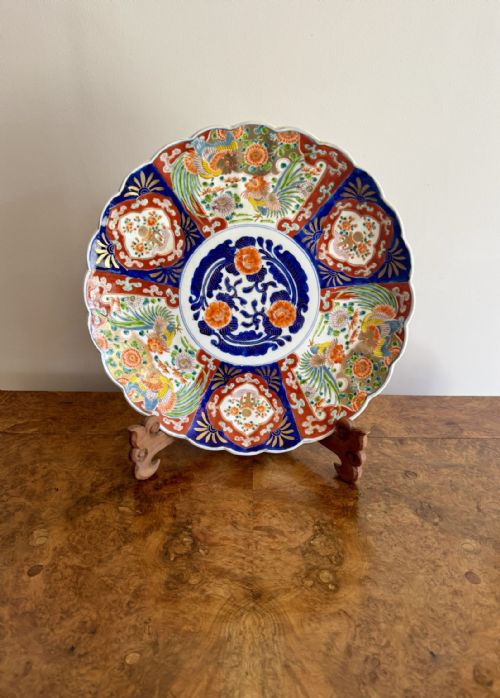
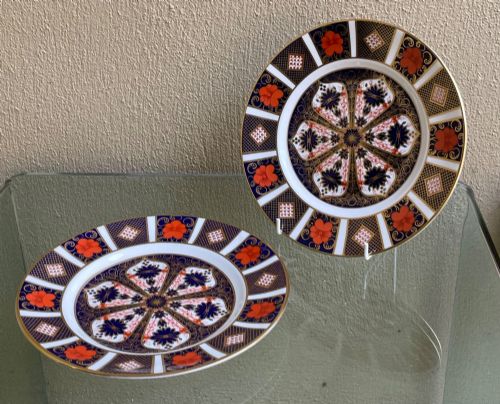
A decorative porcelain wall dish serves primarily as visual display rather than dining ware, often featuring hanging provisions or substantial scale. When examining this selection, buyers frequently encounter Japanese Imari chargers and English cabinet plates spanning the eighteenth to the twentieth centuries.
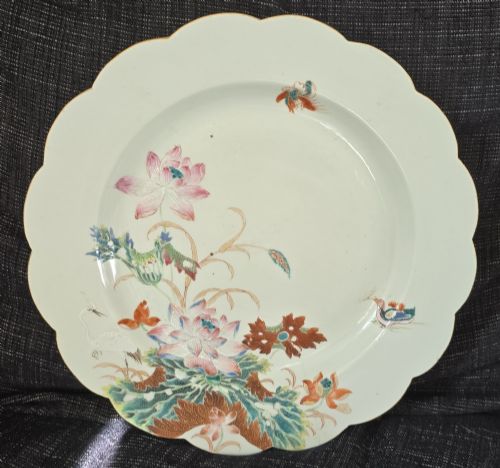
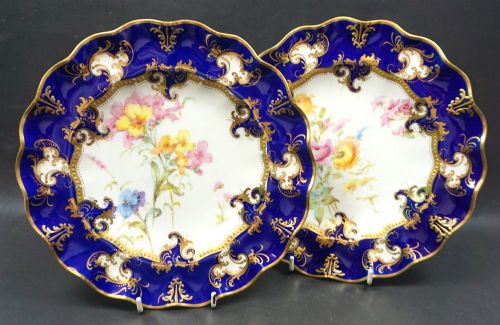
The assortment encompasses diverse forms including scalloped edge plates, square shapes, and large chargers from periods such as the Victorian era, Meiji Japan, and Georgian Britain. European manufactories and Japanese export workshops alike produced these pieces for interior ornamentation.
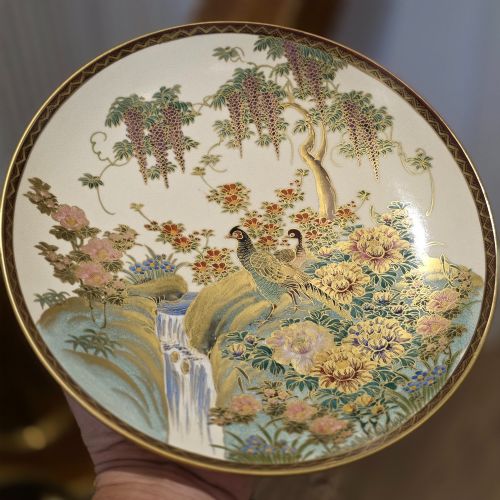
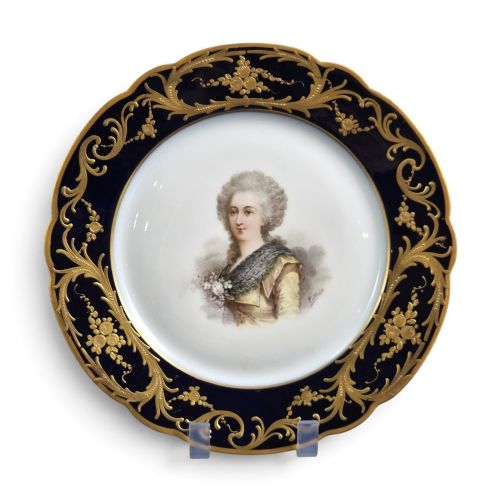
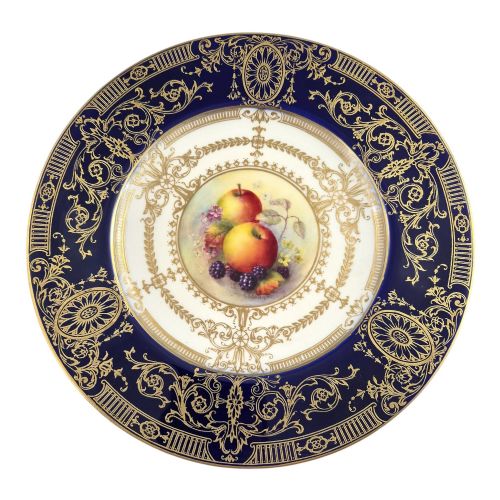
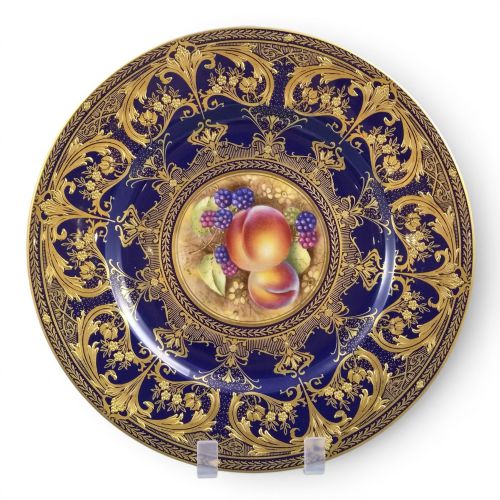
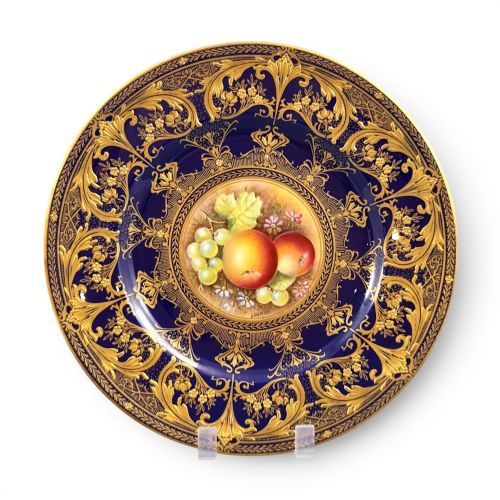
Makers ranged from notable English porcelain works like Royal Worcester and Royal Crown Derby to anonymous Japanese artisans working in Kutani and Satsuma styles. Each piece reflects the aesthetic preferences of its specific period, from cobalt portraits to hand-painted fruit.
Materials and Techniques
Potters shaped these objects from porcelain, bone china, and ironstone, applying glaze to create smooth, impermeable surfaces suitable for intricate painting. Many examples incorporate cobalt blue underglaze alongside overglaze enamels.
Gilding, gold leaf, and enamel pigments added rich colour and reflective highlights to both European cabinet plates and Japanese Imari wares. Firing techniques evolved to achieve vibrant palettes, particularly in Satsuma moriage and traditional blue and white compositions.
Several plates depict the Seven Lucky Gods and jabberwocky patterns, proving historical kilns possessed vivid imaginations.
Distinctions in Quality
Quality rests in the precision of the hand-painted detail and the depth of the glaze, distinguishing mass production from superior studio output. Master painters executed fruit, figures, and patterns with notable control over brushwork and colour saturation.
The crispness of the porcelain body and the complexity of the design, such as elaborate gilding or intricate moriage relief work, separate standard decorative items from exceptional cabinet pieces.
Koshida·Royal Crown Derby·John Ford·Richard Sebright·Brian Leaman·Pucher Deroche·Coalport·John Davenport·Minton
The Decorative Porcelain Wall Dish Glossary
- Cabinet plate
- A decorative plate intended for display in a cabinet or on a wall rather than for practical table use. These pieces often feature detailed hand-painted scenes and gilt borders.
- Charger
- A large decorative plate, significantly wider than a standard dinner plate, frequently hung on walls or used as a centrepiece. They appear prominently in Japanese export and European porcelain traditions.
- Imari
- A style of Japanese porcelain featuring a distinct palette of underglaze blue, iron red, and gold. European factories frequently copied these patterns during the eighteenth and nineteenth centuries.
- Moriage
- A Japanese ceramic technique where slip is applied in raised dots or lines to create textured, tactile decorations on the surface. It is commonly found on Satsuma wares.
- Ironstone
- A heavy, durable type of ceramic developed in Britain as a robust alternative to porcelain. It accepted brightly coloured enamel patterns such as Imari designs very successfully.
Decorative Porcelain Wall Dish: Frequently Asked Questions
How do I hang a wall dish safely?
Displaying these pieces requires specialised wall brackets or spring-loaded plate hangers designed to distribute weight evenly without damaging the rim. Brass or coated wire options secure the foot ring and edges firmly against the wall.
Ensure the fixing is anchored directly into masonry or a wall stud, especially when mounting large chargers or heavy ironstone examples.
Were these dishes meant for dining?
Cabinet plates and large chargers were generally created for visual admiration rather than daily culinary use. Their delicate gilding and painted surfaces were susceptible to cutlery scratching and food acids.
European factories produced them specifically for display cabinets, sideboards, and drawing-room walls.
What is the difference between Imari and blue and white?
Traditional Imari porcelain incorporates a tripartite colour scheme of underglaze cobalt blue, rusty iron red, and generous gold leaf highlights. Pure blue and white wares rely solely on cobalt oxides painted directly onto the clay body beneath the clear glaze.
Imari pieces offer a richer, multi-coloured visual texture compared to the simpler monochrome appearance of standard blue and white decoration.
How can I identify a painted fruit cabinet plate?
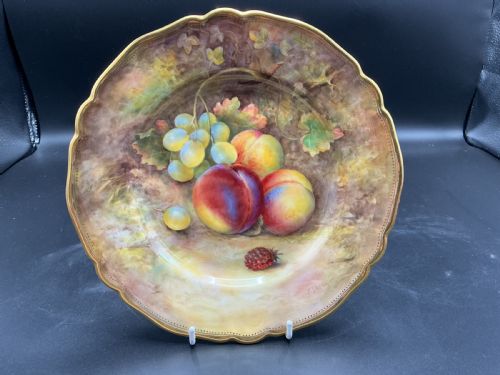
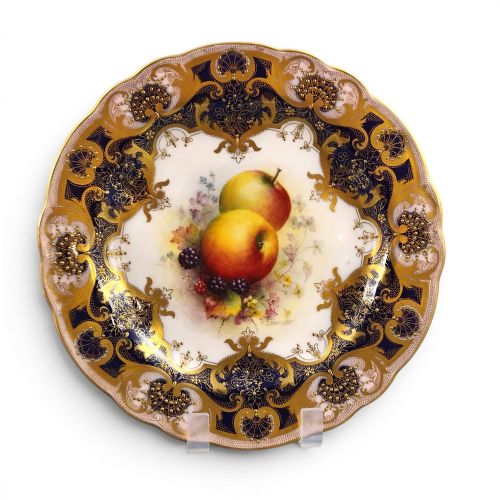
Painted fruit cabinet plates typically feature naturalistic depictions of apples, grapes, and peaches against soft, shaded backgrounds, often signed by the artist. British manufactories like Royal Worcester specialised in this genre during the late nineteenth and twentieth centuries.
These pieces frequently display elaborate raised gilding around the scalloped or beaded rims to enhance their decorative impact.