




Asian Ceramic Wall Display
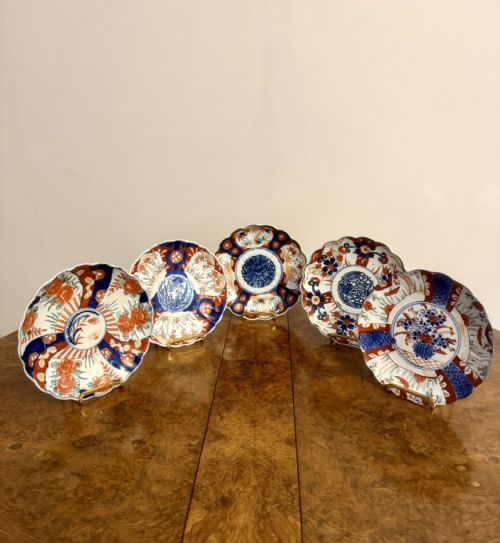
An asian ceramic wall display brings together hand-painted porcelain chargers and plates from Japan and China to fill empty vertical space with rich colour and pattern.
Asian Ceramic Wall Display
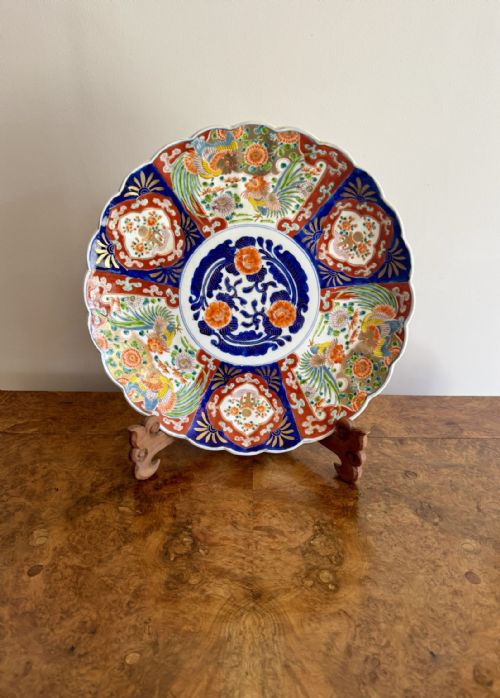
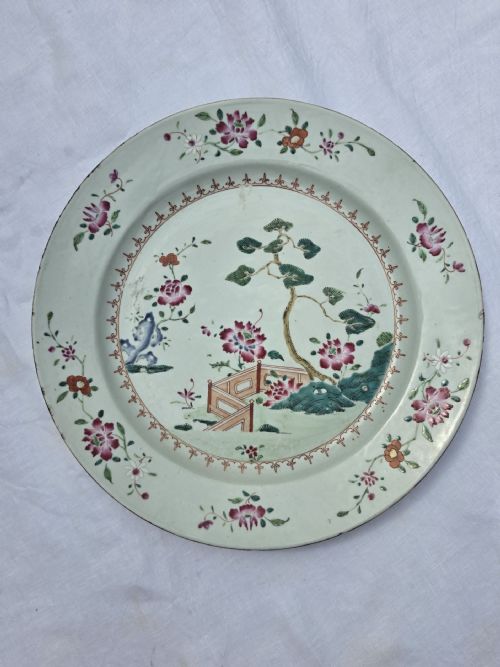
An asian ceramic wall display typically consists of chargers, decorative plates, and platters produced across several centuries in East Asia. The selection spans the Edo and Meiji periods in Japan alongside Chinese export wares, including Famille Rose and Qing dynasty pieces.
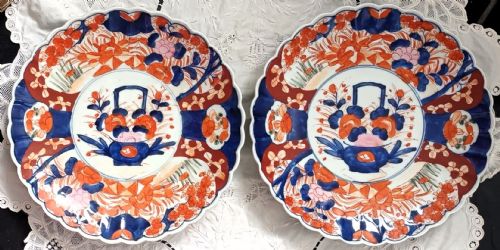
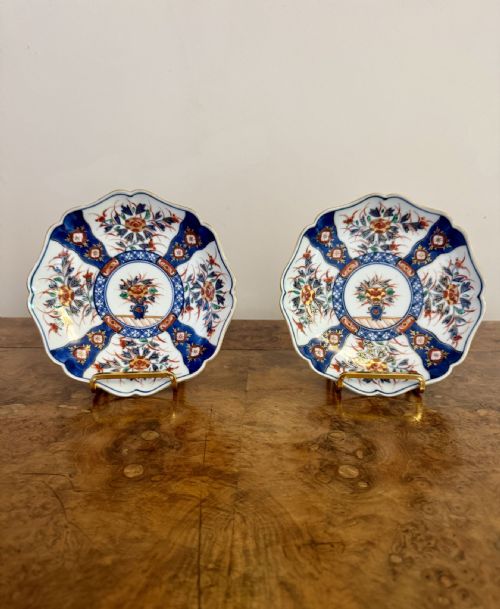
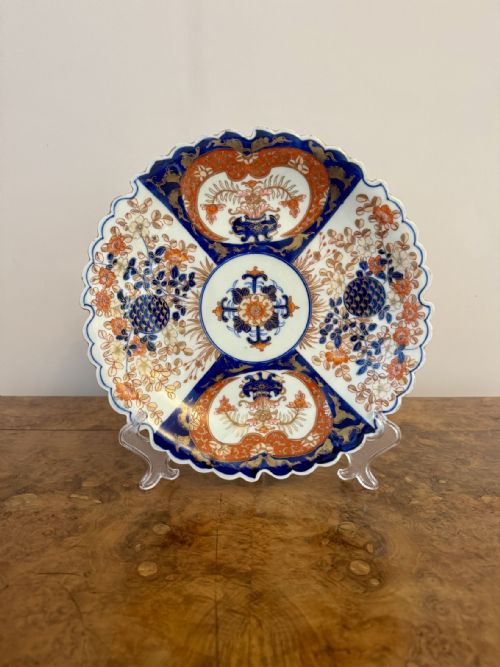
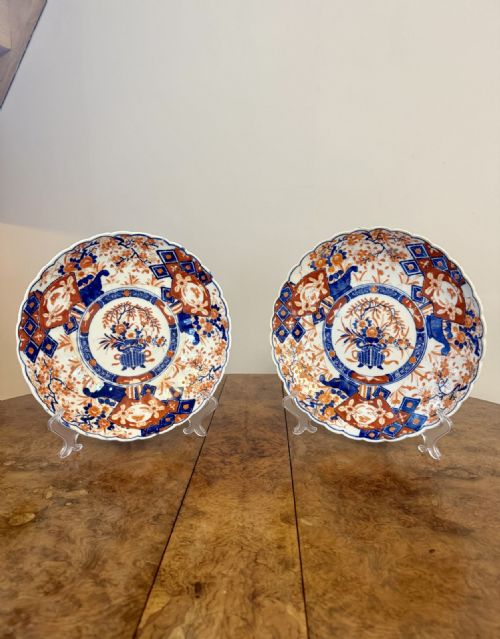
Buyers will most frequently encounter Japanese Imari plates and large chargers dating from the late nineteenth and early twentieth centuries. These pieces arrive in various formats, from round chargers and square plates to shell-shaped dishes.
The objects originate from major production centres such as Arita, combining traditional forms with decorative schemes intended for both domestic use and export markets.
Materials and Technique
The foundation of these pieces rests on white porcelain and earthenware shaped into plates, dishes, and heavy chargers. Potters applied cobalt underglaze pigments before the initial firing to establish deep blue foundational motifs.
Overglaze enamels, gilt, and gold leaf were added in subsequent firings to build intricate polychrome patterns. Hand painting remains the dominant technique across the selection, executed with fine brushes to render birds, figures, and foliage.
The listings on this page span the Edo period, Qing dynasty, and Meiji period, alongside Victorian and Edwardian decades.
Assessing Quality
Quality separates through the precision and density of the hand-painted brushwork applied to the ceramic surface. Superior pieces exhibit controlled cobalt underglaze lines and carefully registered enamel colours that stay strictly within their borders.
The complexity of the decorative composition also defines the upper range, particularly where multi-figure scenes or named makers appear on the reverse or base. Weight, potting uniformity, and the crispness of scalloped or square moulded edges further distinguish finer examples.
Koshida·Meizan
The Asian Ceramic Wall Display Glossary
- Imari
- A style of Japanese porcelain featuring a distinct palette of cobalt blue, iron red, and gilt highlights. It takes its name from the port town where wares were shipped to Europe.
- Charger
- A large decorative plate intended primarily for display on a wall or sideboard rather than for service at the dining table. These pieces often measure significantly wider than standard dinner plates.
- Famille Rose
- A Chinese porcelain palette dominated by opaque pink or rose enamel colours introduced during the Qing dynasty. The technique allowed for subtle tonal gradations in floral and figural subjects.
- Meiji Period
- The era in Japanese history spanning from 1868 to 1912 marked by increased international trade and exports of decorative arts. Pieces from this time often display ambitious polychrome enamel work.
- Cobalt Underglaze
- A blue pigment applied directly to the raw clay body prior to glazing and high-temperature firing. This method ensures the pigment remains permanent and protected beneath a glossy clear surface.
Asian Ceramic Wall Display: Frequently Asked Questions
How do I hang a heavy ceramic charger safely?
Heavy chargers require specialised spring-loaded brass wall hangers that distribute weight evenly across the rim. Ensure the mounting bracket fastens directly into wall studs rather than plaster alone.
Check the tension of the springs periodically to maintain a secure grip around the ceramic edge. Felt pads placed between the metal prongs and the back of the plate prevent scratching.
How do I tell an Edo period charger from a Meiji piece?
Edo period pieces often display heavier potting and deeper cobalt tones influenced by earlier utilitarian traditions. Brushwork tends to be robust and direct.
Meiji examples frequently incorporate dense enamel work, gilt highlights, and explicit export signatures. The overall finish reflects the commercial demands of late nineteenth-century international markets.
Are these plates meant for food use?
Antique chargers and decorative plates are intended strictly for display rather than culinary service. Older glazes and enamels may contain elements unsuitable for modern food contact.
Displaying them vertically on walls or securely on plate stands preserves both the surface decoration and the structural integrity of the ceramic.
What does Japanese Imari mean?
Japanese Imari refers to porcelain manufactured in the Arita area and exported through the port of Imari. The signature aesthetic combines deep underglaze blue with contrasting iron red and gold leaf.
This palette proved immensely popular in European interiors throughout the eighteenth and nineteenth centuries, leading to widespread production for export.