
Decorative Porcelain Figures
These decorative porcelain figures bring character and history into a room, spanning delicate European animals and classical figures.
Decorative Porcelain Figures
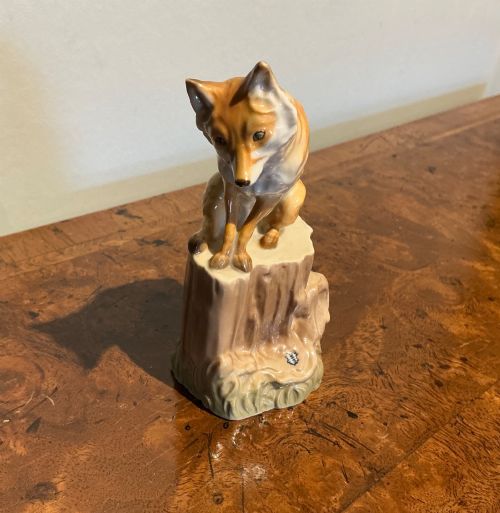
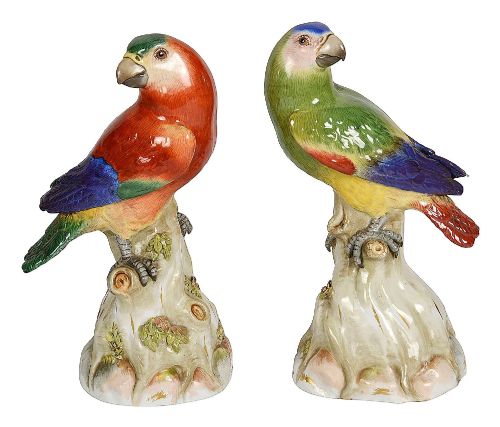
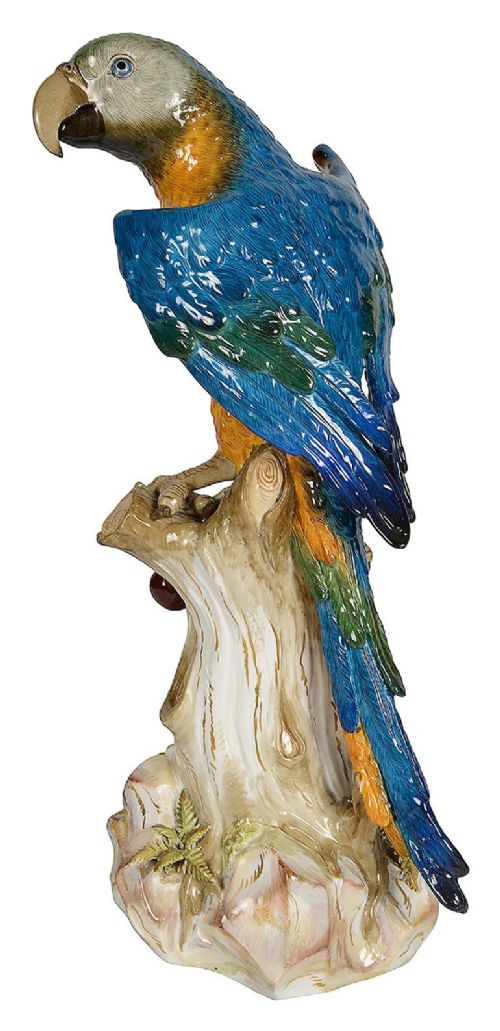
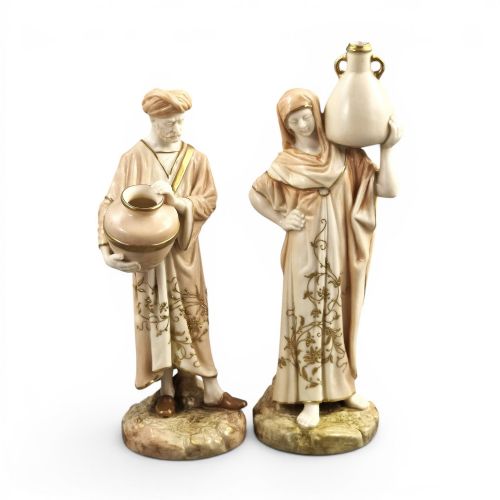
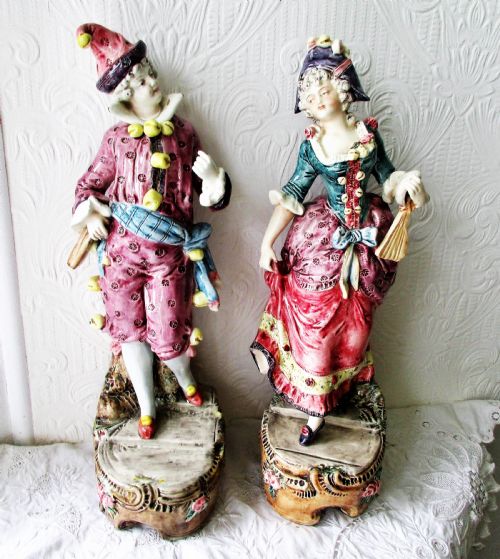
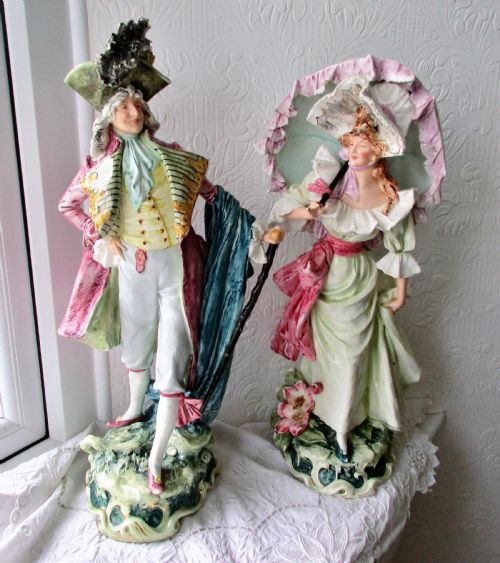
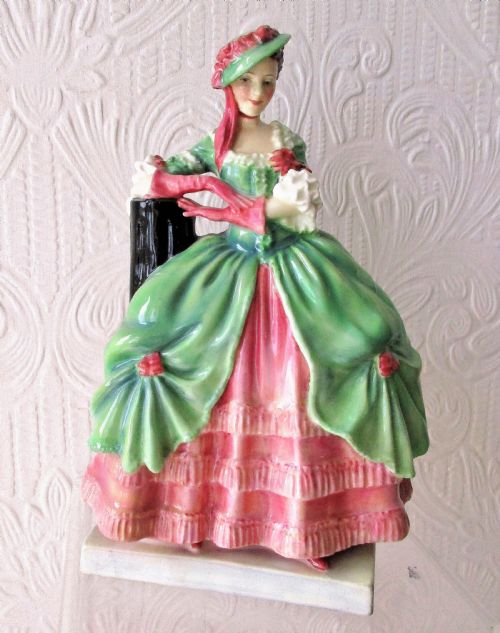
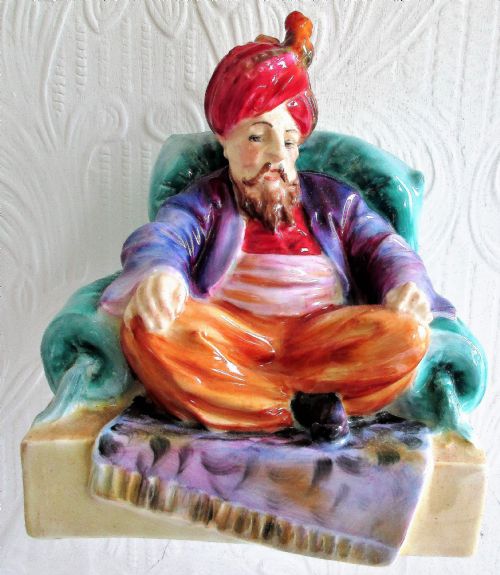
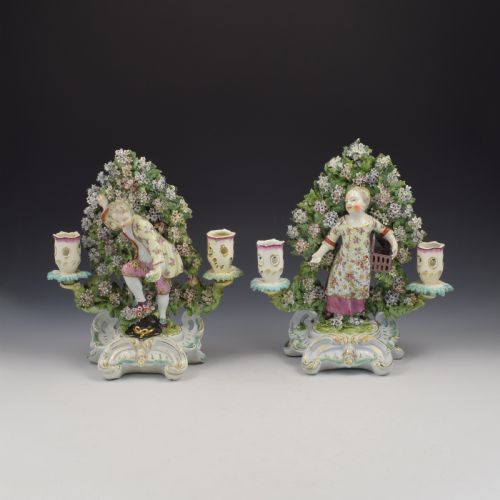
Decorative porcelain figures encompass a rich variety of sculptural works, ranging from eighteenth-century English bocage candlesticks and nineteenth-century German birds to twentieth-century Art Deco bookends and Asian ceramic deities.
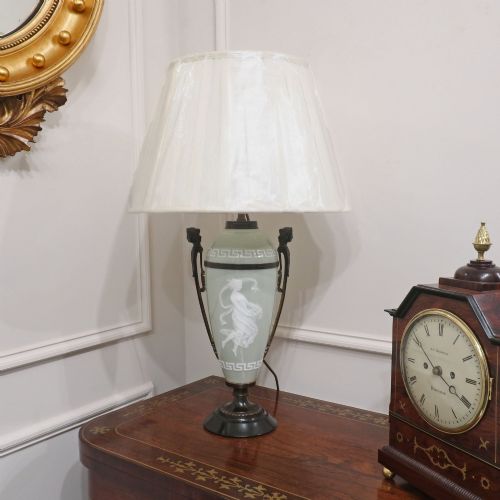
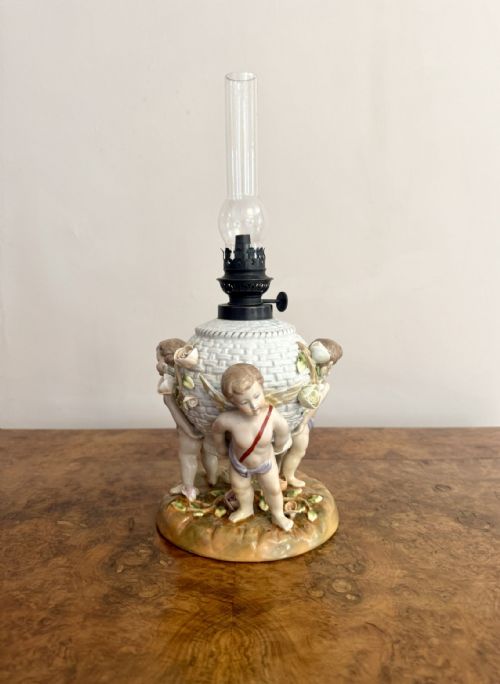
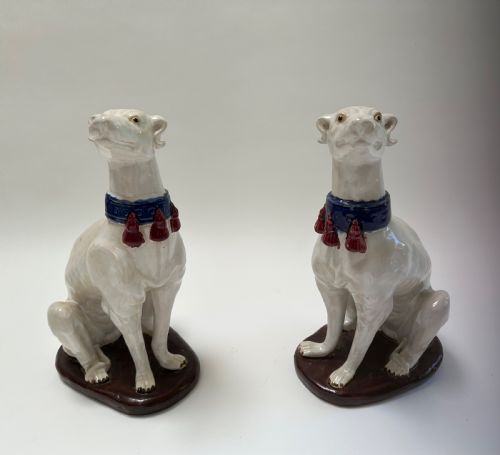
Buyers exploring this selection will encounter diverse forms such as glazed figurines, table lamps mounted with porcelain elements, and painted figures depicting historical or mythological subjects across different global traditions.
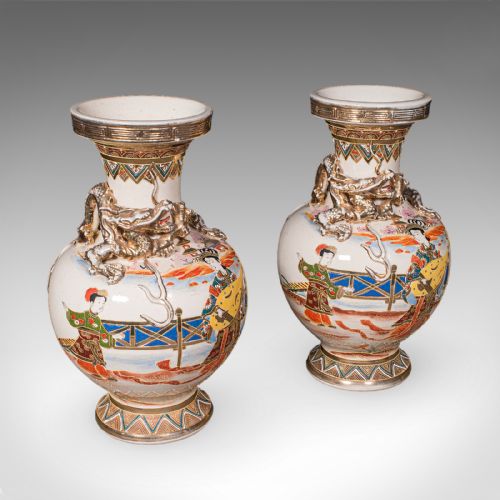
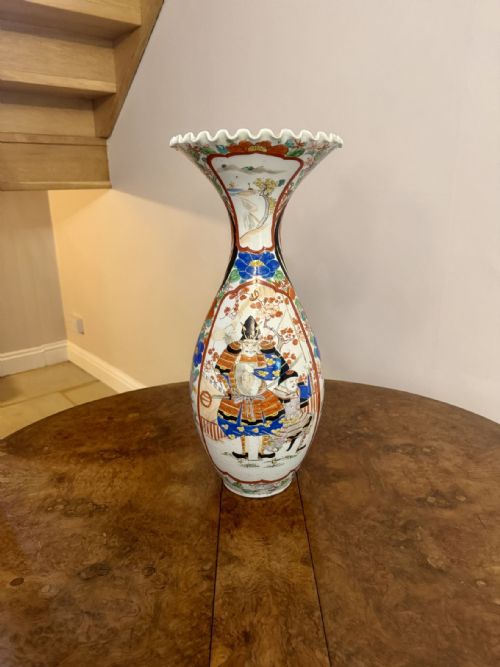
The objects stem from periods including the eighteenth, nineteenth, and early twentieth centuries, reflecting changing aesthetic preferences from Rococo Revival and Victorian styles to Art Deco and Meiji period craftsmanship.
Materials and methods of creation
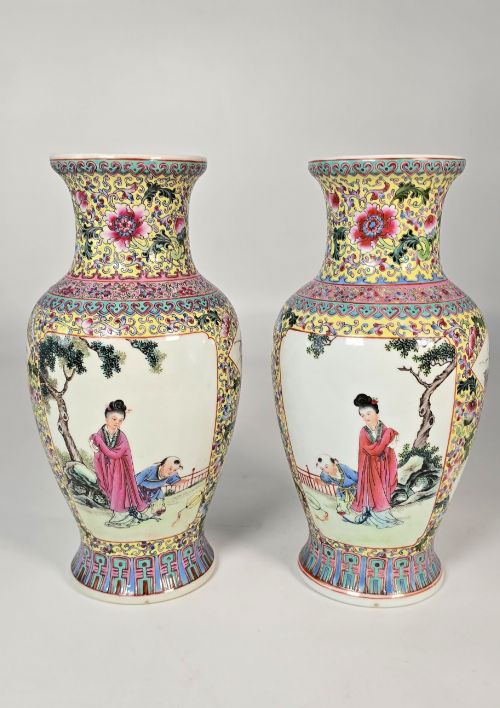
These pieces rely primarily on porcelain, earthenware, and ceramic bodies shaped into detailed sculptural forms, often finished with intricate enamel paintwork and glossy or sancai glazes.
Many items incorporate additional decorative elements such as gold leaf highlights and applied fabric or ormolu mounts that enhance their visual complexity.
Several figures depict animals engaged in human pursuits, including parrots and elephants dressed for conquest.
Distinctions in craftsmanship
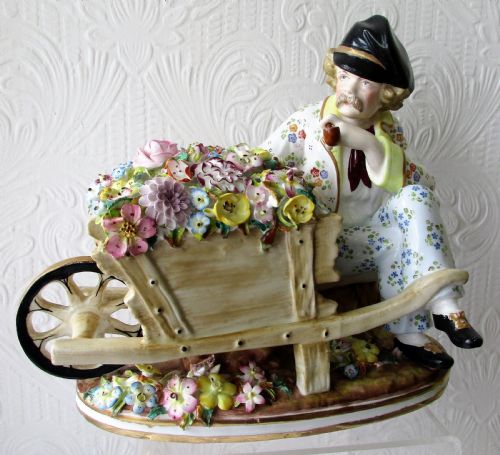
Quality rests in the precision of the moulding and the subtlety of the hand-painting, where finer examples display crisper facial expressions, delicate hand-modelled botanical details, and controlled pigment application rather than flat washes.
Superior works also maintain the integrity of their fragile appendages, such as bocage foliage or extended fingers, demonstrating exceptional skill from kilns like Meissen, Royal Worcester, and Nymphenburg.
Nymphenburg·Meissen·Royal Worcester·Sitzendorf·John Bevington·Royal Doulton·Derby·Zhu Mao Ji·Volkstedt·Edme Samson·Kinkozan
The Decorative Porcelain Figures Glossary
- Bocage
- A background of applied porcelain leaves and flowers surrounding a figure. This technique was popular in eighteenth-century English and European ceramics.
- Pate sur pate
- A method of porcelain decoration where wet white slip is built up in layers on a tinted clay body to create a low relief cameo effect.
- Famille rose
- A palette of Chinese porcelain enamels dominated by opaque pink or rose colours, introduced during the Qing dynasty.
- Okimono
- A Japanese freestanding ornamental carving or figure designed for display on a shelf or in a traditional alcove.
- Parian ware
- A type of unglazed biscuit porcelain developed in the nineteenth century that resembles white marble and was often used for classical sculpture.
Decorative Porcelain Figures: Frequently Asked Questions
How do I identify eighteenth-century figures?
Eighteenth-century pieces typically exhibit hand-modelled details, specific paste compositions, and characteristic underglaze or enamelled palettes associated with historic factories.
Closer inspection of the base often reveals early form numbers, factory marks, or signs of manual throwing and firing unique to that era.
Where were these figures displayed?
Historically, these items decorated mantelpieces, side tables, and cabinets in grand houses and middle-class parlours alike.
They served as conversational centrepieces and symbols of refinement, often paired on either side of a clock or candelabra.
How should I clean porcelain figures?
Dusting requires a soft, dry brush to prevent accumulation in intricate crevices like bocage foliage or lacework.
Harsh chemical cleaners and excessive moisture must be avoided to protect delicate overglaze enamels and applied gold leaf.
What does Meiji period mean?
The Meiji period spans the late nineteenth and early twentieth centuries in Japan, marked by the opening of trade and exceptional decorative arts output.
Works from this time often feature elaborate Satsuma earthenware and Kutani porcelain with intricate gilding and enamel work.