



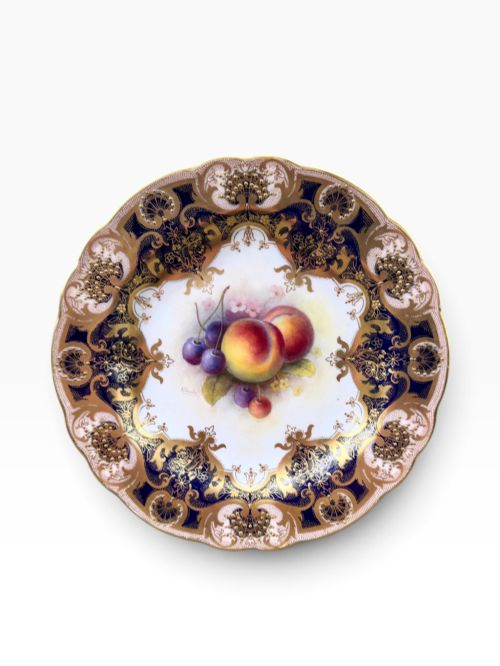
Decorative Porcelain Dish
A decorative porcelain dish brings hand-painted colour and centuries of ceramic skill directly to your table or cabinet.

Decorative Porcelain Dish
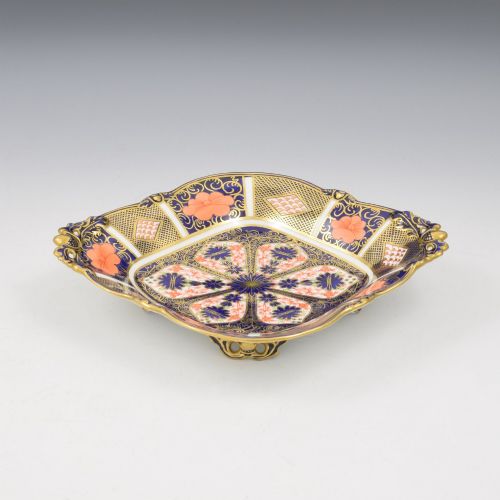
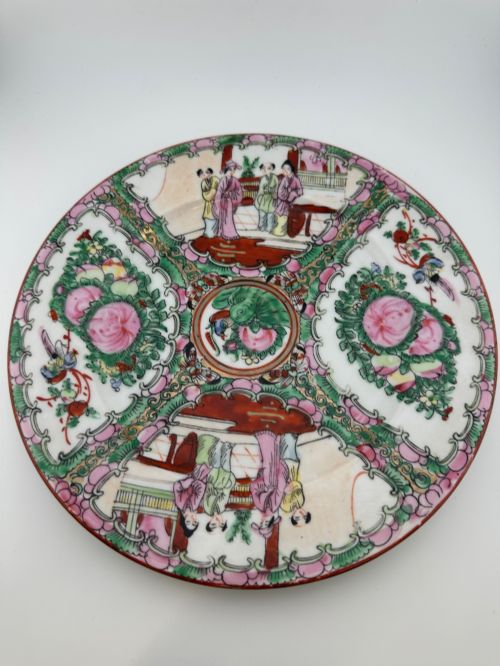
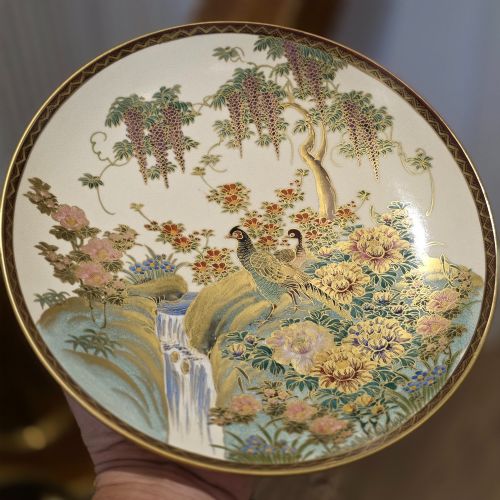
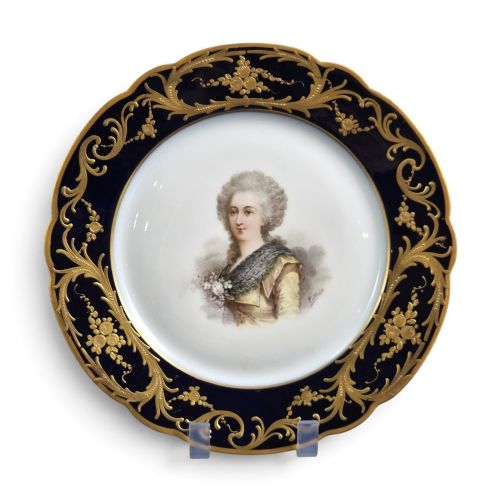
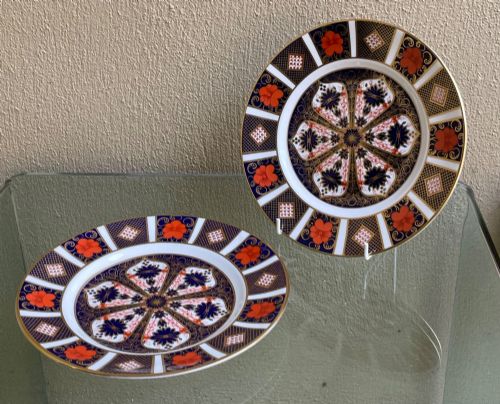
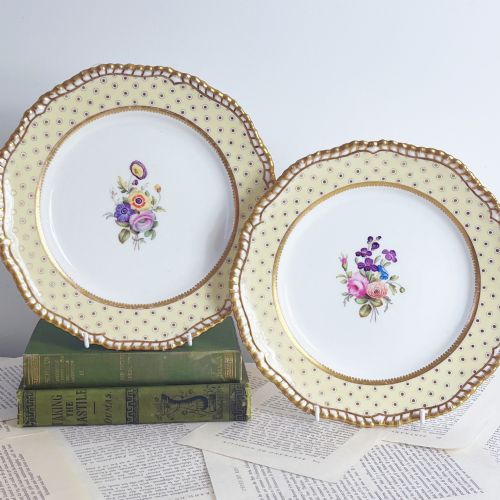
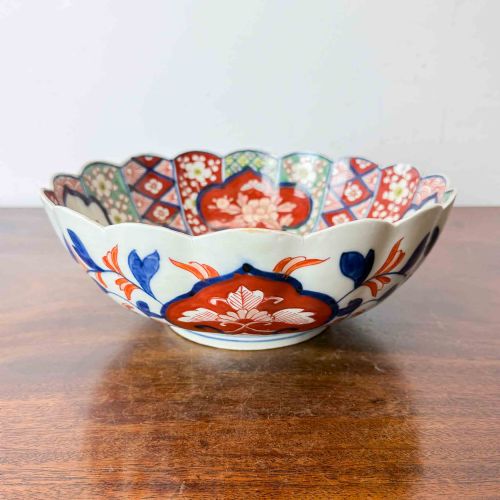
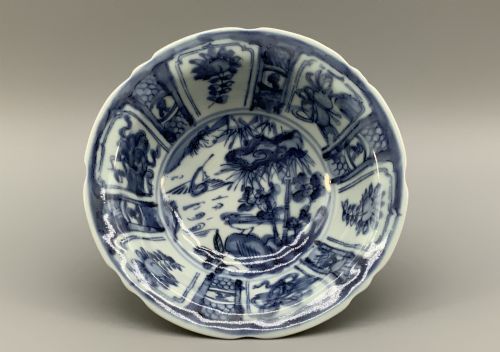
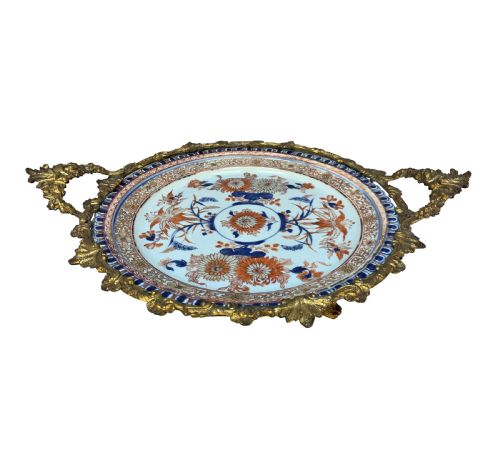
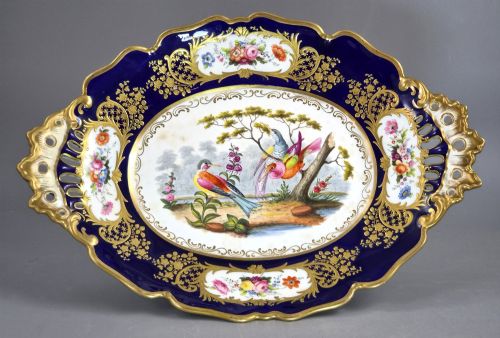
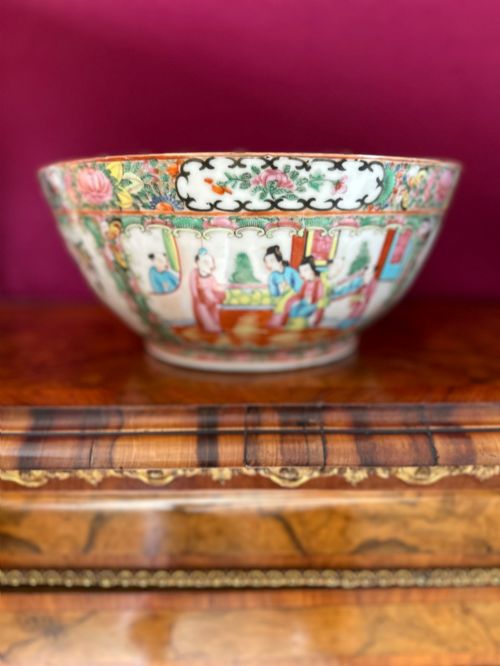
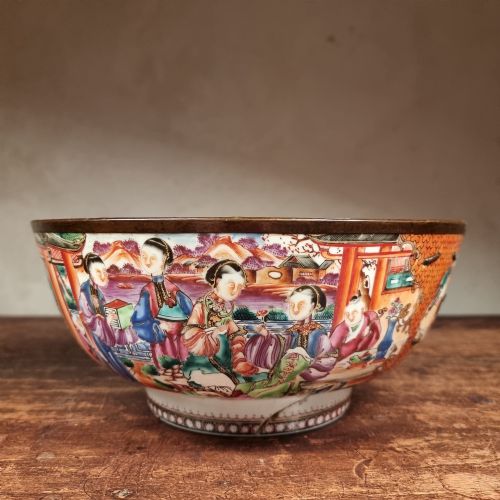
A decorative porcelain dish encompasses everything from large Japanese Imari chargers and Chinese bowls to English cabinet plates and French service pieces. You will frequently encounter items spanning the eighteenth century through to the mid-twentieth century, including Victorian floral plates and Edwardian botanical designs.
The selection ranges from scallop-edged bowls and shell-shaped plates to footed dishes and lidded porcelain vessels on stands. Pieces originate from European factories, English potteries and Asian kilns, each reflecting the specific aesthetic tastes of its period.
Materials and techniques
Makers utilised hard-paste porcelain, soft-paste porcelain, bone china and earthenware, shaping them into plates, bowls, chargers and baskets. Cobalt blue underglaze, enamel paints and detailed hand-painting define the surface decoration across these items.
Many examples incorporate gold leaf, gilding and ormolu mounts to elevate the presentation of the ceramic body. Kiln-fired glazes protect the pigments and provide the smooth finish seen on eighteenth, nineteenth and twentieth-century pieces.
At least one dish comes complete with its own lidded stand, ensuring your porcelain sits comfortably elevated from the world.
Craftsmanship and execution
The distinction between standard production and exceptional work lies in the precision of the hand-painting, particularly on pieces featuring botanical studies, portraits or intricate Japanese Imari patterns. Signatures from recognised artists working for factories such as Royal Worcester indicate a higher level of individual artistic effort.
The crispness of moulded details, such as scalloped edges, lobed bowls and ormolu mounts, separates simpler domestic wares from superior cabinet items intended for display. The depth and stability of the glaze also reflect the care taken during the firing process.
Royal Crown Derby·Spode·Coalport·Royal Worcester·Royal Doulton·John Davenport of Longport·New Hall·Samson
The Decorative Porcelain Dish Glossary
- Cabinet plate
- A decorative plate intended primarily for display in a cabinet or on a wall rather than for dining. These often feature elaborate hand-painted scenes or rich gilding.
- Imari
- A style of Japanese export porcelain characterised by a palette of underglaze blue, iron red and gold, which later influenced European potteries. It frequently employs panelled floral and geometric motifs.
- Soft-paste porcelain
- A ceramic material composed of clay and glass frit, fired at lower temperatures than hard-paste porcelain. It produces a warm, creamy body common in eighteenth-century European wares.
- Charger
- A large decorative plate or dish used traditionally for ceremonial purposes or as a base setting for smaller courses. They serve as prominent display pieces due to their diameter.
- Ormolu
- Gilded bronze mounts applied to furniture and ceramics. In porcelain dishes, these metal fittings provide structural stands or decorative borders.
Decorative Porcelain Dish: Frequently Asked Questions
What is a cabinet plate?
A cabinet plate is a decorative dish created for display rather than everyday use. These items often feature detailed hand-painted artwork, such as fruit or botanical studies.
They were collected and showcased in glass-fronted cabinets by affluent households to demonstrate taste and appreciation for fine porcelain artistry.
How do I care for antique porcelain?
Antique porcelain requires gentle hand washing in lukewarm water using mild soap. Avoid soaking pieces with gilt or enamel decoration to protect the surface.
Display them away from direct sunlight and areas subject to sudden temperature changes to preserve the glaze and prevent stress on the ceramic body.
What is Japanese Imari?
Japanese Imari refers to porcelain decorated in a distinct palette of cobalt blue, iron red and gold leaf. The style originated in Japan during the Edo period and became widely exported.
European potteries frequently copied these vibrant patterns, leading to English and continental interpretations of the traditional Imari aesthetic.
How can I tell the age of a dish?
Age is determined by examining factory marks, the type of glaze, and the manufacturing technique used on the ceramic body. Hand-painted details and wear patterns also offer clues to the period of origin.
Comparing the style of decoration, such as Victorian Rococo Revival or Art Deco, helps narrow down the decade of production.