




Gilded Porcelain Imari Platter
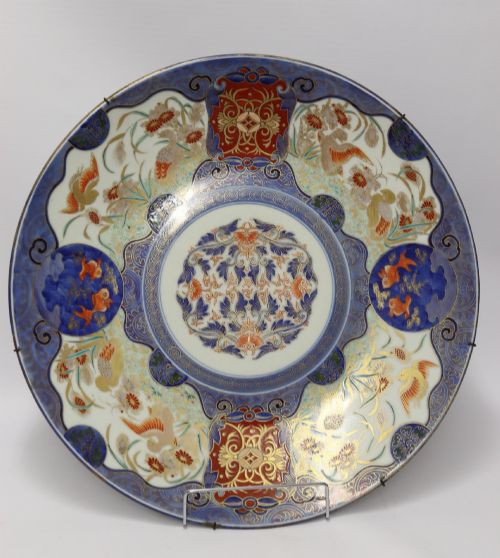
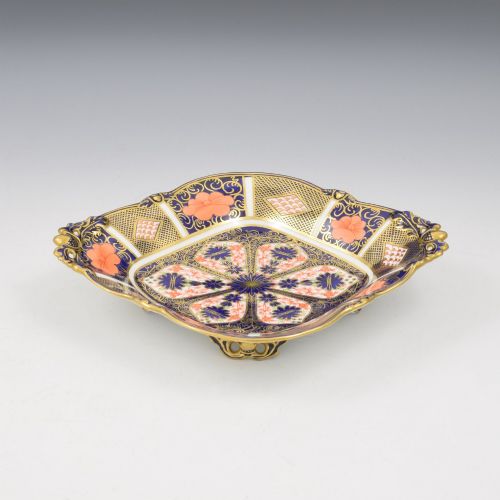
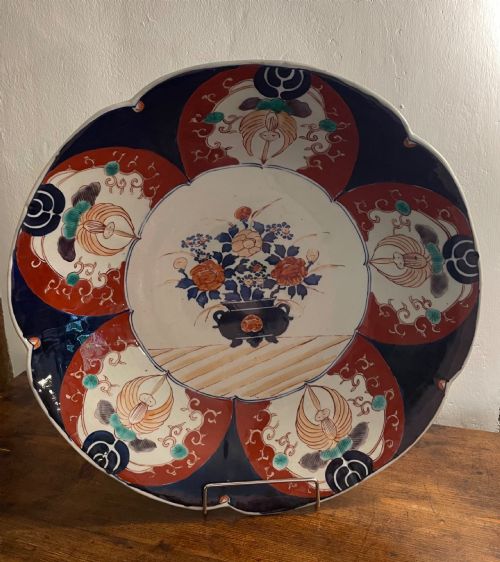
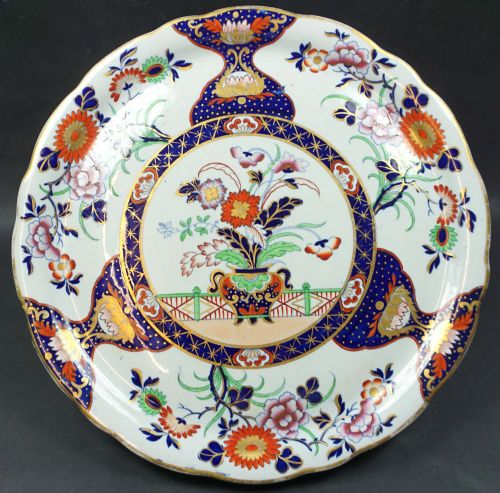
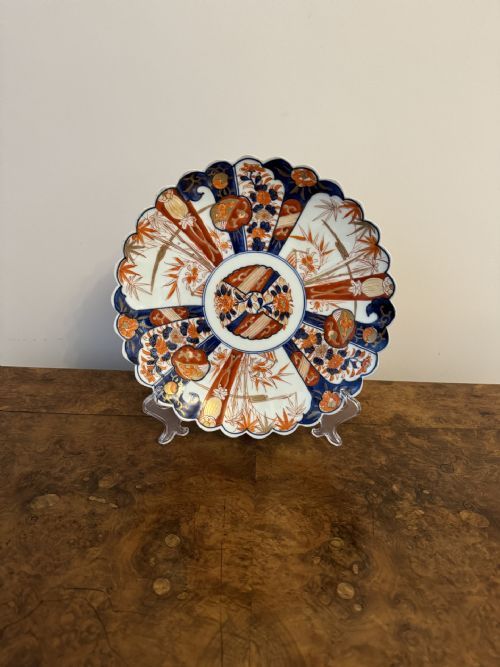
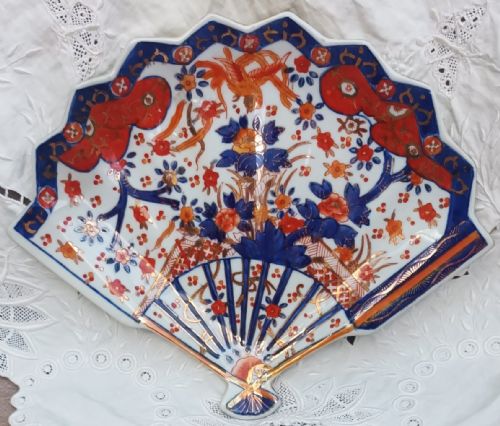
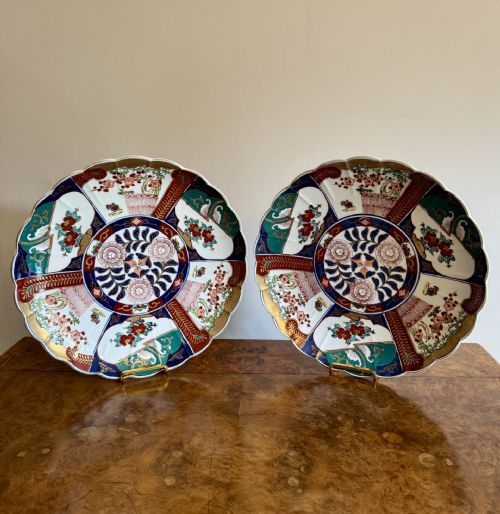
A gilded porcelain imari platter brings rich iron-red and cobalt hues together with luminous gold leaf, offering a striking centrepiece for display or service.

Gilded Porcelain Imari Platter
A gilded porcelain imari platter encompasses large decorative plates, chargers, and serving dishes created in distinct Japanese and English traditions. Buyers seeking a gilded porcelain imari platter will encounter grand chargers and shaped dishes spanning the nineteenth and early twentieth centuries.
The selection ranges from traditional Japanese Edo and Meiji period wares to English interpretations produced by factories such as Royal Crown Derby, Mintons, and Hicks & Meigh. These pieces display diverse forms including octagonal, fan-shaped, scalloped, and round silhouettes designed for prominent display or formal service.
Materials and production techniques
The foundational bodies comprise hard-paste porcelain, bone china, ironstone, and earthenware, shaped into broad plates and deep chargers. Artisans applied cobalt blue underglaze alongside rich iron-red enamel to establish the signature palette before firing the ceramic vessels.
Gilding and gold leaf were meticulously added over the glaze, often highlighting intricate floral, bird, and geometric motifs. Hand-painted details completed the decoration, requiring skilled brushwork and controlled kiln firings to fuse the enamel and metal highlights.
Gilded Porcelain Imari Platter Retail Price Guide 2026
Typical asking prices for gilded porcelain imari platter among the pieces listed under this phrase on Sellingantiques today, from the lower quarter to the upper quarter. They describe what is for sale here now, not the wider market.
Listings feature periods spanning the nineteenth century through the nineteen twenties, incorporating porcelain, ironstone, and earthenware.
Markers of distinction and craftsmanship
Quality rests in the precision of the hand-painted brushwork and the complexity of the compositional layout across the surface. Superior examples demonstrate crisp definition in the cobalt and iron-red pigments, with generous and well-preserved application of gold leaf.
The finesse of the ceramic moulding, whether handling a scalloped edge or an octagonal form, dictates the tier of the piece. Intact gilding with minimal wear across high-relief elements distinguishes the finest specimens from simpler production wares.
Royal Crown Derby·Mintons·Hicks & Meigh
The Gilded Porcelain Imari Platter Glossary
- Charger
- A large decorative plate or serving dish intended primarily for display or ceremonial use rather than daily dining. These substantial vessels often anchor a table or sideboard arrangement.
- Imari
- A distinct decorative style originating in Japan and later emulated in Europe, characterised by a palette of cobalt blue, iron-red, and supplementary gold. The aesthetic combines dense geometric patterns with floral and avian subjects.
- Meiji Period
- The era in Japanese history spanning from eighteen sixty-eight to nineteen twelve, noted for porcelain production destined for international export. Wares from this time display exceptional pictorial detail and varied forms.
- Ironstone
- A heavy, durable type of earthenware patented in the nineteenth century as a robust alternative to porcelain. It provided a stable white ground for colourful enamel and gilded decoration.
- Underglaze
- Pigment applied to the ceramic body before the application of a clear glaze and subsequent kiln firing. This technique protects the blue cobalt decoration from surface wear over centuries of use.
Gilded Porcelain Imari Platter: Frequently Asked Questions
How do I identify Japanese versus English imari?
Japanese examples typically exhibit characteristic paste densities, Meiji or Edo period potting traits, and traditional compositional layouts. English makers like Royal Crown Derby adapted the palette onto domestic porcelain bodies.
Examination of the foot ring, glaze texture, and any factory marks helps clarify the distinct geographic origin of the piece.
Were these platters meant for food service?
Many large chargers and platters served a decorative role on sideboards or walls, though smaller shaped dishes accommodated desserts and special courses. Dinner services also incorporated serving pieces designed for table use.
Assessing the depth and diameter of the vessel generally indicates whether it functioned for display or active service.
How should I clean gilded porcelain safely?
Dust gently with a soft, dry cloth to prevent abrasion to the delicate enamel and gold leaf surfaces. Avoid immersion in water and harsh chemical detergents that can degrade historical gilding.
Professional conservation advice is recommended for pieces showing active flaking of the metallic leaf or fragile enamel layers.
What causes wear on the gold leaf?
Centuries of handling, washing, and stacking cause natural abrasion to the raised gold leaf applied over the glaze. Platters displayed vertically on wire hangers often show specific contact points along the rim.
Evaluating the extent of rubbing on the gilding provides insight into the history of use and display.