




Antique Imari Platter
An antique imari platter brings vibrant traditional palettes and rich hand-painted detail to any room, offering historic character for daily display or service.

Antique Imari Platter
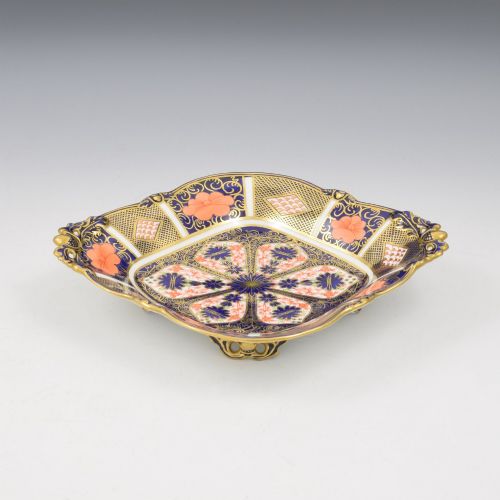
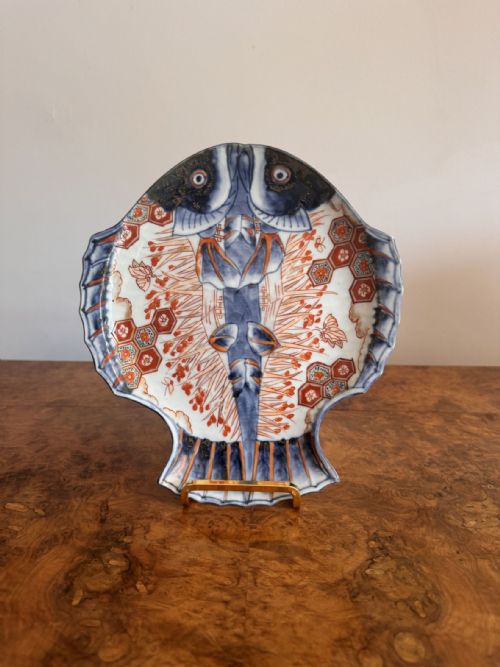
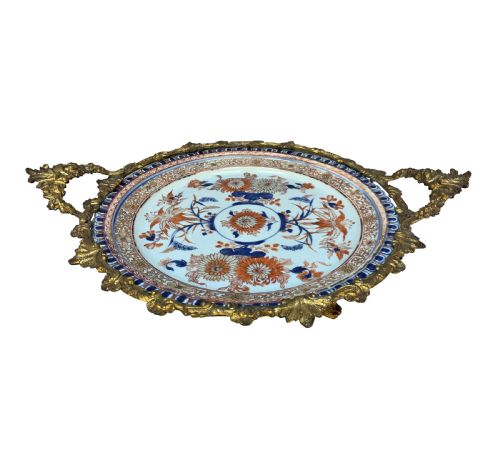
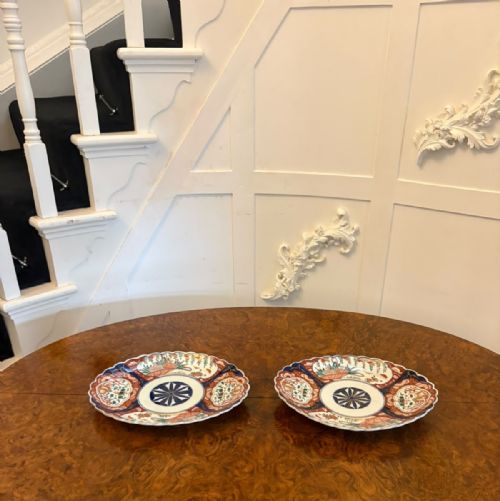
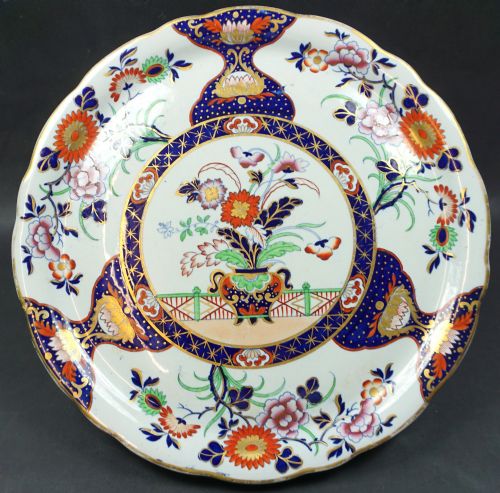
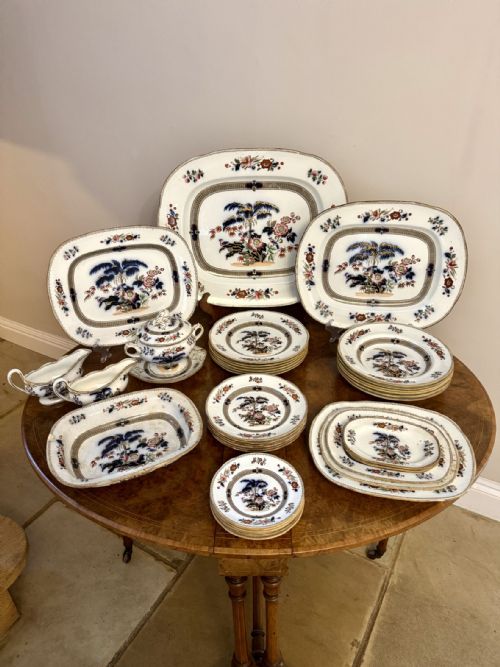
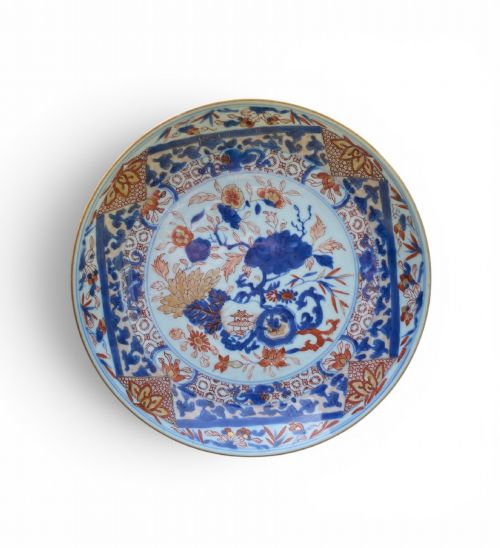
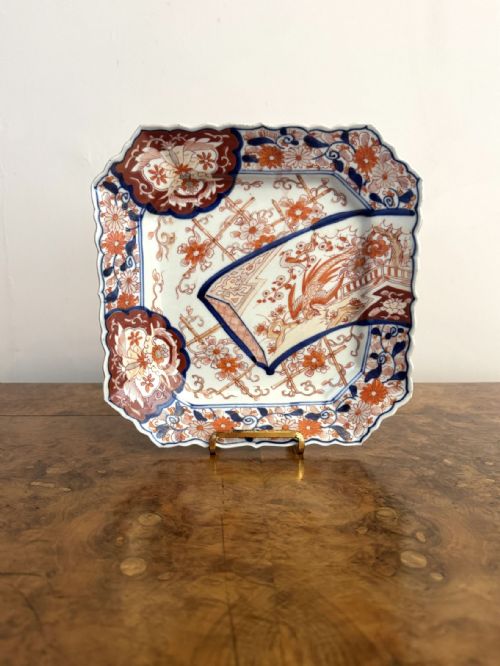
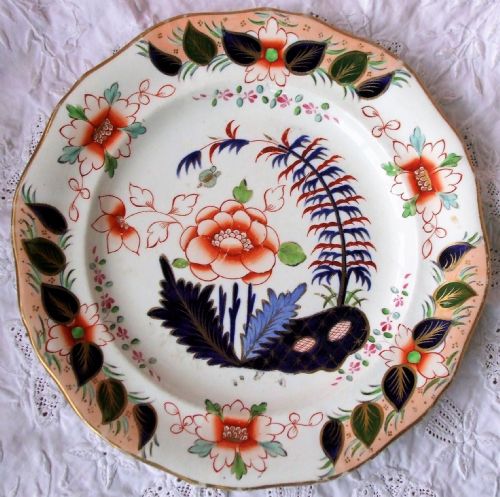
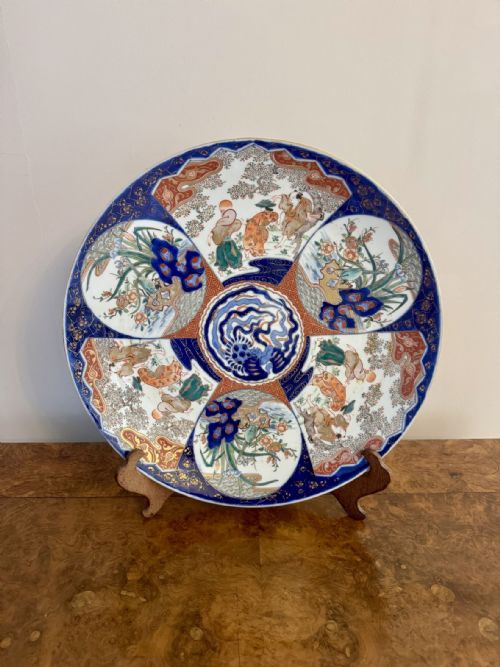
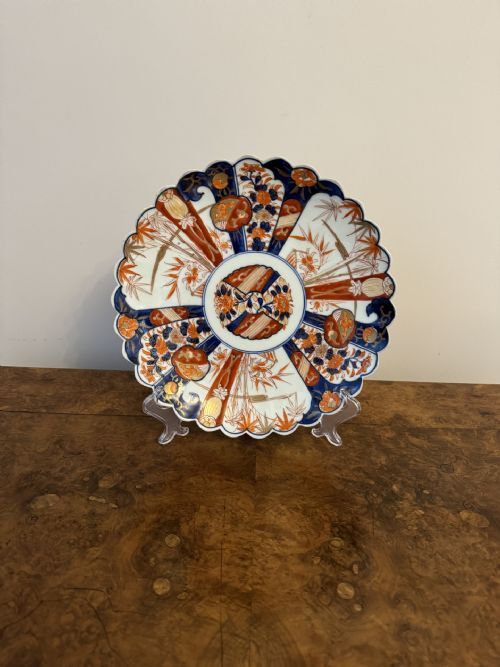
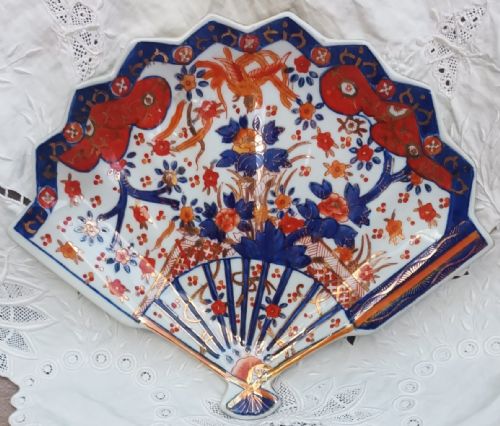
When you search for an antique imari platter, you enter a diverse field spanning Japanese origins, Chinese export work, and English adaptations. The items appearing here range from large chargers and serving dishes to scalloped plates, fish-shaped platters, and square dishes.
The most frequent pieces met on this page originate from the Japanese Meiji and Edo periods, alongside Chinese export items and English ironstone or porcelain interpretations. Makers such as Royal Crown Derby, Hicks & Meigh, John Davenport, and John Ridgway also surface in the wider tradition.
Forms vary significantly, encompassing traditional round chargers, fan-shaped plates, clam shell dishes, and pierced serving trays. Buyers encounter both blue and white designs and the characteristic polychrome palette across various centuries.
How they were made
Makers utilised porcelain, ceramic, earthenware, and ironstone as the primary bodies for these platters. Shaping involved throwing, moulding, or forming specific shapes like fish, fans, and clams before initial firing.
Decoration relied on hand-painted pigments, enamel, glaze, and occasionally gold leaf or gilding to achieve the distinct palette. Kiln firings set the underglaze blues and overglaze iron red and gold details onto the ceramic surface.
Listings combine eighteenth-century Chinese export wares with nineteenth-century Japanese Meiji chargers and Victorian English ironstone interpretations.
What varies in quality
The precision and detail of the hand-painted brushwork separate standard production items from superior examples. Crispness in the floral, bird, or figural motifs indicates skilled craftsmanship.
The depth and richness of the enamel and gilt application dictate the visual impact of the piece. Superior specimens retain vibrant iron reds, deep blues, and intact gilding across the decorated surface.
Royal Crown Derby·Hicks & Meigh·John Davenport of Longport·John Ridgway
The Antique Imari Platter Glossary
- Imari
- A style of ceramic decoration originating in Japan, characterised by a palette of underglaze blue, iron red, and gilt highlights. This aesthetic was later imitated by Chinese export kilns and European factories.
- Charger
- A large decorative plate or platter traditionally utilised for ceremonial service or display on a sideboard. These pieces often measure significantly wider than standard dinner plates.
- Meiji Period
- A Japanese historical era spanning from 1868 to 1912, noted for prolific porcelain production and increased export to Western markets. Many decorative dishes on the market originate from this time.
- Edo Period
- The period in Japanese history lasting from 1603 to 1867, preceding the Meiji era. Early examples from this timeframe display distinct potting techniques and restrained palettes.
- Ironstone
- A type of durable earthenware patented in the nineteenth century by English manufacturers. It provided a robust alternative to porcelain for heavy dinner services and platters.
- Arita
- The Japanese town and surrounding region renowned as the birthplace of Japanese porcelain production. Kilns here produced the original wares that inspired the imari decorative style.
Antique Imari Platter: Frequently Asked Questions
How do I hang an antique imari charger?
Utilise a spring-loaded brass or coated wire plate hanger that grips the rim securely without scratching the ceramic body. Ensure the wall fixing anchors firmly into a stud or uses a proper masonry plug.
Position the charger at eye level away from direct sunlight and heat sources to protect the overglaze enamels and gilding over time.
Are these platters safe for serving food?
Many antique ceramic and porcelain platters remain structurally sound for presenting dry foods or fruits. However, historical glazes on older pieces can contain trace elements, so modern culinary use is generally discouraged.
Hand washing with mild soap is essential if utilised for dining, as dishwasher cycles and harsh detergents damage antique enamels and gold leaf.
How do I distinguish Japanese imari from Chinese export?
Japanese pieces often feature a denser, greyer paste with spur marks on the base and a somewhat drier feel to the unglazed foot rim. The blue tones tend towards a slightly greyer or dimmer hue compared to Chinese equivalents.
Chinese export imari made for the Western market typically exhibits a brighter white porcelain body and crisper painting with a smoother glaze finish.
What is the difference between an imari charger and a plate?
Chargers are substantially larger decorative dishes, frequently exceeding twelve inches in diameter, originally intended for formal table service or sideboard display. Standard plates measure smaller and were used directly for dining.
Due to their size and decorative nature, chargers typically command greater attention as focal wall art or cabinet centerpieces.