




Dark Patinated Sculpture
Dark patinated sculpture brings depth to a room through centuries of metalwork.
Dark Patinated Sculpture
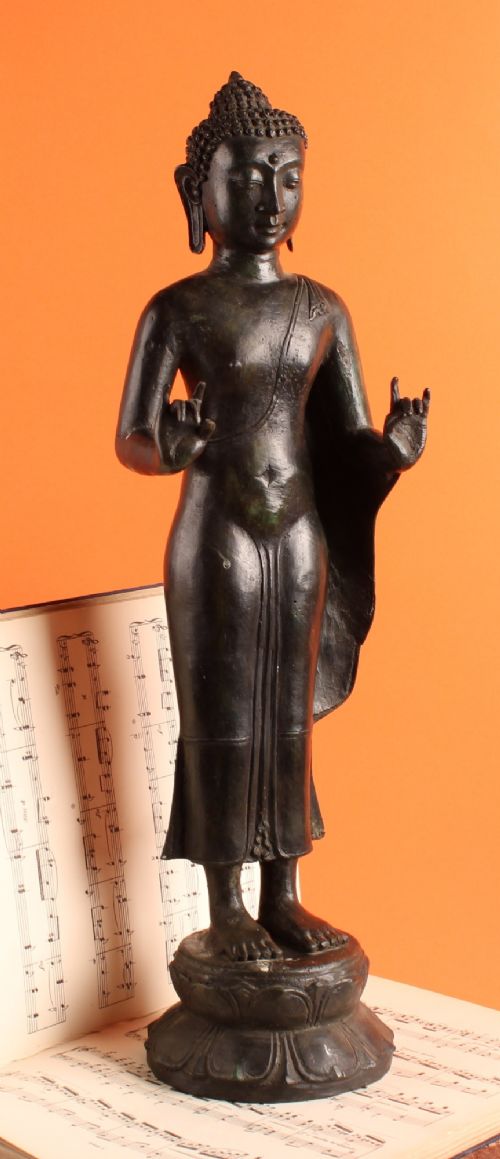
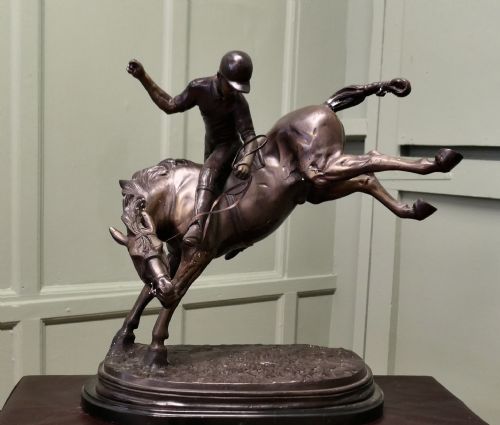
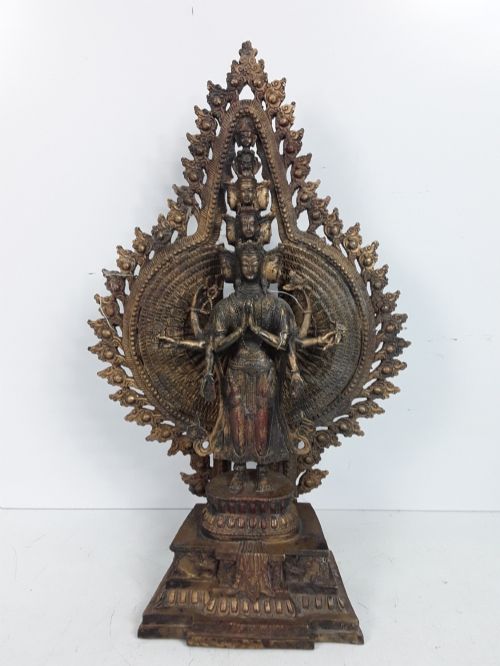
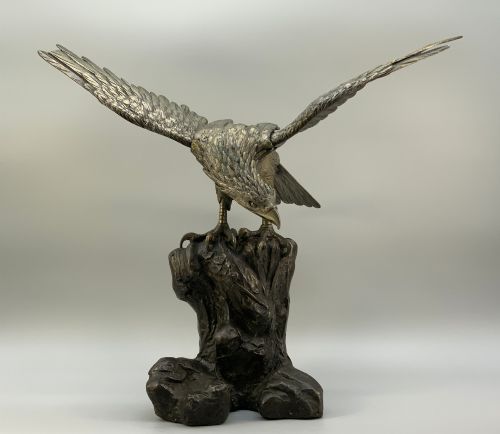
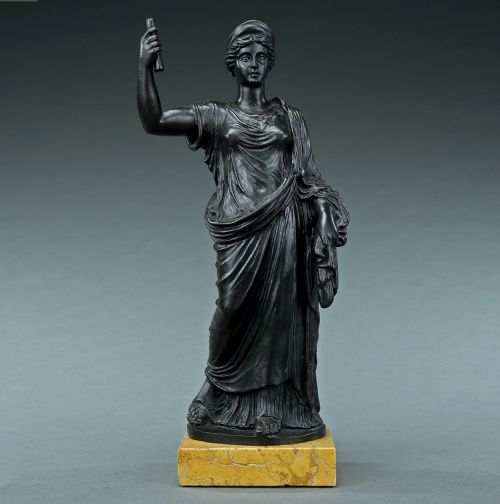
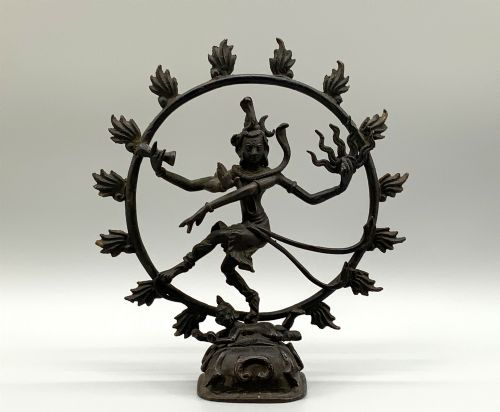
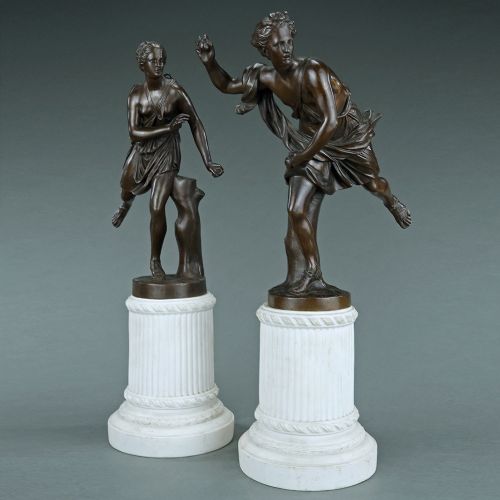
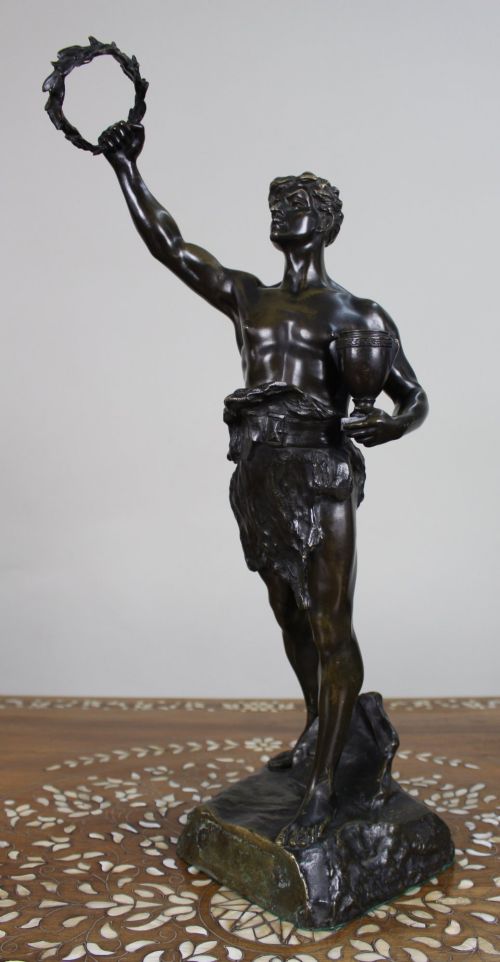
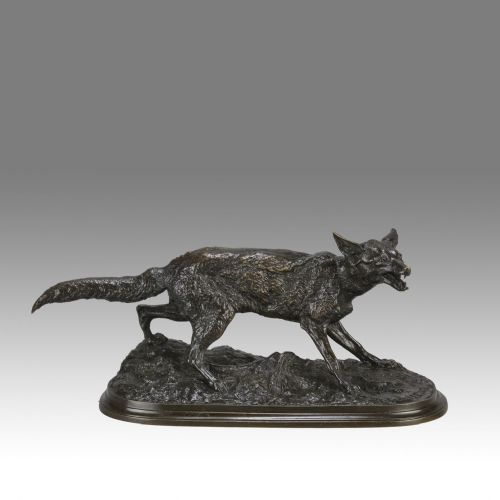
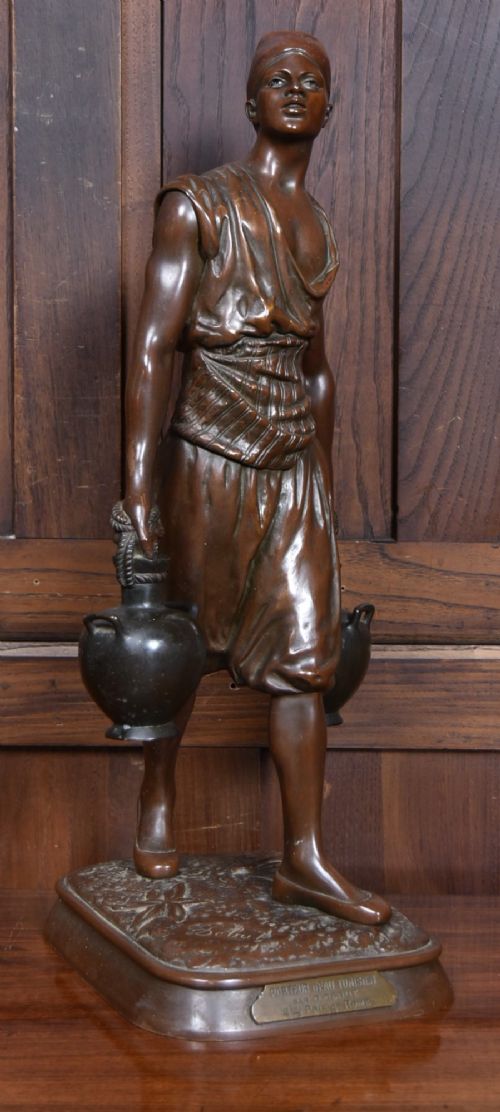
A dark patinated sculpture is a cast or carved figure finished with a darkened surface, spanning periods from the seventeenth century through to the mid twentieth century. These pieces encompass classical figures, animalier studies, and orientalist subjects cast in bronze, metal, and patinated wood. Buyers will most frequently encounter nineteenth-century French and Japanese works, alongside Grand Tour souvenirs and classical deities.
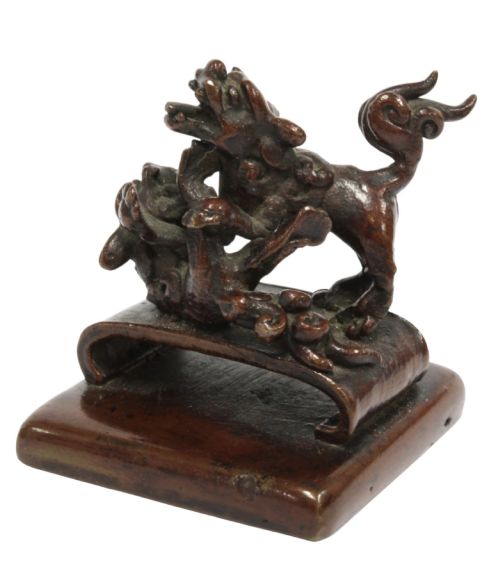
The subjects range from mythological figures like Juno and the Dancing Faun to domestic animals, birds, and tribal guardian heads. Many figures stand on marble bases or incorporate functional elements such as candelabra, seals, and lamps. These works reflect both European neoclassical taste and the distinct aesthetics of the Meiji period and African tribal art.
How dark patinated sculpture was made
Makers cast these pieces primarily in bronze, utilising traditional foundry methods to capture intricate details in human and animal forms. Surfaces were then treated chemically or thermally to produce the characteristic dark patination, ranging from deep brown to near-black tones. Some works combine the cast metal with marble plinths, gilt bronze highlights, or carved wooden elements.
Artisans also worked in pewter and patinated wood, applying similar chemical finishes to age the surface artificially. The resulting skin protects the underlying metal while defining the contours of drapery, musculature, and plumage.
Even a bronze pig can look dignified when given a dark, historic polish.
What varies in quality in dark patinated sculpture
Foundry signatures and artist stamps add documentary value, indicating production by notable European founders or recognised sculptors. The subtlety of the coloration determines how well the surface catches light, separating flat, uniform finishes from nuanced patinas with varied undertones.
Barbedienne·P J Mêne·Moreau Family·E Villanis
The Dark Patinated Sculpture Glossary
- Patination
- The surface coloration of metal achieved through chemical treatment, age, or handling. This process creates the characteristic dark tones seen on classical and nineteenth-century bronzes.
- Animalier
- A nineteenth-century artistic movement focused on the realistic depiction of animals. Sculptors in this genre specialised in capturing the dynamic movement and anatomy of beasts.
- Grand Tour
- A traditional trip through Europe undertaken by upper-class scholars and collectors. Travellers frequently purchased small bronze replicas of classical antiquities as souvenirs.
- Okimono
- A Japanese decorative object intended for display in a household setting. These small-scale sculptures often depict animals, figures, or daily scenes from the Meiji period.
- Lost-wax casting
- A metalworking method where a molten metal is poured into a mould that has been created by means of a wax model. This technique allows for the reproduction of complex shapes and fine surface details.
Dark Patinated Sculpture: Frequently Asked Questions
What is a dark patinated sculpture?
A dark patinated sculpture is a figural work in bronze, metal, or wood treated with a chemical or thermal finish to darken the exterior. These pieces range from classical European deities to Japanese okimono and animal studies.
The dark surface protects the underlying material while accentuating the contours, musculature, and fine details carved or cast by the artist.
How do I care for bronze sculpture?
Bronze requires minimal intervention beyond dusting with a soft, dry cloth to prevent particulate buildup. Avoid using commercial metal cleaners or oils, which can strip or damage the original patina.
Keeping pieces away from direct heat sources and high humidity helps preserve the stability of both the metal and any accompanying marble bases.
What does animalier mean?
Animalier refers to nineteenth-century sculpture focused specifically on the anatomical accuracy and natural behaviour of animals. Artists in this tradition studied living creatures closely to render lions, dogs, and birds in motion.
These works were popular across Europe, particularly in France, where founders produced both small desktop studies and large-scale figures.
Are Grand Tour bronzes antique?
Grand Tour bronzes are historical souvenirs collected by travellers touring European archaeological sites during the eighteenth and nineteenth centuries. They replicate famous classical statues, ruins, and mythological figures.
While they interpret ancient models, the Grand Tour pieces themselves now carry antique status due to their age and nineteenth-century manufacturing origins.