





Vintage Art Bust
A vintage art bust brings physical presence into a room, offering sculpted human character from eras spanning Victorian folk traditions to Art Deco modernism.
Vintage Art Bust
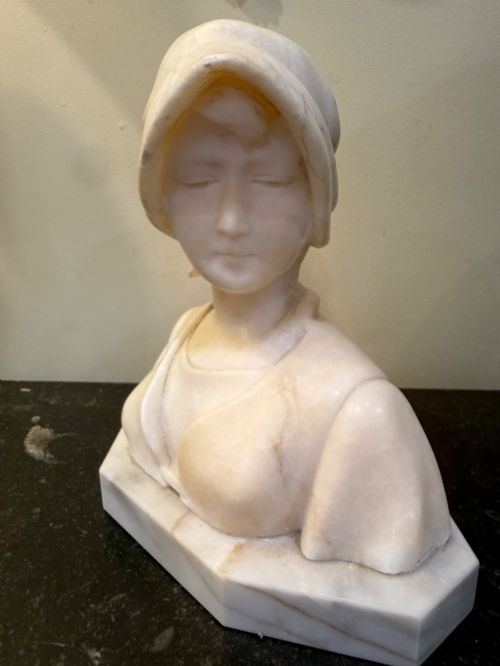
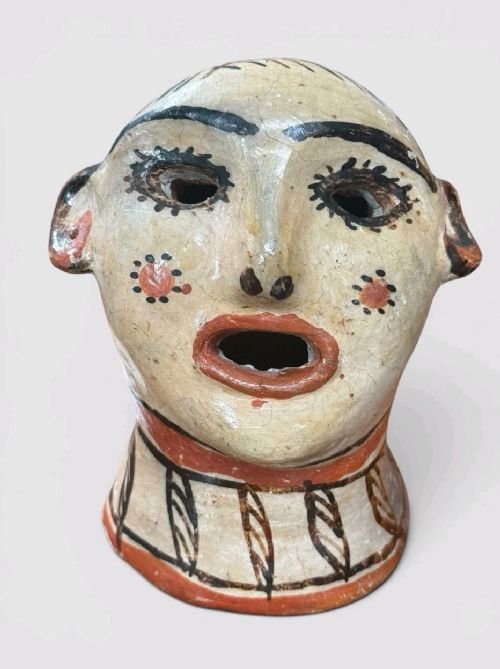
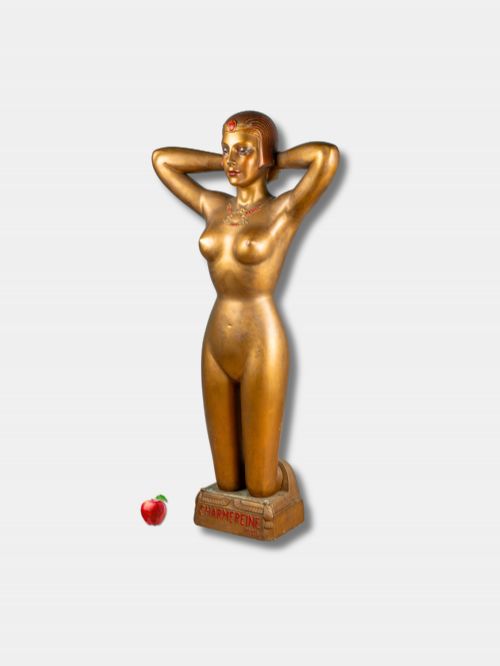
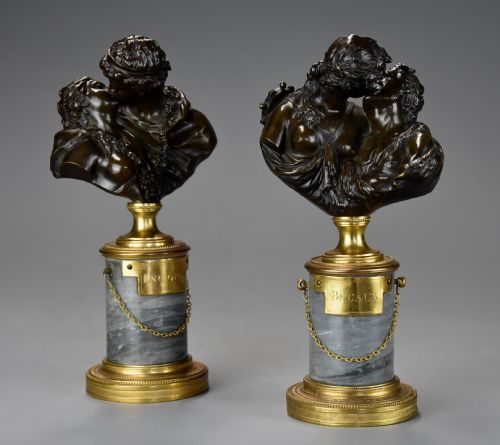
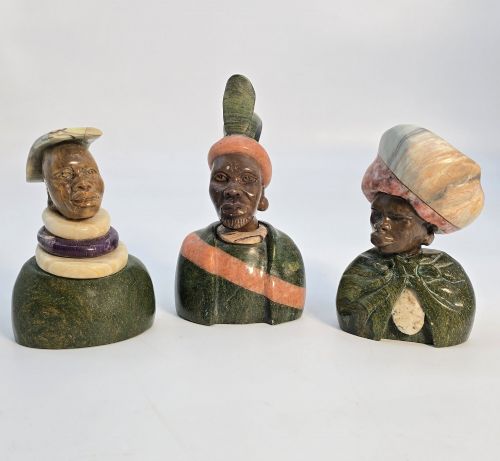
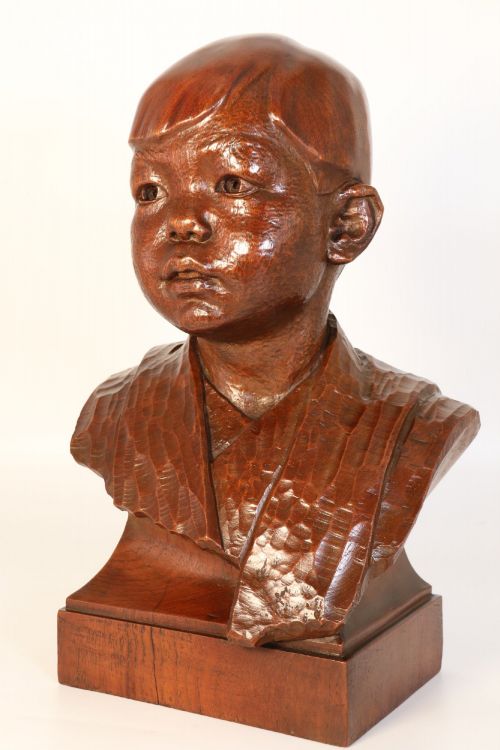
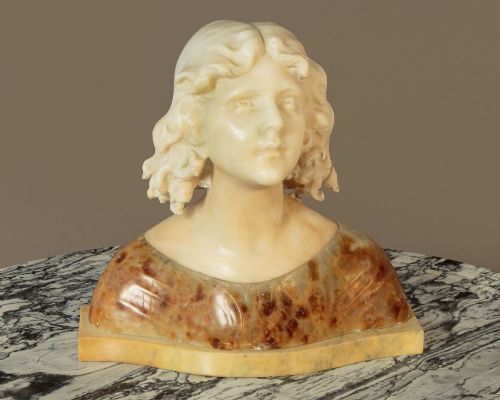
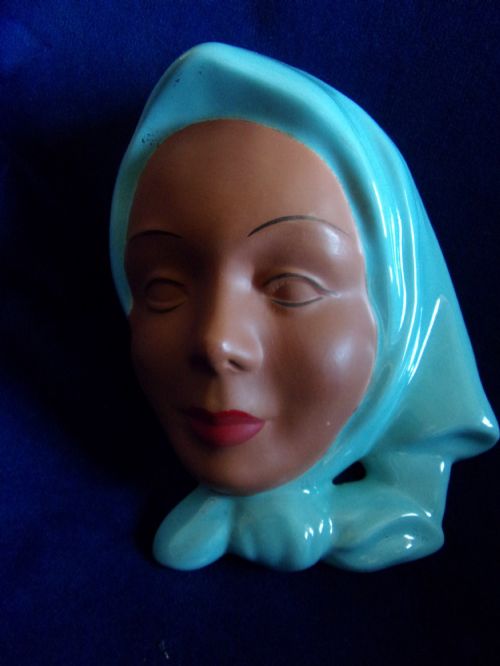
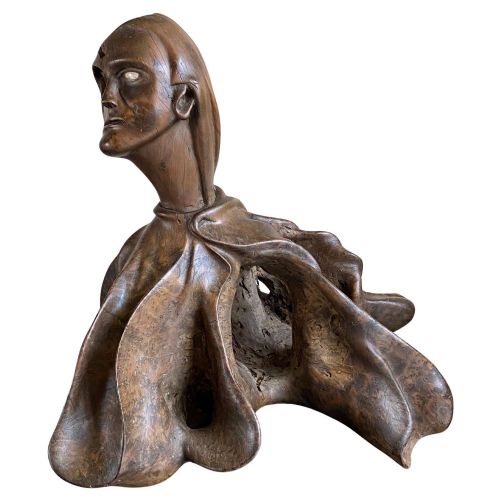
A vintage art bust encompasses sculpted human forms in the round, wall-mounted masks, and advertising display pieces. These works range from life-size walnut portrait sculptures and terracotta depictions of young women to French lingerie mannequins and folk art carved heads.
The pieces appearing most frequently bridge academic sculpture and decorative arts from the late nineteenth century through the interwar decades. Buyers encounter materials from marble and bronze to carved yew burr, plaster, and painted clay.
Origin points span domestic British workshops to continental European foundries, alongside African tribal figures and South American carvings. This variety reflects both formal portraiture and vernacular utilitarian traditions.
Materials and construction methods
Carved pieces rely on direct subtraction from solid blocks of walnut, alabaster, marble, or yew burr, where the grain dictates the final surface texture. Wood carvings often receive polychrome paint or polished finishes to emphasise natural figuring.
Cast sculptures utilise metal foundries for bronze or rely on terracotta and plaster poured or pressed into moulds. Many works combine media, integrating brass details, painted surfaces, or wooden bases to support the main sculpted form.
Listings feature Victorian and Edwardian works alongside 1930s modernist pieces in bronze, terracotta, and wood.
Distinctions in execution and presence
Anatomical conviction and expressive depth separate accomplished portraiture from commercial production. Superior works capture subtle cranial structures, bone geometry, and lifelike posture in the shoulders and neck.
Surface finish dictates visual success, distinguishing hand-chiselled detailing and careful patination from uniform factory casts. Maker signatures and foundry stamps further anchor the artistic ambition of individual sculptures.
George Henry Paulin·Georges-Charles Coudray·V Ramirez·Gilbert Privat·Laszlo Hoenig·Ernst Whaliss·Emmanuel Villanis
The Vintage Art Bust Glossary
- Polychrome
- Painted in several colours. This finish appears frequently on wooden folk art heads and carved puppet figures.
- Terracotta
- Baked brown-red clay. Sculptors model directly in this medium before firing to achieve permanent form.
- Patina
- Surface sheen developed through age and handling. Bronze and wood acquire distinct coloration over decades.
- Alabaster
- Fine-grained translucent stone. Carvers utilise this material for soft, glowing depictions of female subjects.
- Mannequin
- Three-dimensional display figure. Retail examples from Parisian ateliers serve structural advertising functions.
Vintage Art Bust: Frequently Asked Questions
Where should I display a bust?
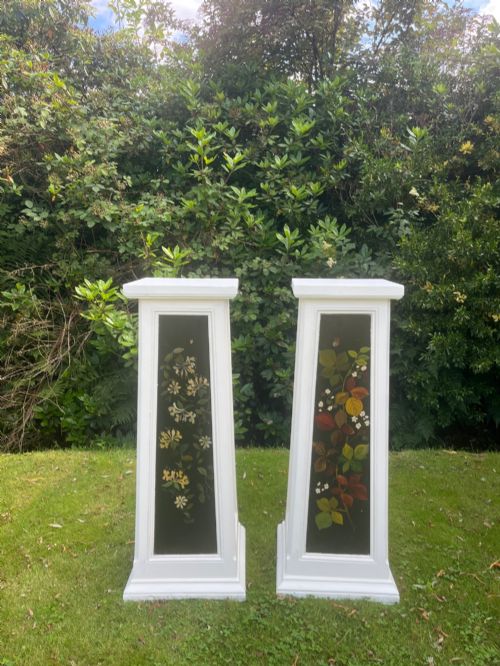
Busts require stable surfaces at eye level to appreciate their three-dimensional modelling and facial expression. Placing them on dedicated display pedestals, mantelshelves, or sturdy bookcases allows adequate light to catch the contours.
Heavier marble, bronze, and stone pieces need substantial weight support, while lighter plaster or paper-based items sit safely on standard furniture away from heavy foot traffic.
How do I care for carved wood?
Wooden sculptures respond best to stable indoor humidity and shelter from direct sunlight. Dusting with a dry, soft brush prevents particle buildup within carved crevices without harming the finish.
Avoid applying liquid polishes or oils unless the specific surface treatment requires conditioning, as modern chemical cleaners can discolour historic painted or waxed timber.
How do I identify Art Deco pieces?
Art Deco busts feature streamlined geometry, stylized hair, and confident planar surfaces characteristic of the interwar period. Materials often include patinated bronze, pressed metal, or glazed ceramics with rich coloration.
Subjects frequently lean towards theatrical masks, exotic figures, or sleek depictions of modern femininity popular during the nineteen-twenties and thirties.