


Sculptured Male Head
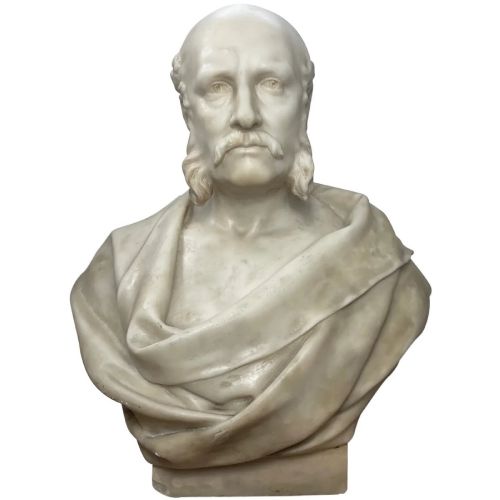
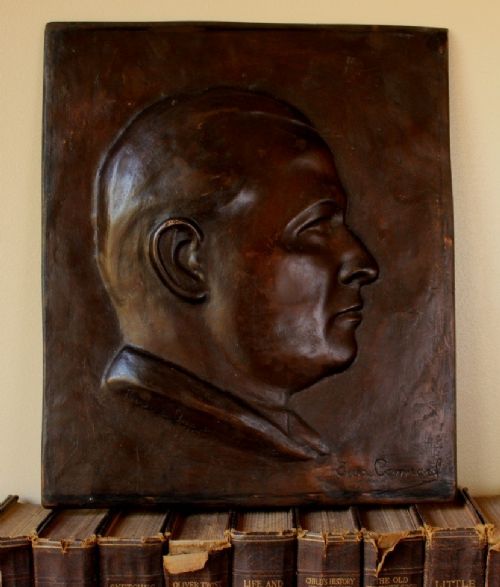
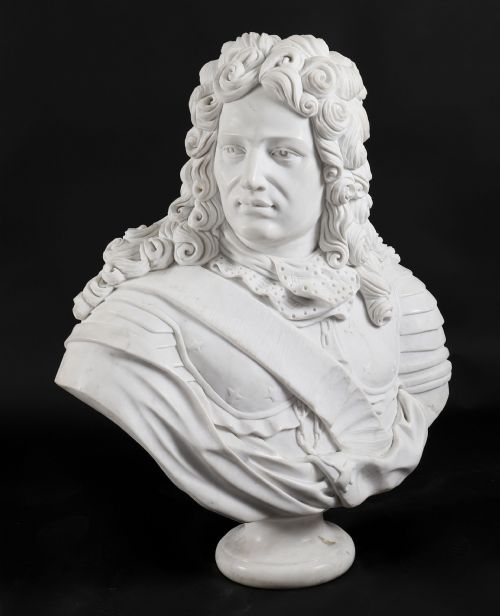
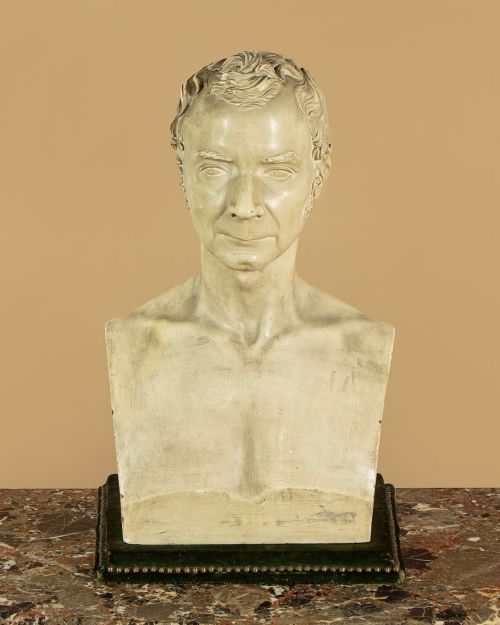
These sculptured male head pieces capture likeness and character in bronze, marble, plaster, and wood across several centuries.
Sculptured Male Head
A sculptured male head brings portraiture and classical form directly into an interior, taking the shape of busts, wall plaques, and garden statuary. These works range from monumental civic marble portraits to intimate bronze studies of specific gentlemen and historical figures.
The versions most frequently met on this page include nineteenth century plaster casts, grand tour marble pieces, and early twentieth century bronze and wood portraits. They span stylistic revivals from neoclassical and baroque through to art deco and modernist interpretations.
Makers and subjects vary widely, encompassing known sculptors rendering specific sitters alongside anonymous artisans producing idealized noblemen, philosophers, and emperors. Scale shifts from tabletop metal plaques to substantial stone garden pedestals.
How they were made
Metal versions depend upon the casting process, predominantly bronze, where molten metal fills a mould derived from an original model. Finished metal surfaces receive patination through chemical treatments to achieve dark brown, green, or metallic tones.
Plaster works often serve as preparatory studies or durable casts, frequently painted or simulated to resemble stone and bronze. Carved wooden examples, such as anatomical écorché studies, expose the underlying musculature of the male head with precise hand tools.
Listings feature periods spanning the eighteenth, nineteenth, and twentieth centuries, executed in bronze, marble, plaster, wood, terracotta, and reconstituted stone.
What varies in quality
The anatomical accuracy and psychological depth of the facial expression separate superior examples from routine decorative items. A master sculptor captures subtle musculature, skeletal structure, and individual character rather than a generic mask.
The handling of the material dictates refinement, seen in the crisp undercutting of marble curls, the clean detail of bronze chasing, or the sharp edges of a plaster cast. Crisp signatures, foundry marks, and period inscriptions also elevate an object's standing.
Preservation of the original surface, whether patinated bronze, polychrome paint on plaster, or polished stone, maintains the integrity of the piece. Losses, heavy overpainting, and clumsy repairs diminish the artistic merit of the sculpture.
Eugene Canneel·Sir Thomas Brock·Alajos Strobl·Mathurin Moreau
The Sculptured Male Head Glossary
- Bust
- A sculpture depicting a person's head, shoulders, and upper chest. This format dominates portraiture in marble, bronze, and plaster.
- Écorché
- A figure drawn, painted, or sculpted showing the muscles of the body unmasked, without skin. These studies reveal anatomical precision in wood or plaster.
- Grand Tour
- A cultural tour of Europe formerly undertaken by wealthy young men, bringing home classical copies such as the Charioteer of Delphi.
- Patina
- A thin layer that naturally or artificially forms on bronze and other metals through age and chemical exposure. It alters the surface colour and protects the metal.
- Neoclassical
- A style reviving the classical ideals of ancient Greece and Rome, prevalent in nineteenth century marble and bronze sculpture.
Sculptured Male Head: Frequently Asked Questions
How were these busts displayed?
Historically, portrait busts stood upon library tables, dedicated pedestals, column capitals, or architectural brackets within studies and grand halls.
Today, they function as focal points on sideboards, mantels, or freestanding stone pedestals in gardens and interior spaces.
How do I identify the material?
Marble feels cold and heavy with subtle veining, whereas plaster is lighter, more porous, and often painted or finished to mimic stone.
Bronze and other metals display a metallic resonance and distinctive patination, while terracotta presents a porous, reddish-brown earthenware body.
What periods do these pieces span?
The selections encompass eighteenth century philosophical figures, nineteenth century Victorian and Edwardian portraits, and early twentieth century modernist and art deco works.
Stylistic influences stretch from classical antiquity and baroque revivals through to twentieth century academic realism.