





Cobalt Blue Charger
A cobalt blue charger brings deep mineral pigment and monumental scale to a room, drawing the eye instantly to wall or cabinet.
Cobalt Blue Charger
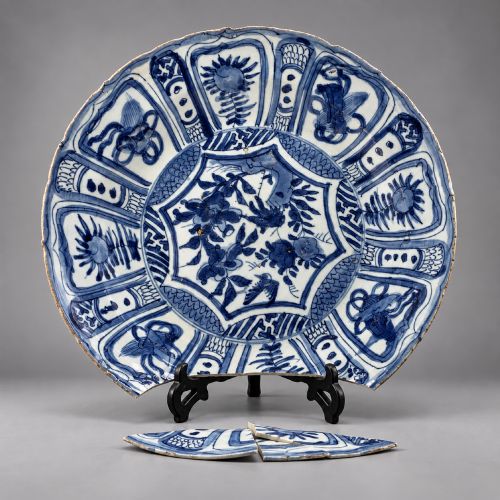
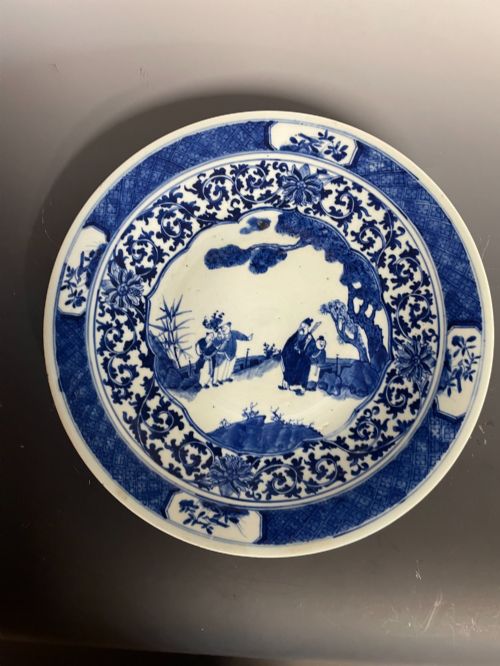
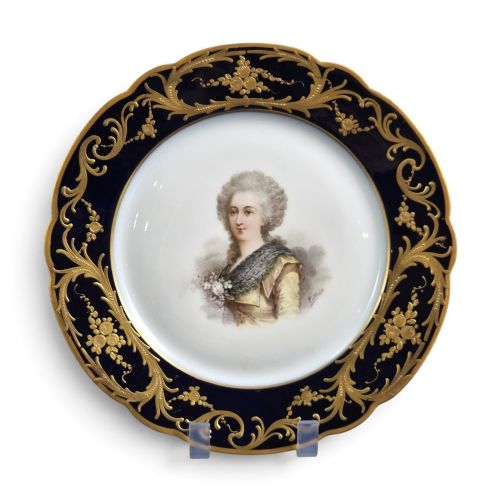
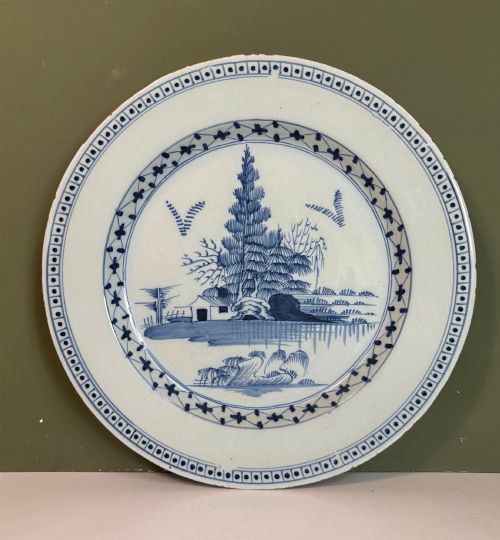
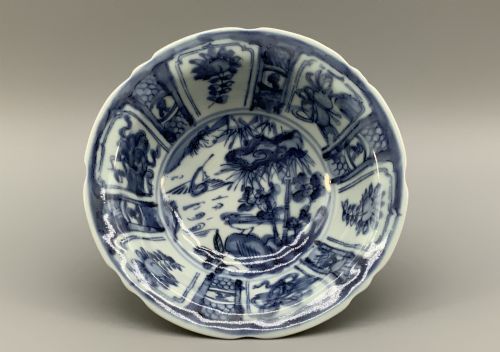
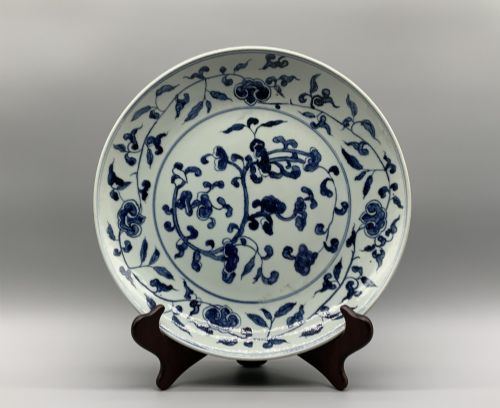
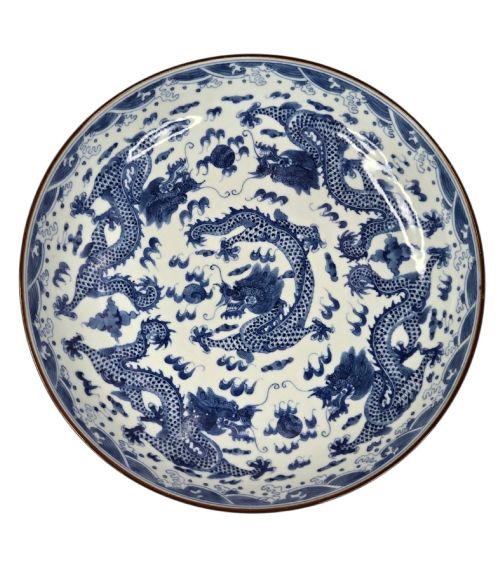
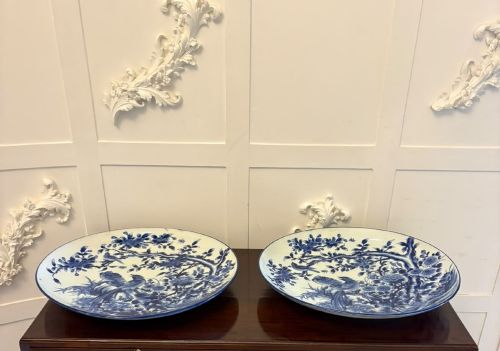
A cobalt blue charger sits at the grander end of domestic ceramic display, functioning primarily as a wall hanging or centrepiece dish rather than for table service. The examples found here span centuries of global production, taking form across the seventeenth, eighteenth, and nineteenth periods.
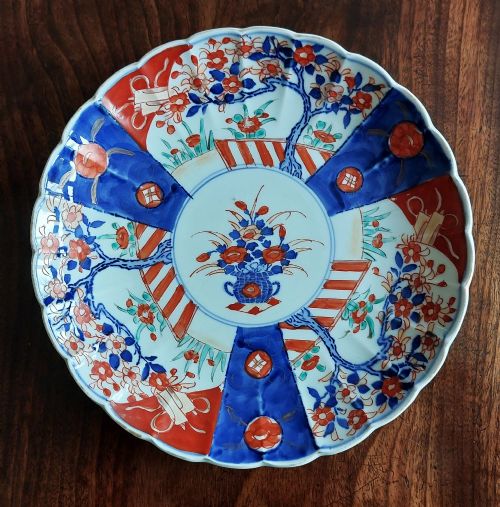
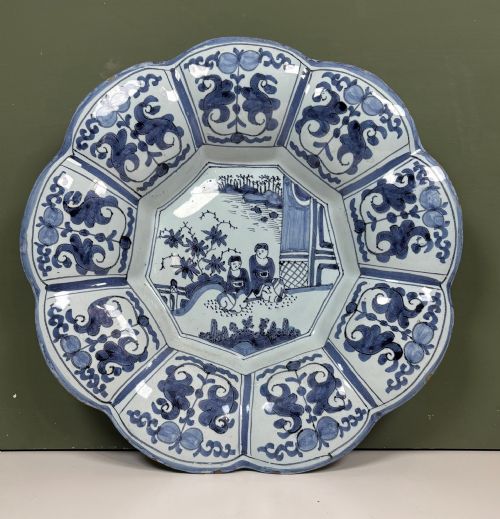
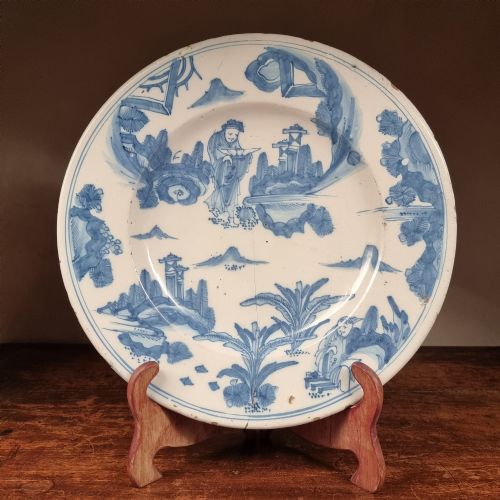
The Japanese Imari and Chinese Qing Dynasty pieces bring complex compartmentalised panels and dragons, whilst European Delftware and English ironstone lean into tin glaze and transfer-printed scenes. These large decorative plates and bowls cross various regional styles including Dutch Baroque and Japanese Meiji.
Buyers seeking a cobalt blue charger will encounter substantial porcelain, earthenware, and tin-glazed vessels ranging from nineteenth-century Japanese scalloped bowls to earlier Delft chargers. Each variation reflects the specific kiln traditions and regional painting techniques of its origin.
Materials and production methods
Makers utilised cobalt pigment beneath or within the glaze, painting directly onto raw porcelain bodies or tin-glazed earthenware before a high-temperature firing locked the deep blue hue permanently into the surface. Gold leaf occasionally highlights specific areas of Japanese Imari wares, adding metallic warmth to the cobalt and white ground.
Potters shaped these large earthenware and porcelain plates on wheels or pressed them into moulds, producing wide flat bases and sloping rims suited to elaborate brushwork. Tin glaze provided an opaque white background on European chargers, creating an ideal canvas for cobalt painting that mimics imported Asian porcelain.
Listings incorporate porcelain, earthenware, and tin glaze spanning the seventeenth century through to the art deco era.
Assessing quality in the pieces
Quality rests heavily on the confidence and precision of the brushwork, where swift, assured cobalt strokes distinguish superior artist output from stiff or mechanical decoration. The depth and stability of the blue pigment under the glaze also signal the control exercised during high-temperature firing.
The physical weight, balance, and trueness of the porcelain or earthenware body reveal the potter's skill in preventing warping during kiln firing. Furthermore, the clarity of the white ground surrounding the cobalt design dictates the visual impact of the finished charger.
John Davenport of Longport·Royal Crown Derby·Royal Worcester
The Cobalt Blue Charger Glossary
- Charger
- A large decorative plate or dish, typically exceeding twelve inches in diameter, designed for display on a wall, sideboard or cabinet rather than for dining use.
- Delft
- Tin-glazed earthenware originating in the Netherlands and England, characterised by an opaque white surface painted in blue pigments.
- Imari
- Japanese export porcelain decorated in underglaze blue, iron red, and gold, reflecting aesthetic preferences of the Edo period.
- Tin Glaze
- A ceramic glaze made opaque by the addition of tin oxide, providing a white surface that takes cobalt painting cleanly.
Cobalt Blue Charger: Frequently Asked Questions
How were antique chargers displayed?
Large chargers were traditionally stood upright on sideboards, dresser shelves, or hung directly on walls using specialised wire plate hangers to showcase their broad painted surfaces.
In domestic settings, grouping them among smaller cabinet plates created balanced focal points within dining rooms and parlours.
What is the difference between Delft and Imari?
Delft pieces utilise tin-glazed earthenware with blue and white pigment applications influenced by Chinese export styles, originating primarily in European workshops.
Imari wares are hard-paste Japanese porcelain featuring distinct underglaze blue combined with iron red and gold leaf accents.
How do I care for a porcelain charger?
Display these pieces away from direct sunlight and areas subject to sudden temperature fluctuations to protect the integrity of the glaze and any applied gold leaf.
Dust gently with a dry, soft cloth and avoid chemical cleaners or immersion in water, particularly on earthenware bodies.
Can these chargers be used for food?
Historic decorative plates and chargers are generally intended for display purposes due to their age, glaze composition, and potential fragility from past wear.
Using them for serving food risks damaging the historic glaze and any delicate overglaze enamel or metallic highlights.