


Classical Roman Statue
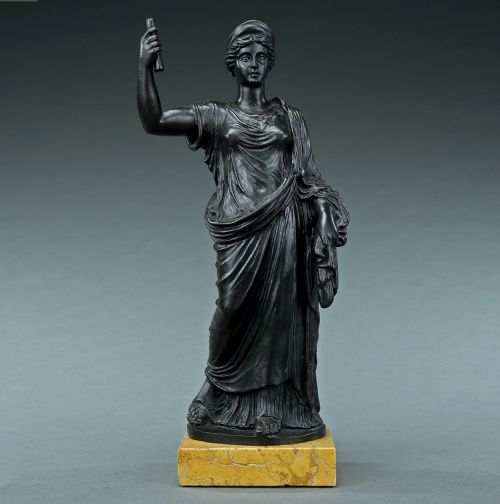
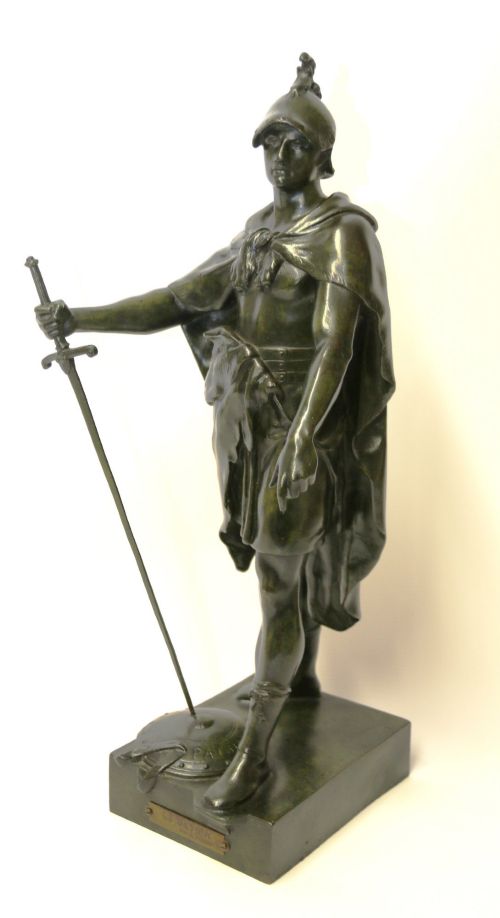
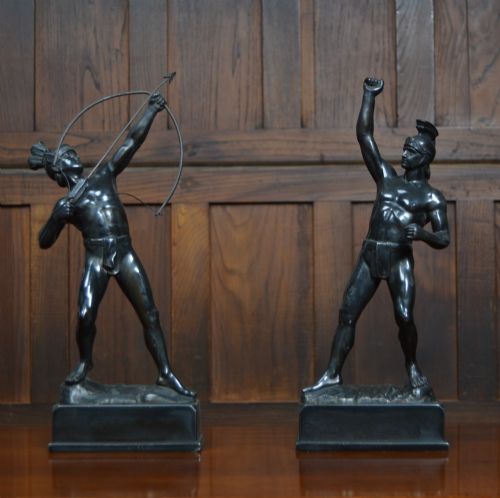
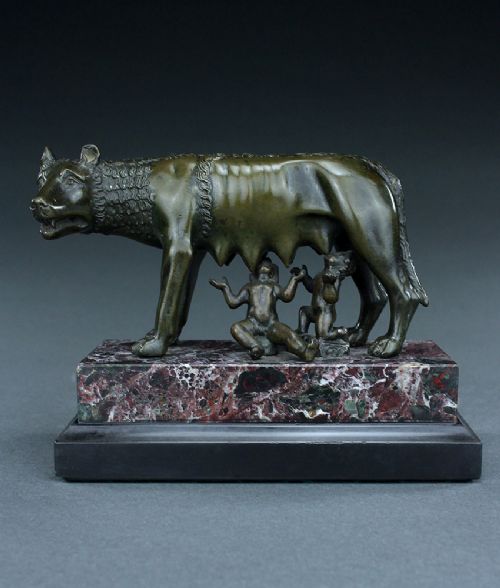
A classical roman statue brings antiquity into a room through bronze reductions and marble busts made for the Grand Tour.
Classical Roman Statue
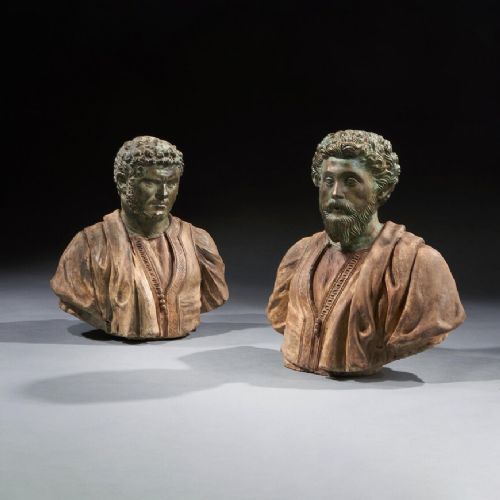
A classical roman statue draws upon ancient heritage, rendered mostly as nineteenth-century Grand Tour souvenirs, portrait busts of emperors, and mythological figures.
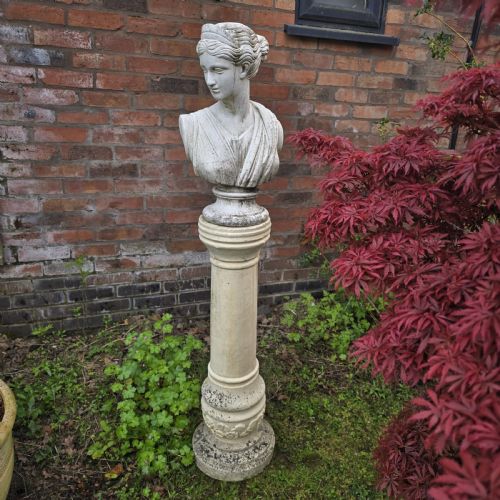
Buyers frequently encounter bronze reductions of famous archaeological finds alongside marble and stone busts mounted upon plinths.
The selection ranges from small desk studies of deities and philosophers to larger library pieces produced across European workshops.
Materials and methods
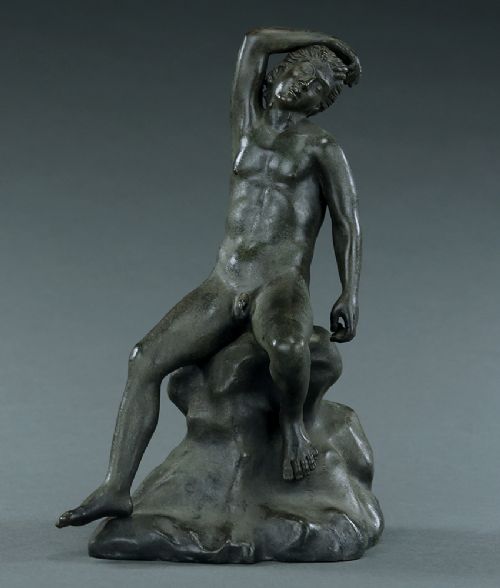
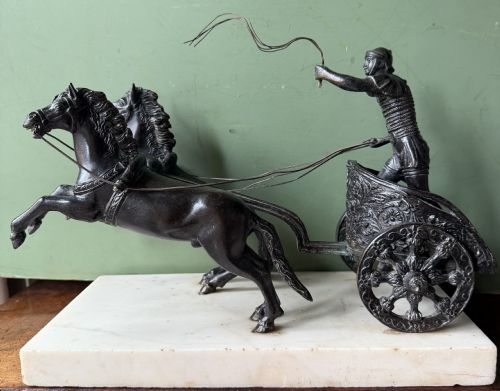
Foundry work utilises bronze cast with patination, ranging from deep dark tones to verdigris surfaces mimicking ancient excavation finds.
Sculptors carved portrait heads and mythological figures from white marble and stone, frequently mounting them on contrasting coloured marble bases like Rosso Levanto.
Hypnos, the god of sleep, arrives in bronze to ensure your library bust dreams of ancient Rome.
Assessing the execution
Quality rests upon the crispness of the chasing in bronze casts and the subtlety of facial expression in carved marble and terracotta.
Finer examples reveal precise anatomical detail and careful application of patination, whereas simpler workshop pieces lack definition in drapery and hair.
Émile Louis Picault·Goldscheider·Zoffoli·Barbedienne·Mathurin Moreau·Richard Aurili
The Classical Roman Statue Glossary
- Grand Tour
- A cultural journey undertaken by European elites who collected souvenir bronzes and marbles of antiquities.
- Patination
- The surface coloration of metal developed through chemical treatment or age, mimicking ancient buried bronzes.
- Reduction
- A smaller scale copy of a larger monumental ancient sculpture, cast in metal or carved in stone for domestic display.
- Plinth
- A heavy base or pedestal of marble, stone, or wood upon which a bust or figure is mounted.
Classical Roman Statue: Frequently Asked Questions
What is a Grand Tour bronze?
A Grand Tour bronze is a nineteenth-century souvenir cast in Europe, replicating famous classical antiquities for travellers.
These pieces served as cabinet sculptures and library ornaments for collectors of classical history.
How do I identify a marble bust?
Marble busts depict emperors, philosophers, or mythological figures, usually carved and mounted on stone bases.
They reflect the nineteenth-century revival of interest in Roman portraiture and archaeological discovery.
What subjects are most common?
Common subjects include Roman emperors like Augustus and Julius Caesar, alongside deities such as Bacchus, Athena, and Juno.
Mythological figures like the Dancing Faun and Spinario also appear frequently in these collections.
Where should I display these sculptures?
These figures suit studies, libraries, and hallways where their classical forms can be viewed closely.
Heavy marble bases provide stability for heavier stone and bronze busts on mantelpieces and tables.