

Classical Head Sculpture
A classical head sculpture brings the dignity of antiquity indoors through carved marble, bronze, and plaster portraits that elevate any room.
Classical Head Sculpture
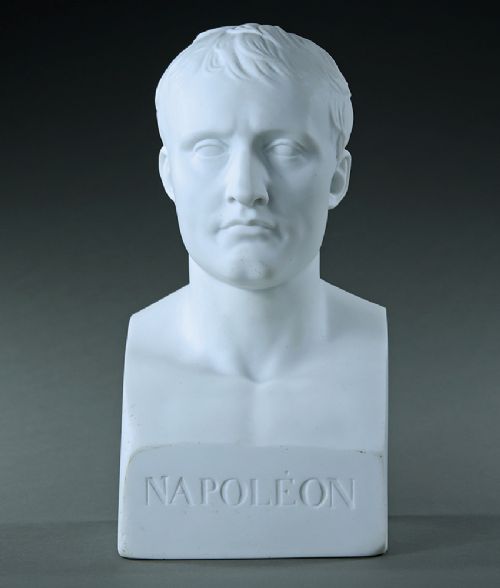
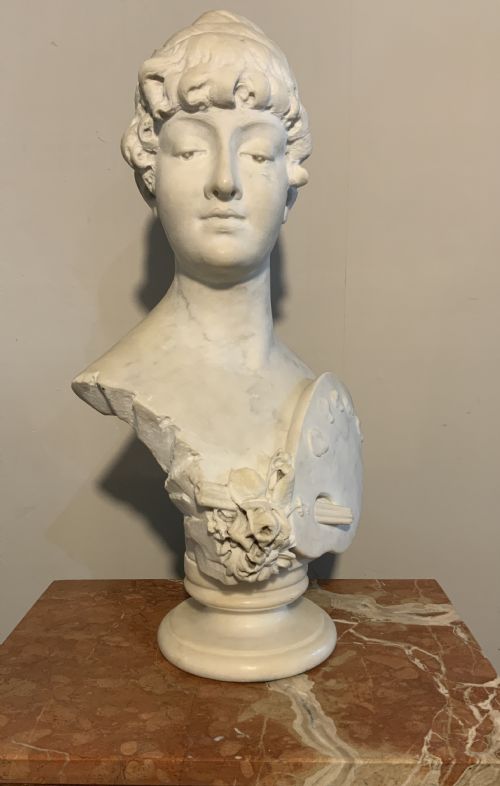
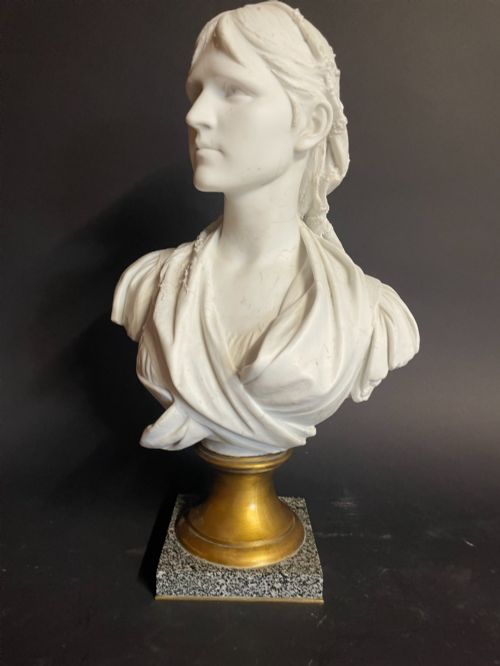
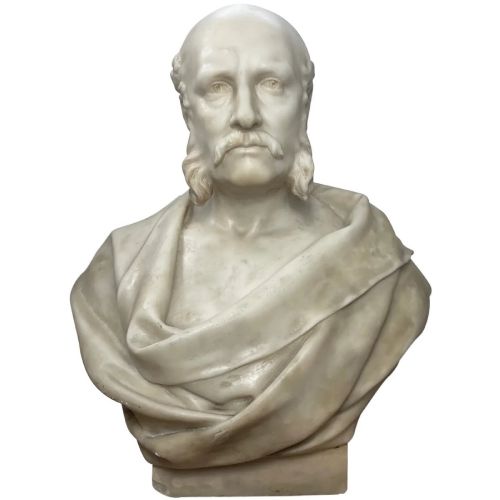
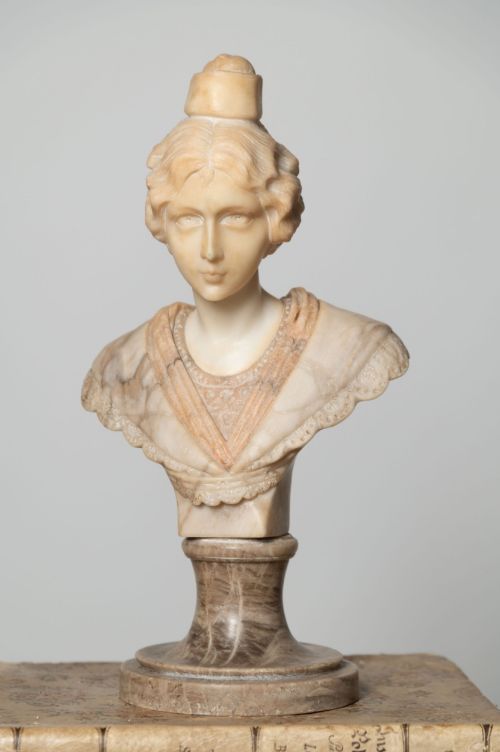
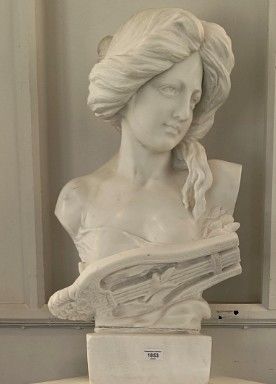
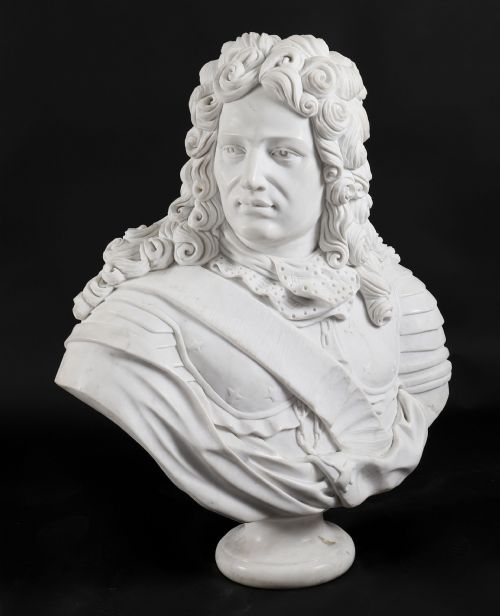
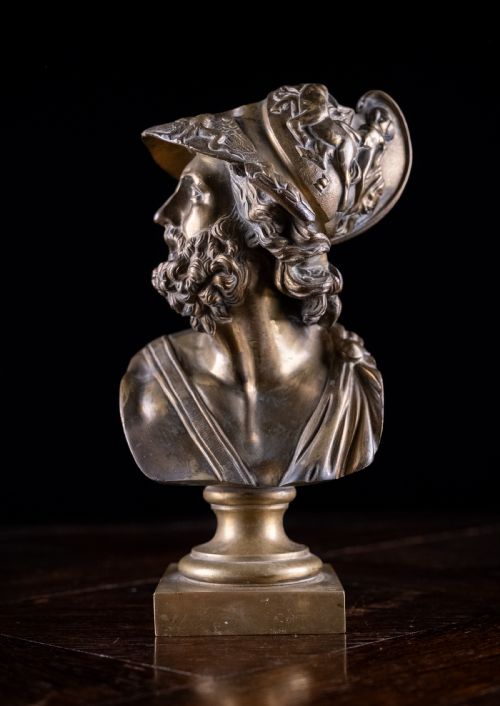
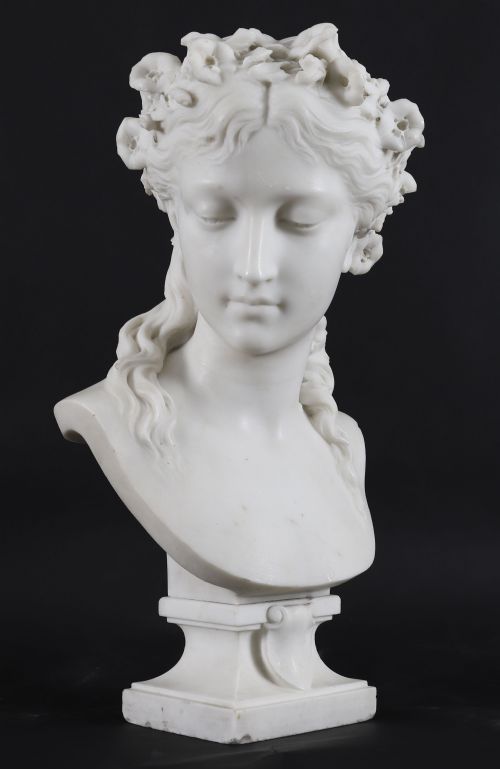
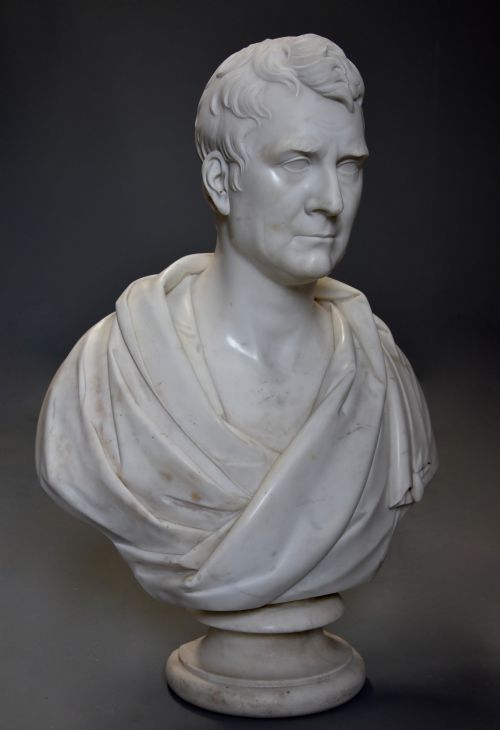
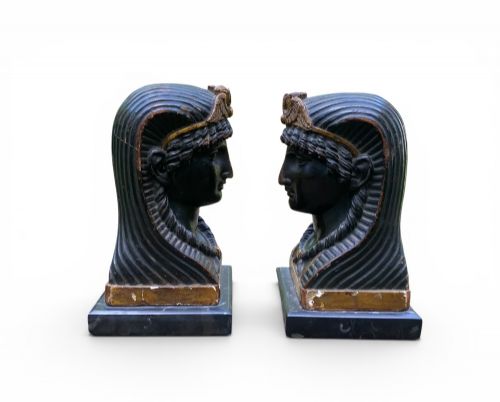
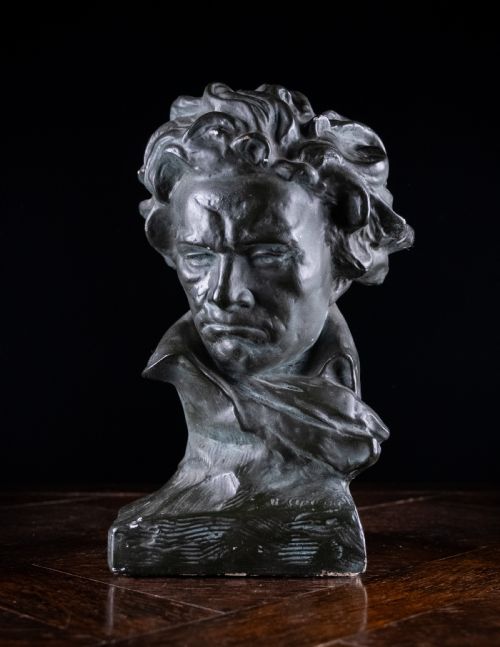
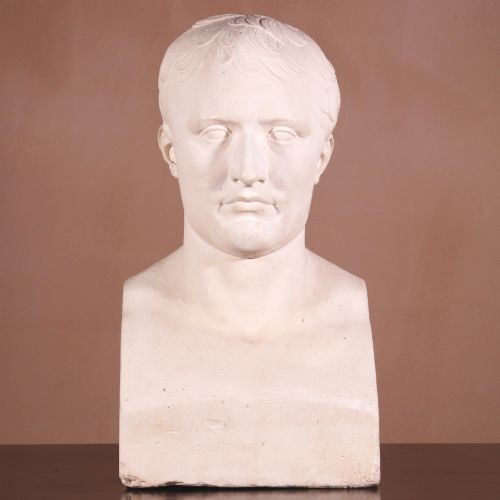
A classical head sculpture captures figures from history and mythology, appearing most frequently on this page as portrait busts and library busts from the nineteenth century.
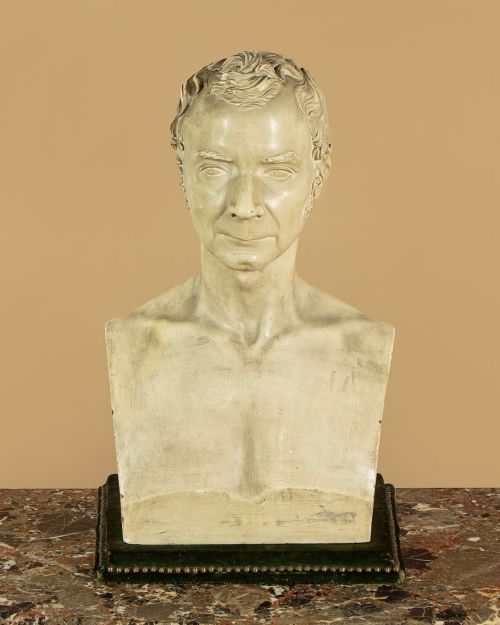
These pieces range from grand monumental marble depictions of statesmen and Caesars to smaller plaster and bronze studies of literary figures, musicians, and classical deities.
Makers drew heavily upon ancient Greek and Roman models, producing works that span styles such as neoclassical, Victorian, and classical revival.
How They Were Made
Carvers shaped white marble, Carrara marble, alabaster, and wood using chisels to achieve smooth contours and detailed drapery on portraits and sphinxes.
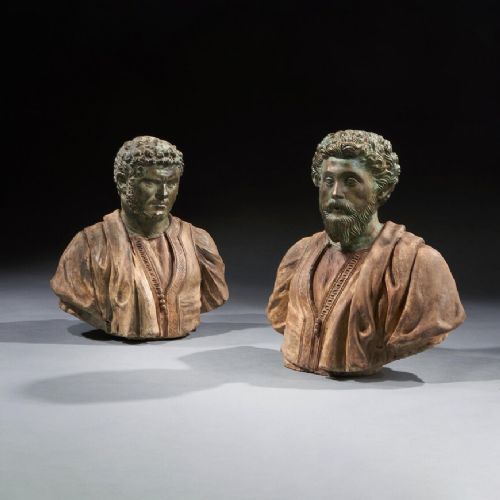
Foundries cast bronze and gilt bronze, often mounting the metal heads onto separate marble bases or incorporating painted finishes on plaster.
Artisans also utilised plaster and terracotta, casting moulds to produce detailed likenesses of historical figures and theatrical props.
Several Roman Caesars and Ludwig Van Beethoven share shelf space here.
What Varies in Quality
The distinction between ordinary and exceptional pieces lies in the subtlety of the carving and the fidelity of the facial expression, particularly around the eyes and hair.
Signed works by recorded sculptors demonstrate superior handling of the material, whereas unsigned studio pieces or theatre props rely more on general form than fine detail.
Eugene Aizelin·J Francis·Raffaelo Monti·A Mercie·John Wenlock Rollins·Sir Thomas Brock·Giuseppe Moretti
The Classical Head Sculpture Glossary
- Bust
- A sculpted representation of a person's head, shoulders, and upper chest. They are frequently carved from marble or cast in bronze.
- Neoclassical
- A style reviving the forms and aesthetics of ancient Greece and Rome. It dominates much nineteenth-century sculpture.
- Grand Tour
- A cultural journey undertaken by wealthy Europeans that popularised miniature and full-size classical sculpture for home display.
- Plaster
- A workable composition material used for casting detailed portrait busts before finishing with paint or patination.
Classical Head Sculpture: Frequently Asked Questions
What is a classical head sculpture?
A classical head sculpture is a carved or cast representation of a human head or bust inspired by ancient Greek and Roman art.
These pieces typically depict historical figures, mythological characters, or literary icons in materials like marble, bronze, and plaster.
Where were these sculptures displayed?
In the nineteenth century, these sculptures sat in libraries, studies, and grand hallways as symbols of classical learning and refined taste.
Today, they function as striking decorative focal points on mantelpieces, pedestals, and tables in domestic interiors.
How do I identify the material?
Marble and alabaster feel cool to the touch and show natural veining, whereas plaster is lighter, softer, and usually painted or patinated.
Bronze and terracotta carry distinct metallic or earthen weights and are frequently mounted on dedicated stone bases.
Are these pieces from ancient times?
The majority of these sculptures date from the nineteenth and early twentieth centuries rather than antiquity itself.
They represent revivals of classical styles produced during the Victorian and Edwardian eras.