



Italian Portrait Bust
An italian portrait bust brings centuries of classical presence into a room, carved from solid marble or modelled in fine terracotta.
Italian Portrait Bust
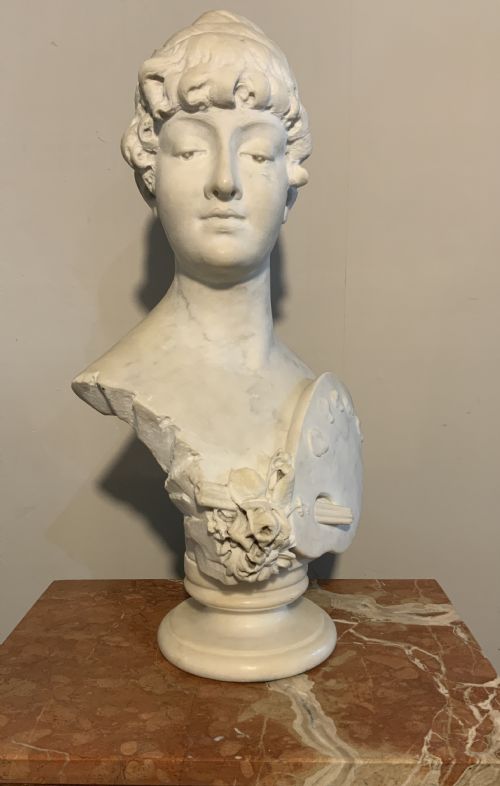
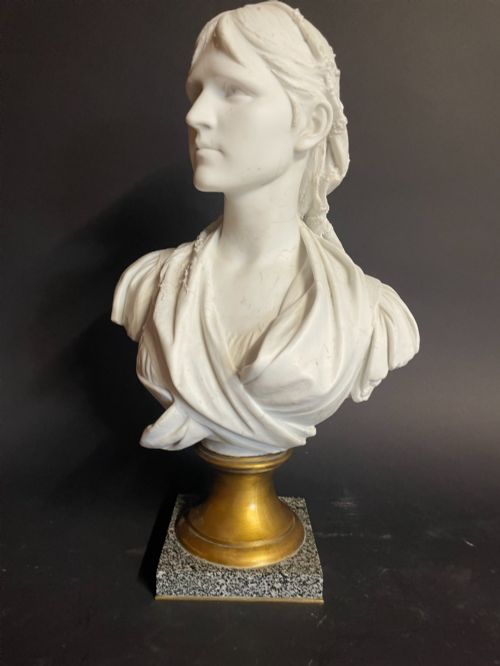
An italian portrait bust captures historical figures, nobles, and classical deities in solid form. These sculptures draw heavily from ancient traditions, celebrating human likeness through enduring materials.
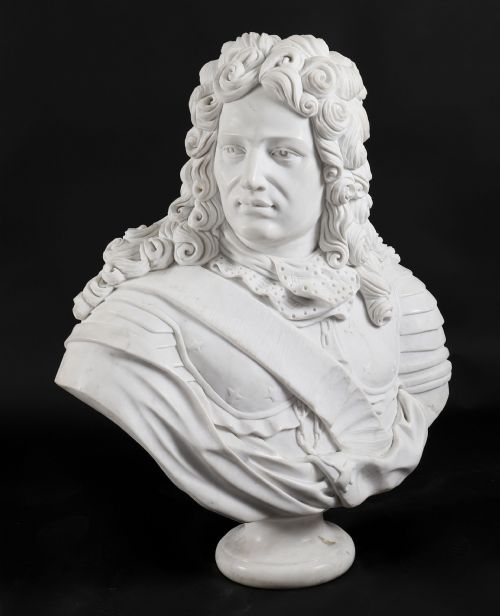
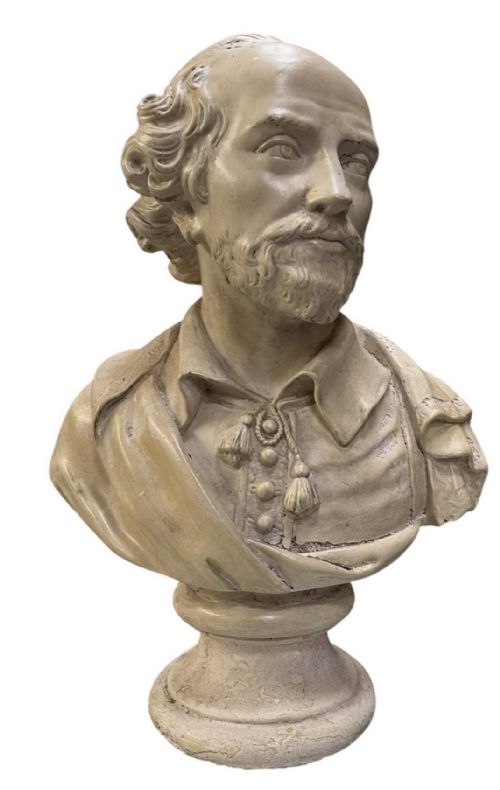
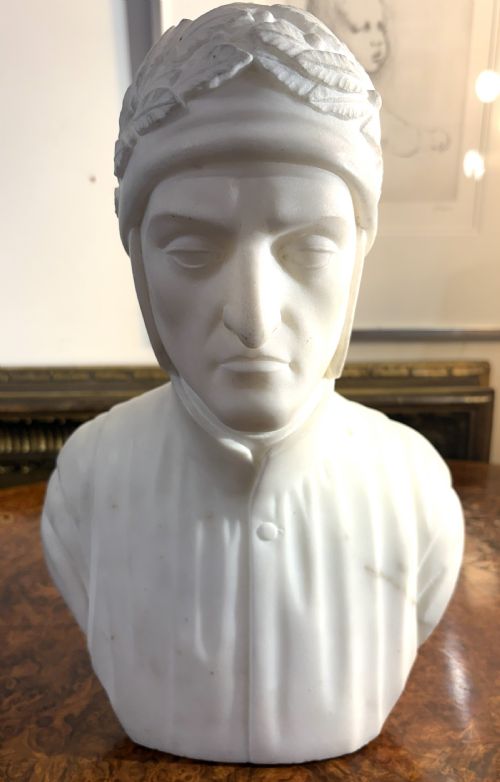
The versions most commonly met span the nineteenth and twentieth centuries, taking the form of library busts, Grand Tour souvenirs, and relief plaques. Subjects range from Dante and Shakespeare to veiled ladies and Roman emperors.
Makers often looked to antiquity for inspiration, producing pieces that mirror Renaissance ideals or neoclassical restraint. They function as striking focal points on pedestals, mantels, and library shelves.
Judging Quality and Execution
The selection of the base material matters greatly, as high-grade Carrara marble and richly figured contrasting support stones elevate the presentation. Signed works and those referencing specific classical sculptors or foundries carry distinct artistic weight.
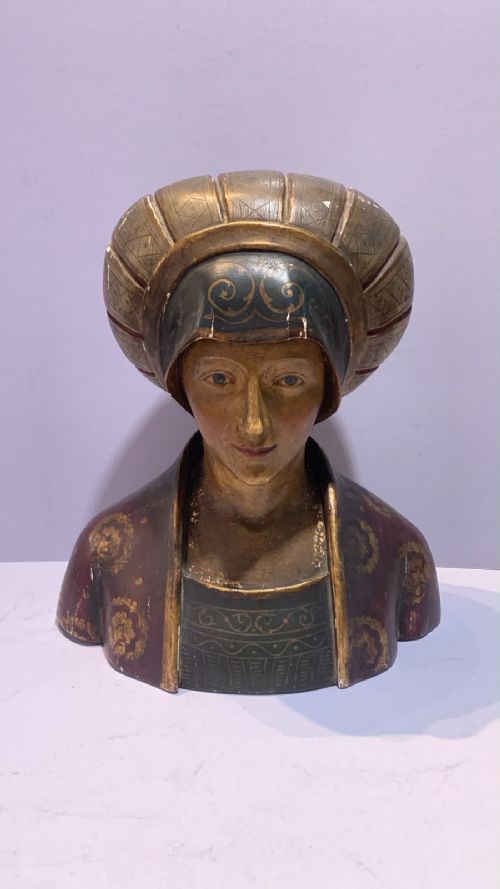
Listings feature marble, terracotta, bronze, and plaster across eighteenth, nineteenth, and twentieth-century periods.
Raffaelo Monti·Antonio Merente·Giuseppe Moretti·Antonio Rossellino·A. Gory
The Italian Portrait Bust Glossary
- Carrara marble
- A type of white or blue-grey marble quarried in the city of Carrara in Tuscany, prized by sculptors for its fine grain and uniform appearance.
- Grand Tour
- A traditional trip of Europe undertaken by upper-class European young men of sufficient means, resulting in the acquisition of souvenirs like carved marble portrait busts.
- Terracotta
- Baked clay used unglazed for sculptural works, allowing artists to model forms directly before firing.
- Polychrome
- Decorated in a variety of colours, often seen on older wooden or terracotta carvings to simulate life-like appearance.
- Relief plaque
- A wall-mounted sculptural panel where the figures project from a flat background, depicting profile portraits or classical scenes.
Italian Portrait Bust: Frequently Asked Questions
Where should I display an italian portrait bust?
These sculptures suit prominent spots in hallways, libraries, and living rooms where adequate lighting highlights their contours. Placing them on sturdy pedestals or mantels ensures stability for heavier stone and marble pieces.
Pairing a bust with simple surroundings allows the carved details and natural grain of the marble or bronze to stand out without visual competition.
How do I care for marble and bronze sculptures?
Dust marble surfaces regularly with a soft, dry cloth to prevent grime accumulation in carved crevices. Avoid using harsh chemical cleaners that can strip natural patinas or damage stone.
Bronze elements benefit from occasional light dusting and maintaining a stable indoor environment away from excessive moisture.
What subjects are most common?
Literary figures like Dante and Shakespeare frequently appear alongside classical deities and Roman emperors. Noblemen in armour and veiled female subjects also feature prominently among nineteenth-century works.
Many pieces derive their inspiration directly from antique statues discovered during archaeological excavations across Italy.
How do I distinguish nineteenth-century pieces?
Nineteenth-century works often reflect revivals of Renaissance, Baroque, or Neoclassical styles, driven by the popularity of the Grand Tour. Tool marks, the type of marble used, and signatures on the base often point towards this active period of production.
Examining the mounting techniques and base materials helps confirm the age relative to later twentieth-century interpretations.