


Decorative Terracotta Statue
These decorative terracotta statue pieces bring warmth and expressive modelling into a room, spanning nineteenth century classicism to twentieth century studio works.
Decorative Terracotta Statue
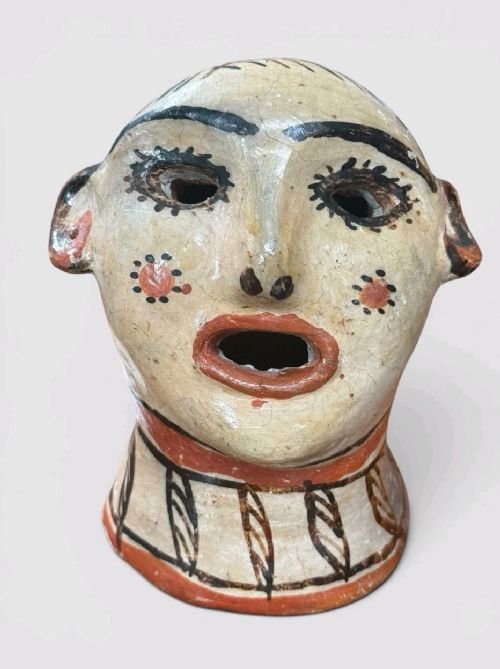
A decorative terracotta statue encompasses a broad range of sculptural forms shaped from fired clay, including classical busts, animalier figures, and folk art heads. Buyers searching for a decorative terracotta statue will encounter nineteenth century Italian pairs, Art Nouveau female busts, and early twentieth century studio pottery animals.
The most common examples on this page date from the nineteenth century and the early decades of the twentieth century, often reflecting classical revival or Art Nouveau tastes. These pieces range from monumental life size figures and pedestals to small bookends and decorative planters.
Materials and Techniques
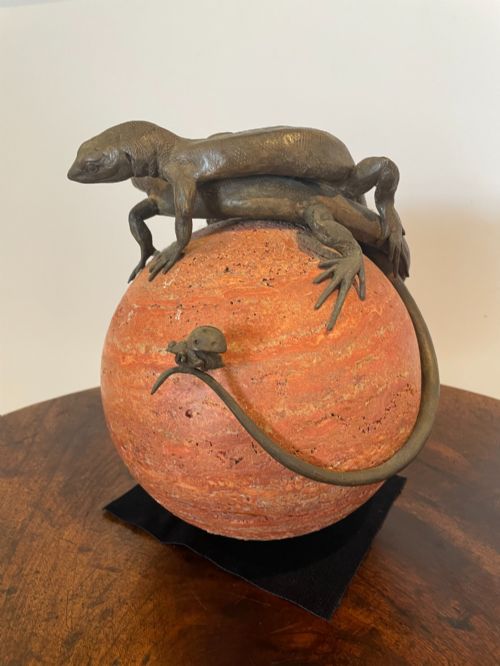
Makers shaped these sculptures from terracotta, earthenware, and clay, frequently applying paint, glazes, or faux marble finishes to the fired surfaces. Some works incorporate specialised materials like biscuit porcelain and bronze elements to add contrast and detail.
Production techniques varied from hand sculpted pottery and folk art modelling to factory casting by prominent European potteries. Glazing methods range from simple painted decoration to rich sancai styles and glossy finishes.
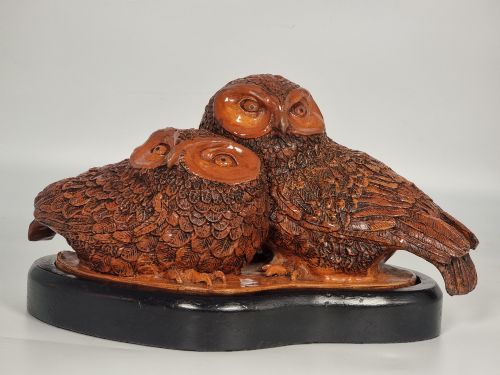
Among the sculpted menagerie sits a life size decorated pug, keeping silent guard alongside pottery owls and ceramic cockerels.
Evaluating Quality and Execution
The sophistication of the glaze, paint application, or patination distinguishes superior works from simpler decorative items. Maker attribution and the preservation of original pigmented or glazed surfaces elevate the standing of an individual statue.
Goldscheider pottery·Compton Potters Art Guild·Royal Dux·Ernst Whaliss
The Decorative Terracotta Statue Glossary
- Terracotta
- A porous, brownish red earthenware clay that is fired at relatively low temperatures and used extensively for sculptural works. It serves as the primary medium for the statues listed here.
- Animalier
- A nineteenth century artistic movement focused on the realistic depiction of animals, often rendered in bronze or terracotta. Works in this style capture creatures in dynamic or resting poses.
- Art Nouveau
- A stylistic movement prominent around nineteen hundred characterised by organic, flowing lines and natural motifs, frequently seen here in female busts and sculptural figures.
- Biscuit Porcelain
- Unglazed ceramic fired once to create a matte, white, stone like surface resembling fine marble. It appears alongside terracotta in mixed ceramic sculptures.
- Classical Revival
- An artistic style drawing inspiration from the art and architecture of ancient Greece and Rome. This aesthetic manifests in Roman figures, antique busts, and archer bookends.
Decorative Terracotta Statue: Frequently Asked Questions
How do I clean a terracotta statue?
Dust gently with a soft dry brush to prevent dirt accumulation in the recessed modelling.
Avoid using water or liquid cleaners on unglazed clay, as moisture can penetrate the porous body and cause damage.
Are these statues suitable for outdoor display?
Most antique terracotta pieces are intended for interior display because frost and sustained moisture will damage fired clay.
Only pieces specifically manufactured as gardenware or hardy planters should be placed outside.
How do I date an antique terracotta figure?
Examine the base, modelling style, and any maker marks or inscriptions to identify the period.
Nineteenth century pieces often lean towards classical revival or detailed realism, while early twentieth century works display Art Nouveau or studio pottery characteristics.
What is the difference between terracotta and earthenware?
Terracotta is a specific type of unglazed or glazed porous red earthenware fired at lower temperatures.
Earthenware is the broader ceramic category that encompasses terracotta alongside other fired clay bodies.