




Terracotta Portrait Head
A terracotta portrait head captures likeness and character in fired earth, offering sculptural presence that brings history directly into any room.
Terracotta Portrait Head
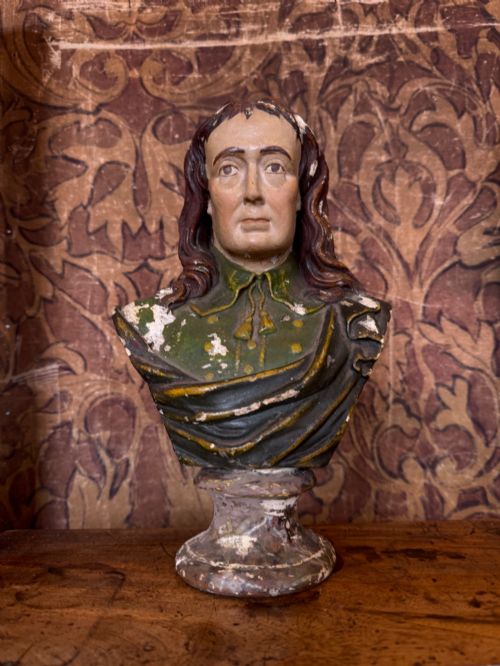
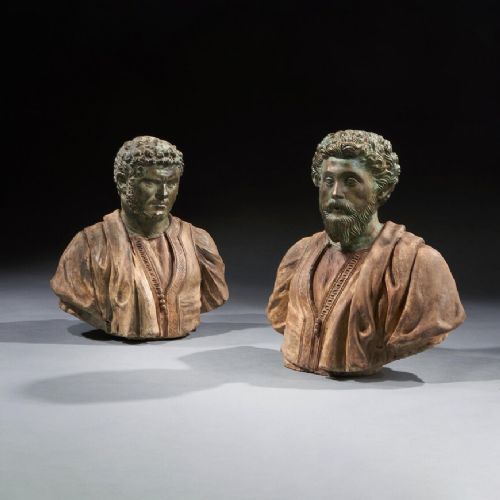
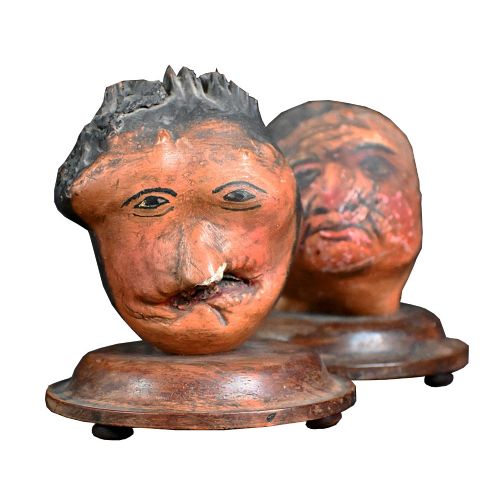
A terracotta portrait head represents human likeness modeled in clay and fired, spanning classical revivals, folk art traditions, and modernist sculpture. When exploring a terracotta portrait head, buyers encounter everything from classical emperors and naval gentlemen to signed works by named European sculptors.
The selection ranges across the nineteenth and twentieth centuries, featuring single figures, symmetrical pairs, and complementary drawings in sanguine chalk on paper. Pieces emerge from French, Austrian, and Italian workshops, employing diverse stylistic influences from the Renaissance to Art Deco.
Assessing quality
Provenance and documentation elevate certain examples, particularly when signed by known modellers or associated with specific European foundries and studios. The integrity of the fired clay and any original mounting materials further determine the enduring merit of the sculpture.
Roman emperors share shelf space with nineteenth-century naval gentlemen and anonymous folk art subjects carved in quiet defiance of high academic standards.
Antonio Rossellino·Georges Morin·Bohumil Rezl·HL Blasche for Reps and Trinte
The Terracotta Portrait Head Glossary
- Terracotta
- Fired unglazed clay of a brownish-red colour. This material allows sculptors to capture immediate tactile detail before the firing process hardens the form.
- Patina
- The surface appearance altered by age, wear, or applied finishes such as verdigris. This layer adds visual depth and indicates the passage of time on sculptural surfaces.
- Sanguine
- A reddish-brown chalk used in traditional portrait drawing. Artists utilised this medium for preparatory sketches that parallel the modelling of sculptural heads.
- Neoclassical
- A style reviving classical Roman and Greek aesthetic principles. This influence appears frequently in nineteenth-century busts depicting emperors and classical figures.
Terracotta Portrait Head: Frequently Asked Questions
How should I clean a terracotta bust?
Dust the surface gently with a soft, dry brush to prevent particle buildup within the porous clay.
Avoid using water or liquid cleaners, as unglazed terracotta absorbs moisture and can sustain permanent damage.
Where were these portrait heads made?
These sculptures originate primarily from European workshops, with specific pieces documented from France, Austria, and Italy.
Individual creators and larger studios produced them to satisfy prevailing tastes for historical, classical, and portrait sculpture.
Are these pieces heavy?
Solid terracotta and plaster sculptures carry substantial weight relative to their size, requiring stable display surfaces.
Heavier busts often benefit from dedicated wooden mounts or sturdy bases to ensure secure placement.
How do I identify the period?
Dating relies upon stylistic markers such as Art Deco geometries, Neoclassical drapery, or specific nineteenth-century costuming.
Signatures, inscriptions, and material treatments like verdigris patina provide further chronological indicators.