

Chinese Porcelain Vase
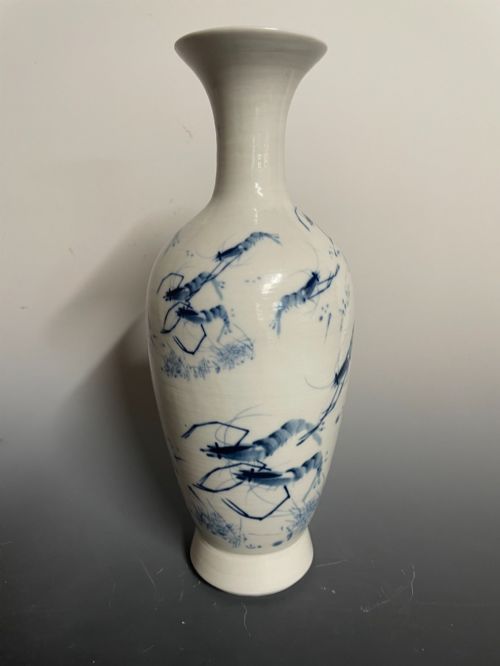
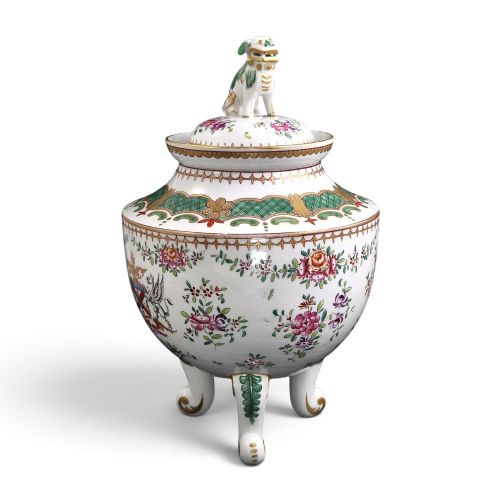
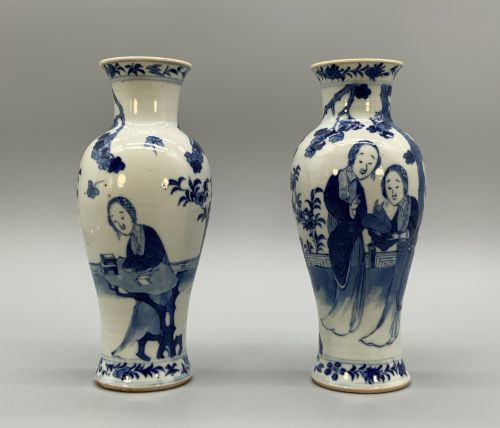
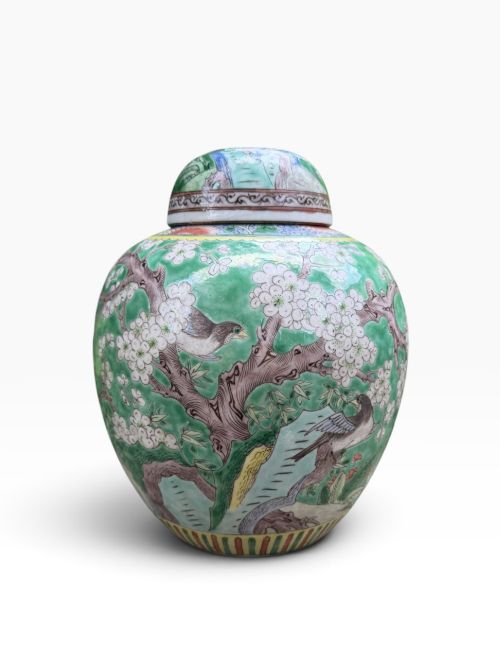
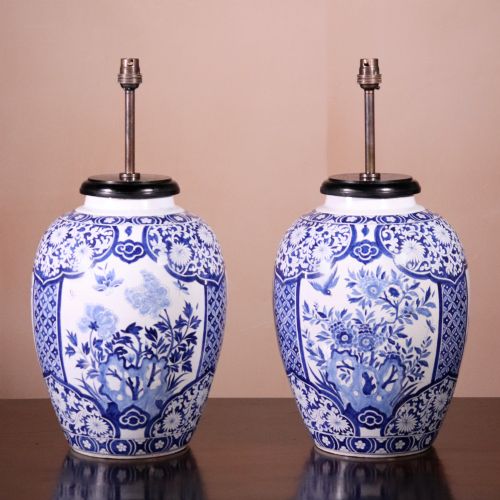
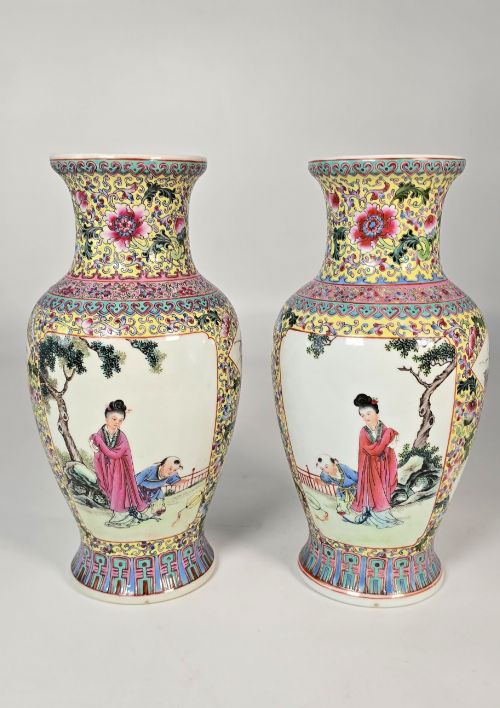
When selecting a chinese porcelain vase, consider pieces spanning the seventeenth to twentieth centuries, featuring cobalt glaze, enamel, and celadon.
Chinese Porcelain Vase
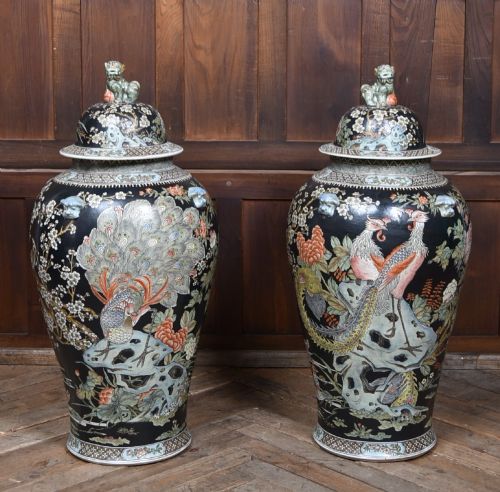
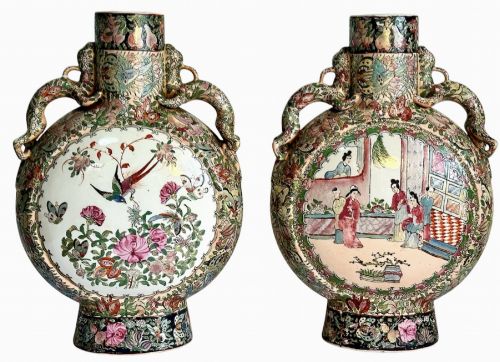
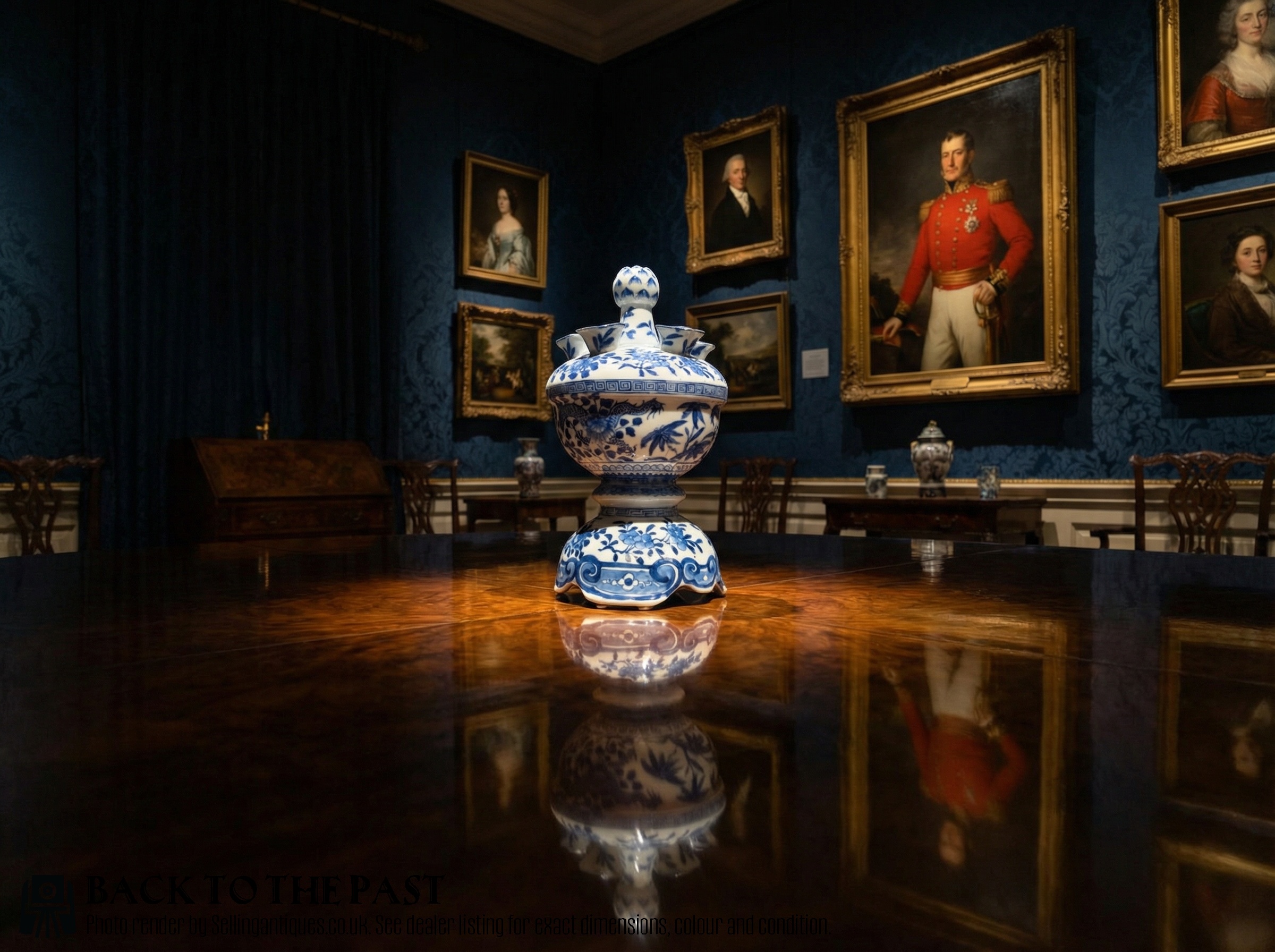
A chinese porcelain vase encompasses forms ranging from monumental baluster vessels and ginger jars to moon flasks and double-gourd shapes. The selection includes domestic imperial productions, export wares, and later Republican period examples.
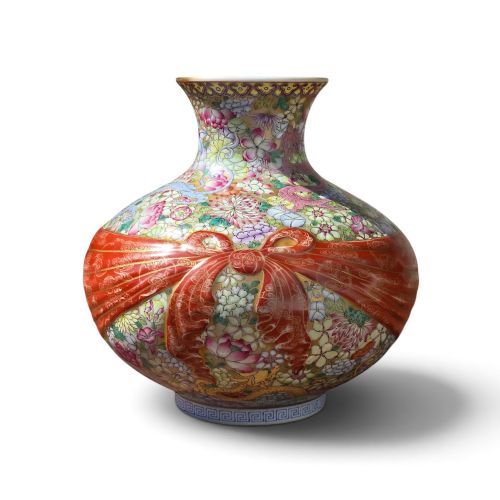
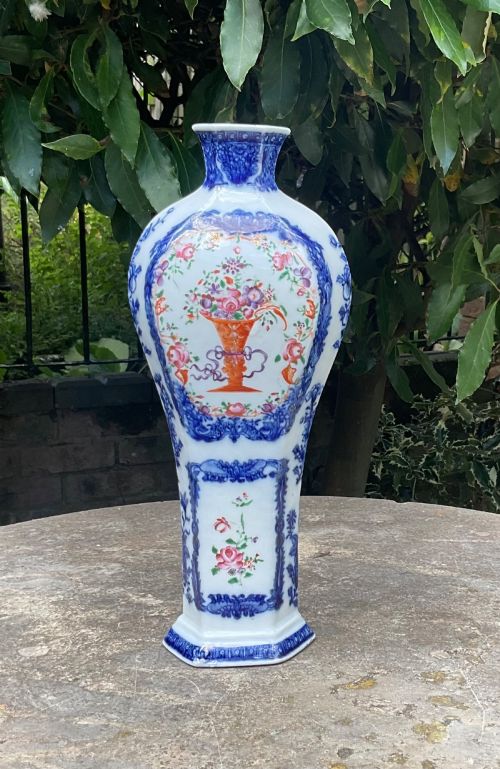
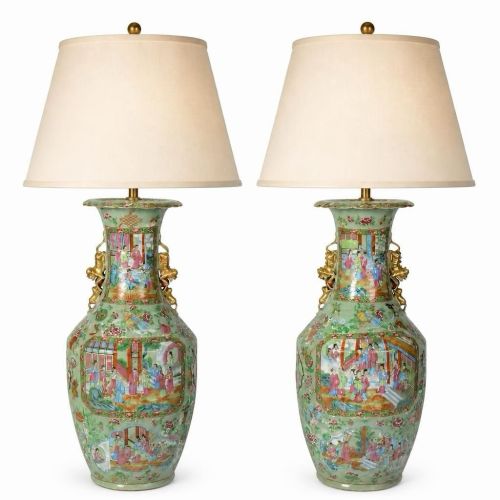
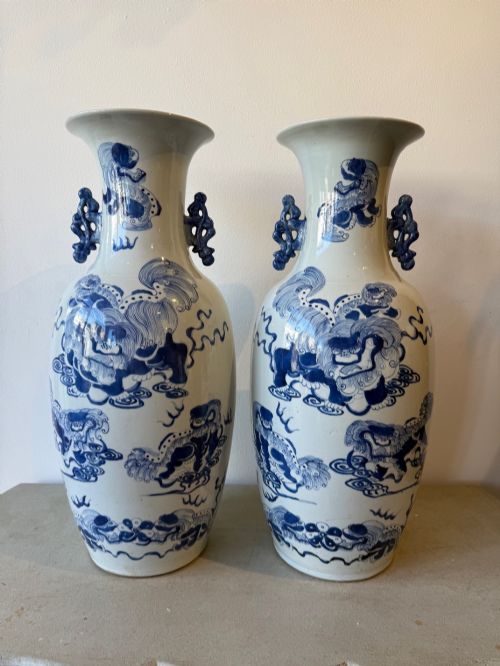
Nineteenth-century Qing Dynasty pieces dominate the available inventory, frequently displaying intricate famille rose, famille verte, and blue and white decoration. Buyers also encounter converted table lamps featuring ormolu, brass, or wood mounts.
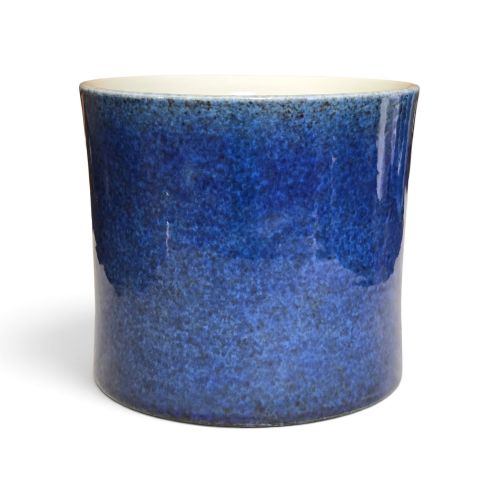
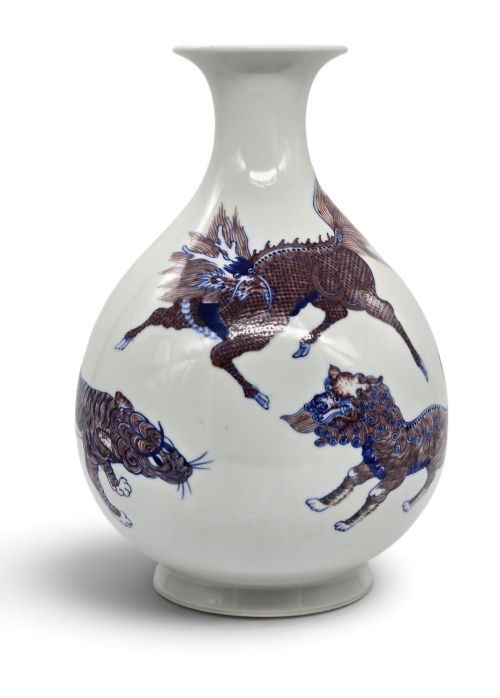
Earlier examples extend back to the seventeenth and eighteenth centuries, including Kangxi style blue and white vessels and monochrome sang de bœuf glazes. Variations encompass garniture sets, lidded jars, and dedicated scholar's objects like brush pots.
Materials and Technique
Production relies on refined white ceramic clay fired at high temperatures to create a durable, vitrified body. Artisans then applied underglaze cobalt pigments or various overglaze enamel palettes.
Decoration methods involve meticulous hand-painting, often incorporating copper-red accents, gold leaf, and crackle glazes. Selected vessels received bronze, brass, or ormolu mounts during later European or domestic adaptations.
Chinese Porcelain Vase Retail Price Guide 2026
Typical asking prices for chinese porcelain vase among the pieces listed under this phrase on Sellingantiques today, from the lower quarter to the upper quarter. They describe what is for sale here now, not the wider market.
Certain nineteenth-century snuff bottles tucked inside collections reveal surprisingly intimate erotic scenes painted beneath miniature glazes.
Evaluating Quality
Assessment depends upon the precision of the hand-painted detail and the vibrancy of the enamel or underglaze blue. Masterful control of the brush distinguishes finely delineated figural scenes and floral motifs from repetitive commercial output.
The weight, throwing consistency of the ceramic body, and purity of the glaze also indicate superior standards. Additional considerations involve the preservation of original covers, matching pairs, and the crispness of imperial reign marks.
Samson Paris·Jingdezhen
The Chinese Porcelain Vase Glossary
- Famille Rose
- A palette of opaque overglaze enamels dominated by pink or rose colours, introduced during the Qing Dynasty.
- Celadon
- A transparent green glaze over a pale grey or white body, often displaying subtle crackle patterns.
- Baluster
- A vase form with a rounded body that tapers toward a narrow neck and flares at the rim.
- Double-Gourd
- A vessel shape consisting of two rounded bulbous sections stacked vertically, resembling a traditional water carrier.
- Garniture
- A matching set of vases and jars designed to be displayed together on a mantelpiece or cabinet.
Chinese Porcelain Vase: Frequently Asked Questions
How do I identify a Qing Dynasty vase?
Examine the underglaze blue or enamel decoration styles characteristic of the nineteenth century, alongside specific motifs like dragons or floral sprays.
Look for reign marks on the base, though many later pieces emulate earlier imperial periods.
What is a ginger jar used for?
Originally manufactured to store and transport spices, these lidded vessels evolved into purely decorative ornaments.
They frequently appear in pairs or as part of larger garniture sets within traditional interiors.
Are converted lamp bases still valuable?
Many nineteenth-century vessels were fitted with brass or ormolu mounts to function as lighting in European homes.
These mounted pieces represent a distinct period of historic interior decoration while retaining the original ceramic body.
What does crackle glaze mean?
Crackling is a deliberate ceramic effect where the glaze develops an intentional network of fine decorative fissures during cooling.
This technique appears frequently on nineteenth-century celadon and monochrome wares.