
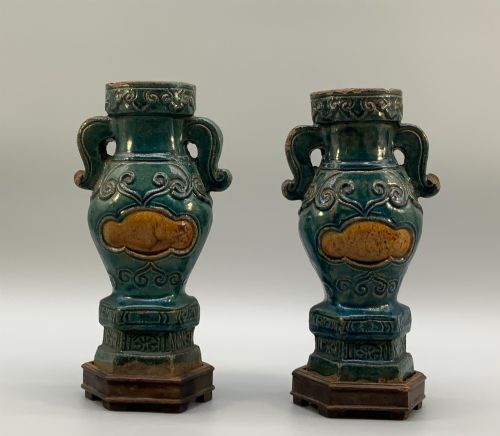
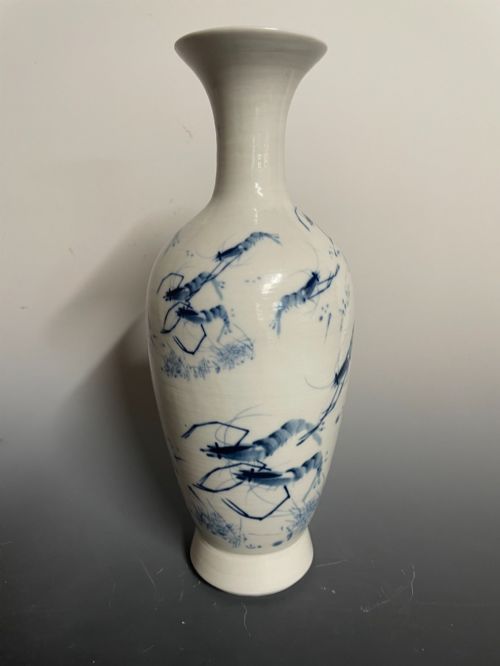
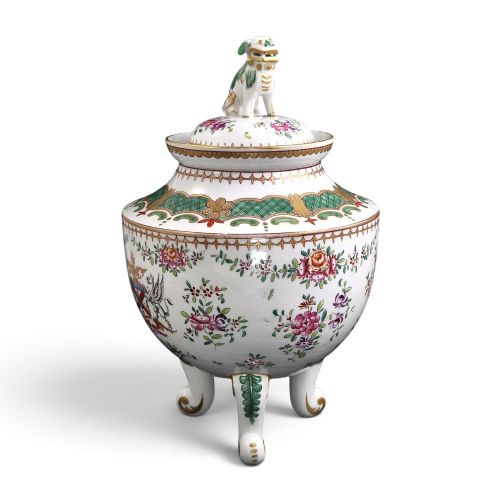

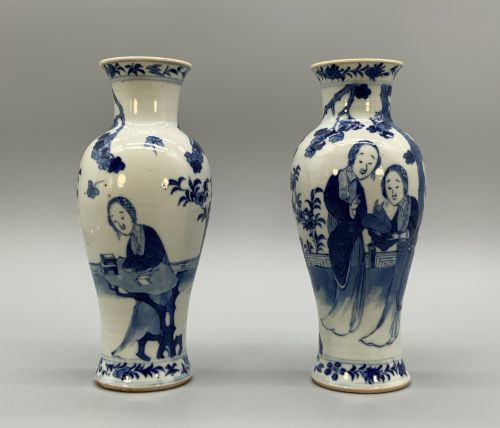
Chinese Ceramic Vase
A Chinese ceramic vase brings centuries of kiln mastery into a room, offering striking palettes and monumental forms that anchor any mantel or hallway.
Chinese Ceramic Vase
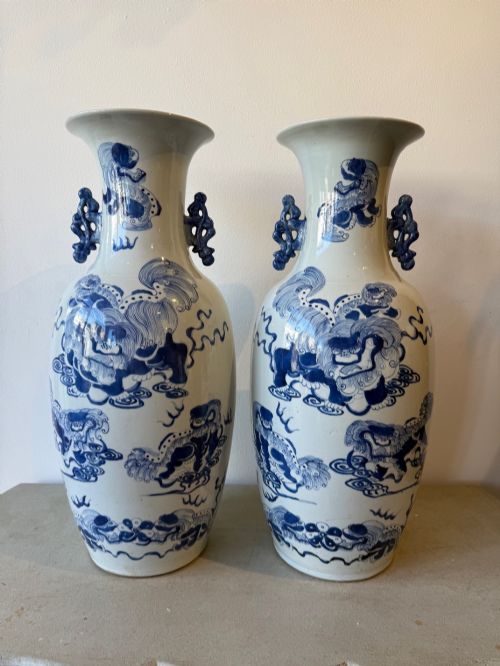
When you search for a chinese ceramic vase, you enter a field spanning ginger jars, double-gourd vessels, and monumental floor pieces made across the Ming and Qing dynasties into the twentieth century. These objects function as decorative centerpieces, often finished with elaborate handles, covers, or matched wooden stands.
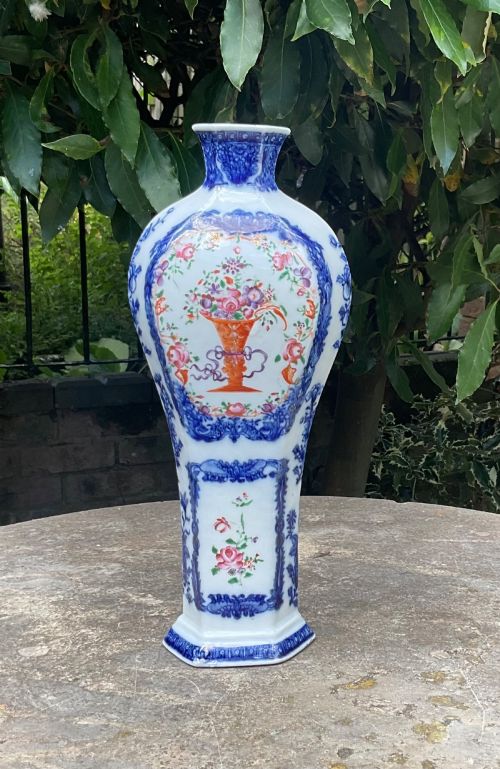
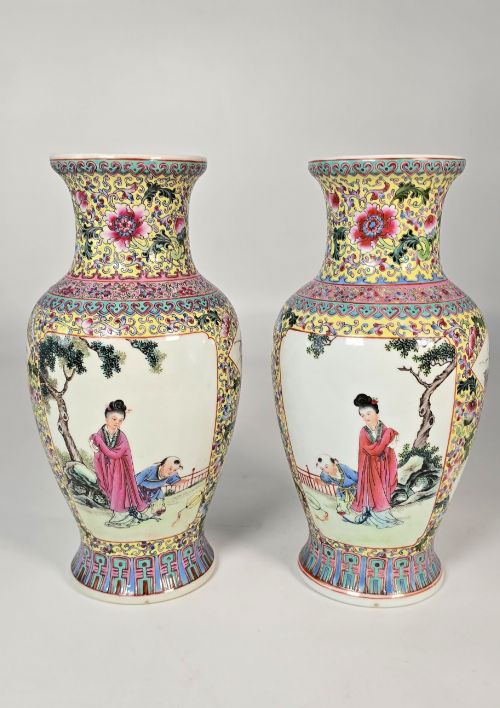
The inventory on this page leans heavily toward nineteenth-century production, alongside eighteenth-century works and later Republican period pieces. You encounter blue and white porcelain, famille rose enamels, and monochrome glazes designed for scholar's studios and imperial halls alike.
How they were made
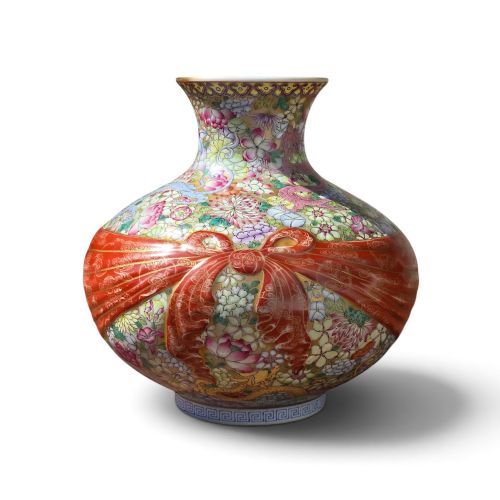
Potters shaped high-fired porcelain and ceramic bodies on the wheel or in moulds before applying mineral pigments beneath or over the glaze. Cobalt oxide provided the deep blues, while complex famille rose and millefleurs palettes relied on opaque enamels fired at lower temperatures.
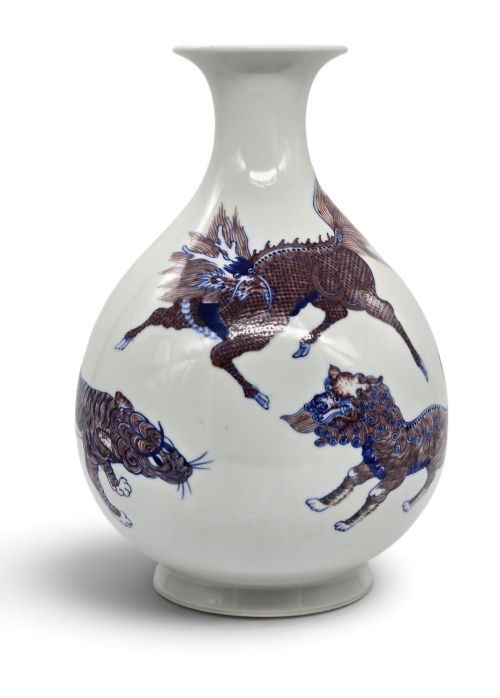
Specialist techniques involved copper-red underglazes, cracked ice patterns, and reticulated openwork carved into the clay body. Many surviving examples integrate applied brass, gilt bronze, or ormolu mounts added during later European or domestic adaptations.
Chinese Ceramic Vase Retail Price Guide 2026
Typical asking prices for chinese ceramic vase among the pieces listed under this phrase on Sellingantiques today, from the lower quarter to the upper quarter. They describe what is for sale here now, not the wider market.
Listings feature porcelain, pottery, and wood, spanning periods from the seventeenth century through to the Republican era.
What varies in quality
Quality rests in the precision of the brushwork and the depth of the glaze, where master painters achieved subtle tonal gradations and crisp outlines on figures and floral motifs. Lesser examples display hurried strokes and muddied colour fields.
The weight and purity of the porcelain body, alongside the crispness of imperial reign marks, distinguish workshop output from master-level imperial commissions. Proportions matter immensely on monumental floor vases and double-gourd shapes, where balance dictates visual success.
Samson Paris·Jingdezhen
The Chinese Ceramic Vase Glossary
- Famille Rose
- A palette of opaque pink and rose enamels introduced during the Qing dynasty. This technique allowed for nuanced shading on floral and figural compositions.
- Underglaze Blue
- A cobalt pigment applied directly to the raw clay body before glazing and firing at high heat. The resulting design sits permanently beneath a transparent glassy layer.
- Celadon
- A pale green jade-like glaze produced by iron oxides in a reducing atmosphere. It often accentuates carved or moulded lotus and floral relief patterns.
- Double-Gourd
- A vessel form shaped like two stacked spheres resembling a traditional water carrier. It carries auspicious symbolism associated with longevity and fortune.
- Ginger Jar
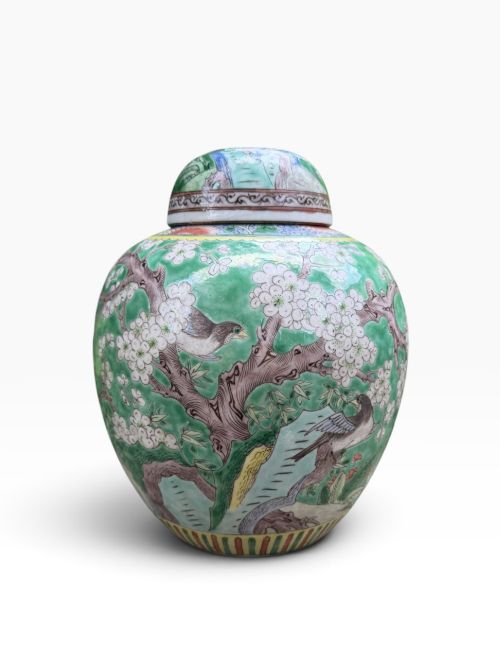
- A wide-shouldered storage jar with a fitted cover, originally designed for spices. Nineteenth-century examples frequently feature prunus blossom designs against cracked-ice backgrounds.
Chinese Ceramic Vase: Frequently Asked Questions
How do I date a Chinese ceramic vase?
Dating relies on stylistic markers, baseline characteristics, and painted reign marks that correspond to imperial periods. Examining the clay body and glaze shrinkage offers further clues to age.
Changes in palette preferences across dynasties, such as the shift from Ming turquoise glazes to Qing famille rose enamels, help narrow down the decade of production.
What is the difference between floor vases and ginger jars?
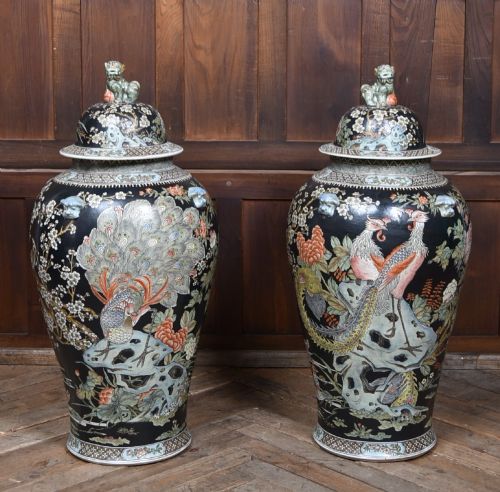
Floor vases are large, heavy vessels built to stand directly on the ground in grand hallways or reception rooms. They often feature monumental handles or expansive painted panels.
Ginger jars are smaller, storage-oriented pots with rounded shoulders and matching lids, originally intended for practical goods before becoming purely decorative mantel items.
Why do some vases have metal mounts?
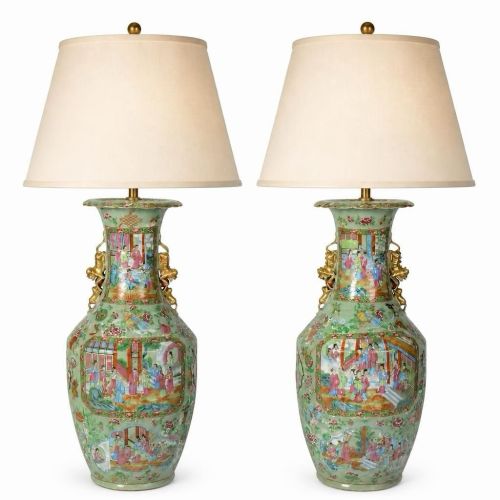
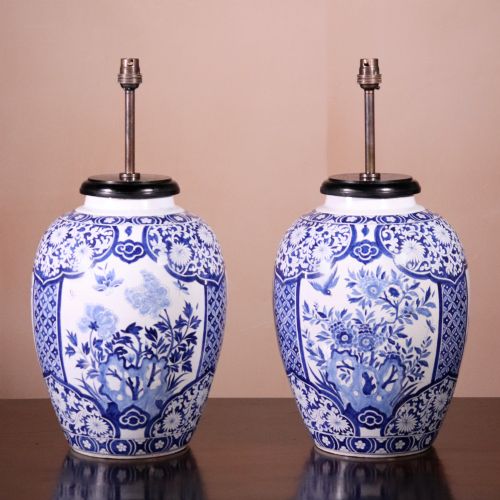
European collectors in the nineteenth century frequently added ormolu, brass, or gilt-bronze mounts to elevate the status of imported porcelain. These mounts served to repair chips or transform vessels into functional lamp bases.
Such alterations reflect the Victorian taste for repurposing exotic Asian ceramics into opulent domestic lighting fixtures.
How should I display a heavy ceramic vase?
Heavy vessels require stable, level surfaces away from heavy foot traffic to prevent accidental tipping. Using a fitted hardwood stand helps distribute weight evenly and protects the unglazed base.
Keeping pieces out of direct sunlight preserves the vibrancy of overglaze enamel pigments and prevents thermal stress on antique porcelain bodies.