


Charles I Period Furniture
Charles i period furniture brings heavy oak and robust seating into modern spaces, offering solid historical presence.
Charles I Period Furniture
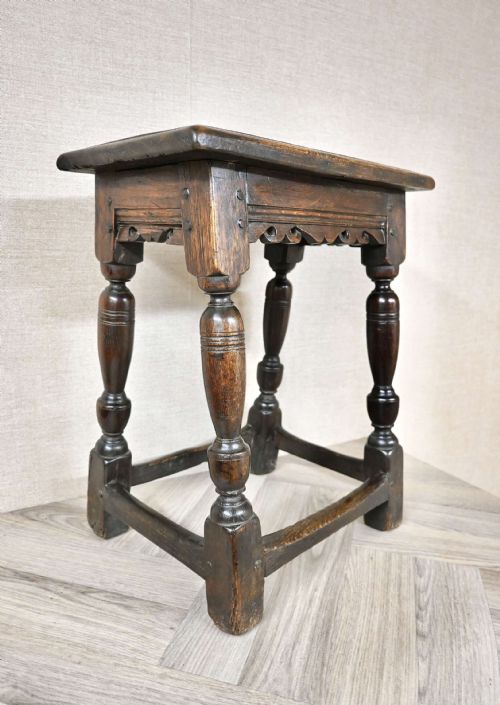
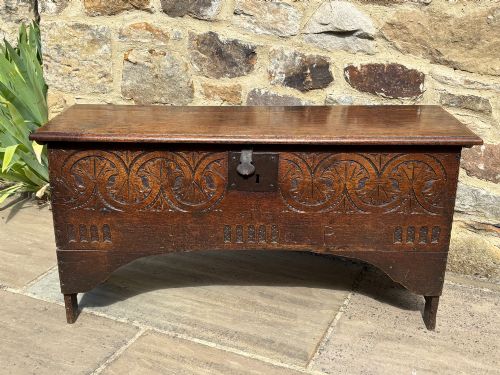
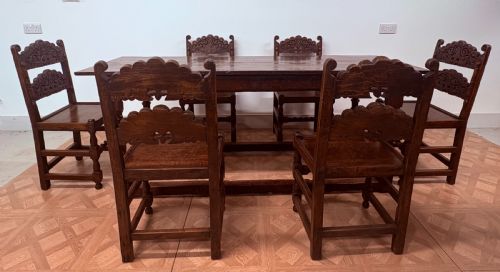
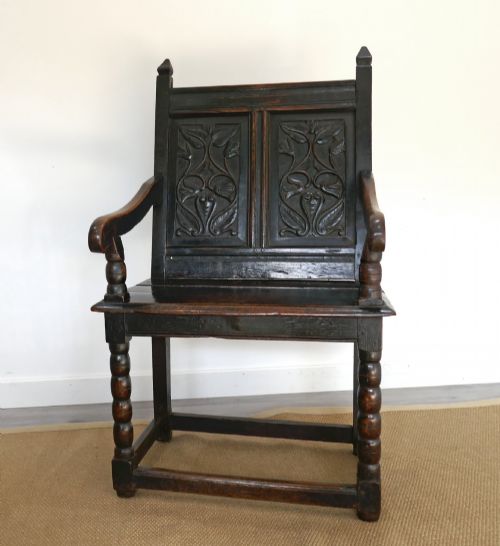
When you search for charles i period furniture, you encounter robust early pieces that anchor a room with serious historical weight. The selection relies heavily on oak construction, manifested in sturdy joint stools, wainscot armchairs, and panelled coffers.
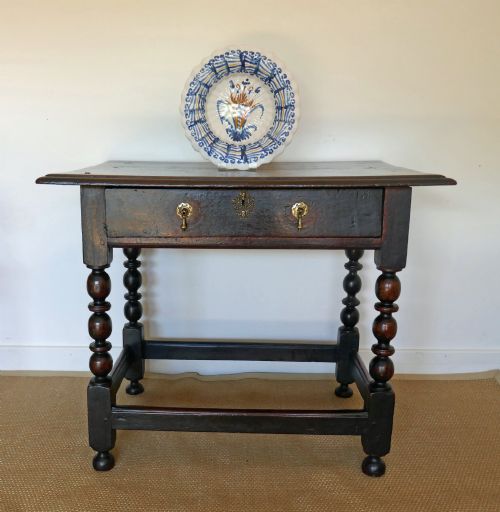
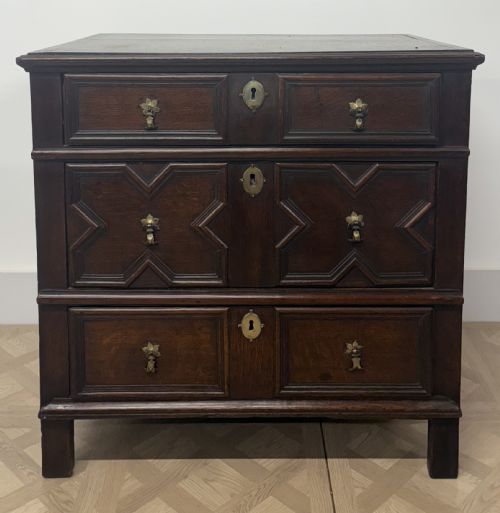
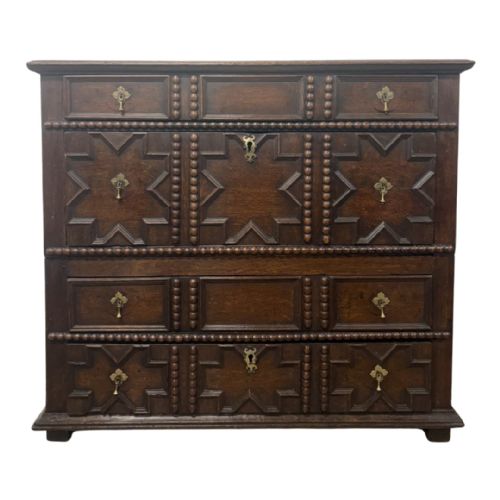
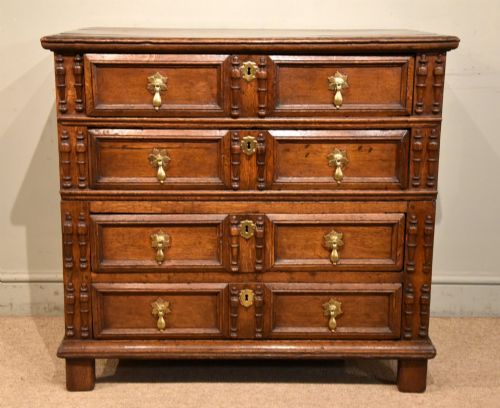
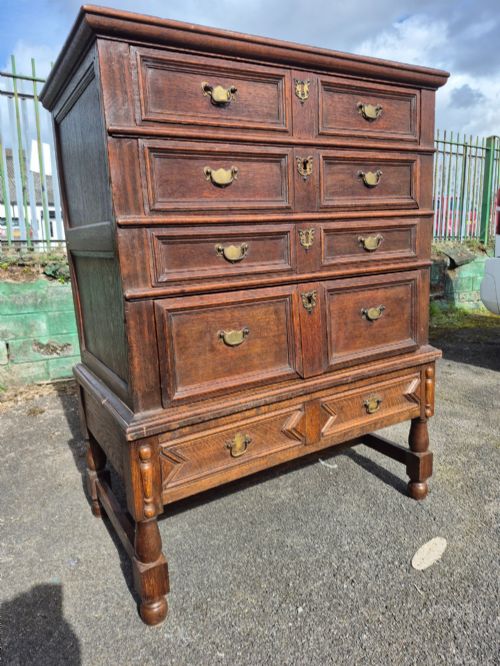
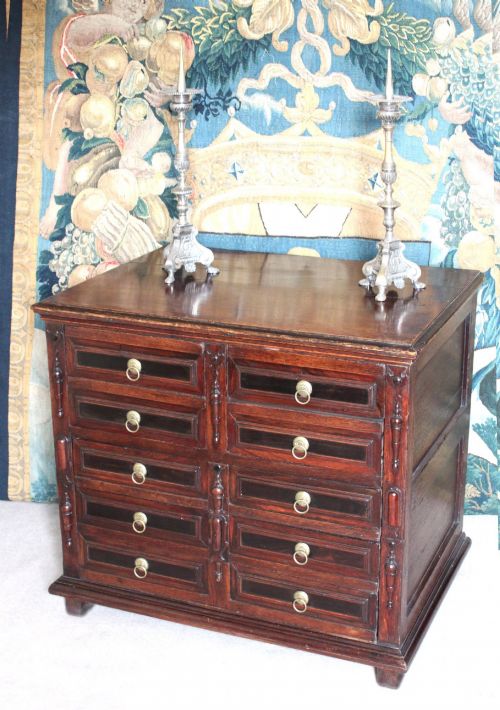
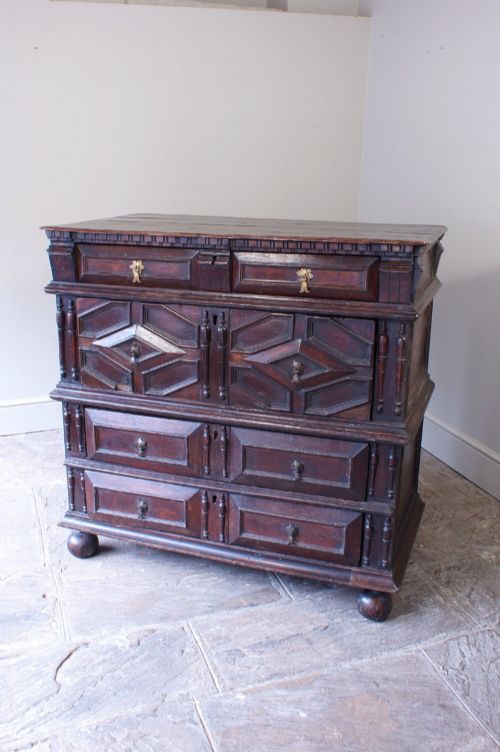
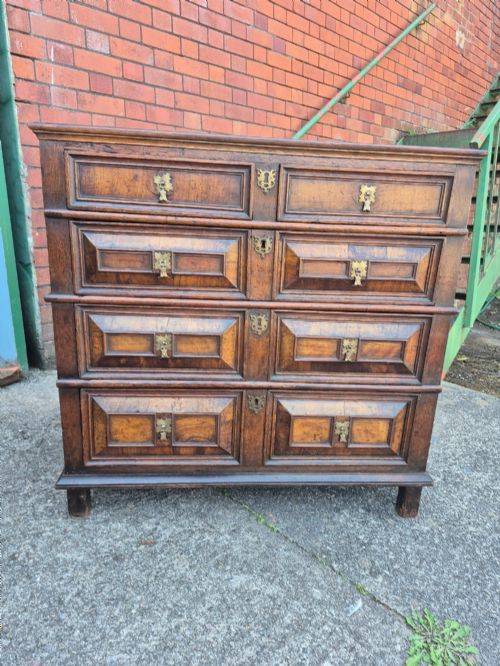
Most examples date to the seventeenth century, incorporating subsequent styles such as Charles II and Jacobean influences alongside the core period. Forms range from practical side tables and gateleg tables to elaborate chests of drawers with geometric moulding.
Materials and Construction
Makers relied primarily on native oak, supplemented by walnut, fruitwood, and rosewood for specific decorative elements or later French items. Iron and brass hardware provided functional hinges and structural reinforcement.
Joinery techniques defined the era, utilising tight mortise and tenon joints secured by wooden pegs. Surface decoration often involved chip carving, raised geometric panels, and moulded drawer fronts rather than delicate veneers.
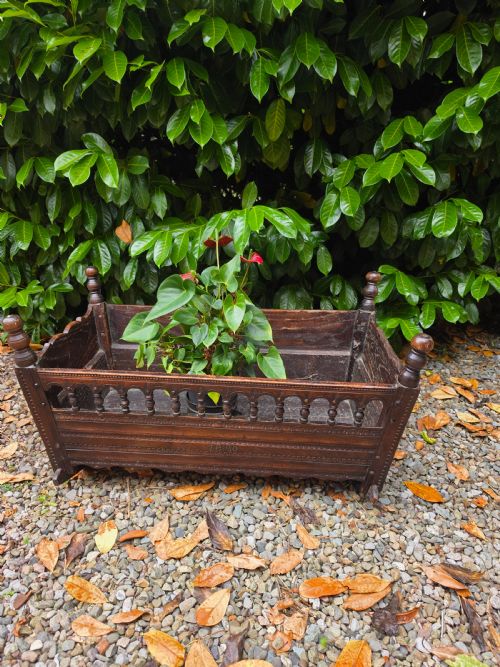
An unusual seventeenth-century oak and fruitwood cradle reminds us that even stern historical households had to put the baby down.
Distinctions in Quality
The degree of original surface survival largely dictates the standard of a piece, separating untouched examples from heavily restored surfaces. Crispness in the carved geometric details and the integrity of the primary timber frame establish upper tiers.
Proportion and structural honesty also separate standard utilitarian items from superior masterworks. Pieces retaining their original feet, stretcher bases, and authentic iron or brass mounts command higher regard among collectors.
The Charles I Period Furniture Glossary
- Joint stool
- A sturdy wooden stool constructed with mortise and tenon joints rather than turned legs inserted into a seat. These items served multiple domestic purposes in early households.
- Wainscot chair
- A heavy wooden armchair featuring a panelled backrest and solid wooden seat. They represent status and substantial carpentry from the seventeenth century.
- Gateleg table
- A drop-leaf table with hinged legs that swing outward to support the raised flaps. This form became popular for dining arrangements in the latter half of the seventeenth century.
- Coffer
- A large wooden chest used for storage, typically constructed from thick oak planks. Early versions often feature single-panel fronts and simple pegged joints.
- Backstool
- An early form of chair without arms, essentially a joint stool fitted with a low wooden backrest. They were frequently grouped around dining tables.
Charles I Period Furniture: Frequently Asked Questions
What defines charles i period furniture?
These pieces originate from the early seventeenth century, built primarily from solid oak with heavy structural framing. They display straightforward joinery and restrained decorative carving.
Designs prioritise utility and durability, resulting in substantial items like wainscot chairs, joint stools, and panelled chests that survive from the era.
How do I care for old oak furniture?
Keep wooden surfaces away from direct heat sources and drastic humidity shifts to prevent timber splitting. Regular dusting with a dry cloth maintains the finish without needing heavy chemical polishes.
Feed dry timber occasionally with a traditional wax to preserve the natural grain and protect the surface from moisture.
How were joint stools used historically?
Joint stools provided flexible seating around the dining table and served as portable stands for household objects. Their sturdy construction allowed them to double as small side tables when necessary.
Servants and family members alike utilised these items daily, which explains their heavy build and prevalence in domestic inventories.
Can I use these pieces in modern rooms?
The neutral tones and straightforward timber grain integrate easily with contemporary interior schemes. A single chest of drawers or side table provides a strong focal point.
Their compact footprints and functional designs make them practical for storing items or displaying objects in modern hallways and living spaces.